
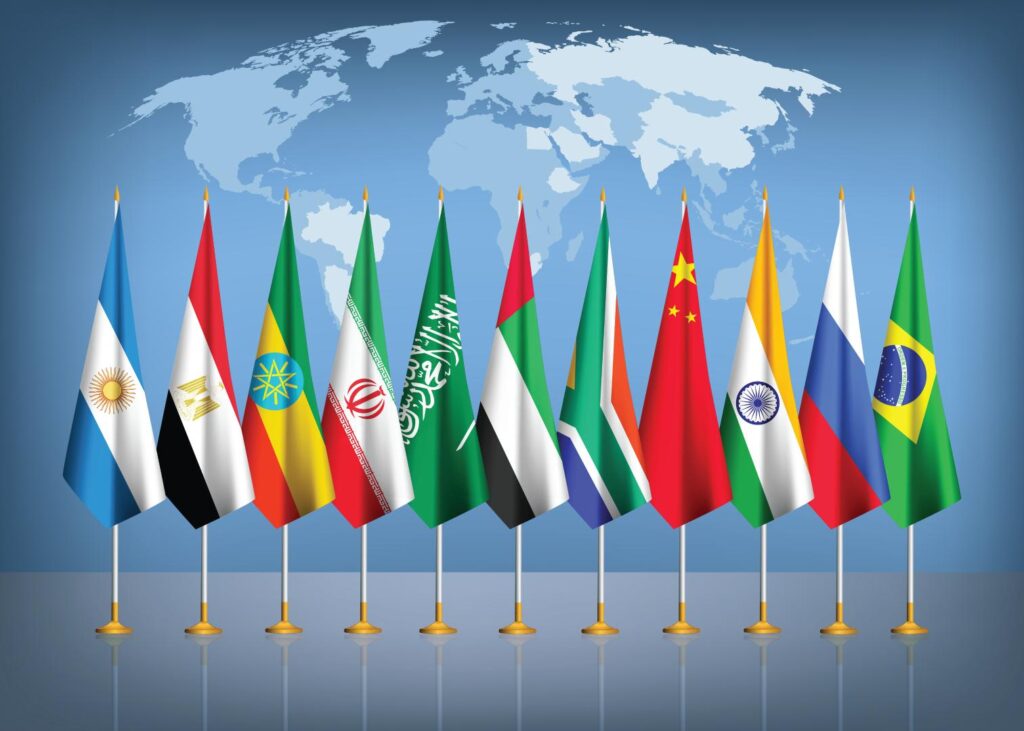
Cementing BRICS: The Global South Opportunity After New Delhi
The article assesses whether BRICS’ institutional architecture built in New Delhi can translate into trade, investment, and technology flows before China assumes the chair in 2027.
The article assesses whether BRICS’ institutional architecture built in New Delhi can translate into trade, investment, and technology flows before China assumes the chair in 2027.
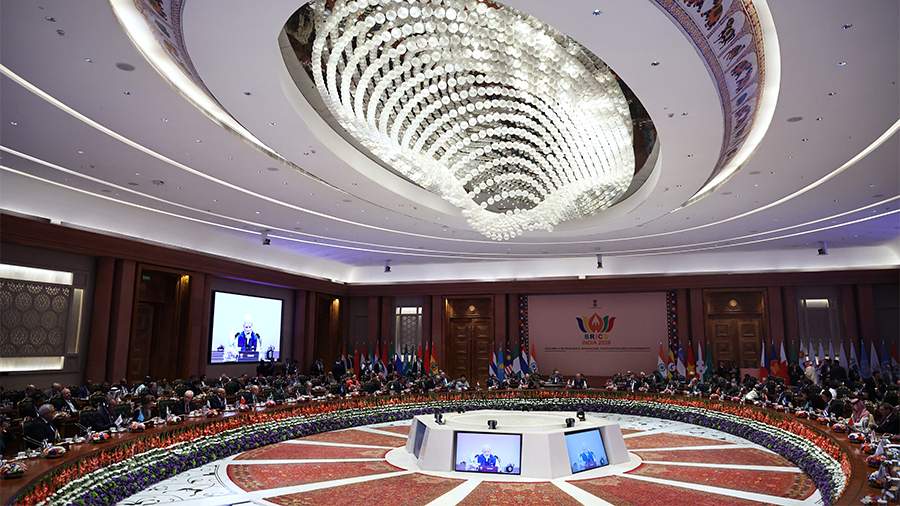
Russian President Vladimir Putin said the complementarity of BRICS member economies is a key, still underused resource for the grouping’s development and practical cooperation.
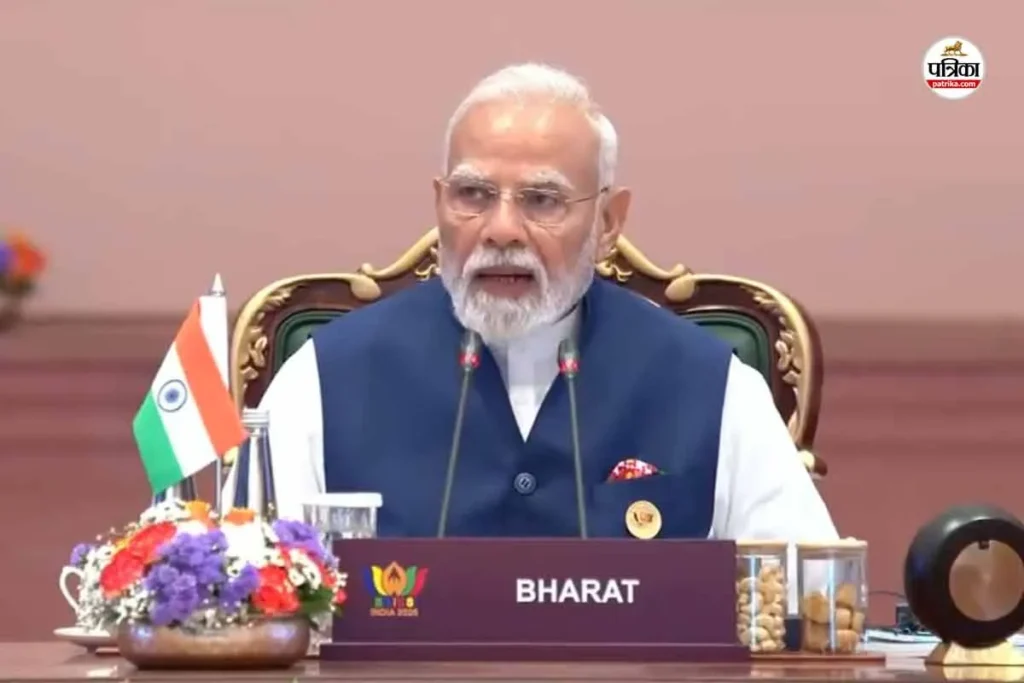
At the BRICS Summit in New Delhi, India proposed expanding BRICS cooperation into digital agriculture, startups, early warning systems, and resilient supply chains.
The 2026 BRICS summit’s New Delhi Declaration includes education and youth initiatives covering a new university ranking system, AI in classrooms, student mobility, research and startup support, skills and jobs.
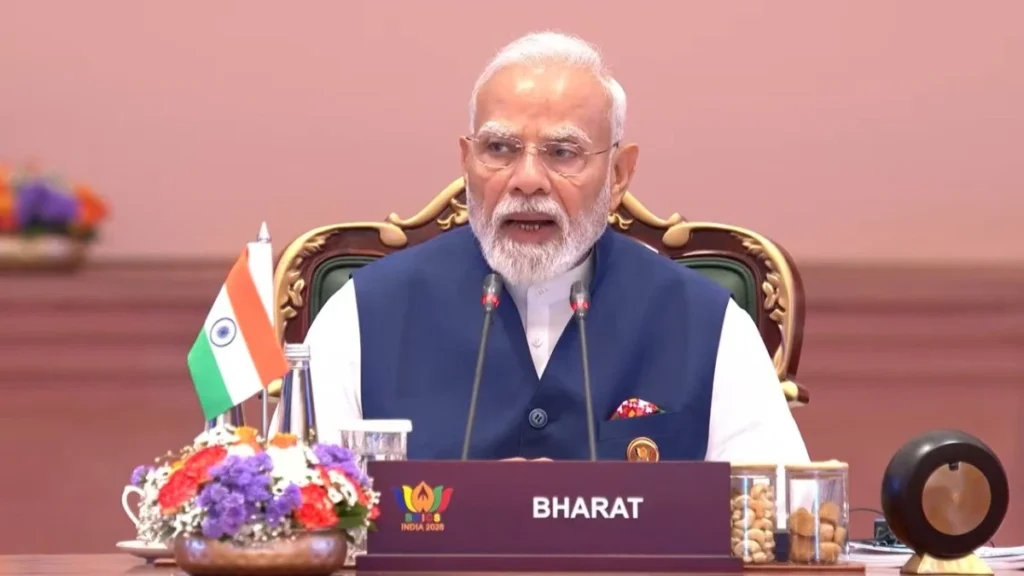
At the BRICS summit, Indian Prime Minister Narendra Modi called for inclusive technology adoption and highlighted BRICS initiatives in digital agriculture, startups, supply chains, and early warning systems.
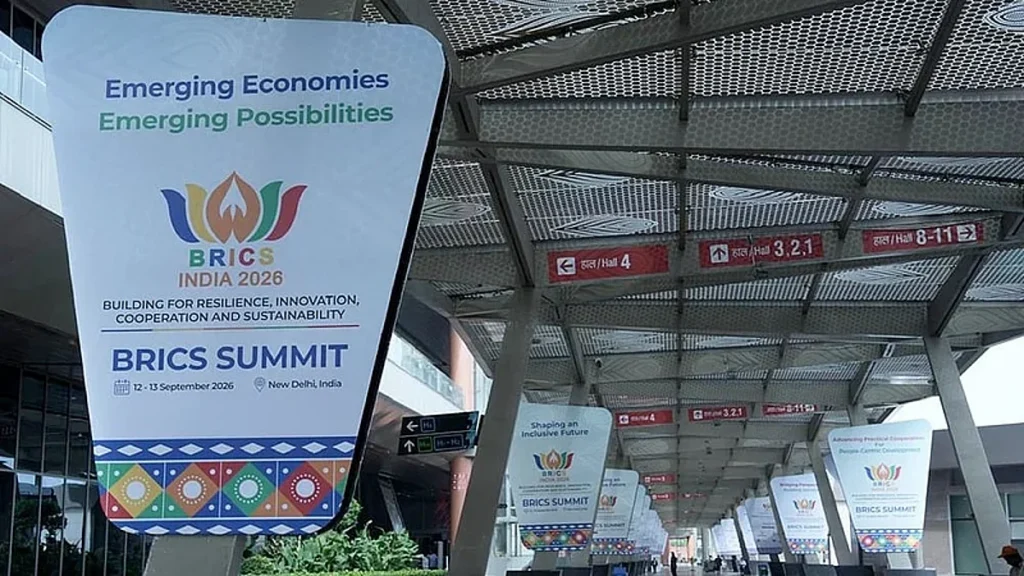
The Delhi Declaration tests whether BRICS can convert consensus among diverse emerging powers into practical cooperation.
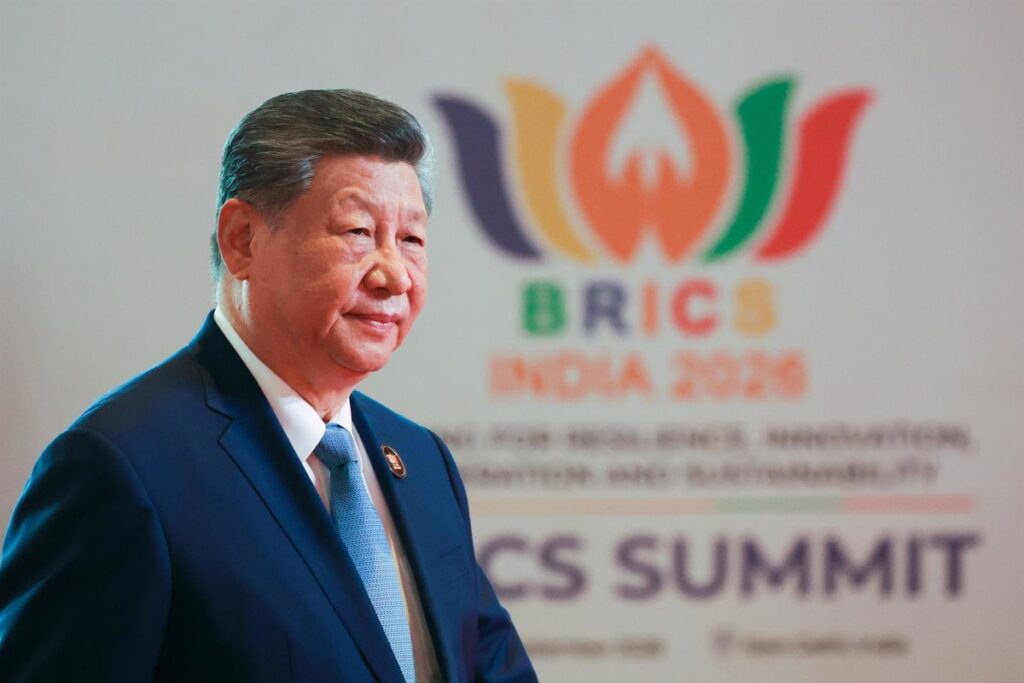
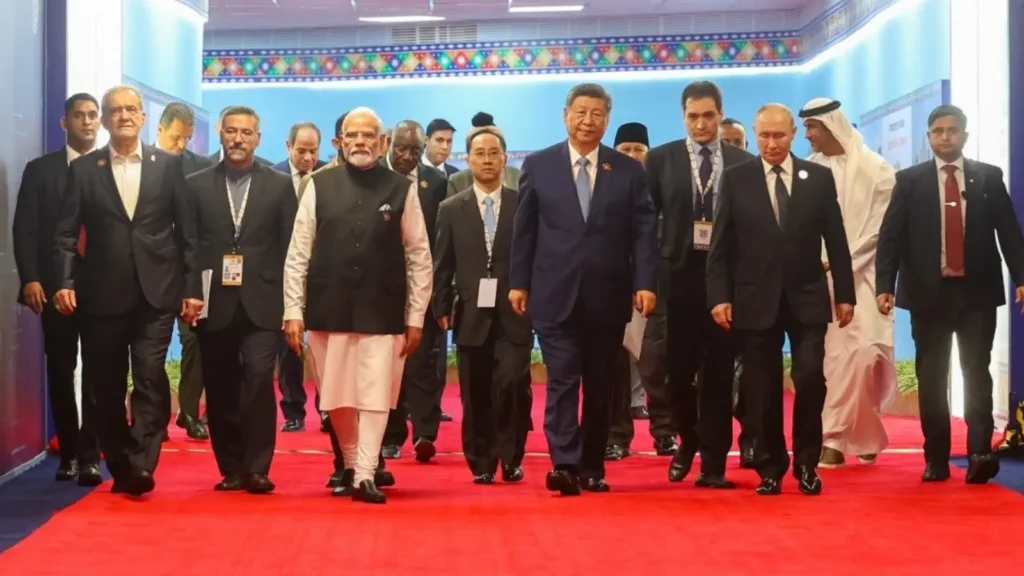
Chinese President Xi Jinping urged BRICS members at the 18th BRICS Summit in New Delhi to deepen cooperation in technology, peace, civilizational dialogue and global governance reform.
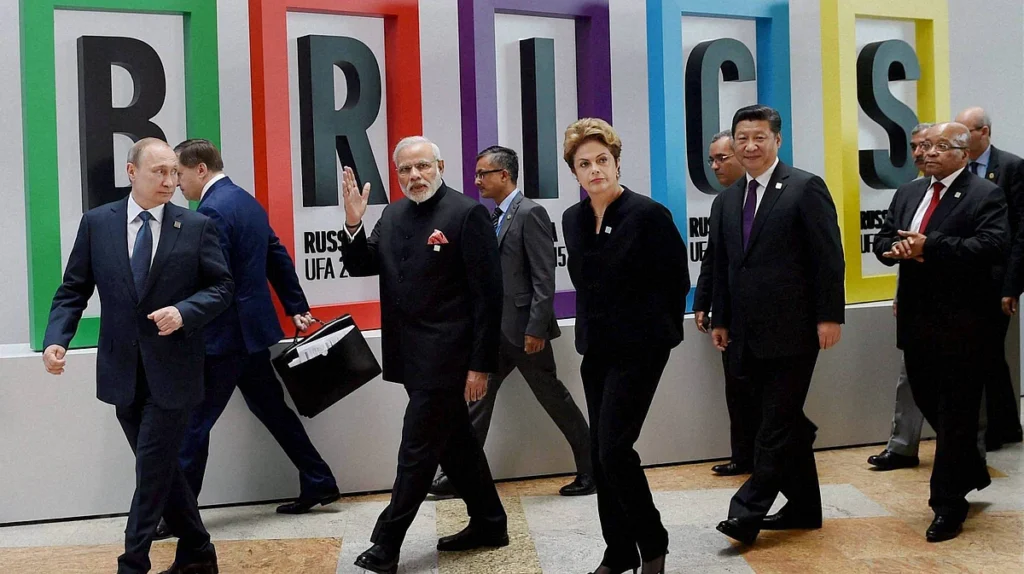
The article analyzes India’s BRICS chairship and the New Delhi Declaration, arguing that New Delhi favors a flexible, issue-based BRICS that supports development finance, global governance reforms, and Global South representation.
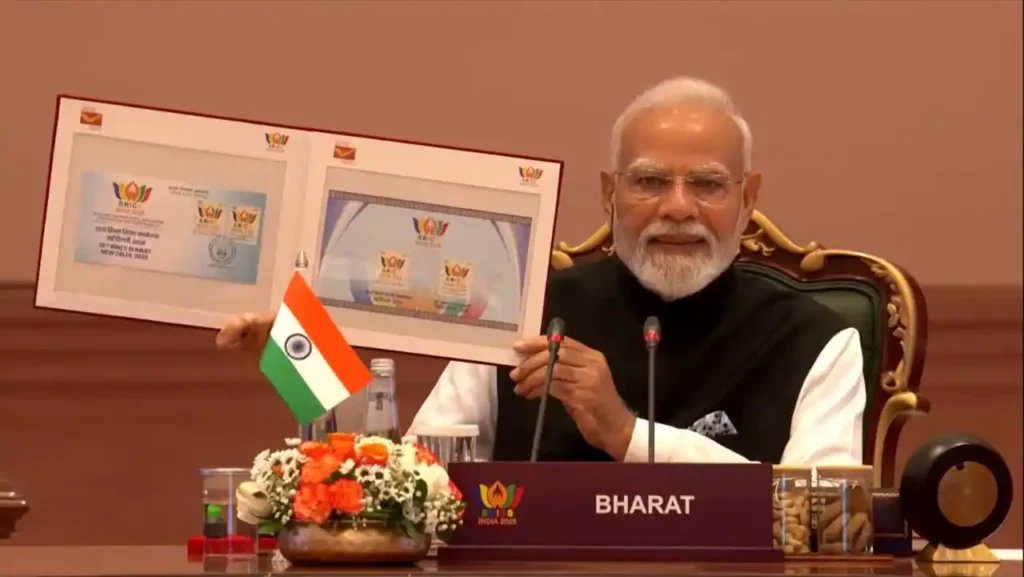
India’s 2026 BRICS chairship moved the grouping from a May foreign ministers’ deadlock to a unanimous September New Delhi Declaration through multi-level consultations and consensus language.