
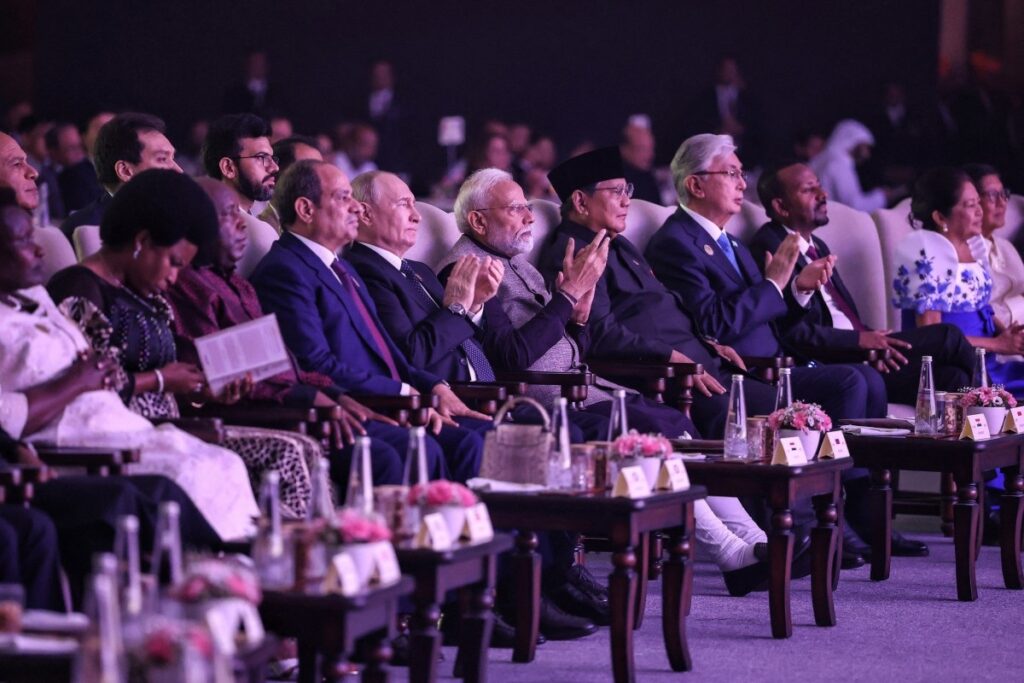
BRICS Leaders Condemn Tariffs and Strengthen Use of Local Currencies
The BRICS New Delhi Declaration criticizes unilateral trade barriers, promotes local currency use, and reinforces financial cooperation without deciding on a common currency.
The BRICS New Delhi Declaration criticizes unilateral trade barriers, promotes local currency use, and reinforces financial cooperation without deciding on a common currency.
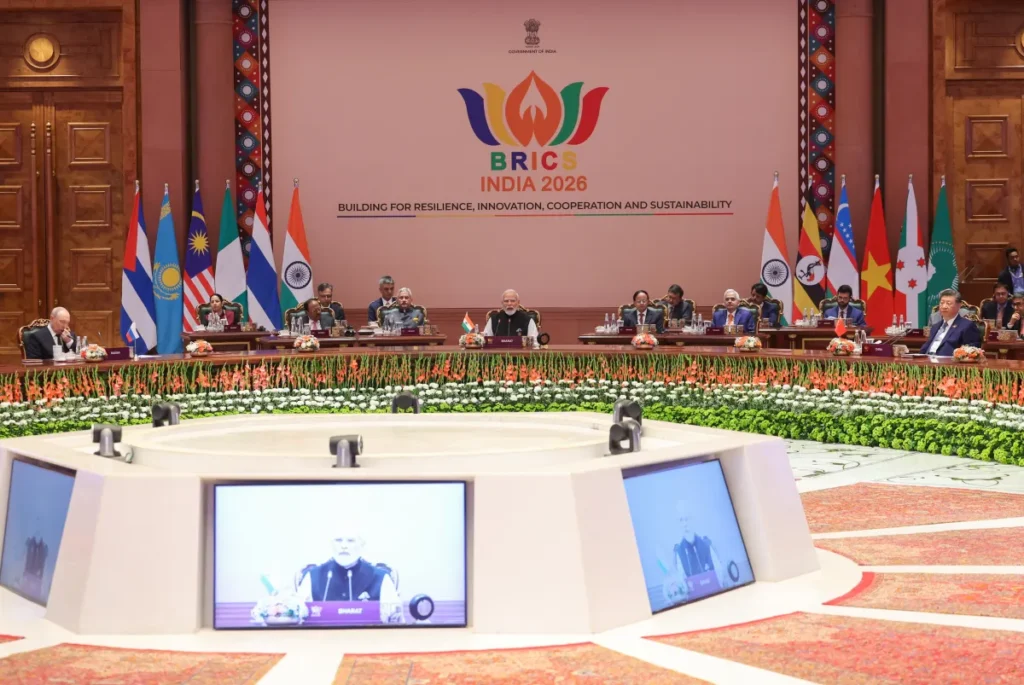
The 18th BRICS summit adopted a declaration calling for restraint in the Middle East, rejecting unilateral economic measures, and expanding cooperation in energy, health, finance, and global governance.
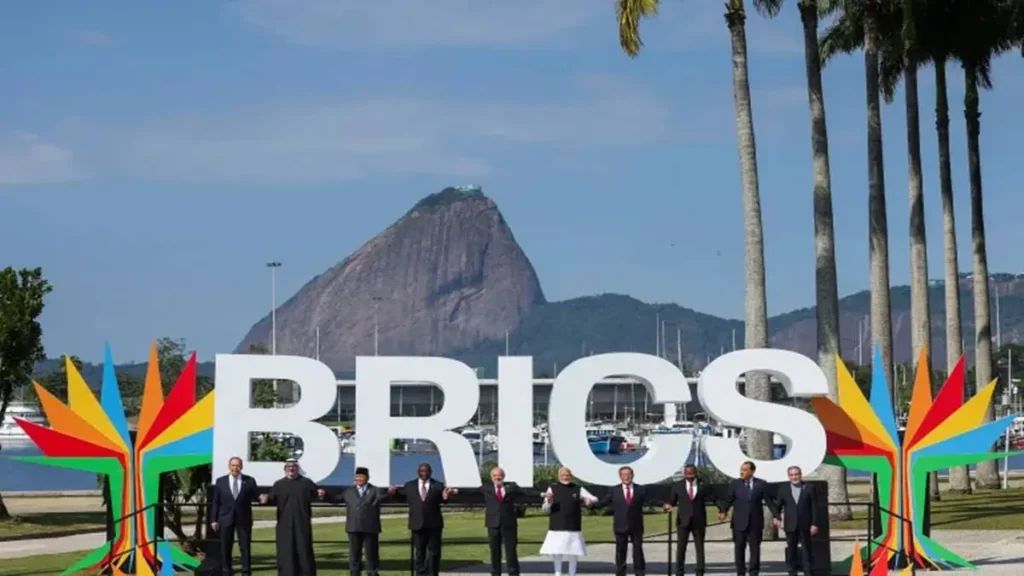
BRICS leaders adopted the New Delhi Declaration, resolving to expand New Development Bank membership, scale up local currency financing, and push for urgent quota and governance reforms in the IMF and World Bank.
BRICS member nations reaffirmed cooperation against money laundering, corruption, illicit financial flows and agreed to develop mechanisms for extradition and asset recovery.
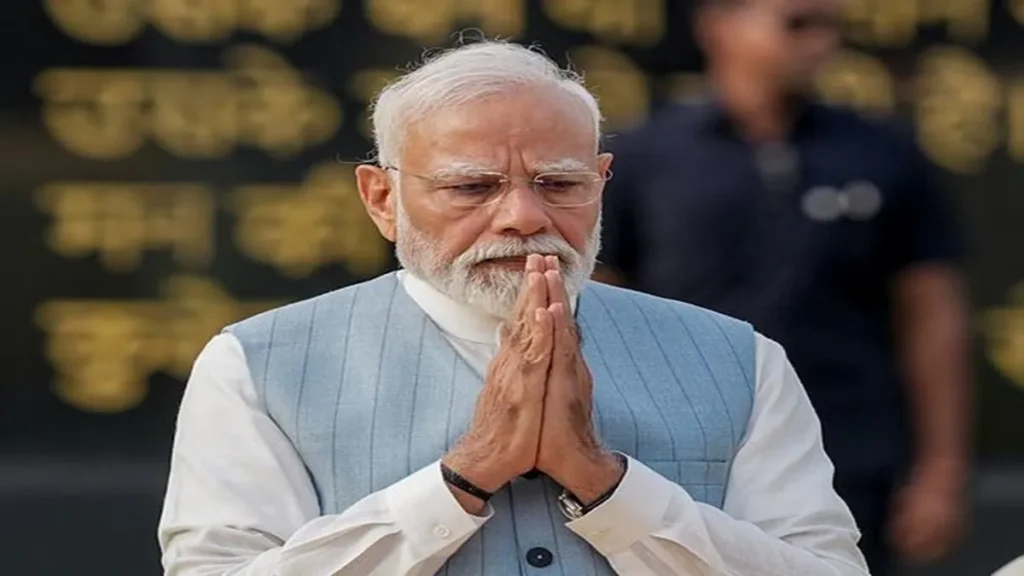
At the 18th BRICS Summit, India’s prime minister proposed reforms to global governance institutions and a 10-point action plan to strengthen the Global South’s voice.

Under India’s BRICS chairmanship, the article argues for practical, people-centric cooperation focused on development, technology, health, startups, MSMEs, climate finance, and infrastructure.
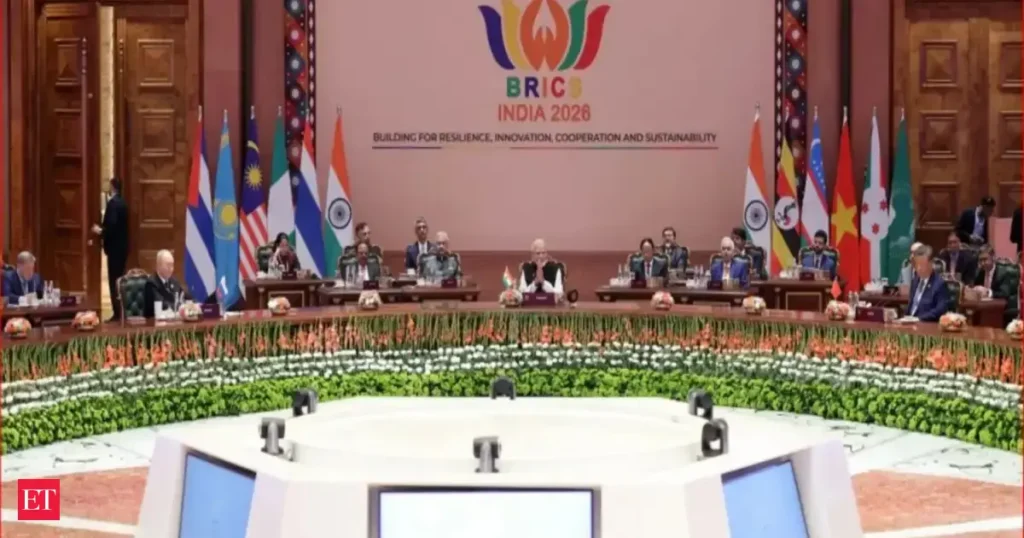
BRICS leaders highlighted artificial intelligence and information and communication technologies as drivers of economic growth and sustainable development while calling for international cooperation on safety, inclusiveness, reliability, and intellectual property protections.
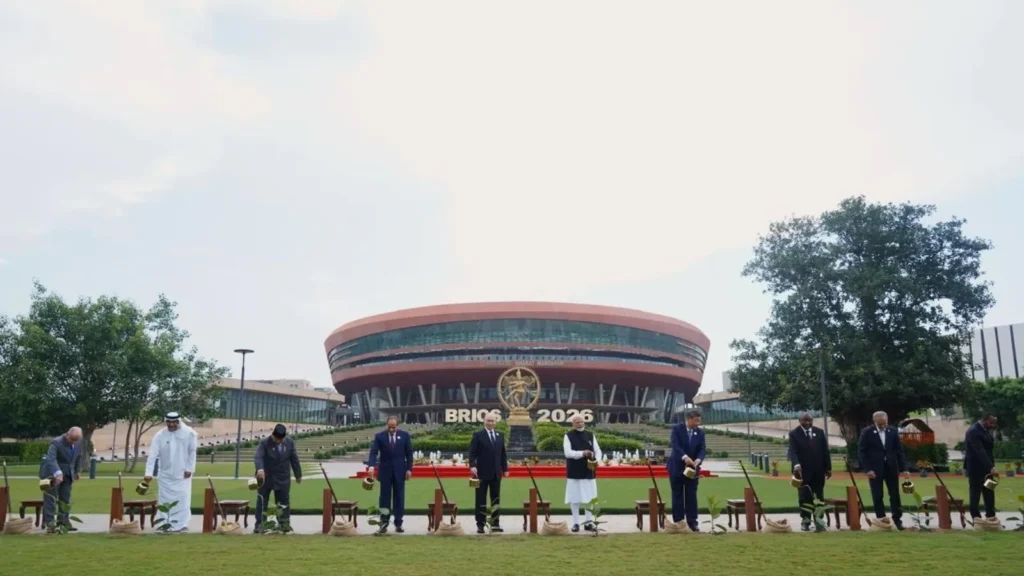
The article says the Delhi BRICS declaration emphasizes practical cooperation and political diversity rather than forming an anti-Western bloc or pursuing de-dollarisation.
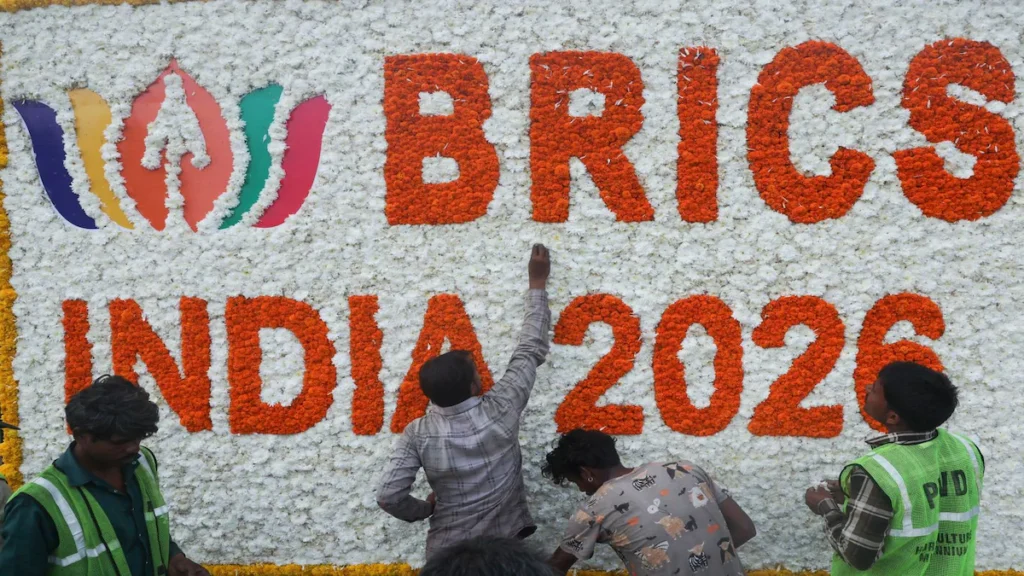
Experts discussed how the BRICS summit’s New Delhi Declaration could shape India’s trade strategy, digital infrastructure, cross-border payments and engagement with the Global South.