
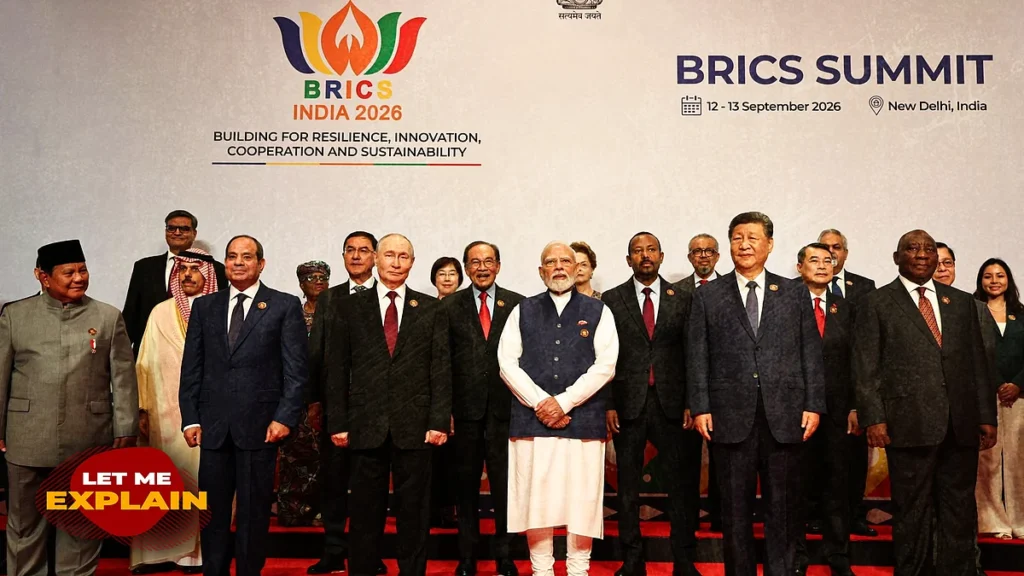
BRICS explained: The bloc’s origins, members and its challenge to the global order
An overview of BRICS, its membership, and the key outcomes of the 18th BRICS Summit in New Delhi, including the 140-paragraph New Delhi Declaration.
An overview of BRICS, its membership, and the key outcomes of the 18th BRICS Summit in New Delhi, including the 140-paragraph New Delhi Declaration.
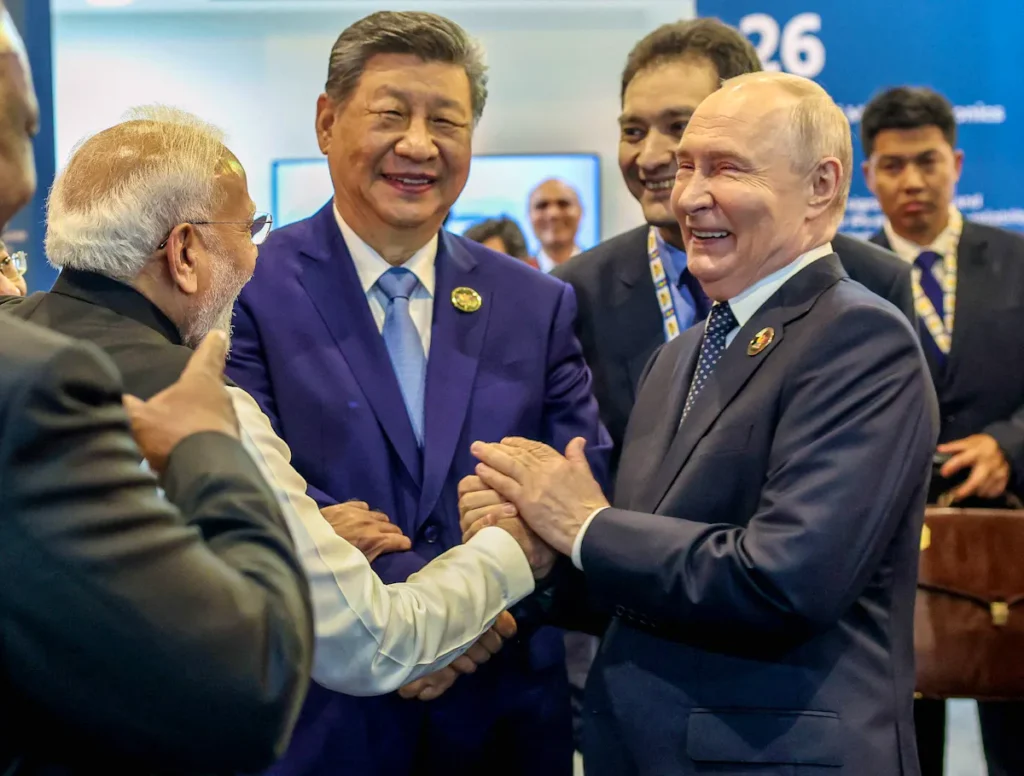
At the BRICS summit in India, leaders of China, Russia and India displayed visible unity, while a geopolitical expert said BRICS is deepening cooperation and building alternatives to Western-dominated institutions.
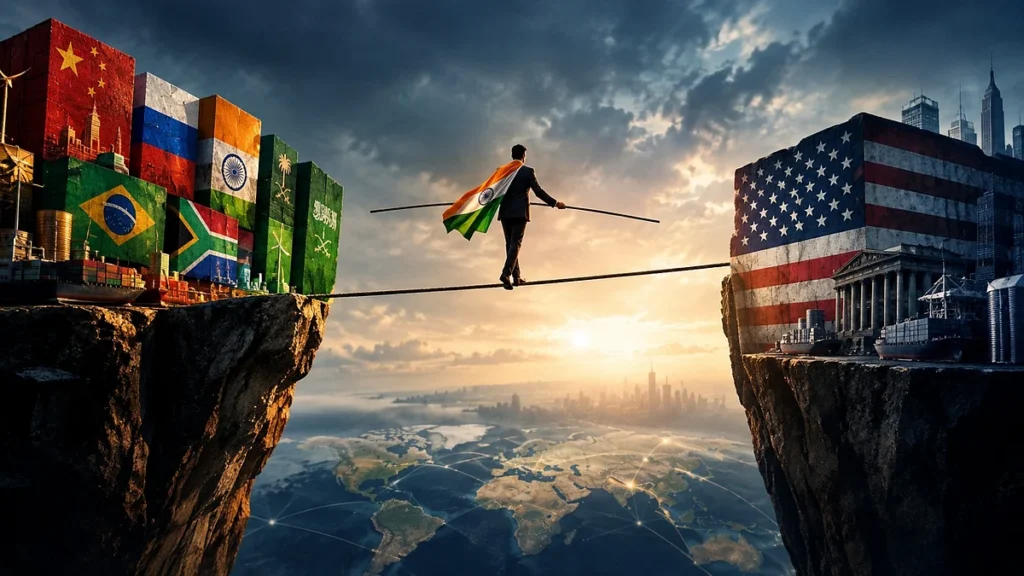
The New Delhi BRICS Summit declaration opposed unilateral tariffs and economic coercion while framing the grouping as reform-oriented and non-Western rather than anti-US.
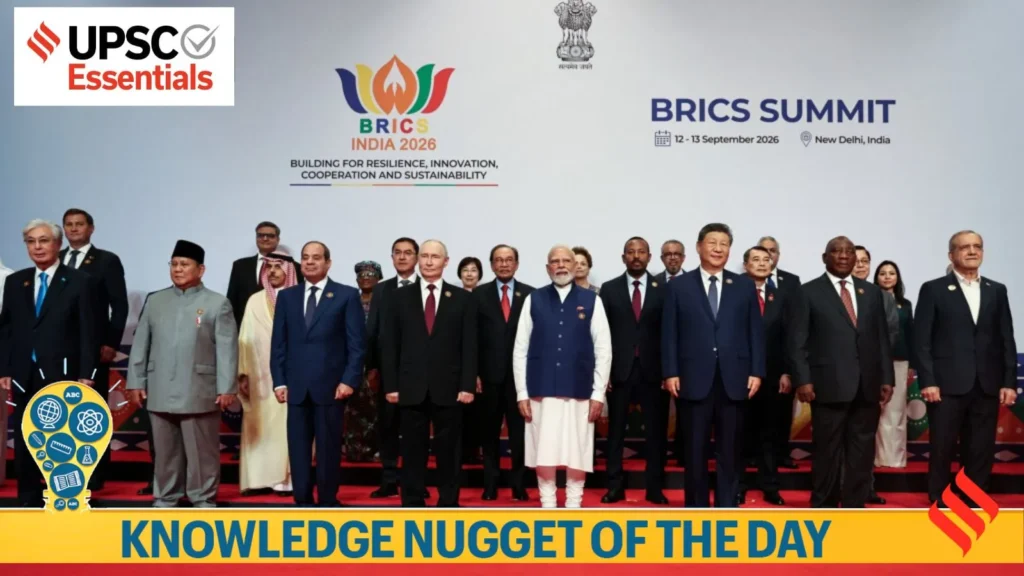
The BRICS Summit 2026 New Delhi Declaration outlined initiatives in agriculture, transport, education, health, space, trade, terrorism and UN Security Council reform, while omitting explicit references to Ukraine and a common BRICS currency.
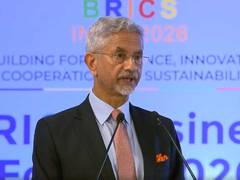
India’s External Affairs Minister said the BRICS India Summit 2026 showed that consensus could be forged even in a polarized world and highlighted strong participation from member states, partner countries, and international organizations.
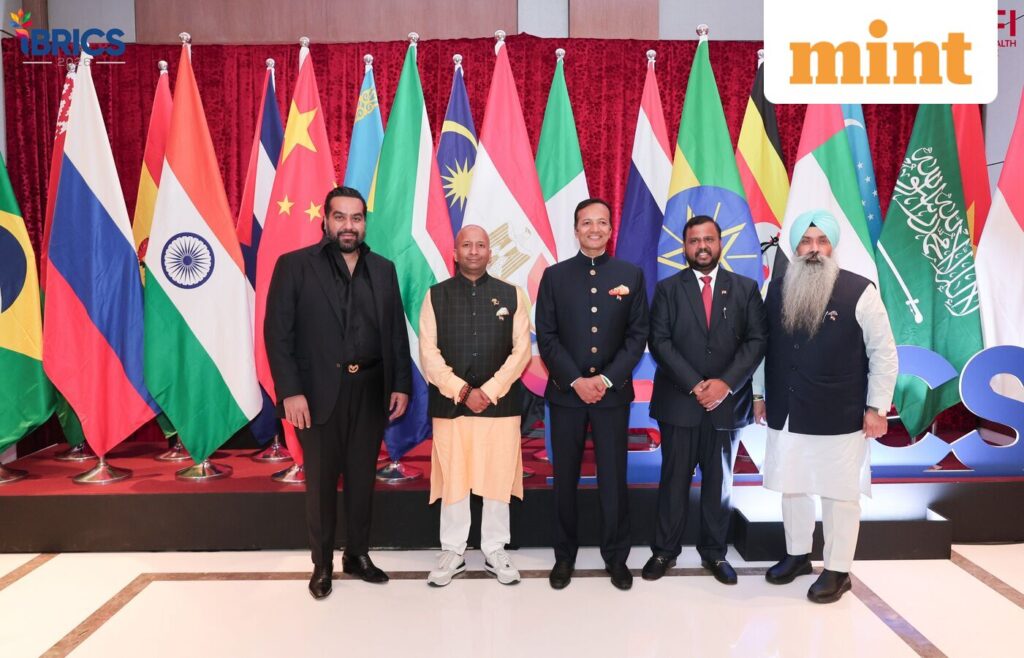
The inaugural iBRICS Summit 2026 in New Delhi concluded with the signing of the DART Charter, a framework for CBDC interoperability, multi-currency clearing, and cross-border payments across BRICS nations.
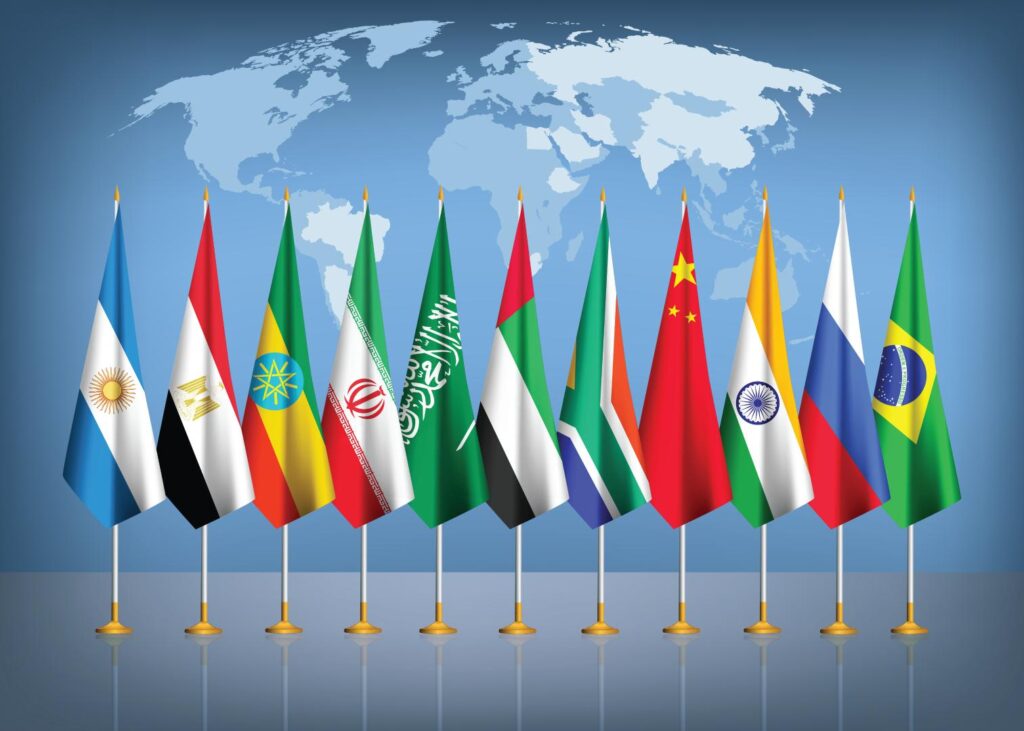
An analysis of the New Delhi BRICS Summit highlights India’s push for consensus, institutional continuity, and practical cooperation for the Global South.
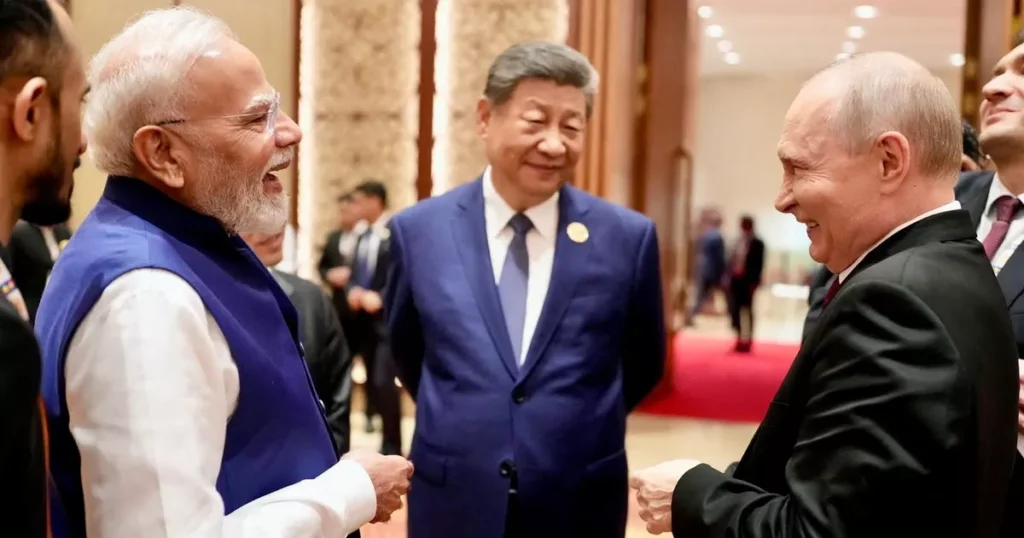
Analysis: China is downplaying the Himalayan border conflict to counter Donald Trump and assert its influence within the grouping of emerging economies.
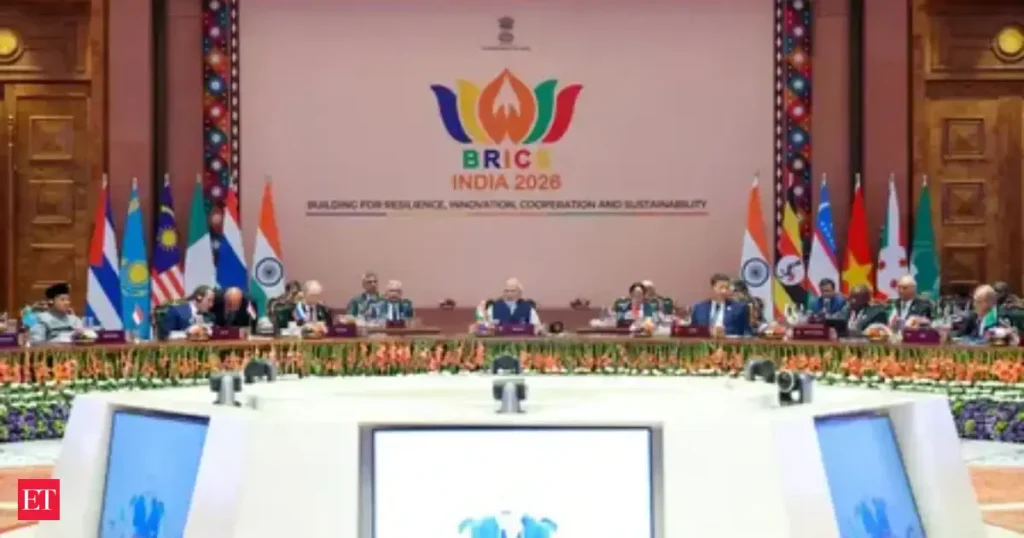
Atlantic Council analyst Michael Kugelman said India’s successful hosting of the BRICS Summit and the adoption of the New Delhi Declaration demonstrated its ability to build consensus among countries with divergent views.