
Never mind America’s reaction: why Brics should become a global rule-shaper
An editorial argues that BRICS should move from accepting existing global rules to shaping them, while maintaining a non-confrontational stance toward the West.
An editorial argues that BRICS should move from accepting existing global rules to shaping them, while maintaining a non-confrontational stance toward the West.
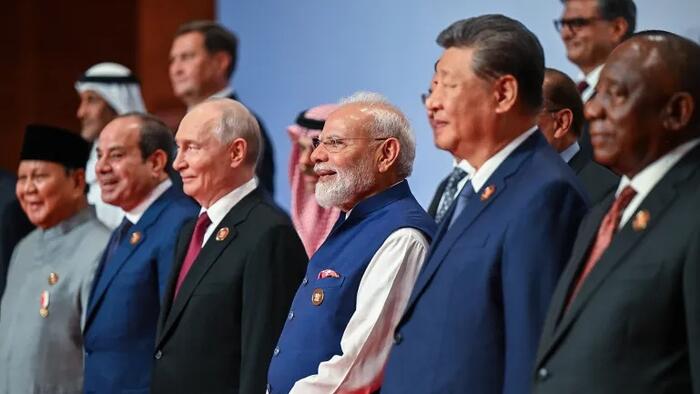
The 18th BRICS summit endorsed local-currency settlement, payment interoperability and BRICS Pay, while stopping short of a common currency and navigating Iran-UAE tensions.

India steered the expanded BRICS grouping to adopt the New Delhi Declaration by consensus, secured collective condemnation of the Pahalgam attack, and positioned the summit around Global South priorities rather than an anti-Western agenda.
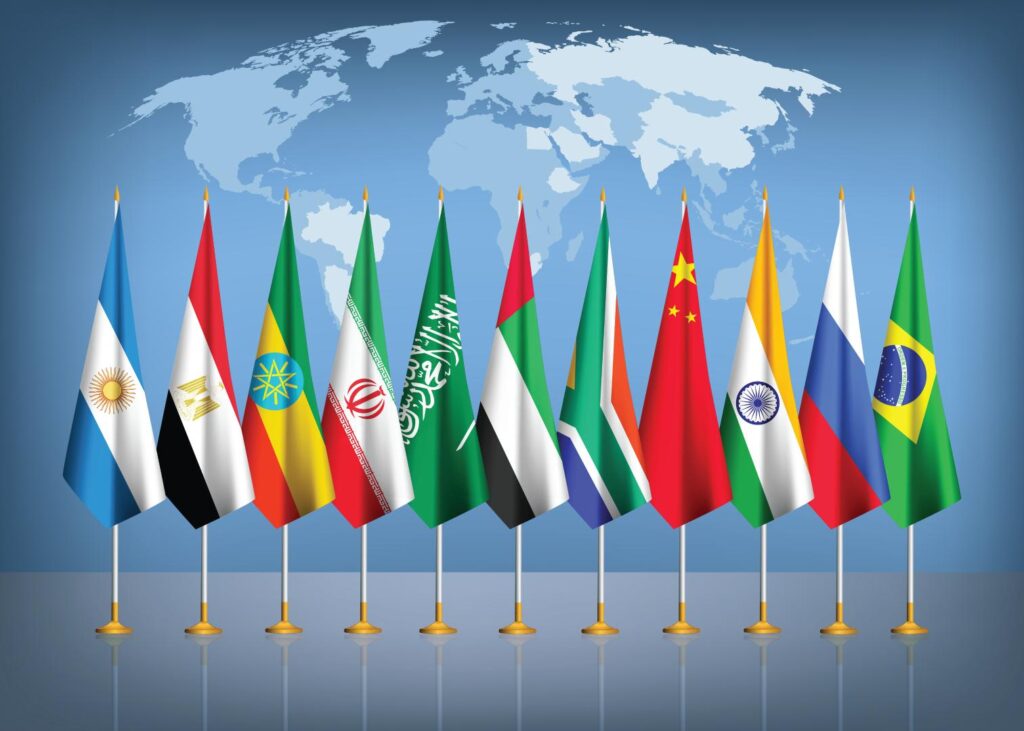
An opinion piece argues that BRICS remains meaningful for the Global South despite internal differences, and that Western criticism should not define how the grouping is judged.
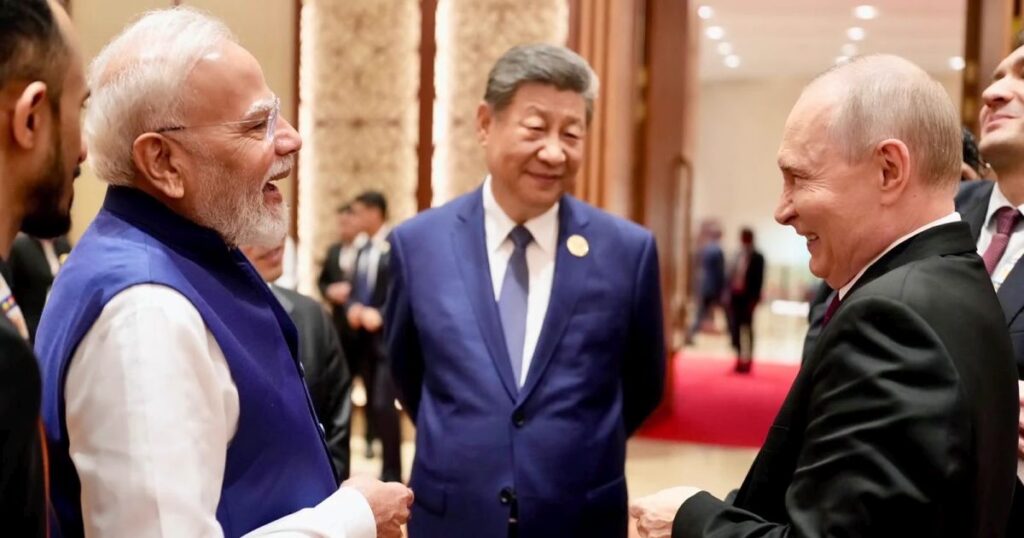
At the closing session of the BRICS summit under India’s presidency, leaders called for stronger cooperation on supply chains, early-warning systems, innovation, and economic resilience.
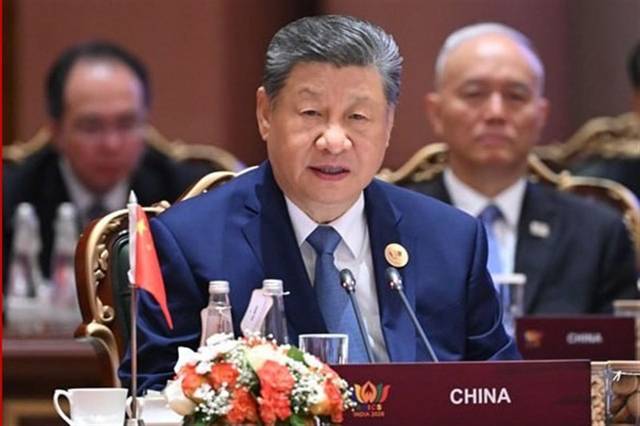
Chinese, Egyptian and Russian leaders addressed the 18th BRICS Leaders’ Summit in New Delhi, emphasizing supply-chain stability, multilateral cooperation, development finance, AI governance and intra-BRICS trade.

The New Delhi Declaration emphasises that a plurality of voices must be heard and heeded.
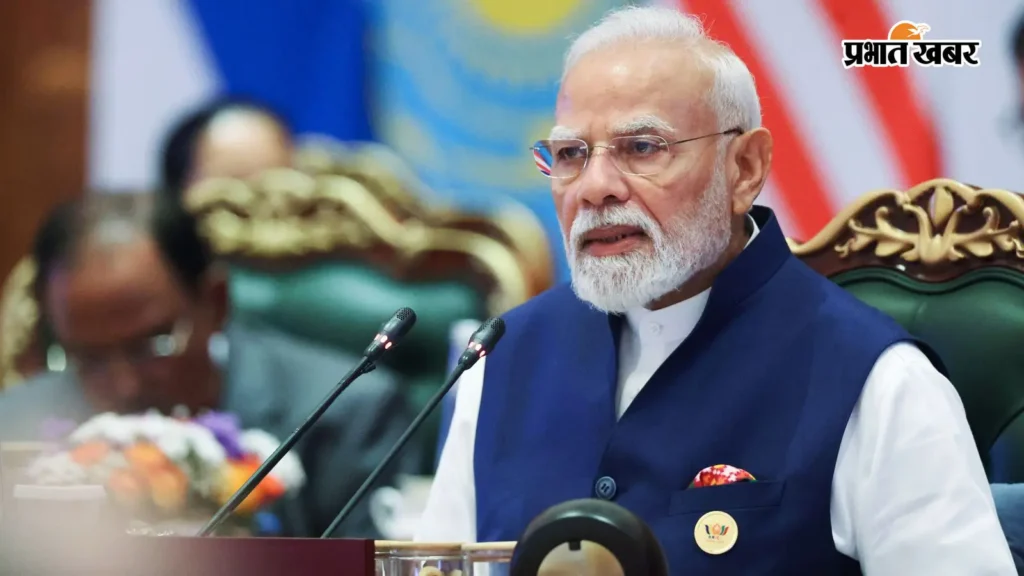
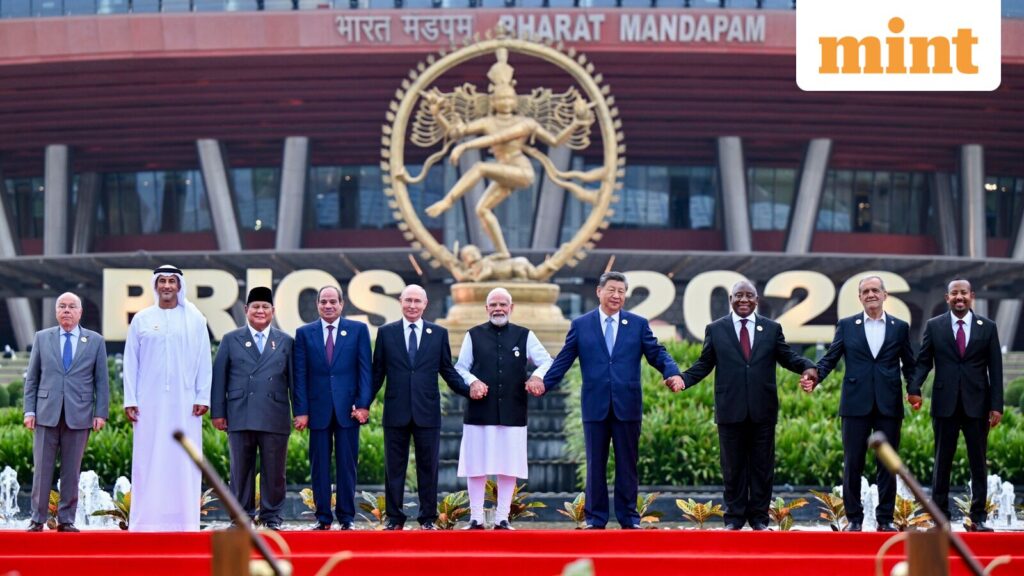
The 18th BRICS Summit in New Delhi concluded, but the story goes beyond the joint photograph and the long declaration.
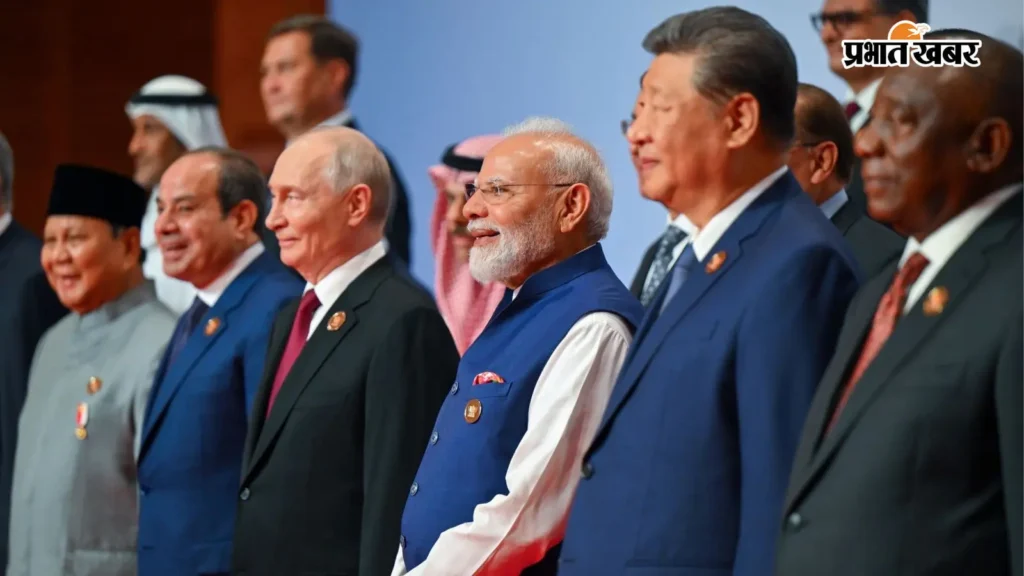
The BRICS summit in New Delhi on 12-13 September was not only a platform for Global South unity; it also reflected the contradictions among member states as the grouping seeks to shape a new global order.