
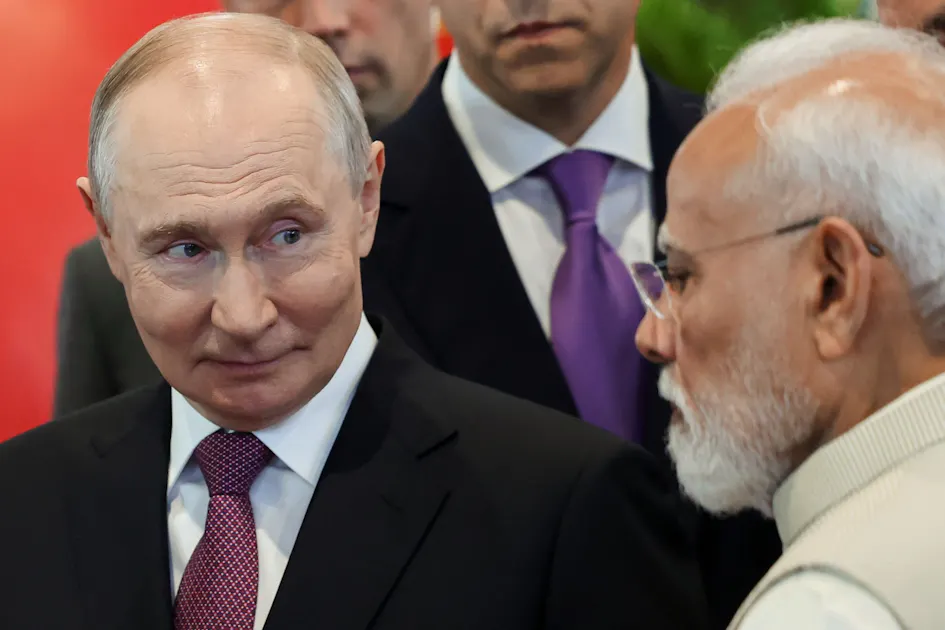
BRICS Summit in New Delhi: Has the Group Really Overtaken the G7?
An analysis of the BRICS summit in New Delhi examines the group’s economic size, internal trade limits, monetary cooperation, institutional weaknesses, and political rivalries.
An analysis of the BRICS summit in New Delhi examines the group’s economic size, internal trade limits, monetary cooperation, institutional weaknesses, and political rivalries.
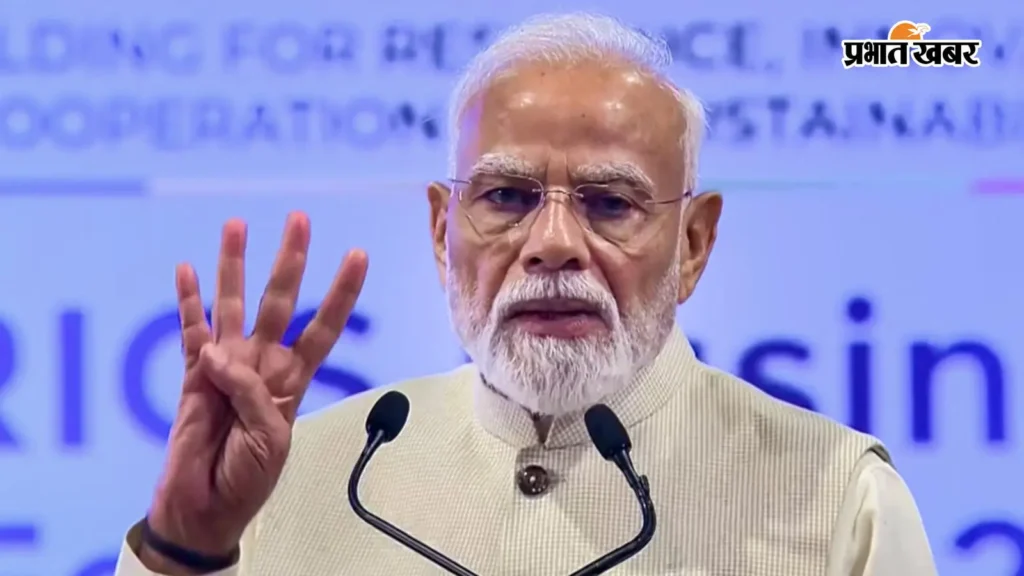
Indian Prime Minister Narendra Modi said at the BRICS Business Forum that BRICS economies have grown roughly twice as fast as the global average and outlined India’s priorities during its BRICS presidency.
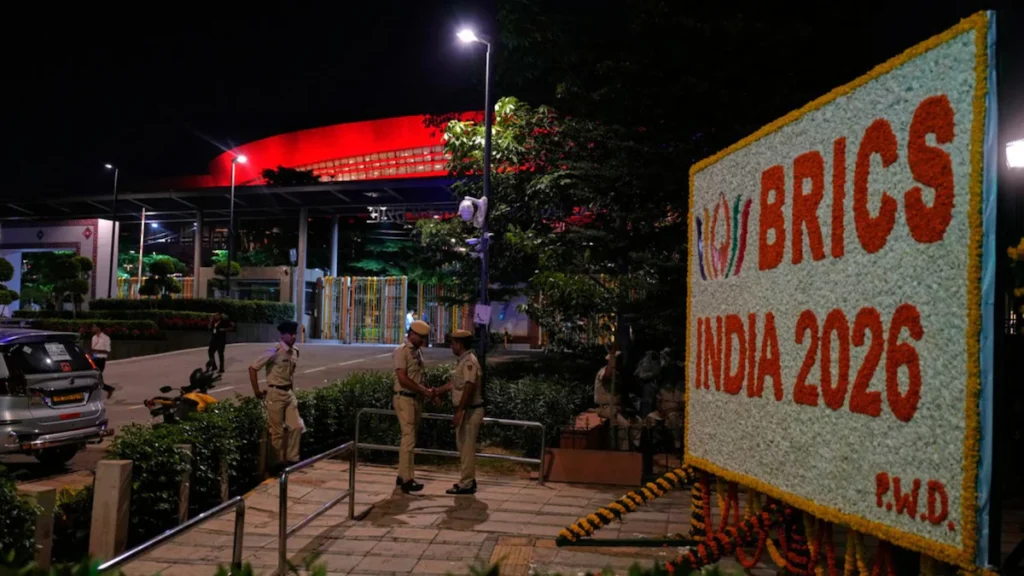
The BRICS Summit in New Delhi highlights India’s role in shaping energy security, trade flows, and geopolitical cooperation, with particular focus on India-Russia ties and global supply-chain risks.
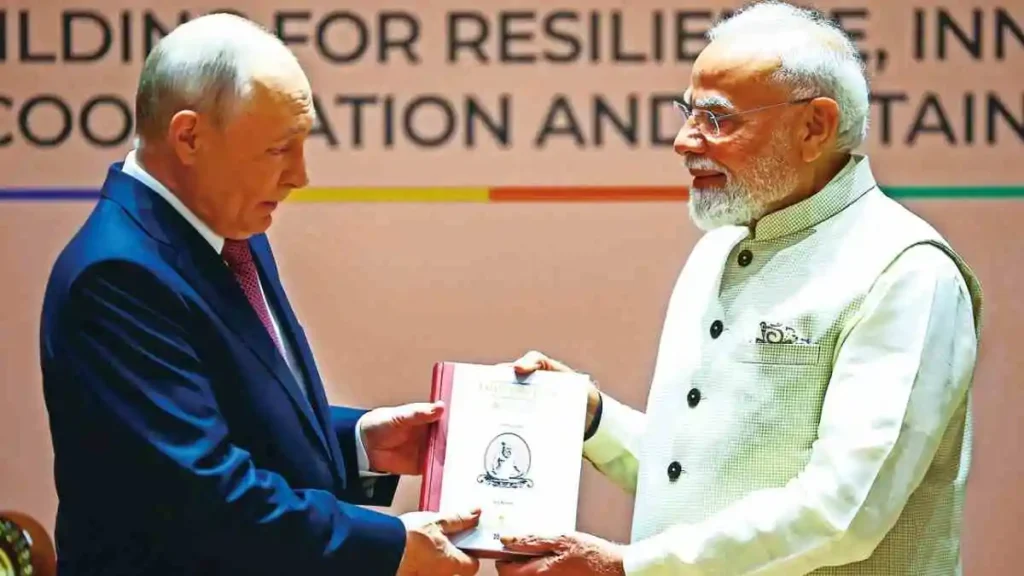
At the BRICS Business Forum and ahead of the BRICS summit, India, Russia and Iran emphasized local currency trade, payment system links and digital infrastructure, while officials said BRICS would not immediately create a common currency.
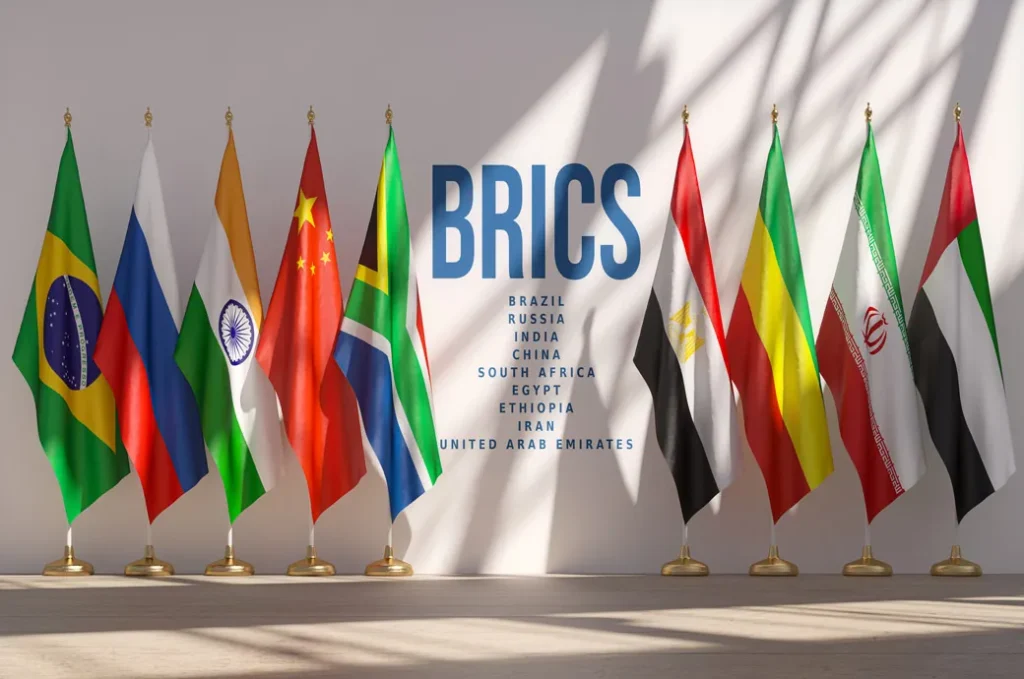
BRICS finance ministers and central bank governors issued a joint statement calling for reform of global development finance institutions and a stronger voice for emerging markets.
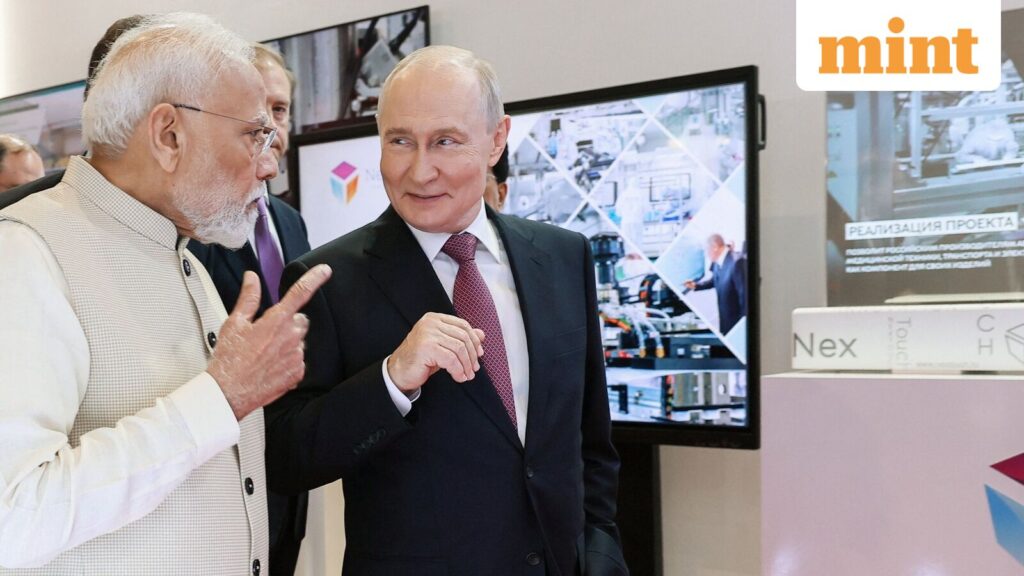
Russian President Vladimir Putin proposed a digital investment platform built on the New Development Bank to mobilise private-sector funding and strengthen BRICS economic competitiveness.
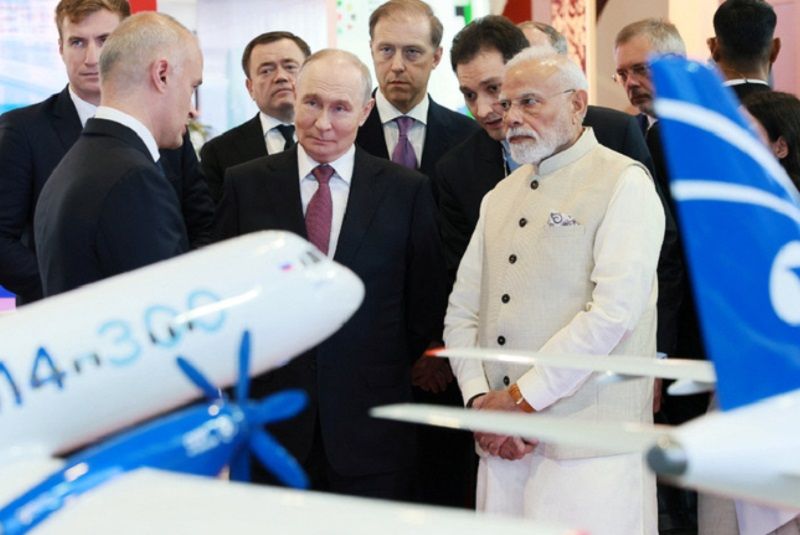
At the BRICS Business Forum in New Delhi, Russian President Vladimir Putin said Russia is ready to contribute to global energy and food security and deepen cooperation with BRICS partners in trade, tourism, logistics and technology.
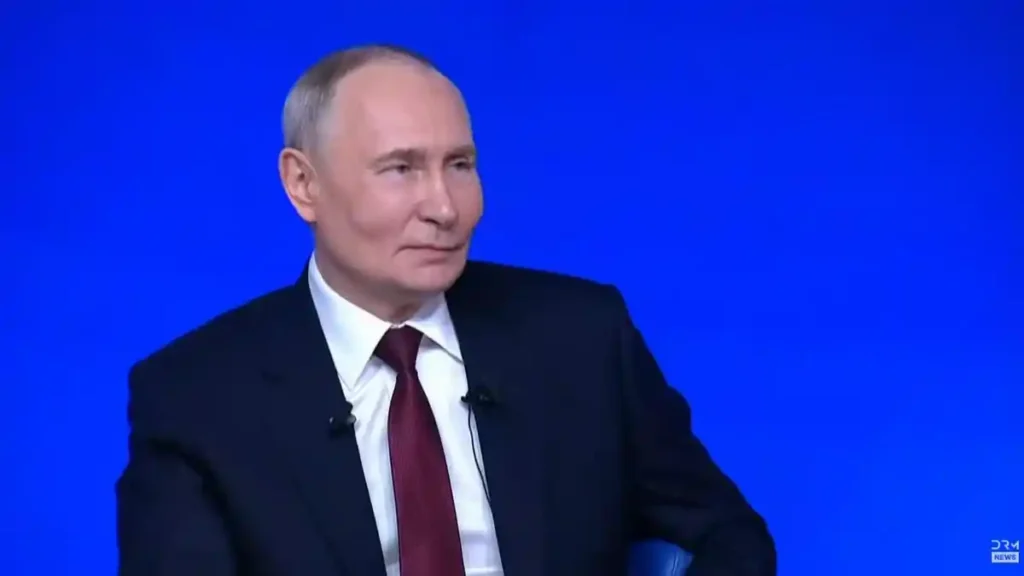
Russian President Vladimir Putin said BRICS accounts for nearly 40% of global economic output, compared with about 18% for the G7.
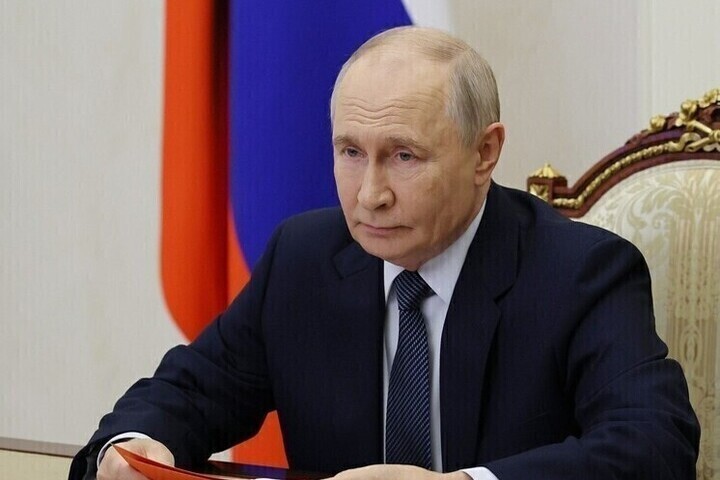
Russian President Vladimir Putin’s appearance at the BRICS Business Forum in New Delhi drew enthusiastic applause from plenary participants before his speech began.