China Proposes Open-Source AI Platform for BRICS Members
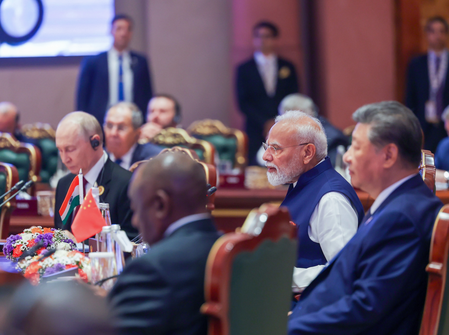
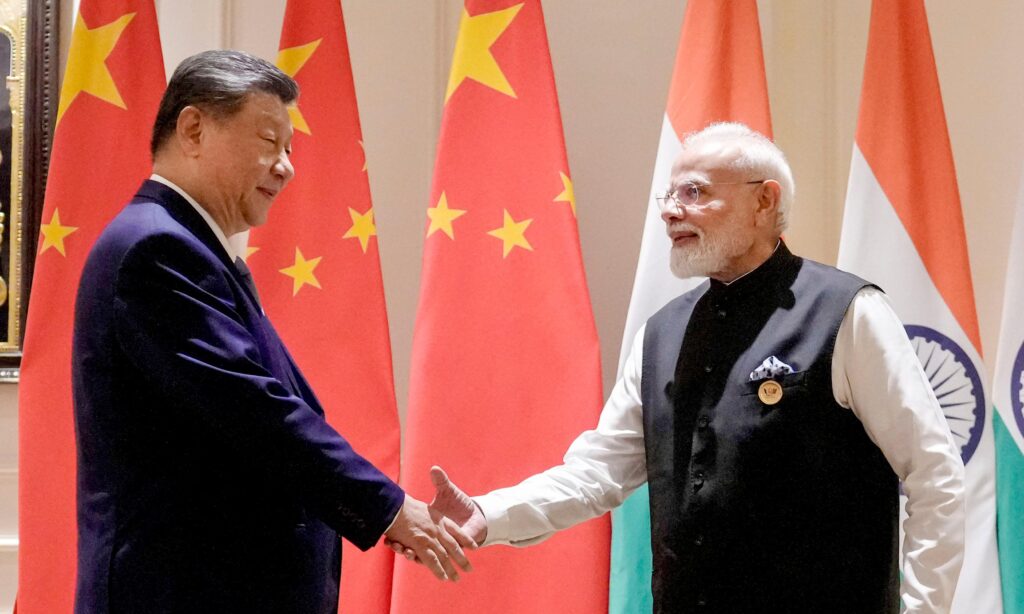
At the BRICS summit in New Delhi, Chinese President Xi Jinping outlined plans for shared AI development, training programs, and digital infrastructure for the bloc.
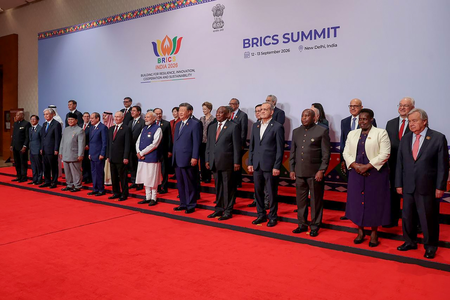
The 2026 BRICS Summit concluded with agreements to deepen cooperation in technology, health, supply chains, trade and sports development, emphasizing sport as a driver of social growth and people-to-people exchange.
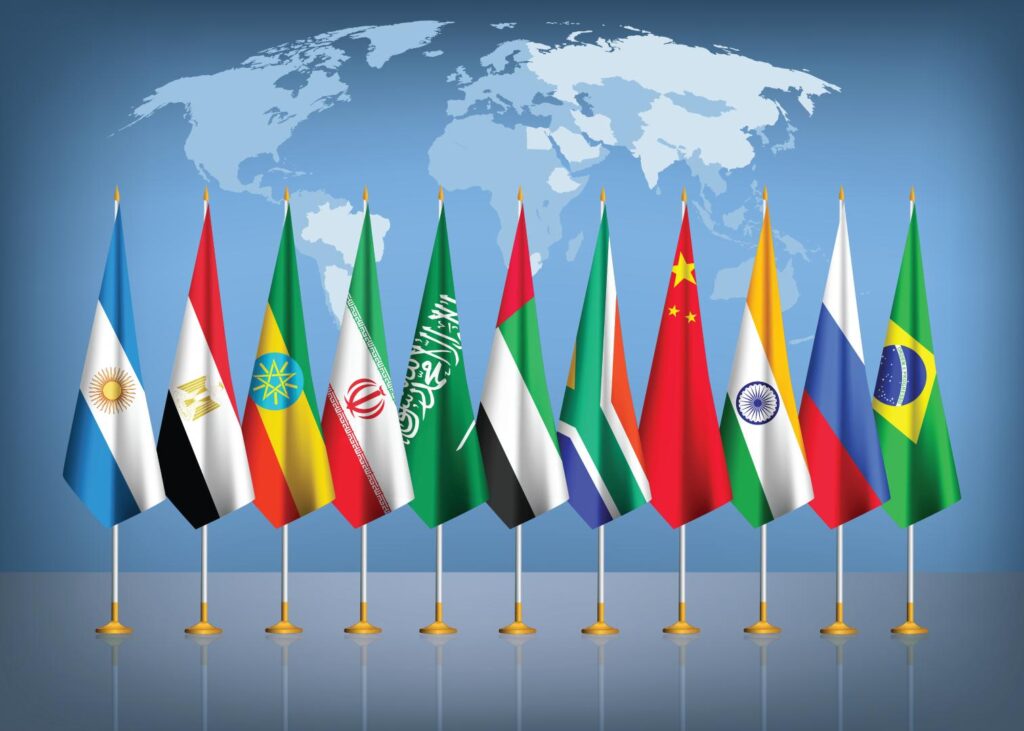
The 18th BRICS Summit in New Delhi highlighted the grouping’s role as a platform for global governance, economic diversification, and technology cooperation while managing internal divergences.
The New Delhi summit produced shared positions on trade, security and artificial intelligence while launching new cooperation mechanisms across technology, health, logistics, agriculture and innovation.
The article argues that BRICS is becoming a practical economic and diplomatic platform, with India and South Africa positioned to deepen cooperation in trade, finance, industrialisation, technology and shared development.
China proposed a BRICS open-source AI community, large language model cooperation, training programs and digital infrastructure during the BRICS summit in New Delhi.
India presented 37 deep-tech innovations at a BRICS summit exhibition in New Delhi, covering AI healthcare, quantum computing, robotics, renewable energy and electric mobility.
The New Delhi Declaration highlights the humanitarian impact of the US blockade, while Cuba reiterates its interest in full BRICS membership.
The 18th BRICS Summit adopted a New Delhi Declaration emphasizing local currencies, WTO reform, opposition to protectionism, and gradual financial cooperation, but implementation will determine its economic impact.