
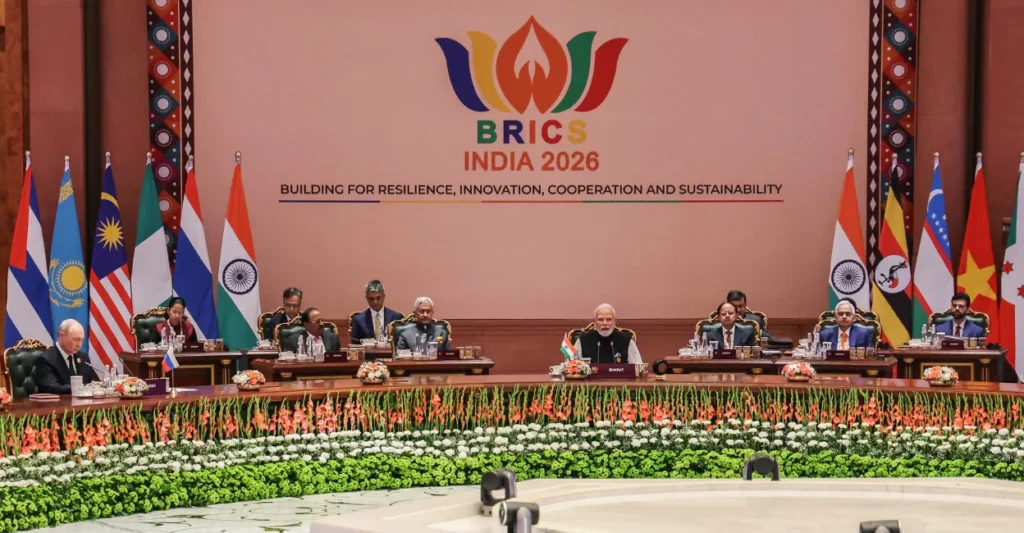
Does BRICS have enough mortar to stick together?
Analysis of the 18th BRICS summit in New Delhi examines India-China rapprochement, the joint statement, institutional initiatives, local-currency trade, UN reform, and membership expansion challenges.
Analysis of the 18th BRICS summit in New Delhi examines India-China rapprochement, the joint statement, institutional initiatives, local-currency trade, UN reform, and membership expansion challenges.

Spanish journalist Joaquín Estefanía discusses artificial intelligence regulation and the strategic significance of BRICS, including its population, economic weight, and goals of a new development bank and lower dollar dependence.
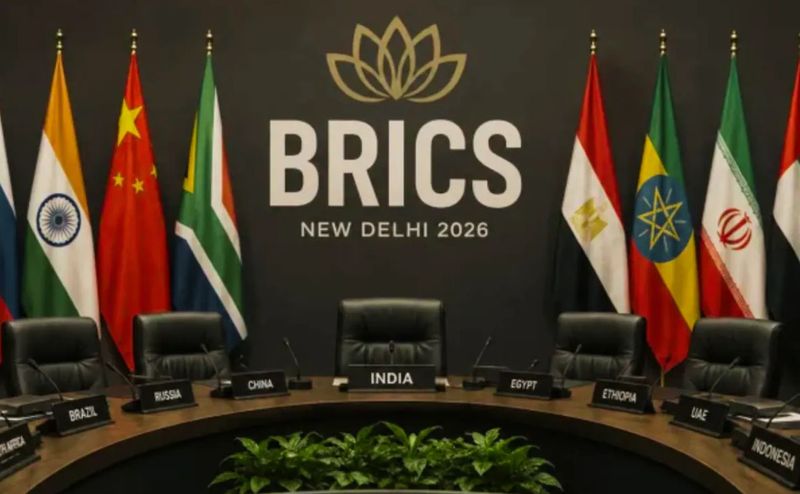
An analysis of India’s BRICS presidency argues that its real impact lies beyond the New Delhi Declaration, including diplomatic engagement, security cooperation, institutional continuity, economic partnerships, and a stronger voice in global governance.
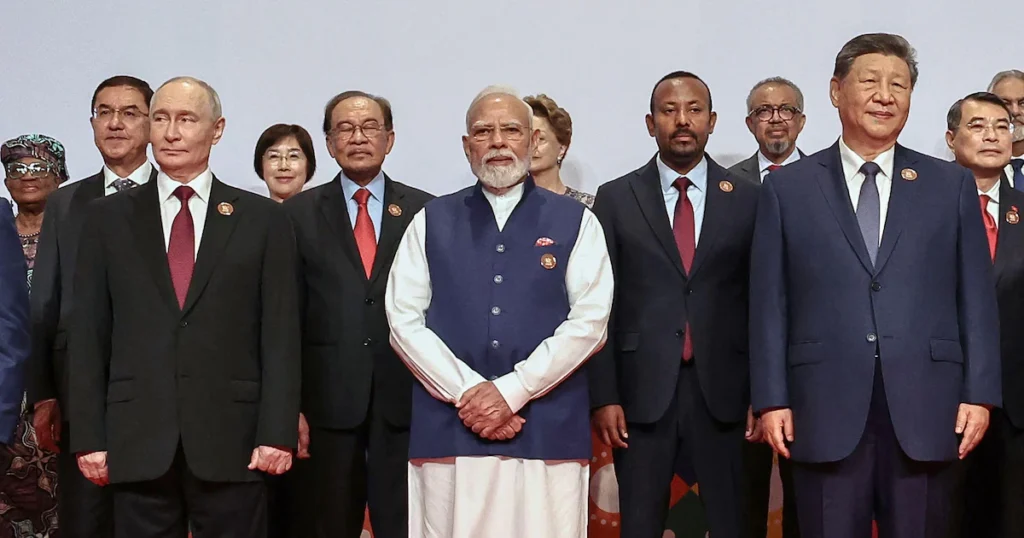
The 18th BRICS summit took place in India on September 12 and 13, with President Lula absent and Chinese President Xi Jinping making his first visit to India in seven years.
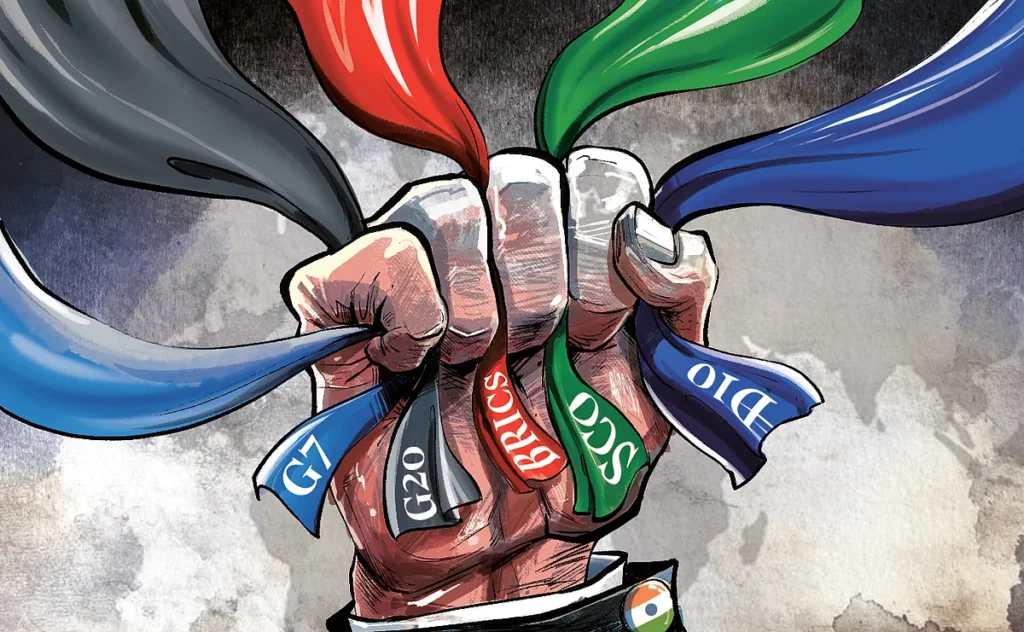
An opinion piece examines how BRICS and SCO have evolved into platforms for multipolar cooperation and how India can bridge East, West and the Global South.

The BRICS New Delhi Declaration shows incremental progress on local-currency trade while highlighting strategic choices facing India.
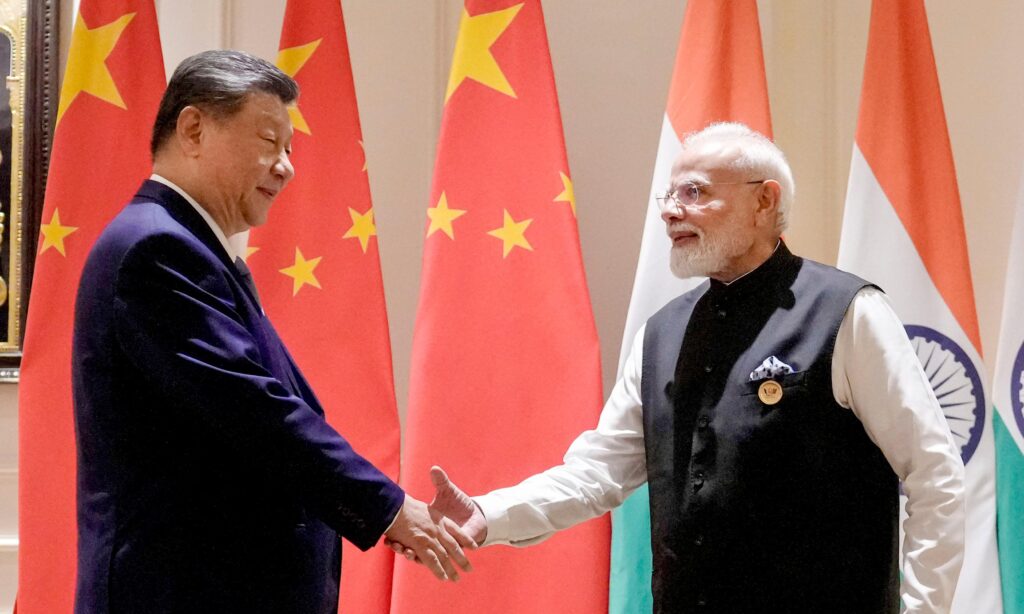
India strengthened BRICS consensus at its 20th-anniversary summit, but China’s chairmanship will test cohesion and Global South agency.
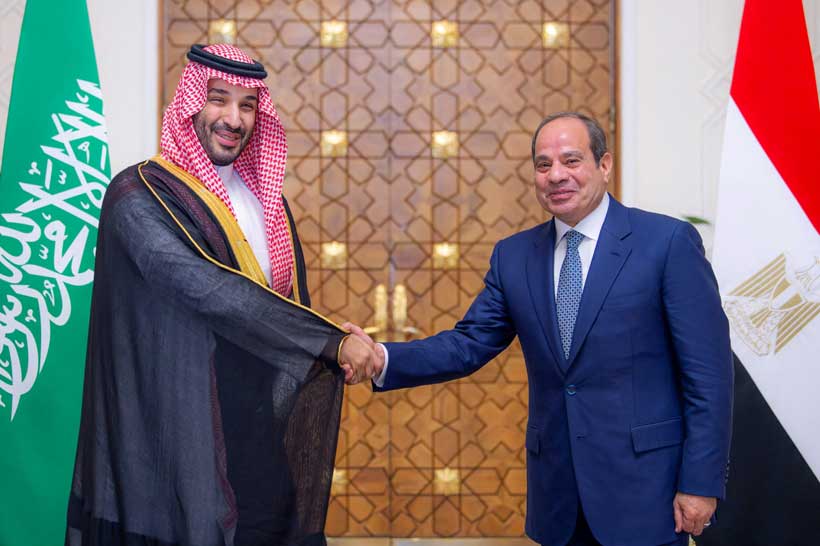
Chinese strategic analysts frame Saudi Crown Prince Mohammed bin Salman’s Cairo visit as supporting Red Sea security, Belt and Road interests, and BRICS economic cohesion.
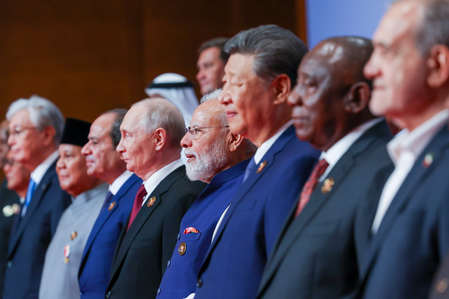
At the 18th BRICS Summit, India helped the expanded 11-member bloc reach a joint declaration by focusing on trade, technology, and Global South representation while avoiding blame on divisive geopolitical issues.