
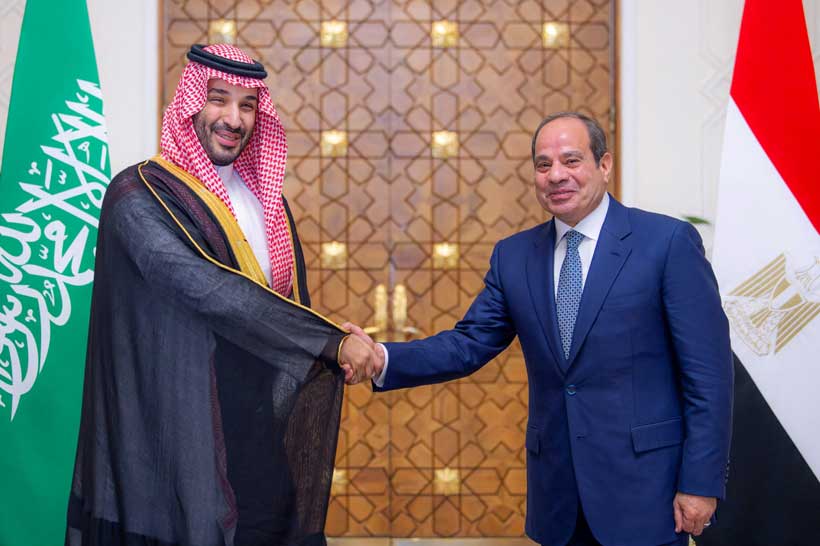
Why MBS’s Cairo Visit Matters for BRICS and the Global South
Chinese strategic analysts frame Saudi Crown Prince Mohammed bin Salman’s Cairo visit as supporting Red Sea security, Belt and Road interests, and BRICS economic cohesion.
Chinese strategic analysts frame Saudi Crown Prince Mohammed bin Salman’s Cairo visit as supporting Red Sea security, Belt and Road interests, and BRICS economic cohesion.
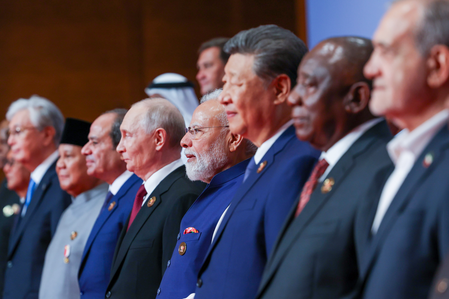
At the 18th BRICS Summit, India helped the expanded 11-member bloc reach a joint declaration by focusing on trade, technology, and Global South representation while avoiding blame on divisive geopolitical issues.
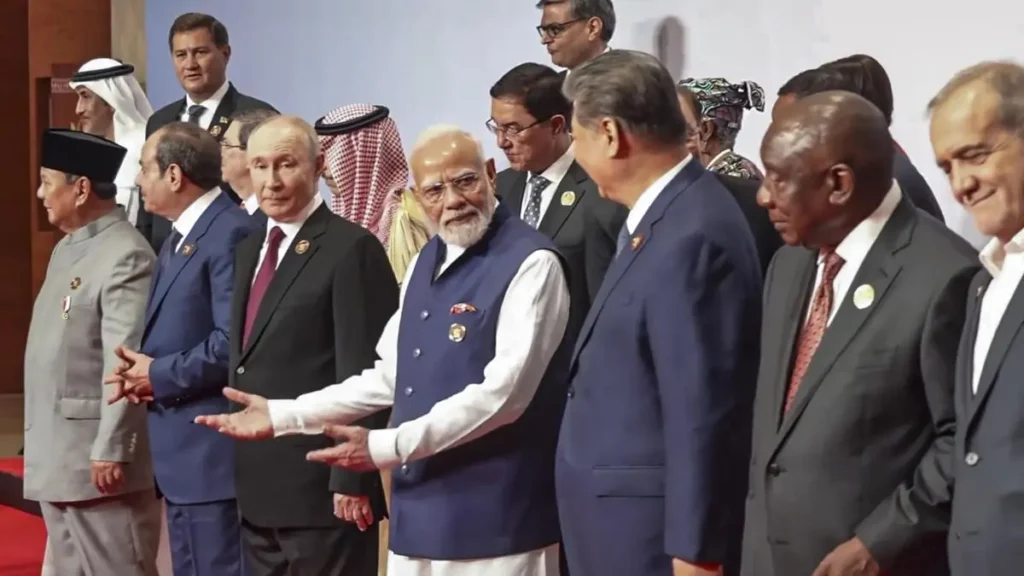
BRICS cross-border payments work has advanced through declarations, central-bank task forces and bilateral payment links, but the New Delhi summit stopped short of a bloc-wide currency or settlement system.
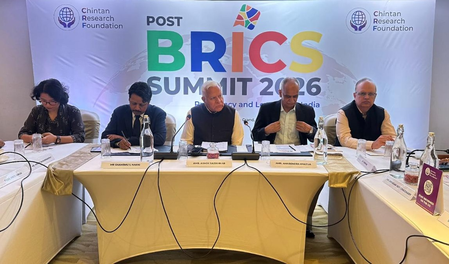
Experts said India’s BRICS presidency and the 18th BRICS Summit demonstrated New Delhi’s ability to convene an expanded grouping and build consensus on practical cooperation across trade, security, technology, finance and Global South engagement.
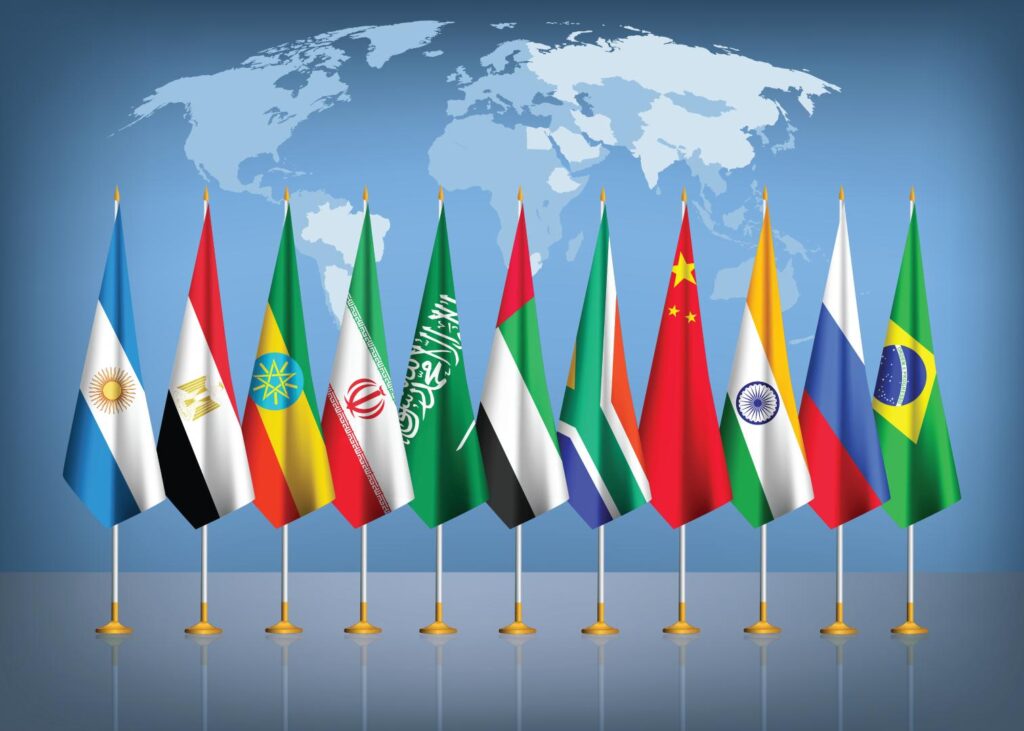
The article summarizes the main outcomes of the recent BRICS Summit, including calls for multilateral reform, local-currency trade, regional diplomacy, counter-terrorism consensus, and cooperation on AI and climate issues.
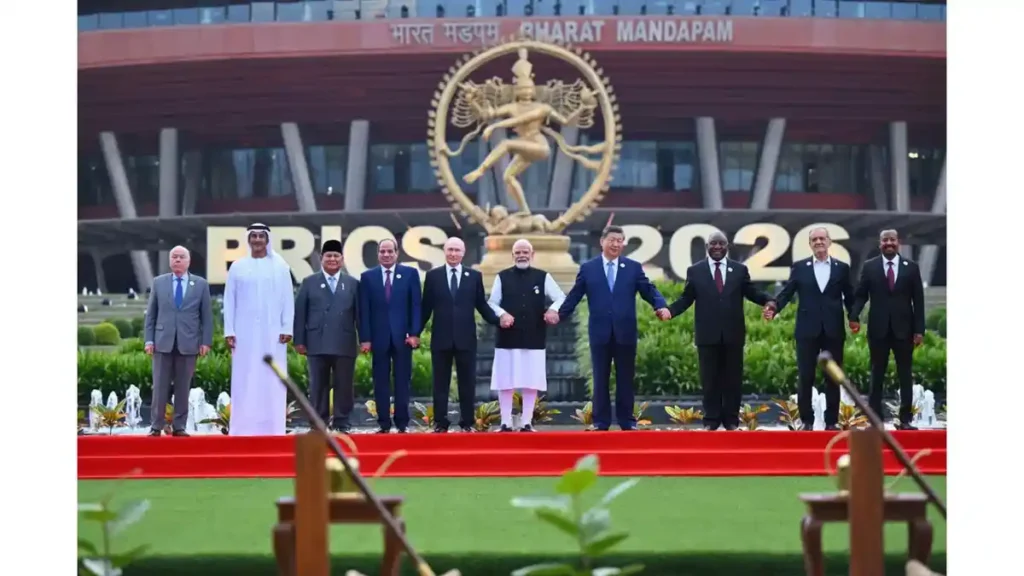
BRICS leaders discussed expanding local-currency trade and cross-border payment systems, while experts highlighted obstacles to replacing the US dollar.
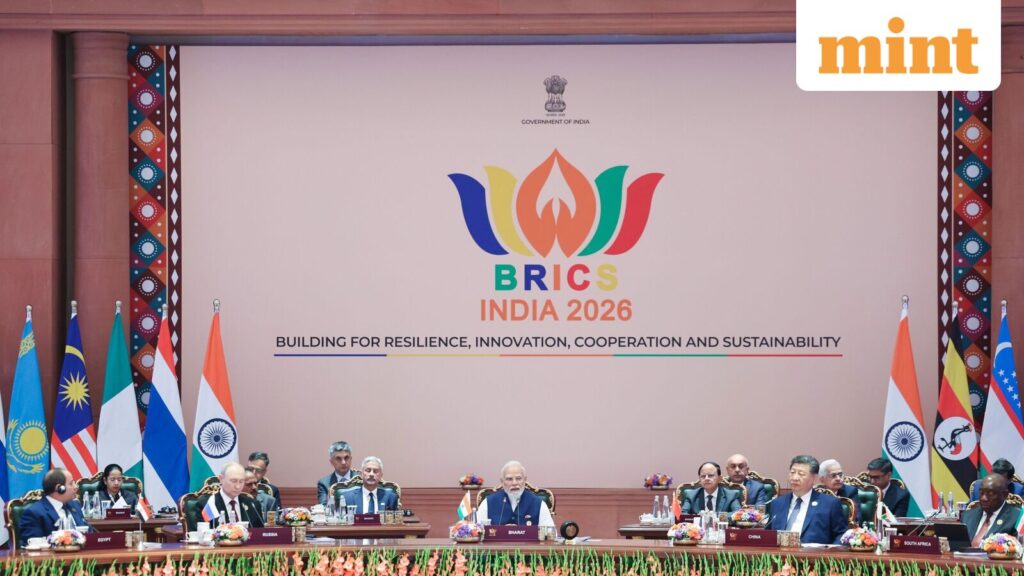
The BRICS New Delhi Declaration, adopted under India’s chairship, outlines an actionable agenda for business and developing economies, but implementation through working groups, action plans, and pilot projects will determine its impact.
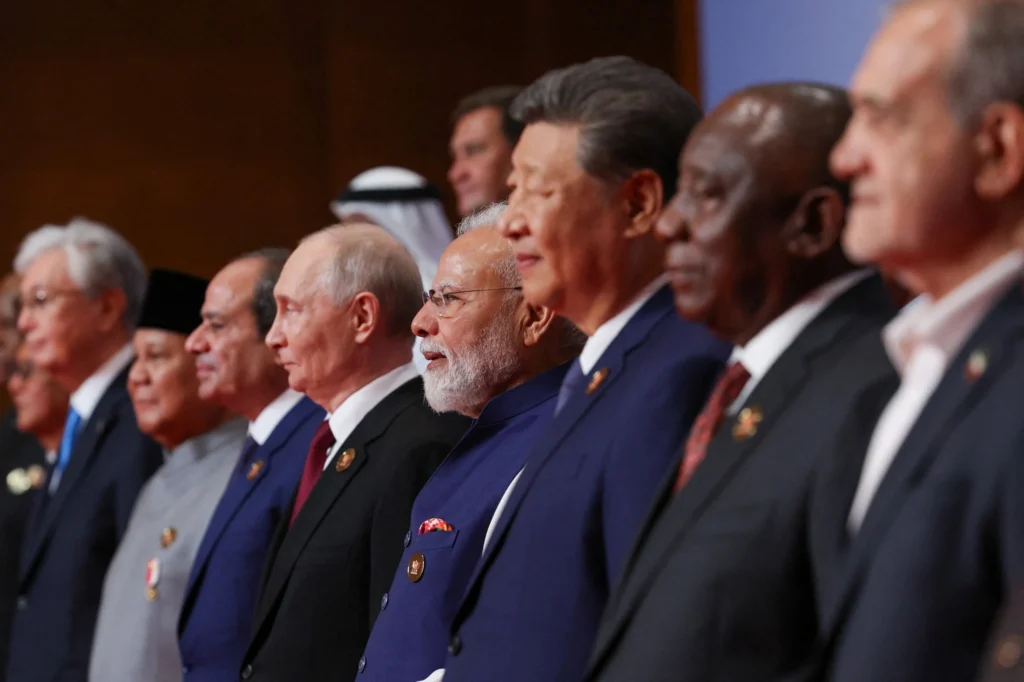
As BRICS expansion strengthens the bloc’s geopolitical weight, it also tests its cohesion in an increasingly unstable international environment.
India’s engineering export promotion body urged BRICS nations to remove non-tariff barriers and streamline cross-border payments to boost trade.