

BRICS and the New Global Order
The 18th BRICS Summit in New Delhi highlighted the grouping’s role as a platform for global governance, economic diversification, and technology cooperation while managing internal divergences.
The 18th BRICS Summit in New Delhi highlighted the grouping’s role as a platform for global governance, economic diversification, and technology cooperation while managing internal divergences.

Former Romanian foreign minister Adrian Severin said recent BRICS and SCO meetings reflect a deep shift in the global balance of power.

Strategic affairs experts praised the BRICS Summit’s New Delhi declaration as a diplomatic breakthrough for India and an endorsement of its stance on terrorism, while noting consensus was forged despite differences between Iran and the United Arab Emirates.
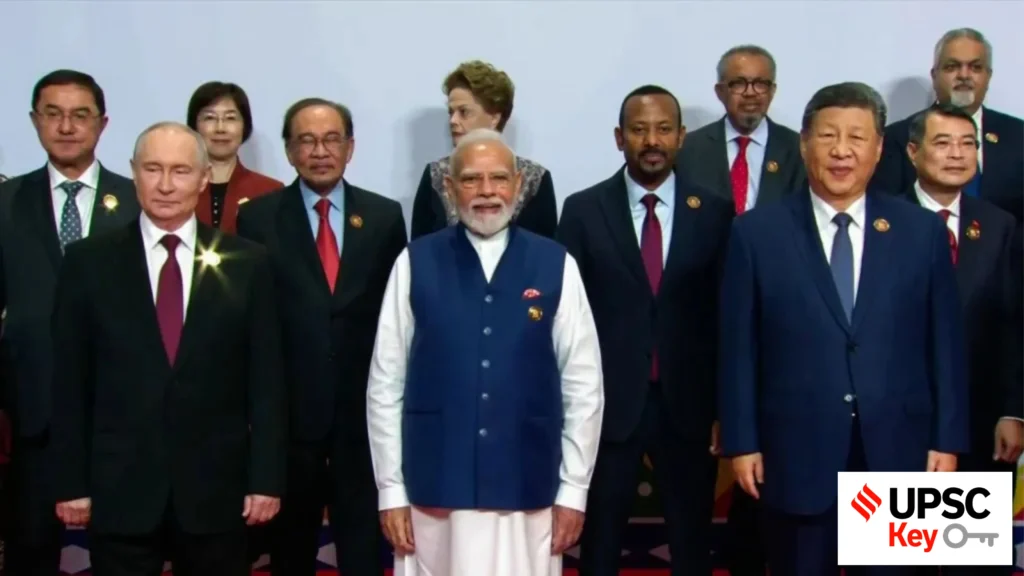
The New Delhi summit produced shared positions on trade, security and artificial intelligence while launching new cooperation mechanisms across technology, health, logistics, agriculture and innovation.
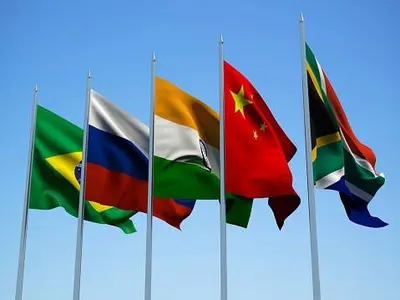
The article argues that BRICS is becoming a practical economic and diplomatic platform, with India and South Africa positioned to deepen cooperation in trade, finance, industrialisation, technology and shared development.
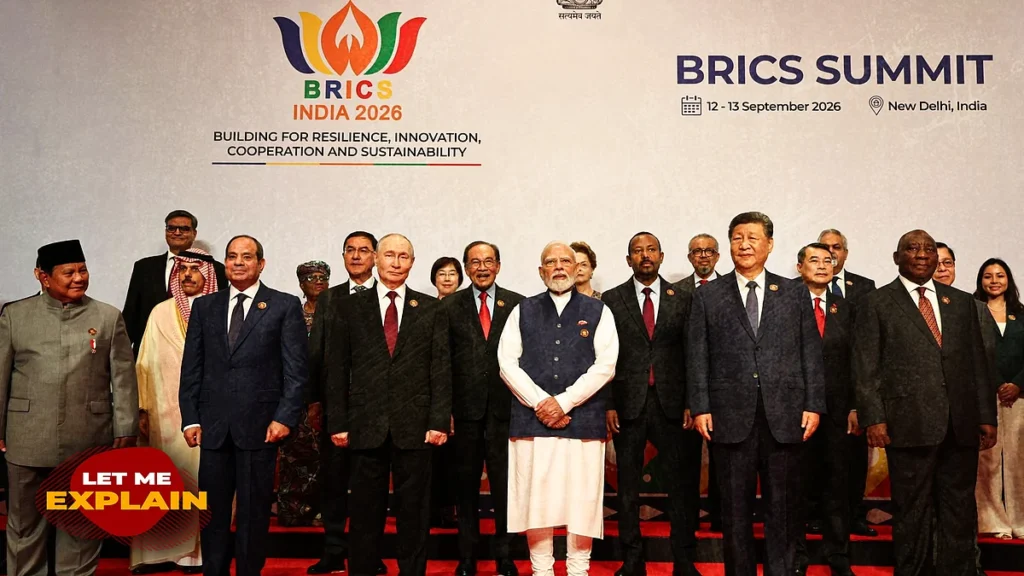
An overview of BRICS, its membership, and the key outcomes of the 18th BRICS Summit in New Delhi, including the 140-paragraph New Delhi Declaration.
An analysis argues that BRICS has taken up practical global governance files on climate adaptation, early warning systems, and asset recovery as the G20 agenda narrows.
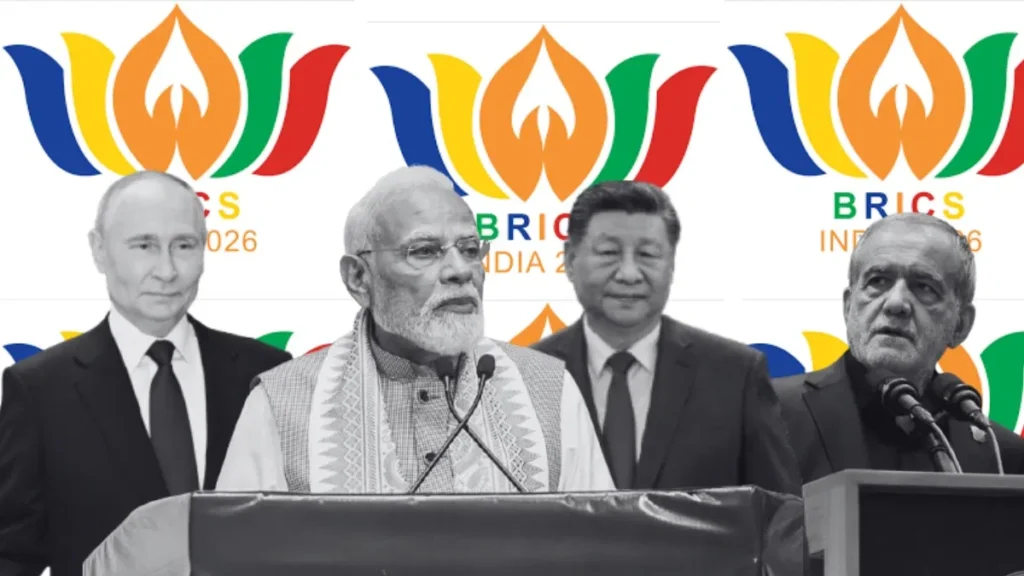
The 18th BRICS Summit in New Delhi brought together leaders from China, Russia, South Africa and other member states, strengthening India’s role in coordinating dialogue among emerging economies.
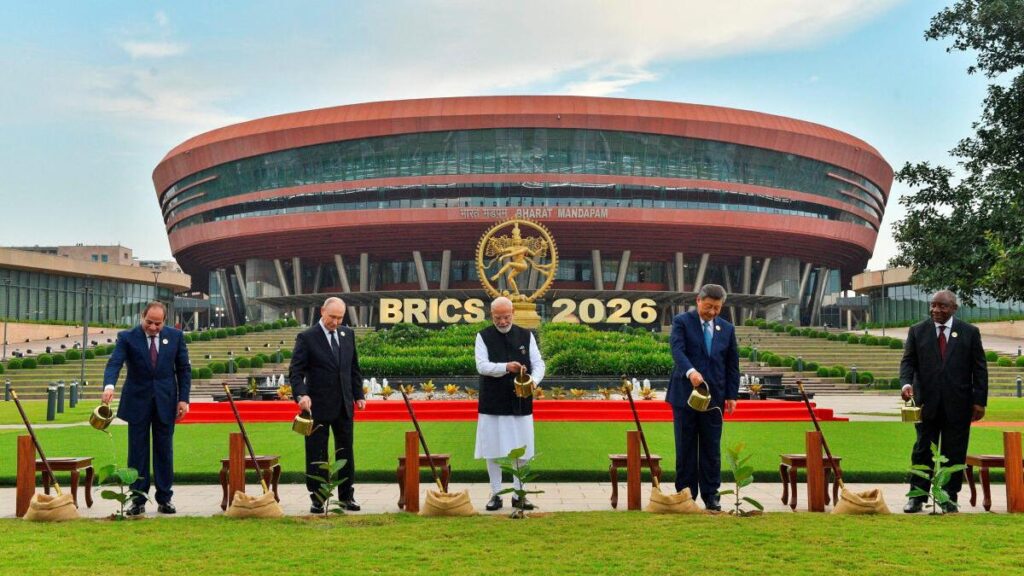
India hosted the 18th BRICS summit in Delhi amid West Asia conflict, using the grouping to balance ties with the U.S., Israel, Russia, China, and Iran.