
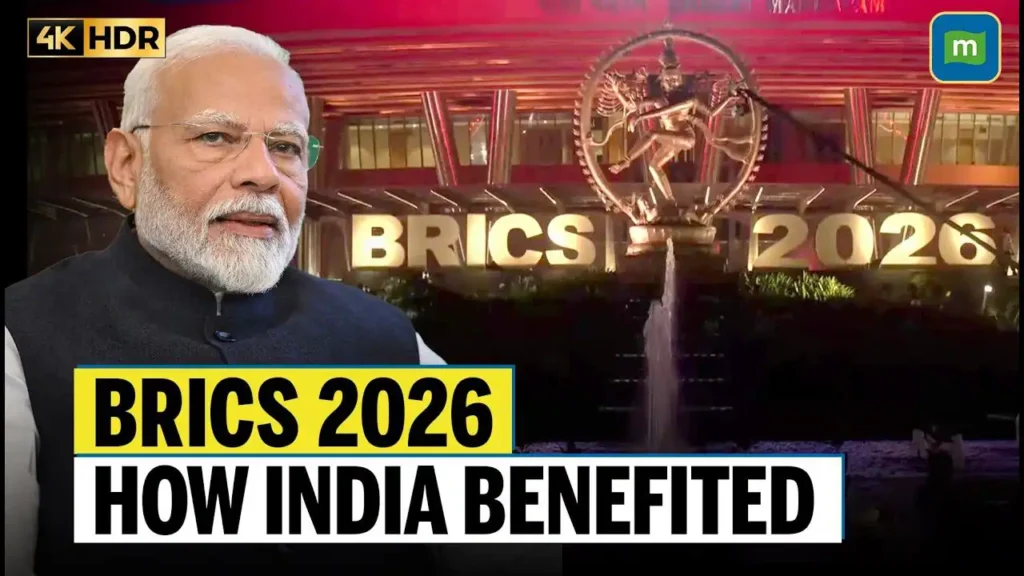
BRICS Summit 2026: Key Takeaways for India
The 18th BRICS Summit in New Delhi highlighted India’s role in steering the expanded grouping toward cooperation, digital public infrastructure, local-currency trade, and global institutional reform.
The 18th BRICS Summit in New Delhi highlighted India’s role in steering the expanded grouping toward cooperation, digital public infrastructure, local-currency trade, and global institutional reform.
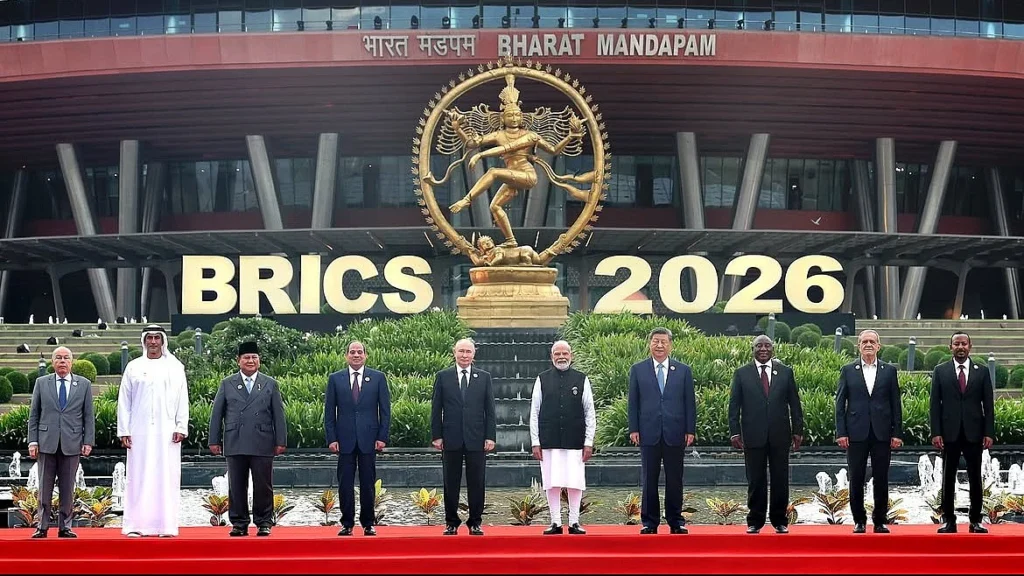
Analysis of how the New Delhi BRICS Summit and its member states’ diplomatic reach could support crisis management in West Asia, protect shipping and energy routes, and limit global economic fallout.
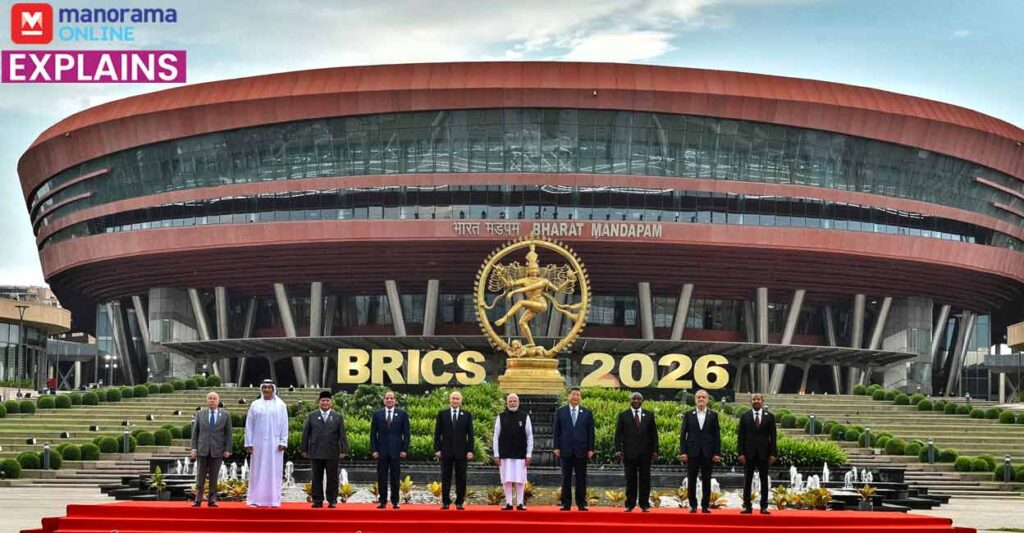
An explainer on BRICS after India hosted the summit, covering its membership, expansion, institutions, joint declaration, New Development Bank, and role in the global economy.
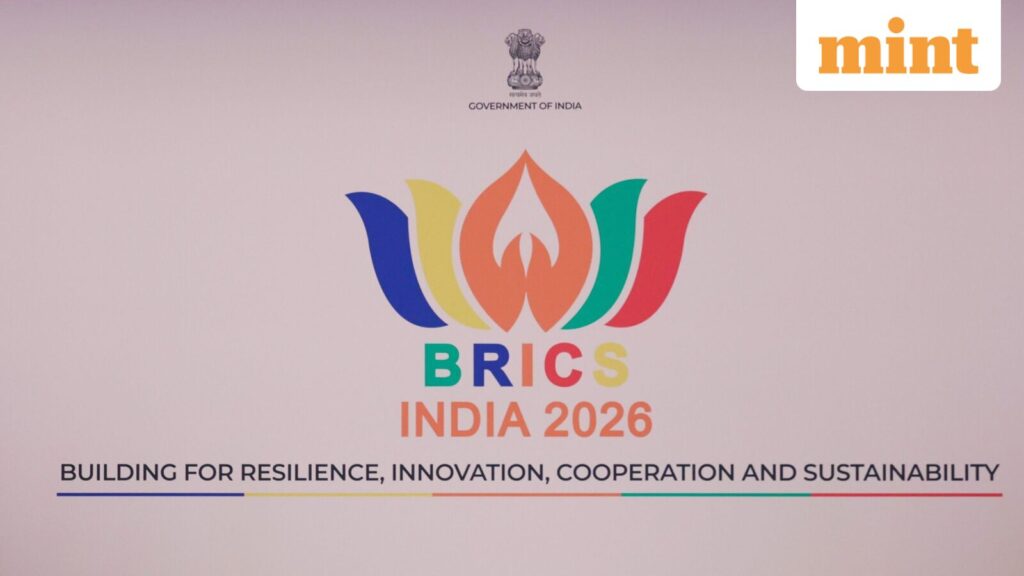
An analysis of India’s BRICS presidency argues that the New Delhi Declaration could matter if it helps make climate and emerging-market finance more bankable, de-risked and attractive to capital.
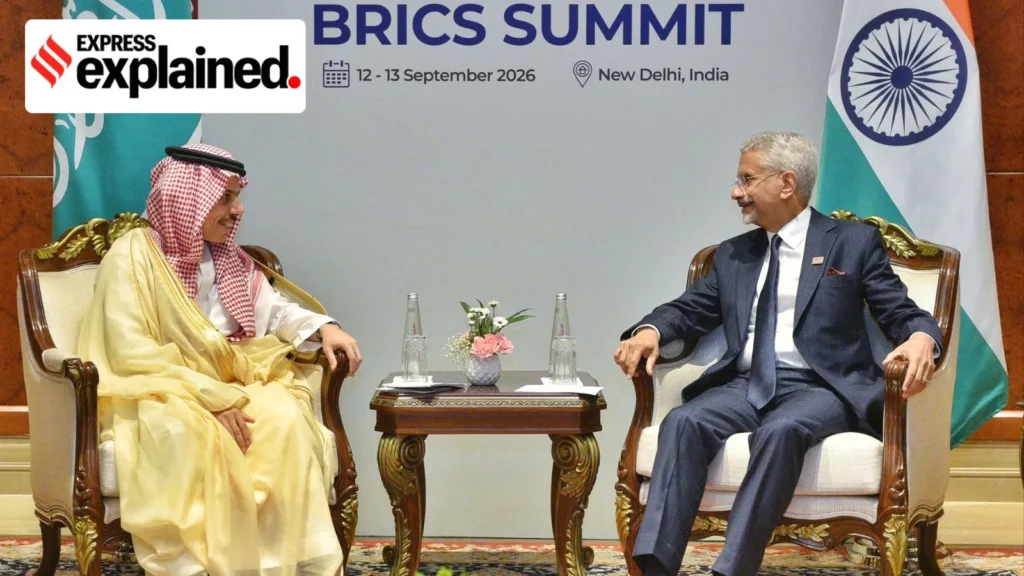
Saudi Arabia is deepening economic and diplomatic ties with BRICS and India while keeping formal membership unresolved as it balances its strategic relationship with the United States.
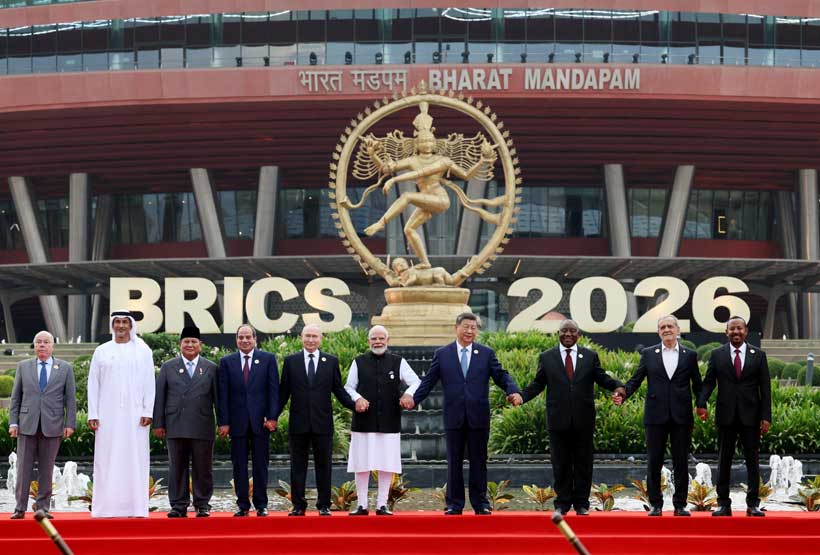
India’s BRICS presidency shaped a consensus-based New Delhi Declaration, emphasizing an inclusive, non-confrontational orientation and practical cooperation across multiple sectors.

Iranian Foreign Minister Abbas Araghchi said Iran is working on joining the New Development Bank established by BRICS, while no timeline or formal application details were provided.
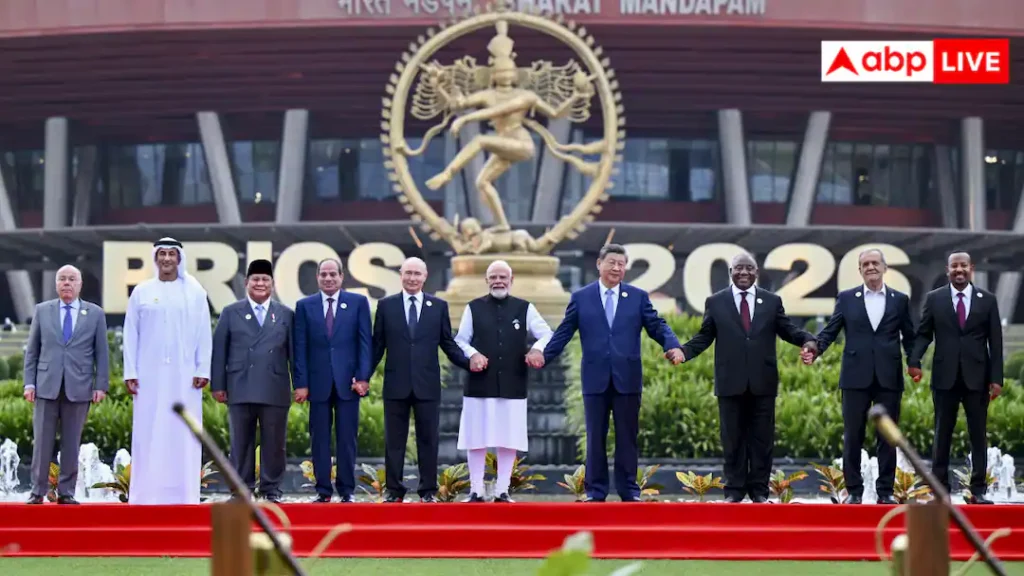
Strategic experts said the BRICS joint declaration adopted in New Delhi reflected India’s diplomatic success, including consensus among members and support for zero tolerance against terrorism.
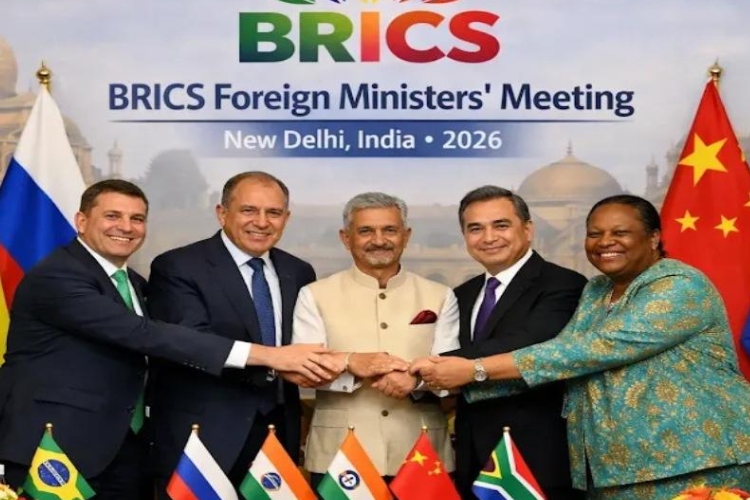
BRICS adopted a 140-point New Delhi Declaration at its 18th summit, addressing Middle East tensions, unilateral sanctions, Gaza, global governance reform, trade, finance, artificial intelligence and climate.