
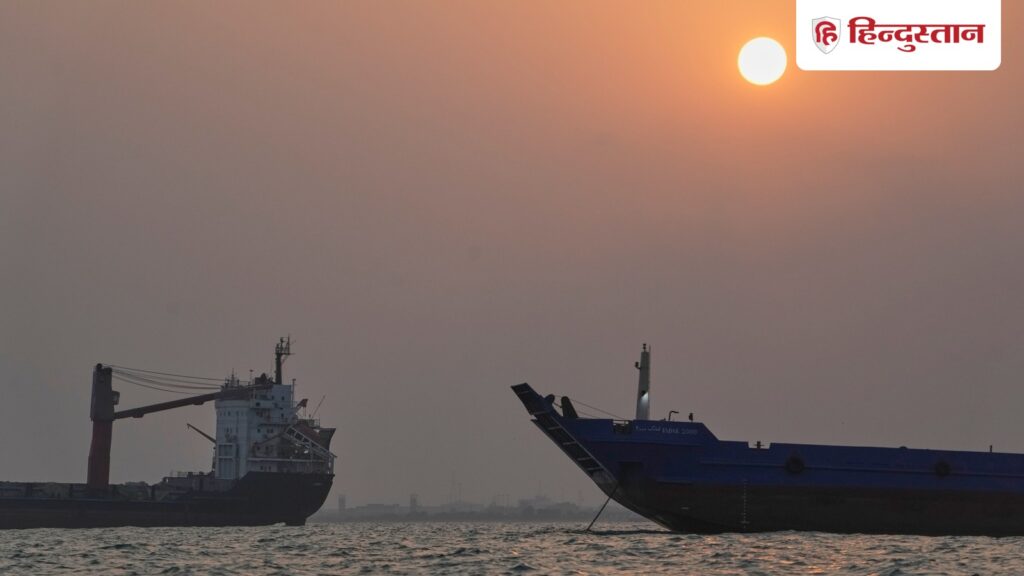
BRICS Issues Peace Appeal as Missile Attack Hits Ship in Strait of Hormuz
A missile attack on a commercial vessel in the Strait of Hormuz and Houthi advances in the Red Sea followed within a day of the BRICS summit’s call for restraint in West Asia.
A missile attack on a commercial vessel in the Strait of Hormuz and Houthi advances in the Red Sea followed within a day of the BRICS summit’s call for restraint in West Asia.
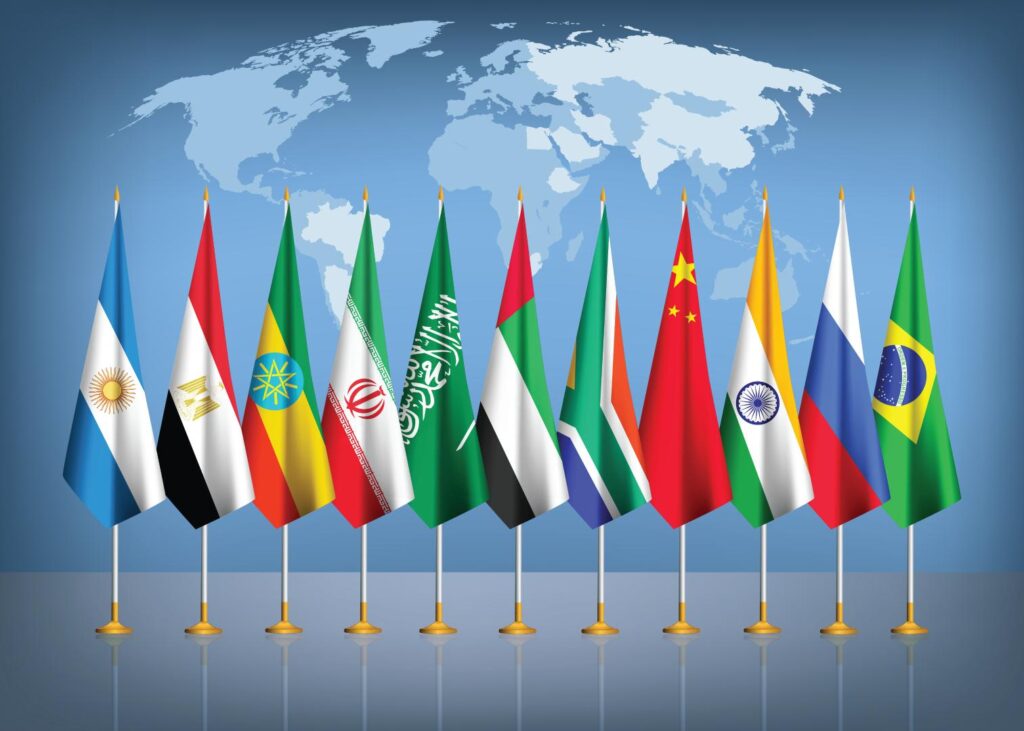
An analytical article examines India’s BRICS presidency and argues for pragmatic economic cooperation in trade, finance, supply chains, critical minerals and maritime logistics.
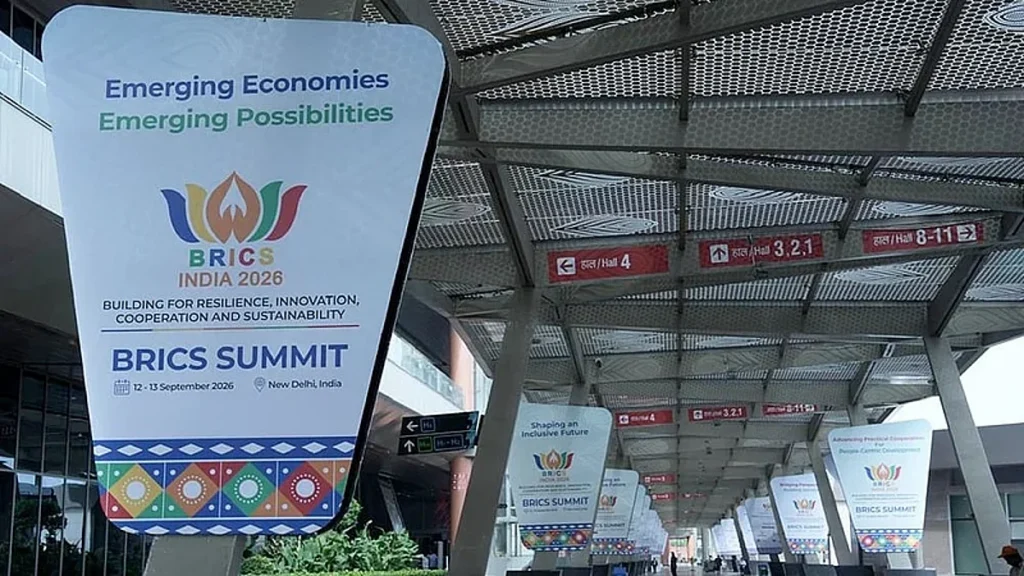
The Delhi Declaration tests whether BRICS can convert consensus among diverse emerging powers into practical cooperation.
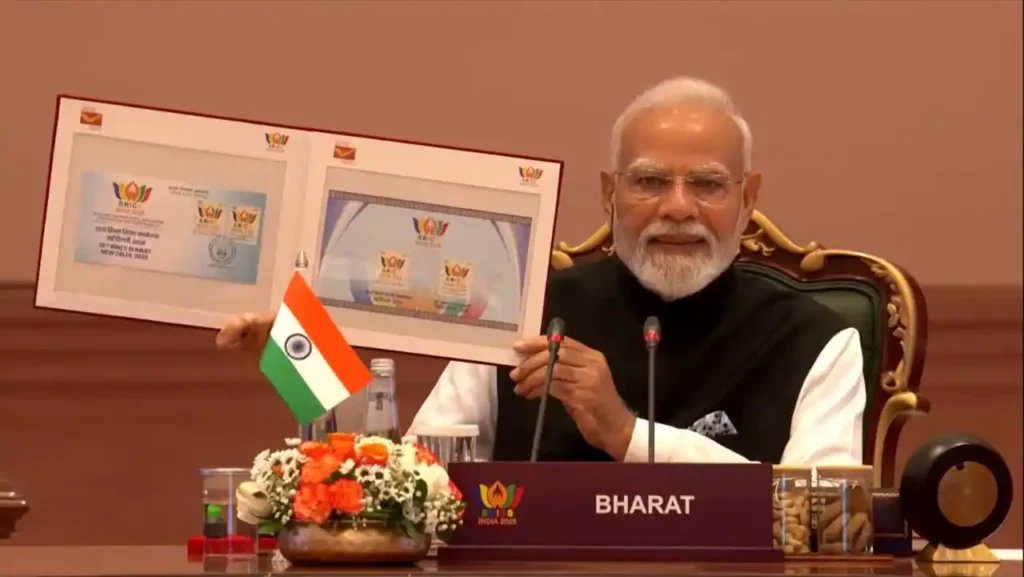
India’s 2026 BRICS chairship moved the grouping from a May foreign ministers’ deadlock to a unanimous September New Delhi Declaration through multi-level consultations and consensus language.
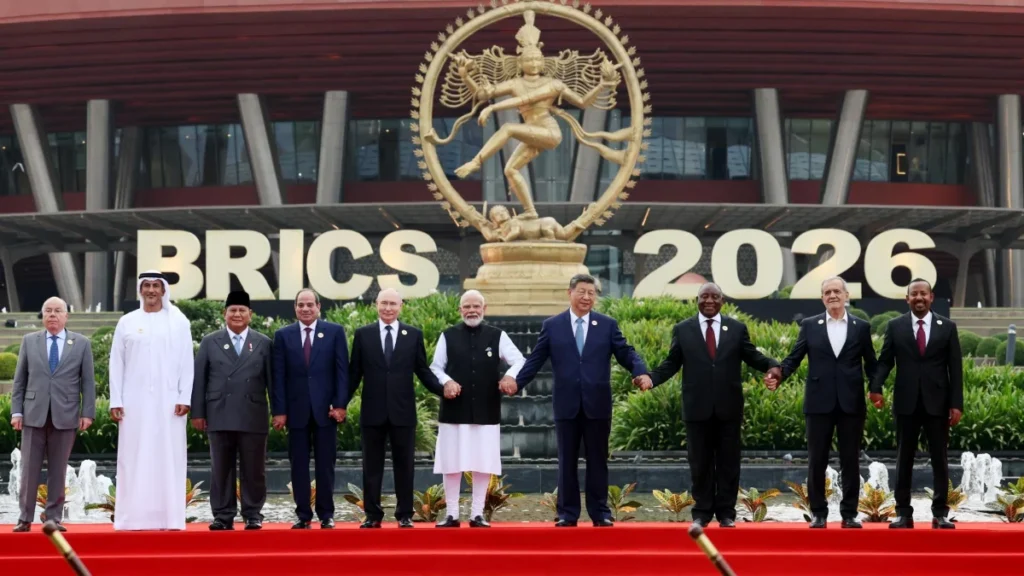
BRICS also expressed serious concern over deliberate attacks on civilian infrastructure and peaceful nuclear facilities under IAEA safeguards.
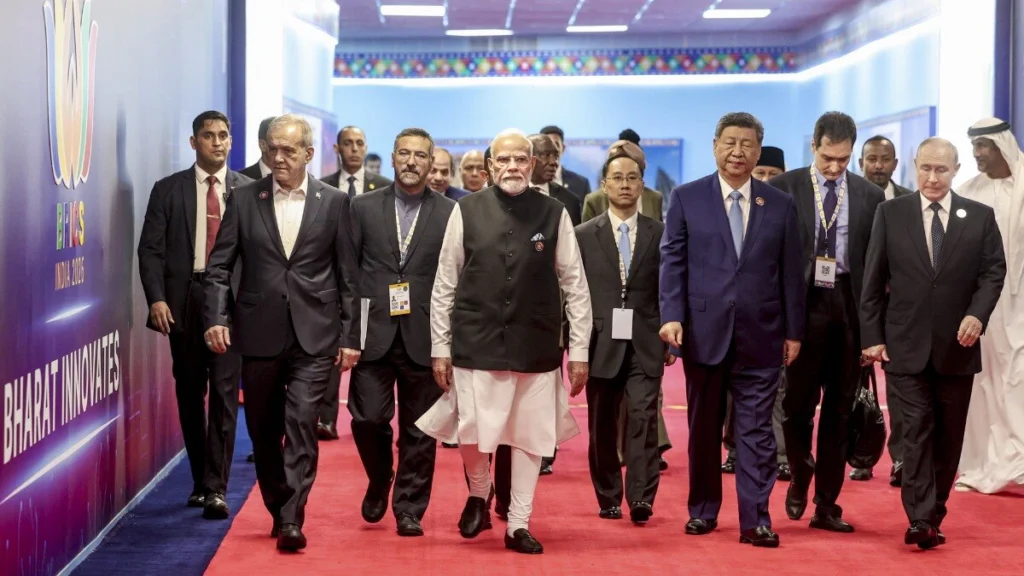
BRICS leaders in the New Delhi Declaration rejected unilateral, punitive and discriminatory measures such as CBAM, saying they could harm developing countries’ climate capacity and exports in steel, cement, fertilizer and aluminum.
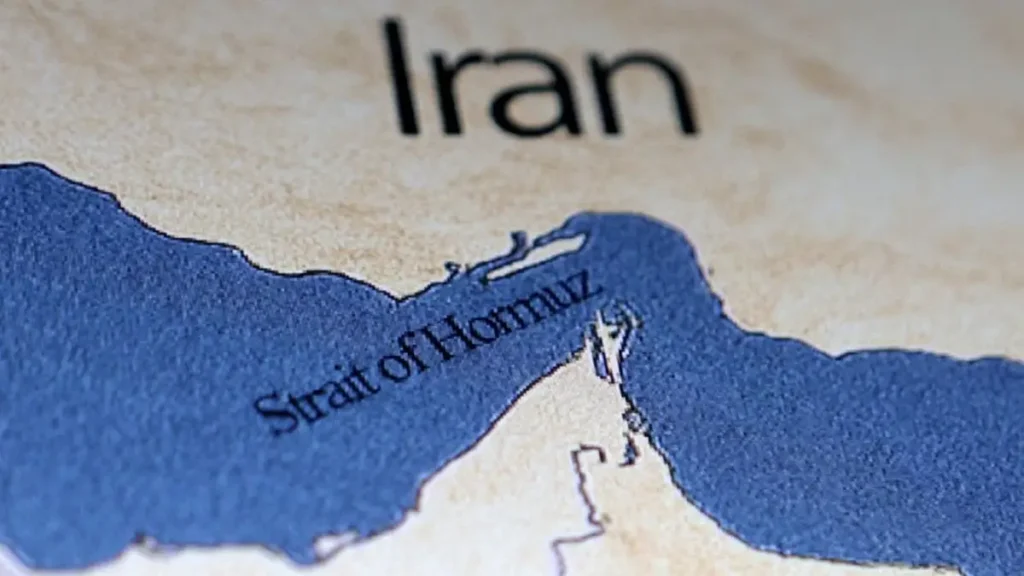
Iran and Oman agreed on new entry and exit routes for the Strait of Hormuz, while BRICS leaders discussed West Asia, sanctions, and alternative cooperation at the 18th BRICS Summit.
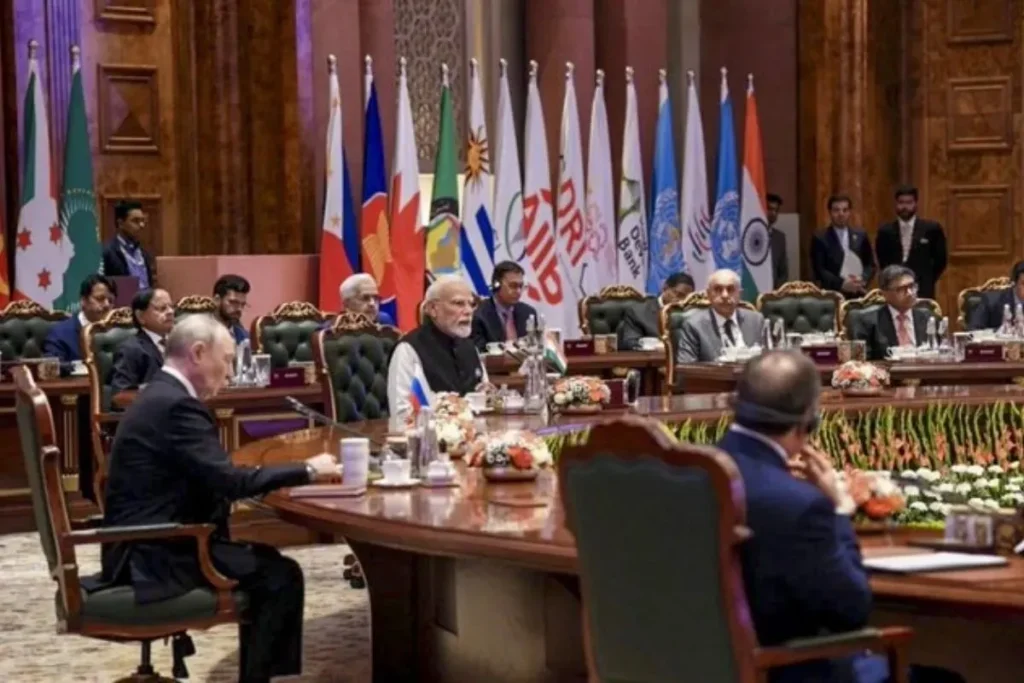
BRICS members agreed to work together to maintain smooth global energy supply, trade, and supply chain flows amid Middle East tensions and crude oil prices briefly crossing $108 per barrel.

The article highlights India’s role in securing consensus among BRICS members, including Iran and the UAE, and outlines key points of the New Delhi Declaration on West Asia, trade, and Global South representation.