
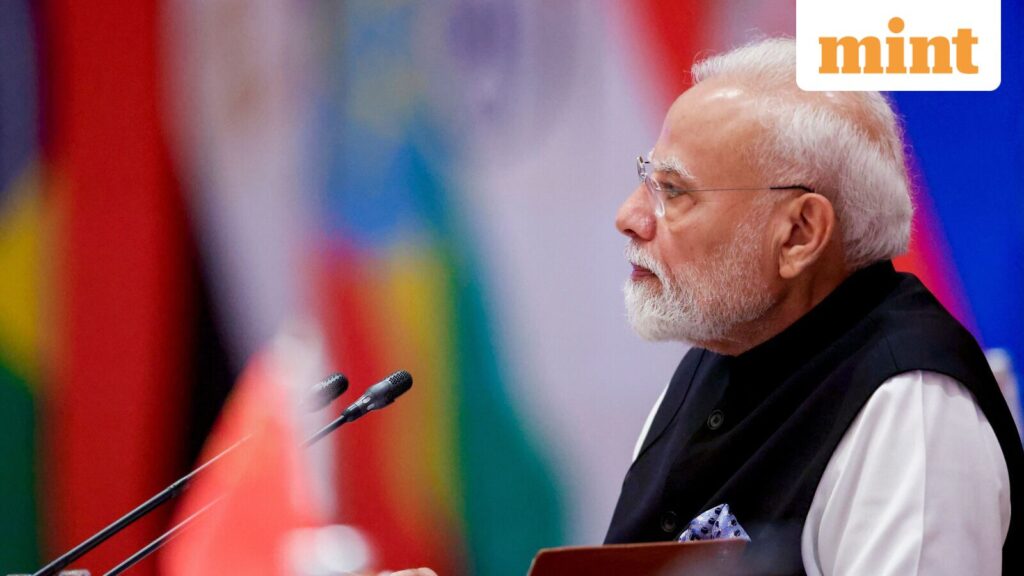
PM Modi calls for global governance reforms at BRICS leaders’ meeting
India’s Prime Minister urged BRICS to reform global governance, emphasizing greater representation for the Global South and proposing a roadmap for reforms by 2027.
India’s Prime Minister urged BRICS to reform global governance, emphasizing greater representation for the Global South and proposing a roadmap for reforms by 2027.
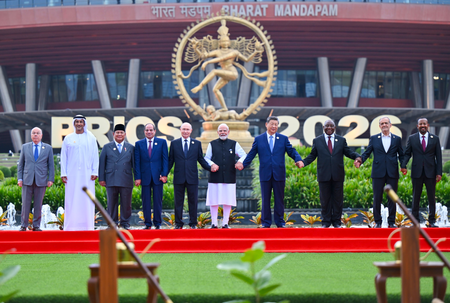
BRICS leaders adopted the 2026 New Delhi Declaration at the 18th BRICS Summit, calling for diplomacy, conflict prevention, disarmament, and multilateral cooperation amid rising global tensions.
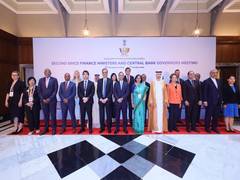
The BRICS-NDB Knowledge Portal was launched in Mumbai during the second meeting of BRICS Finance Ministers and Central Bank Governors, with India’s Reserve Bank Governor emphasizing stronger collective capacities, innovation, and sustainable development.
India’s External Affairs Ministry said BRICS leaders at the 18th Leaders’ Summit in New Delhi broadly agreed on strengthening multilateralism, reforming global governance, and promoting peaceful resolution of conflicts.
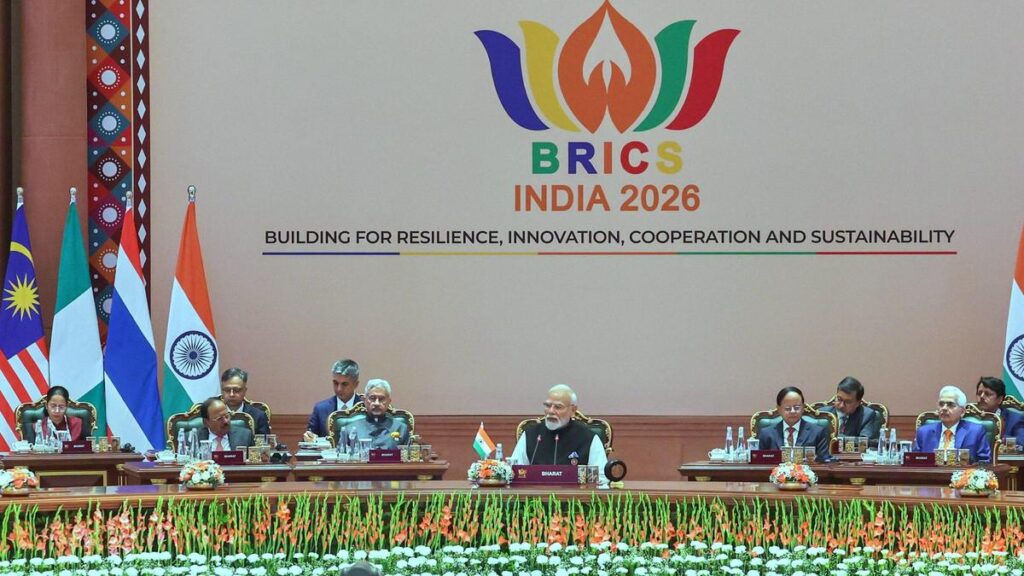
The BRICS New Delhi Declaration emphasized MSME development, trade finance, WTO accession support for Ethiopia and Iran, and reforms of global economic institutions.

The Andhra Pradesh MedTech Zone is leading a BRICS BioDesign Programme aimed at advancing cross-border healthcare innovation and medical technology among member nations.
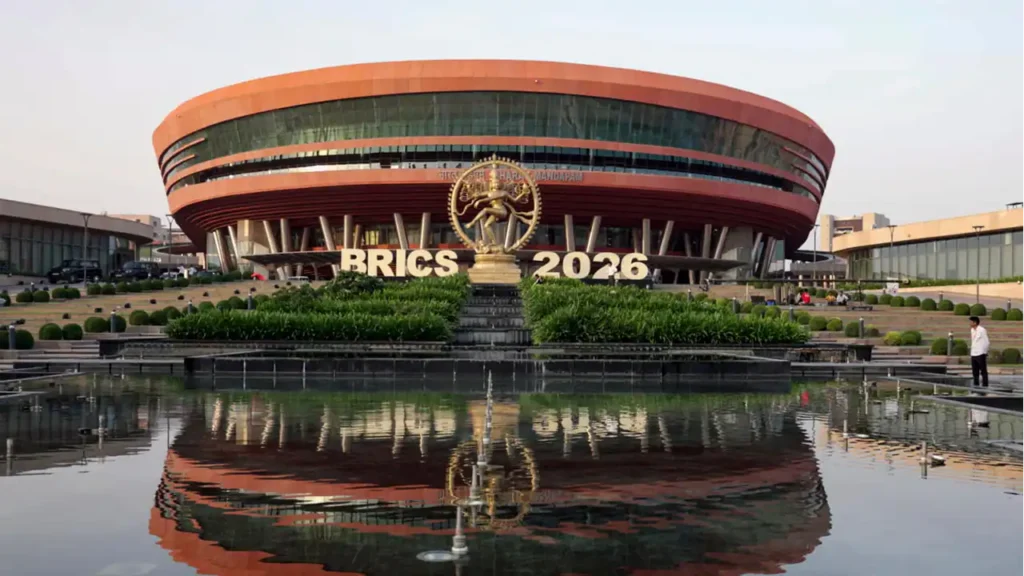
The New Delhi Declaration confirms China will chair BRICS in 2027 and host the 19th BRICS Summit, while Chinese President Xi Jinping’s visit to New Delhi also highlights India-China bilateral discussions.
A Russian official and President Vladimir Putin said BRICS has become a major driver of global economic growth, citing more than 40% of world GDP over the past five years.
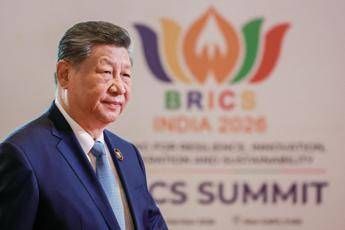
At the BRICS summit in New Delhi, Chinese President Xi Jinping called on the 11 member countries to reject protectionism and support the multilateral trading system, while Russian President Vladimir Putin and the BRICS joint declaration addressed global peace, energy security, trade flows and nuclear risks.