
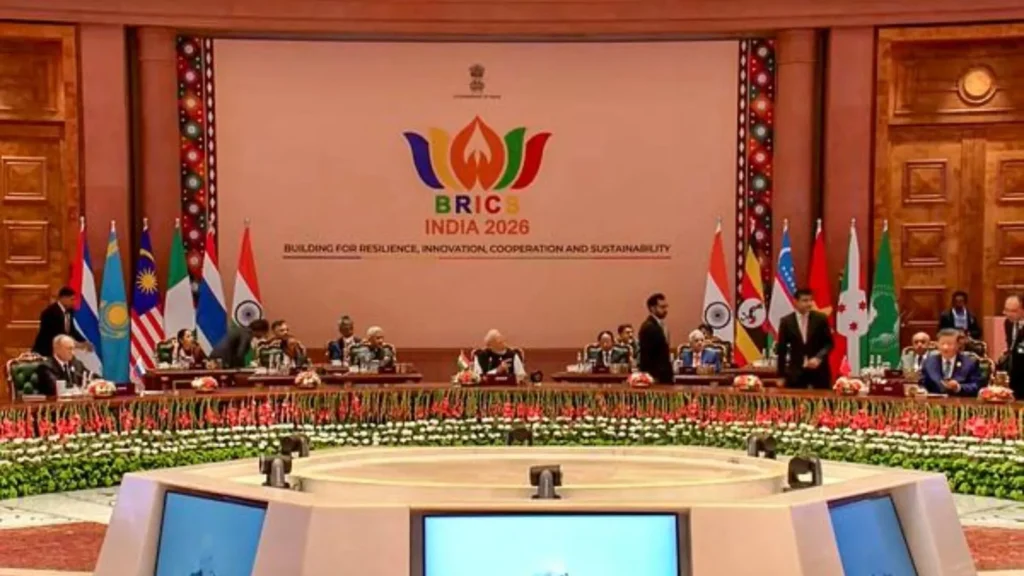
BRICS leaders back AI in education and push for global university ranking system
BRICS leaders endorsed education cooperation, traditional knowledge systems, safe use of AI, and exploration of a BRICS university global ranking and evaluation system.
BRICS leaders endorsed education cooperation, traditional knowledge systems, safe use of AI, and exploration of a BRICS university global ranking and evaluation system.
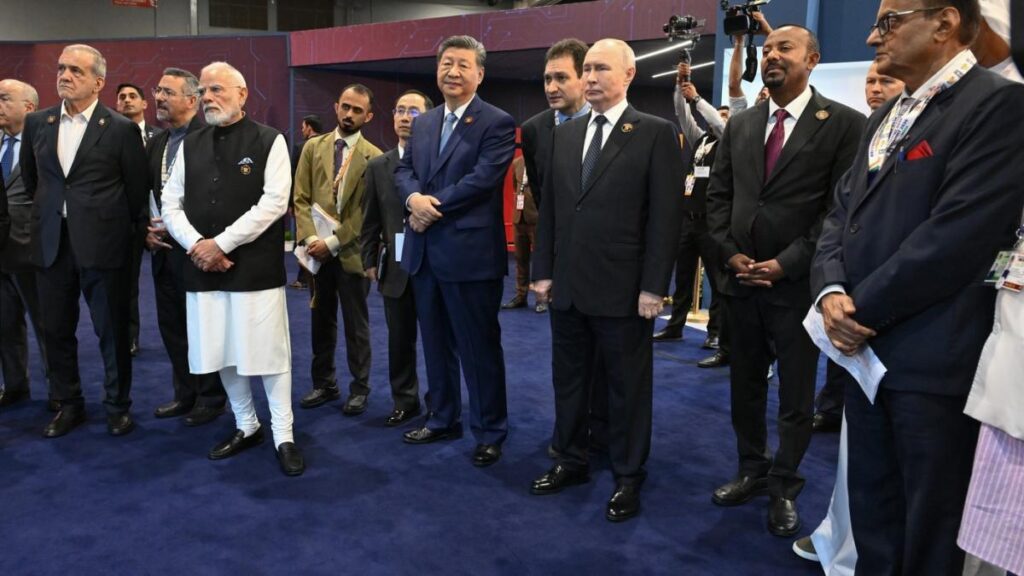
BRICS member states adopted a joint statement at their New Delhi summit urging maximum restraint in the Middle East and warning against actions that could worsen the situation.
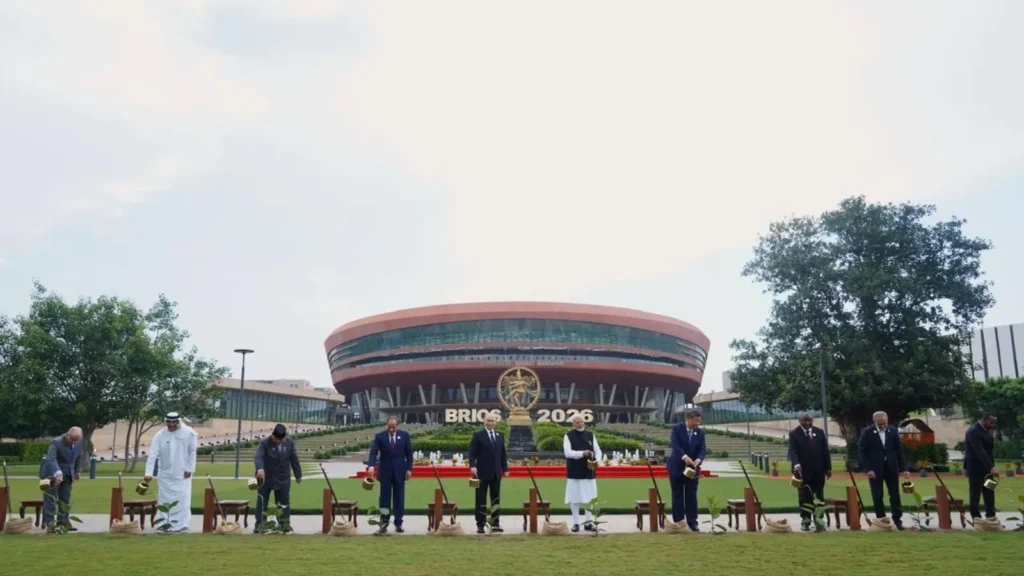
BRICS countries agreed in a joint declaration to deepen cooperation on sustainable transport, digital connectivity, public-private partnerships and the New Development Bank’s role, while opposing unilateral protectionist measures.
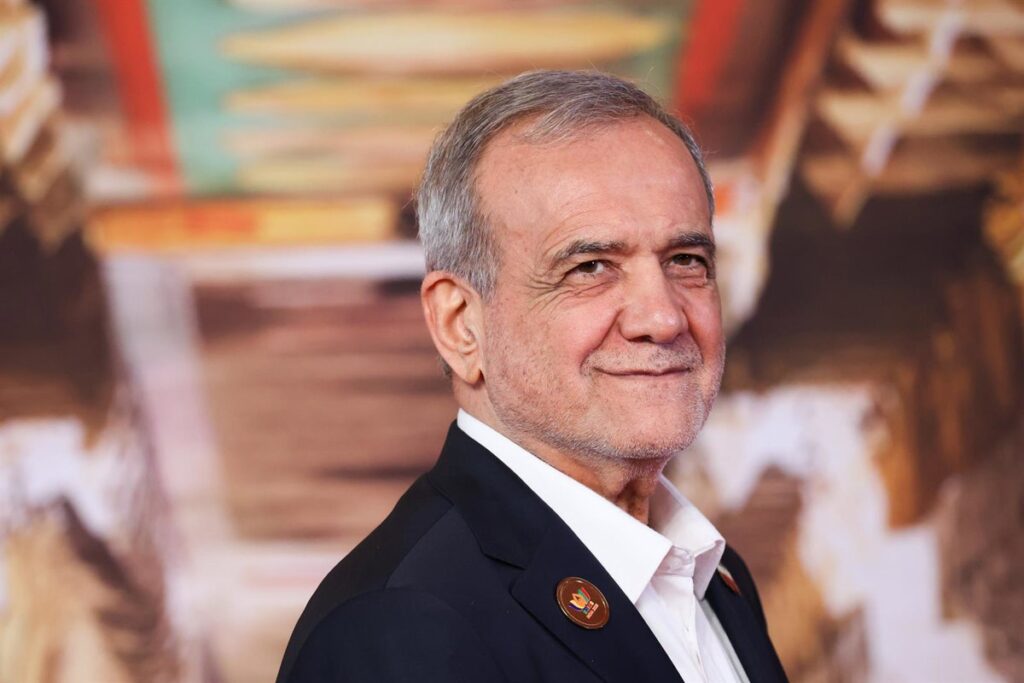
Iranian President Masoud Pezeshkian urged BRICS leaders to oppose attacks on nuclear facilities, take practical measures against unilateral sanctions, and play a more active role on Gaza.
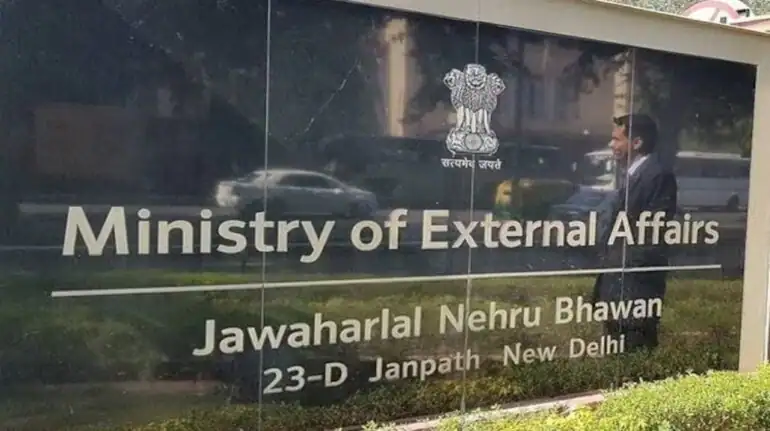
India’s Ministry of External Affairs said the BRICS Delhi Summit reflected a broader consensus-building effort among member states on global issues.
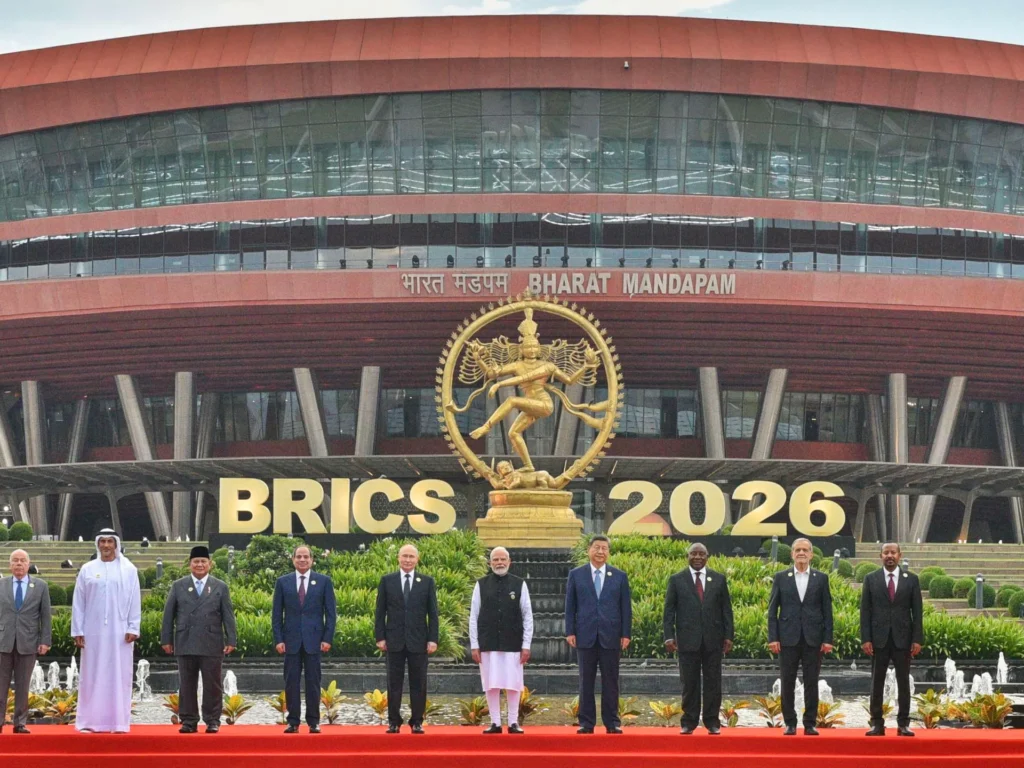
A BRICS summit criticized unilateral tariff and non-tariff measures distorting global trade and urged practical solutions for cross-border payments among its 11 members.
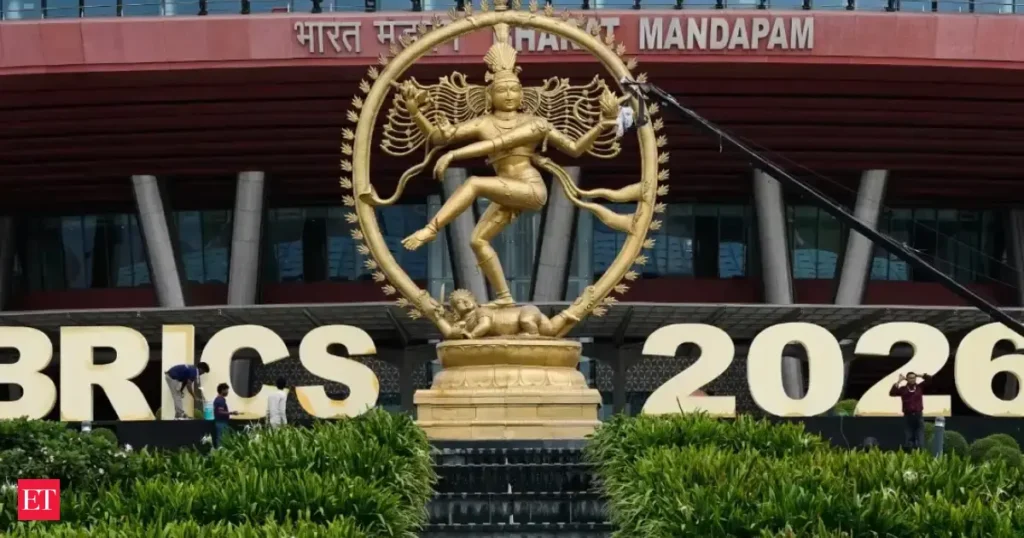
BRICS countries, through the New Delhi Declaration, backed the New Development Bank as a key institution for sustainable development, reducing inequality, and strengthening resilience in emerging economies.
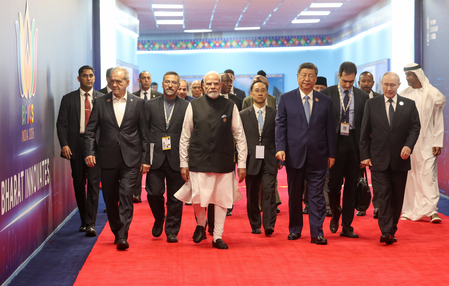
BRICS members adopted the New Delhi Declaration after the 18th BRICS Summit, reaffirming their commitment to multilateralism, UN-centered international law, and more inclusive global governance.
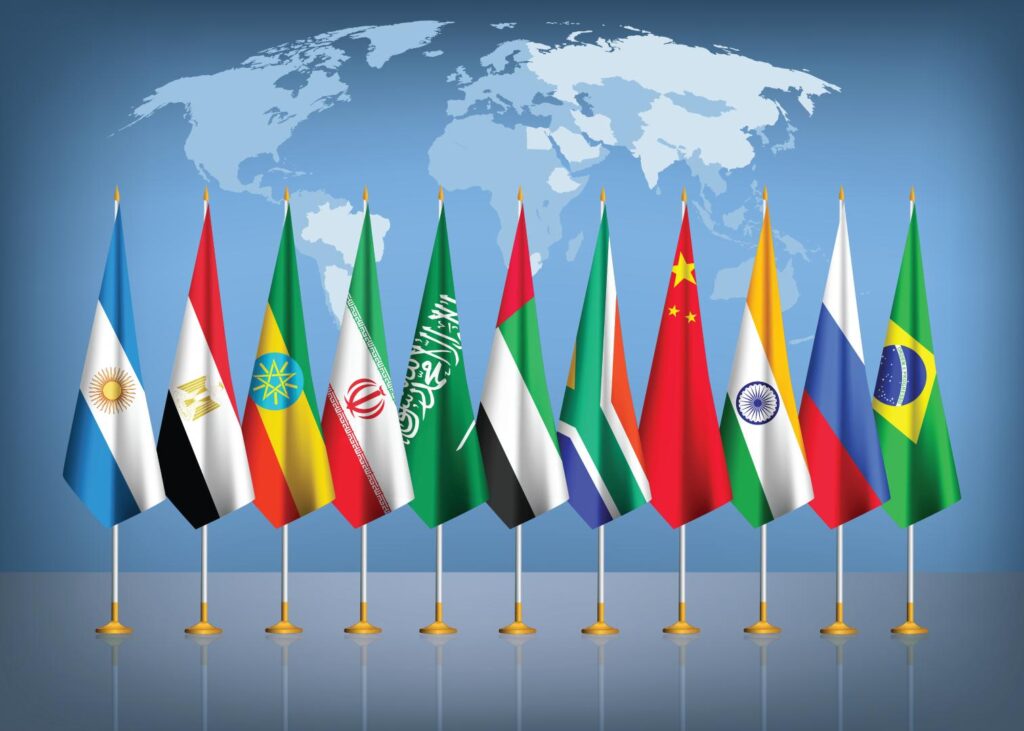
BRICS members adopt the New Delhi Declaration to deepen cooperation in science, education, innovation, and skills through shared research infrastructure, startup support, and university ranking initiatives.