
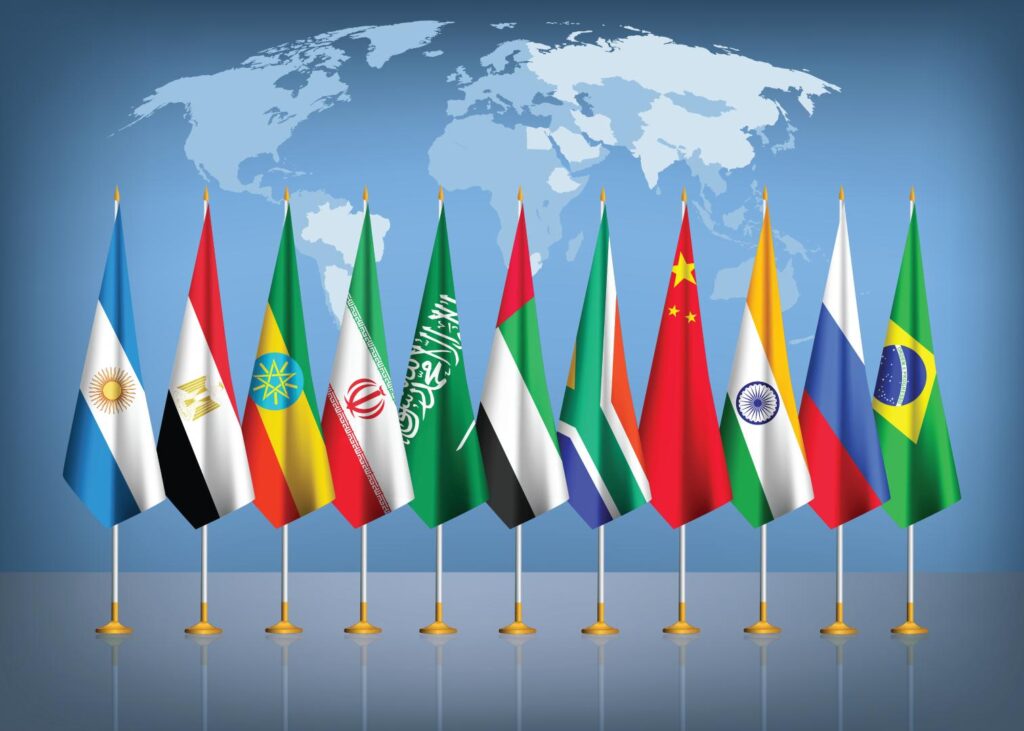
Expanded BRICS, Geopolitical Conflicts and Economic Ties Analyzed by Experts
A panel of geopolitical experts examined the diplomatic, strategic, and economic dynamics of the expanded BRICS grouping amid conflicts in West Asia and Eastern Europe.
A panel of geopolitical experts examined the diplomatic, strategic, and economic dynamics of the expanded BRICS grouping amid conflicts in West Asia and Eastern Europe.
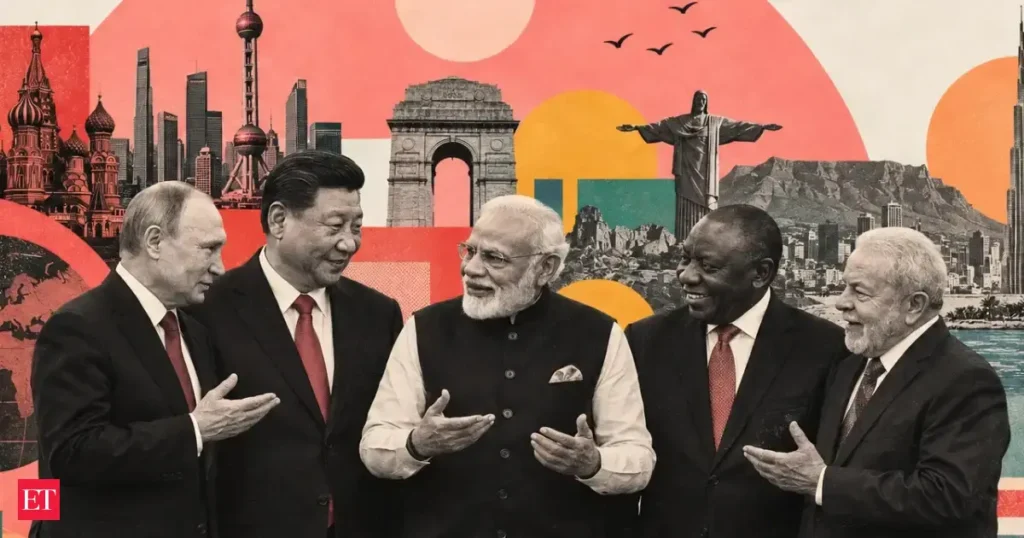
A GTRI report says India’s trade deficit with BRICS widened to $226.1 billion in FY2026 as imports from the bloc outpaced exports, while intra-BRICS trade remains heavily China-centred.
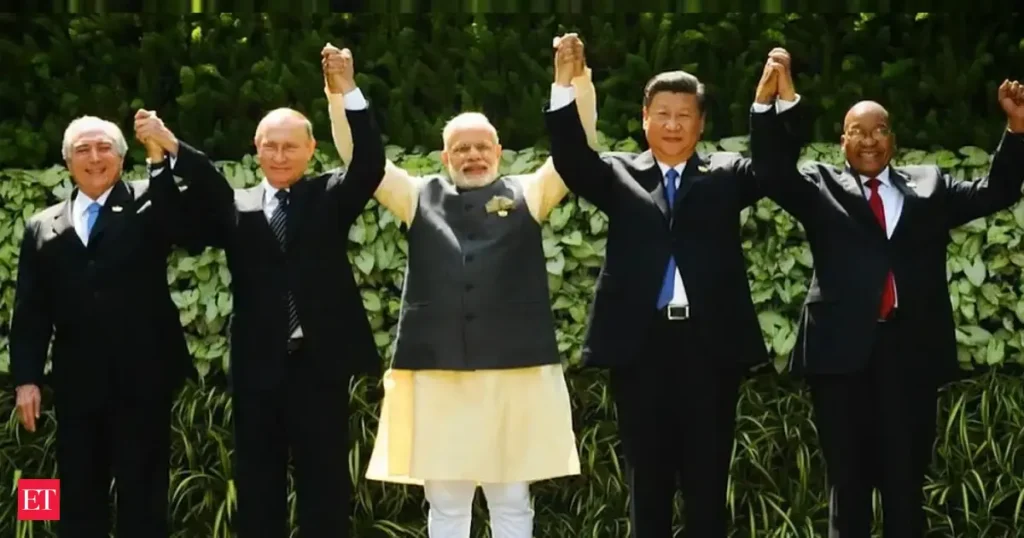
The BRICS Summit in New Delhi will rely on formal sessions and informal diplomatic formats, including bilaterals, pull-asides and corridor conversations, as India manages an expanded 11-member grouping.
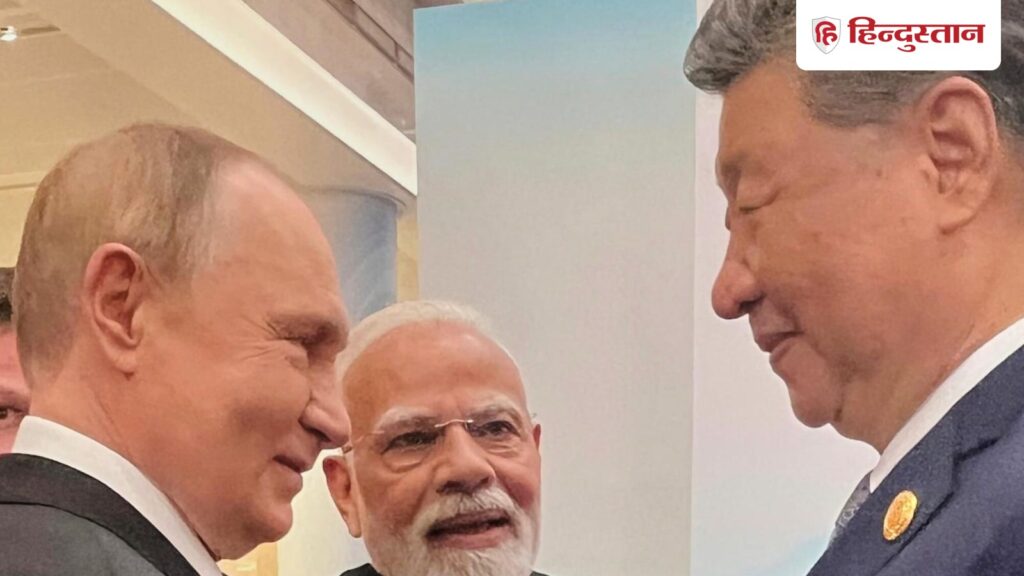
Ahead of the BRICS summit hosted by India, reports indicate India is proposing cross-border settlement using central bank digital currencies among BRICS members, while avoiding a unified anti-dollar payment network.
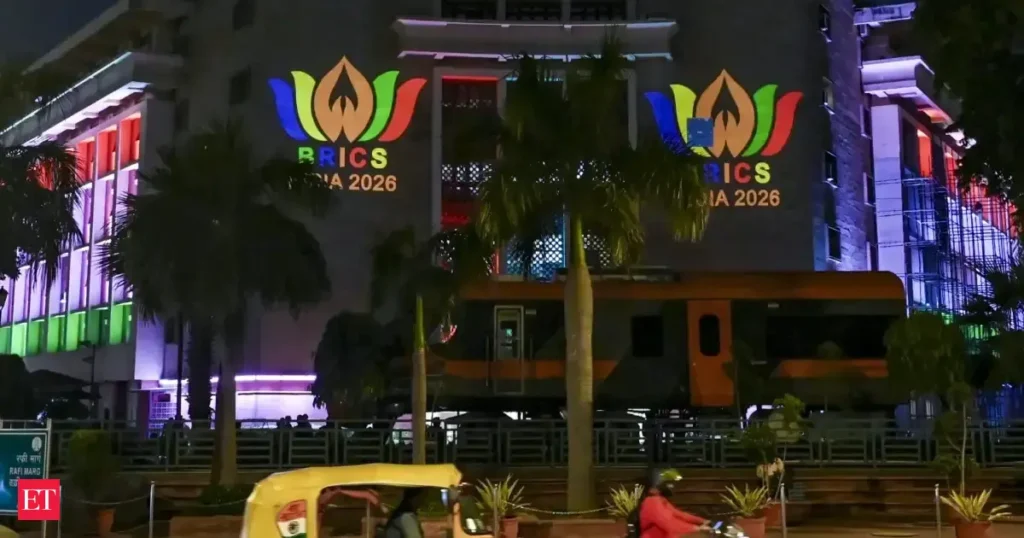
The expanded 11-member BRICS grouping will meet in New Delhi under India’s chairship, with trade, payments, startups, AI, energy, critical minerals, and climate finance expected to shape discussions.
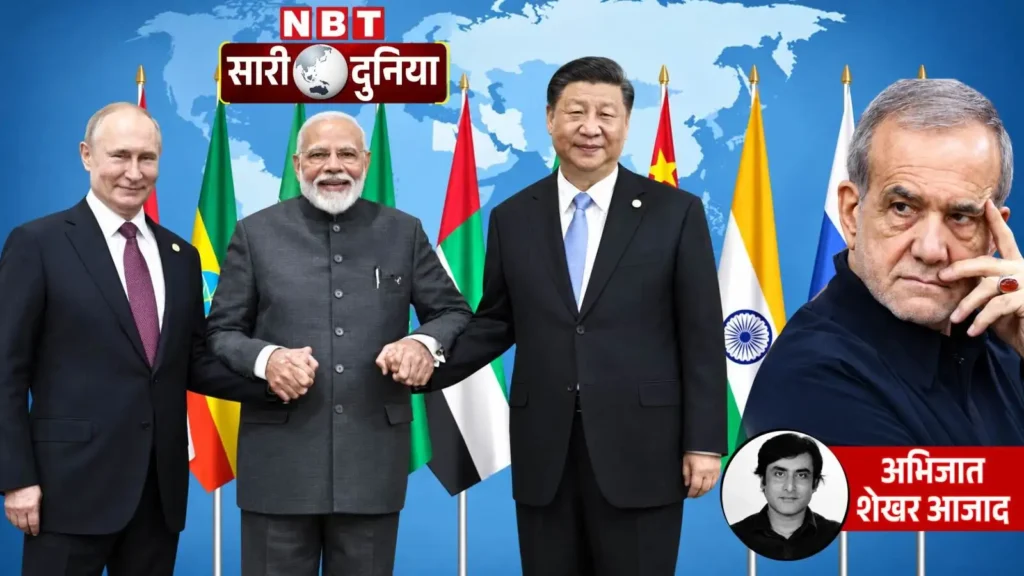
An Indian analysis says New Delhi faces diplomatic challenges at the BRICS summit over Iran-UAE tensions, joint statement language, common currency and de-dollarization, and possible US-China-Russia G-3 dynamics.
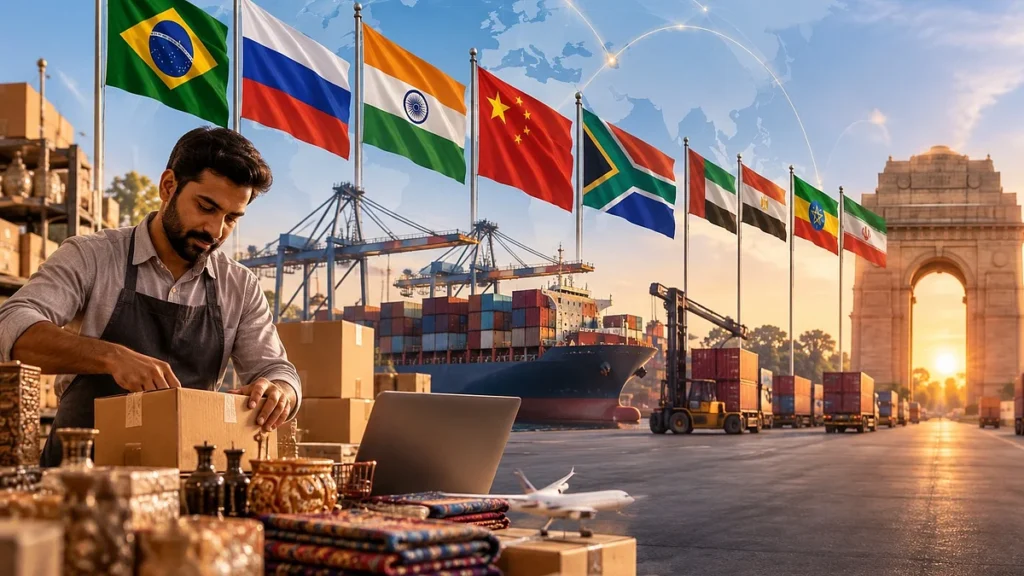
India is putting MSME exports at the centre of its BRICS 2026 agenda, seeking wider market access, easier financing and greater use of local currencies as businesses navigate an increasingly fragmented global trade landscape.
India’s BRICS presidency aims to manage internal divisions and deliver practical outcomes across economic, development, and people-centered cooperation.
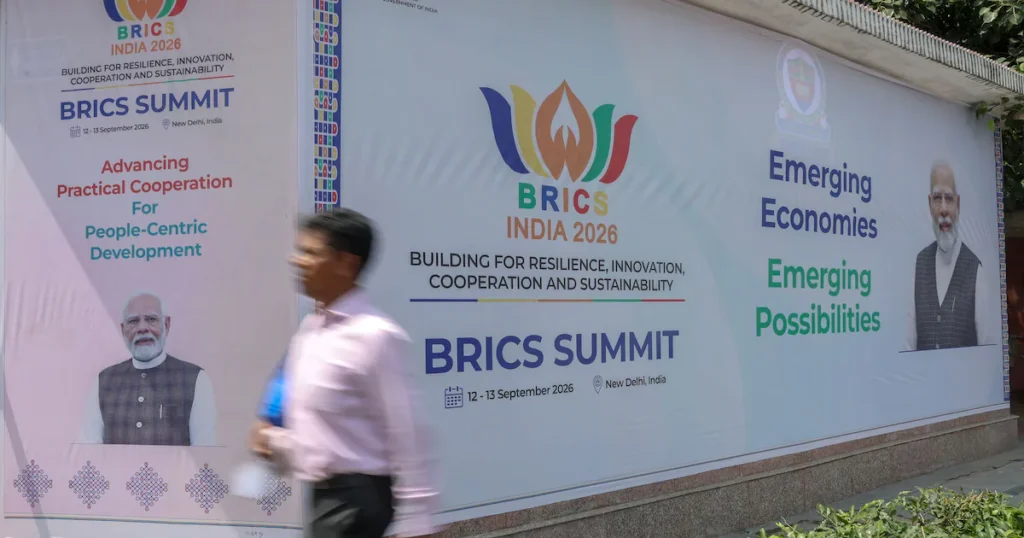
India’s Narendra Modi hosts a BRICS summit in New Delhi, with leaders expected to focus on launching Brics Pay, an independent payments system that does not require the US dollar.