
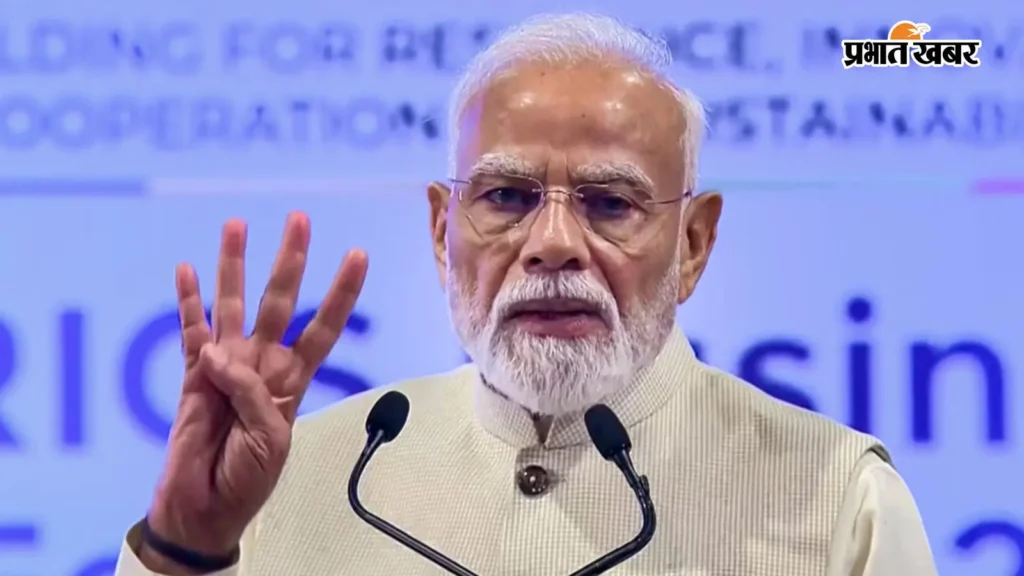
Neither China’s Camp Nor America’s: What Will Delhi Gain From BRICS?
Xi Jinping and Vladimir Putin will share the same platform, but the central question is India’s diplomacy rather than BRICS itself.
Xi Jinping and Vladimir Putin will share the same platform, but the central question is India’s diplomacy rather than BRICS itself.
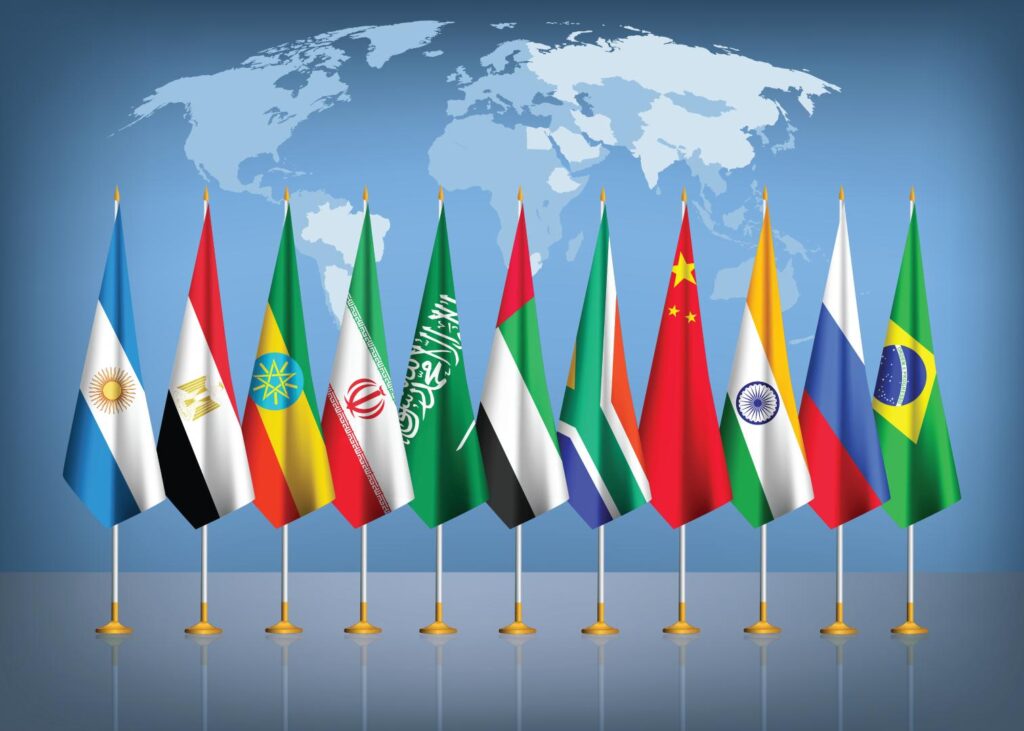
The article highlights BRICS’ growing economic scale and India’s 2026 chairmanship, emphasizing digital public infrastructure, trade growth, tourism, mobility, and people-to-people cooperation.
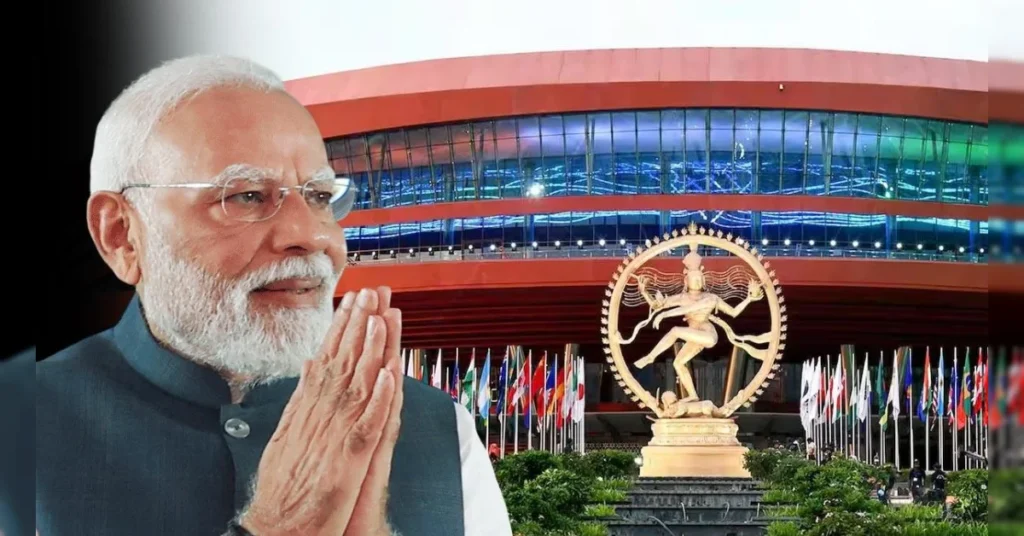
The 18th BRICS Summit, under India’s chairmanship, begins at Bharat Mandapam in New Delhi, bringing together BRICS members, more than 20 invited countries and global organizations to discuss inclusive global governance, multilateralism, trade and technology cooperation.
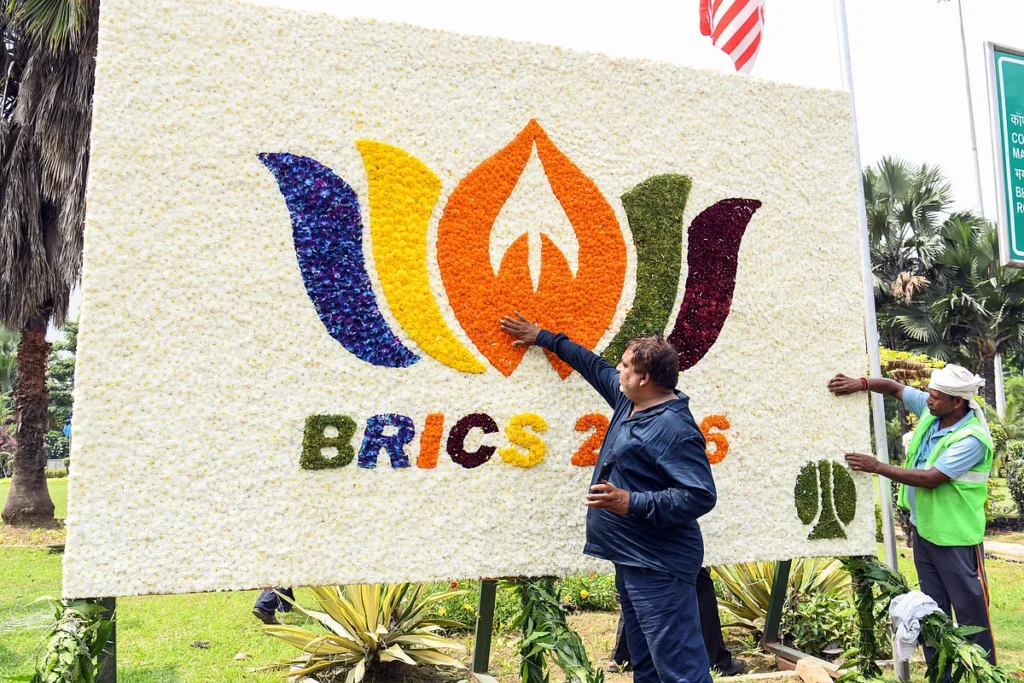
BRICS finance ministers and central bank governors have called for practical work on cross-border payment interoperability and local-currency trade and investment settlements, while clarifying that no common BRICS currency was proposed.
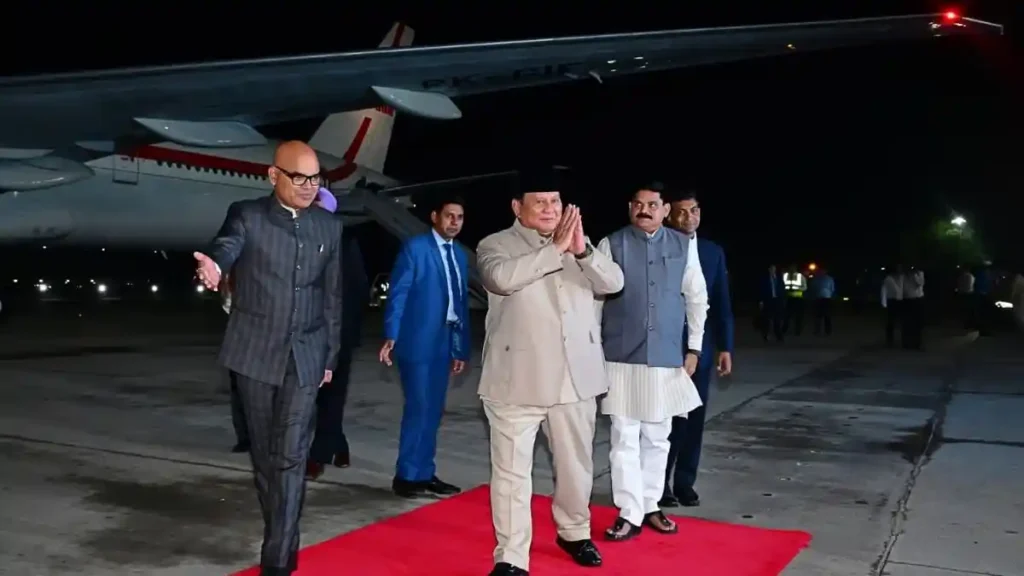
President Prabowo Subianto arrived in New Delhi for the 18th BRICS Summit, which the article states will be held on 12-13 September 2026.
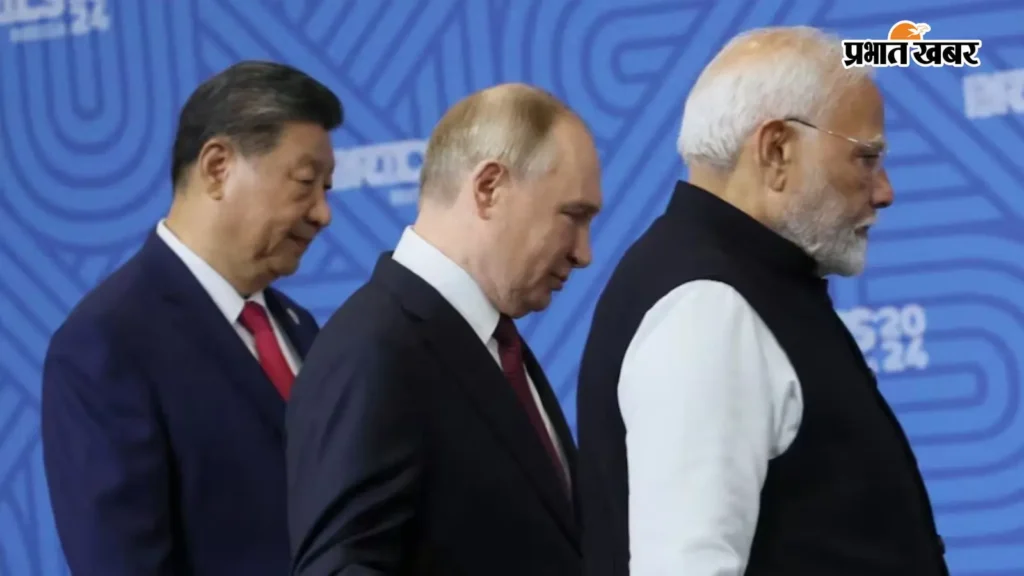
India has an opportunity to turn BRICS’ diversity into a source of cooperation strength.
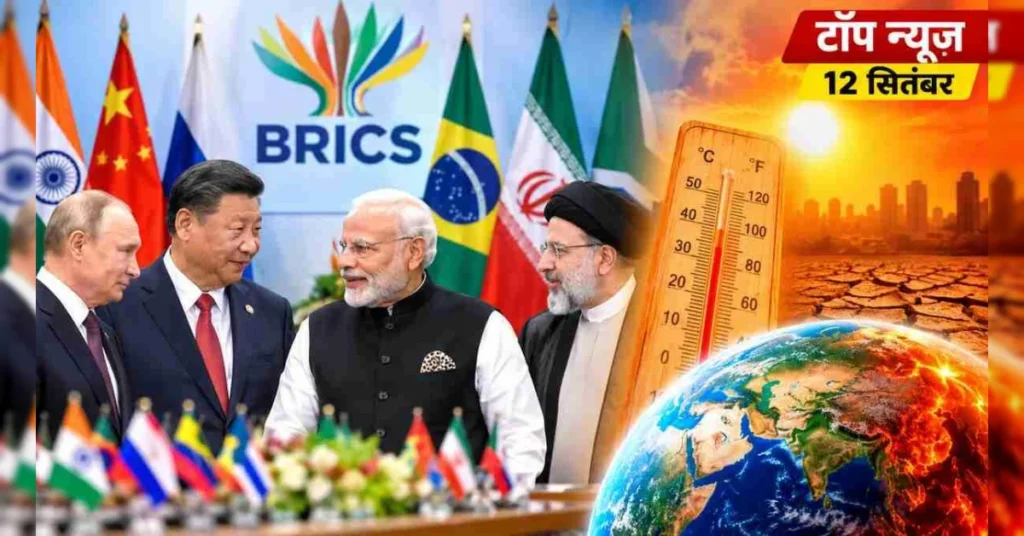
The article reports that India is hosting a two-day BRICS summit, with Chinese President Xi Jinping arriving for the summit and talks with Prime Minister Narendra Modi, while also carrying a separate scientific warning on global warming.
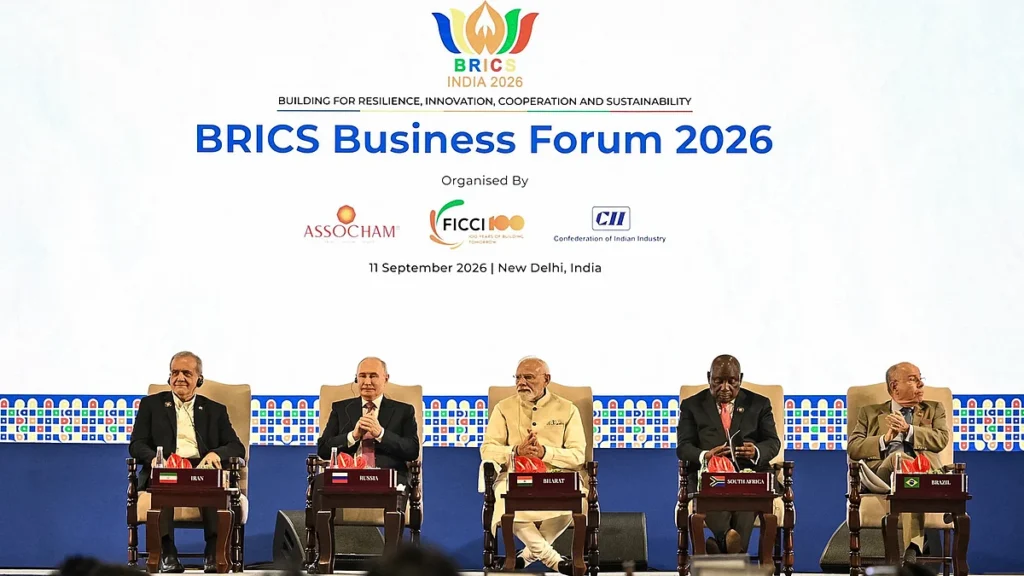
Indian Prime Minister Narendra Modi proposed a three-pillar strategy to deepen trade within the expanded BRICS grouping, while Russian President Vladimir Putin highlighted BRICS economic weight and called for broader cooperation.
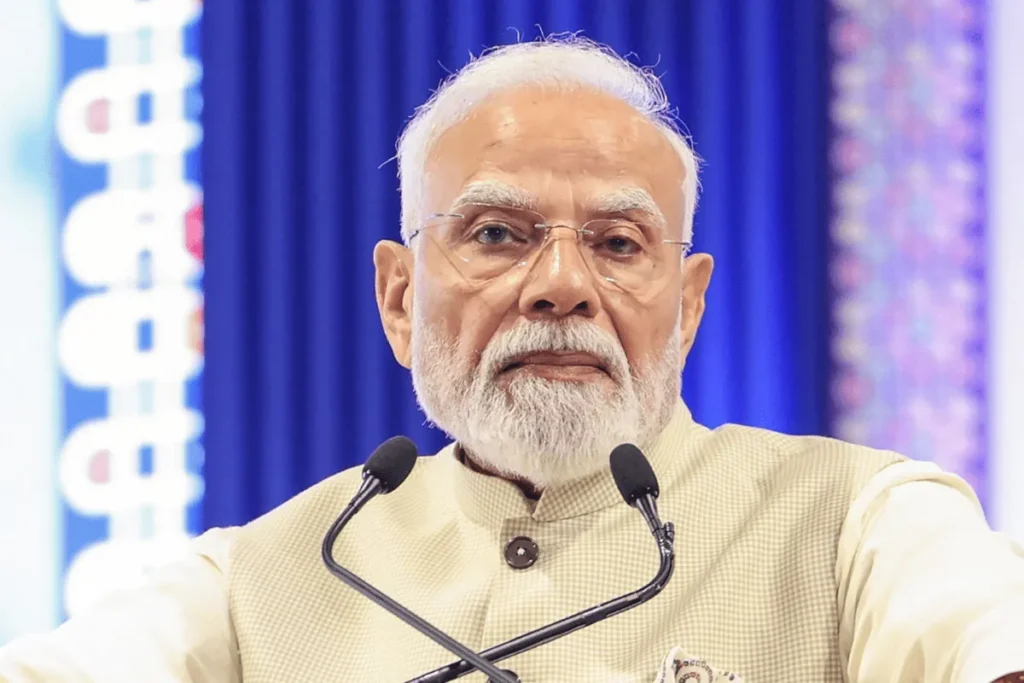
At the BRICS Business Forum ahead of the summit in New Delhi, PM Modi urged faster intra-BRICS trade, removal of major trade barriers, safer maritime routes, and expanded startup and corporate partnerships.