
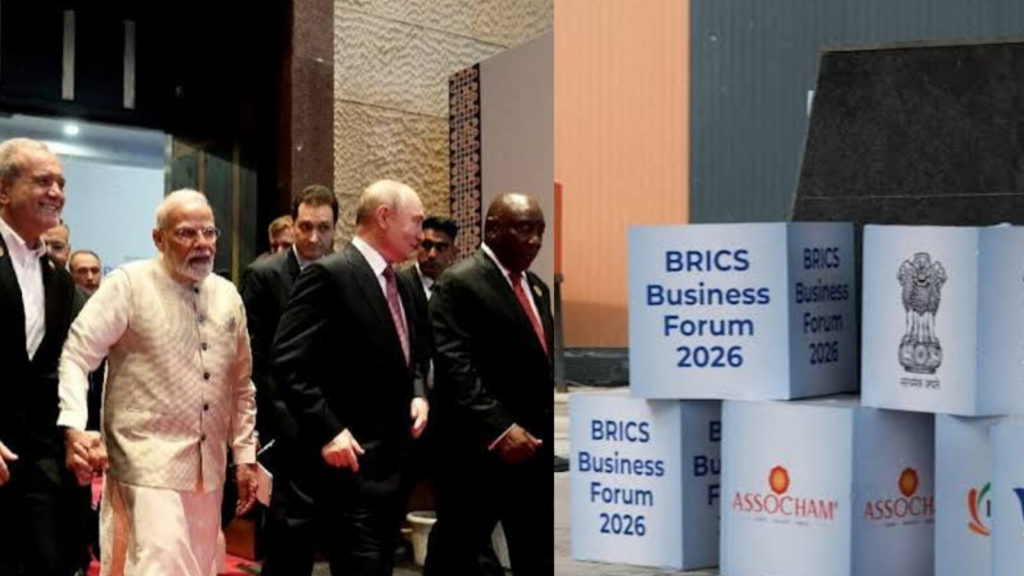
BRICS adopts New Delhi Declaration, stresses conflict prevention efforts, voices concerns on unilateral tariffs
BRICS has adopted the New Delhi Declaration, highlighting conflict prevention and raising concerns over unilateral tariffs.
BRICS has adopted the New Delhi Declaration, highlighting conflict prevention and raising concerns over unilateral tariffs.
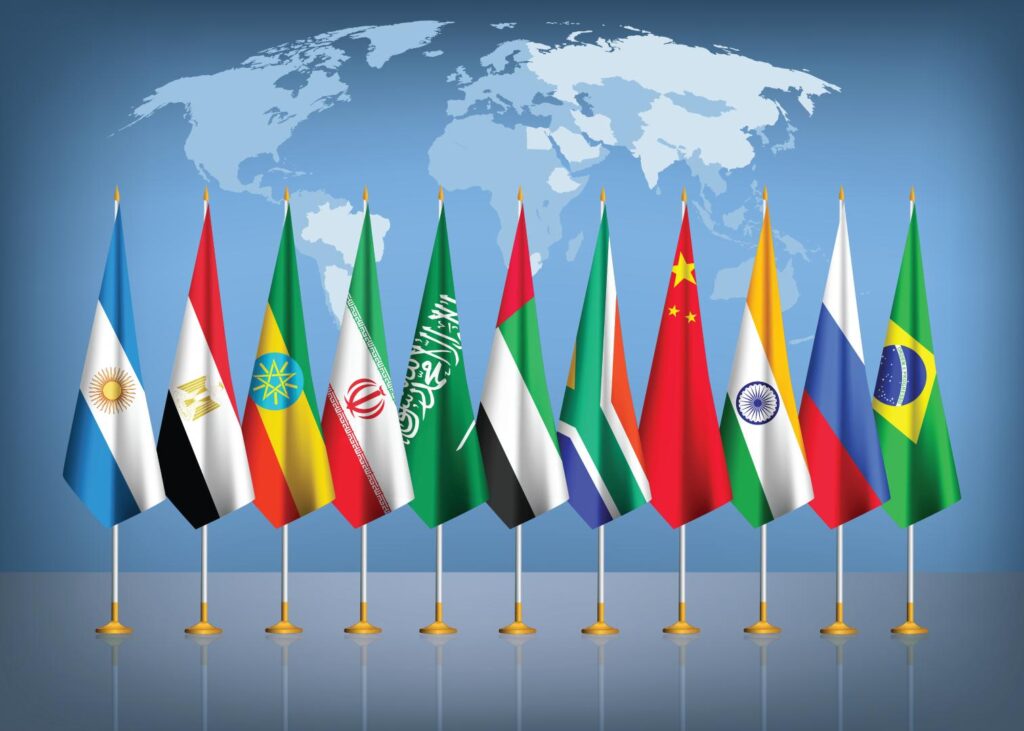
The 18th BRICS Summit opened in New Delhi under India’s chairmanship, with leaders meeting on global governance, trade, finance, energy, development and multilateral institution reforms.
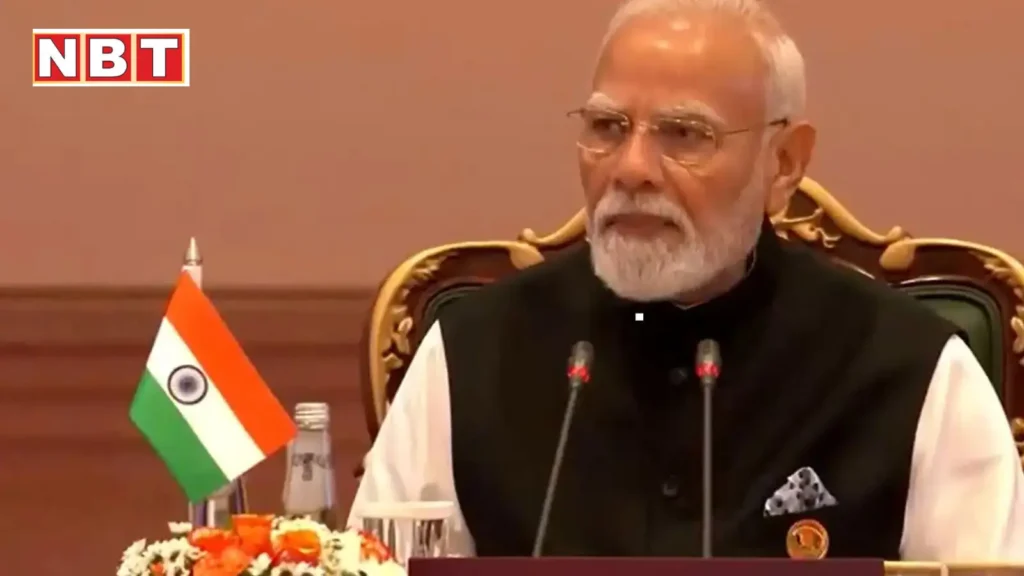
At the BRICS Summit 2026, Indian Prime Minister Narendra Modi proposed a maritime emergency support network for seafarers and called for a joint BRICS roadmap on global governance reform.
India’s UPI and Brazil’s Pix are exploring links with foreign central banks to expand cross-border payments within and beyond BRICS.
Speaking at the BRICS summit, Russian President Vladimir Putin said the WTO, IMF and World Bank need to be improved and called for stronger coordination by BRICS countries within these institutions.
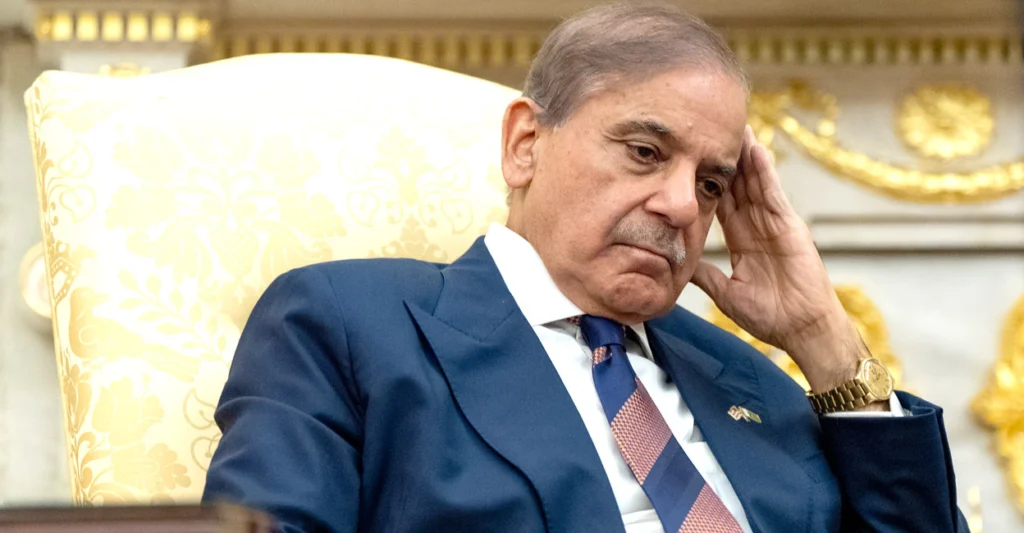
Pakistan’s 2023 application to join BRICS remains undecided, with the article attributing the stall to India’s veto power and the bloc’s requirement for unanimous approval from existing members.
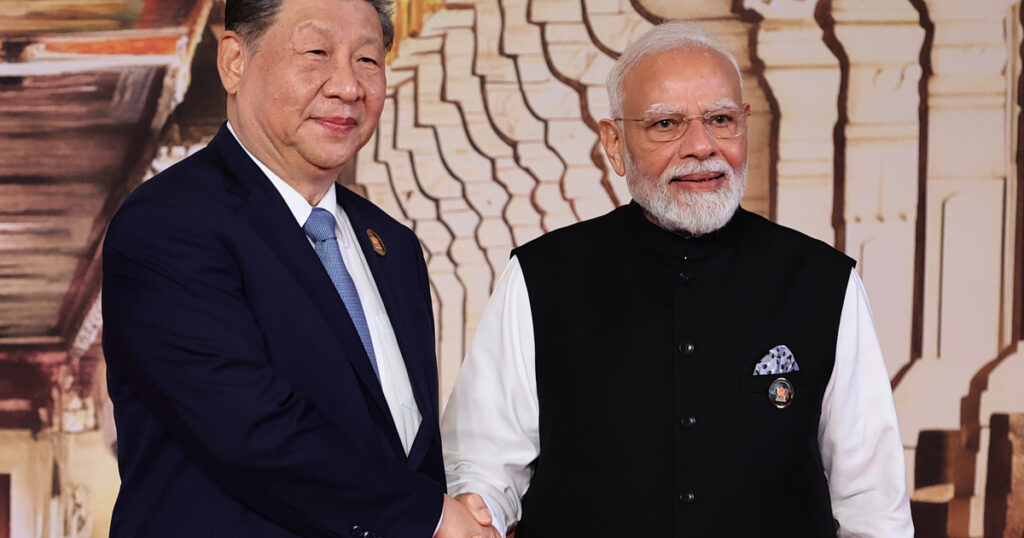
BRICS members unanimously adopted a joint declaration at the New Delhi summit, addressing Middle East tensions, unilateral tariffs, trade, and cross-border payments despite geopolitical differences among members.
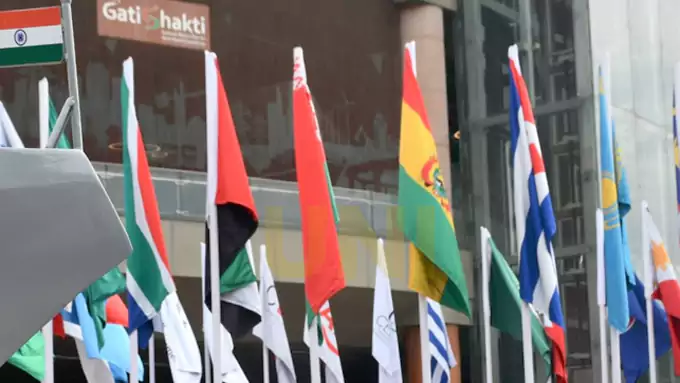
BRICS member states have reportedly agreed on a joint declaration calling for an end to unilateral wars without naming any country, while also working to ease tensions between Iran and the United Arab Emirates.
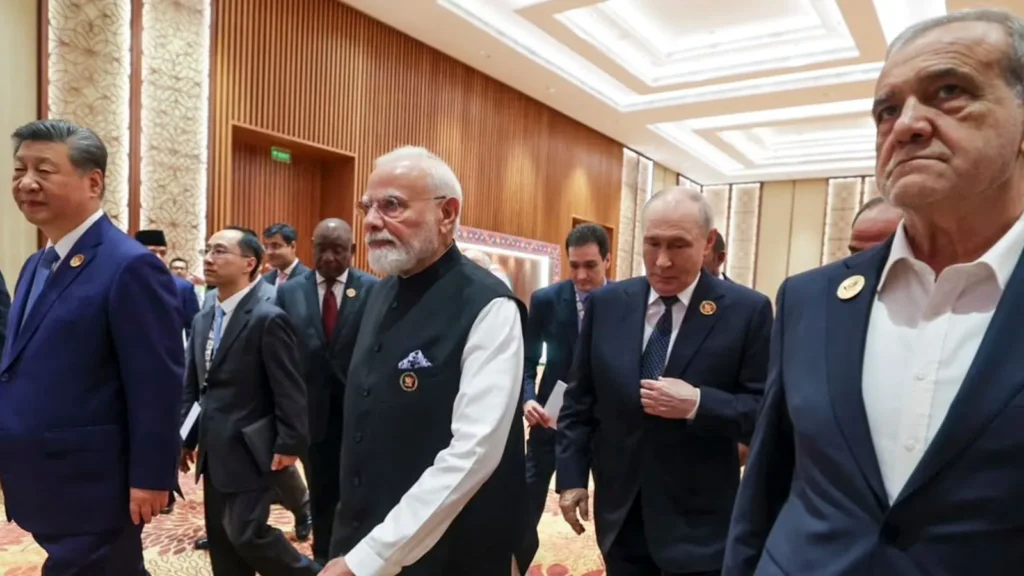
BRICS members reached consensus on a joint declaration after intensive negotiations, emphasizing stable global trade, supply chains and energy flows amid regional conflict.