
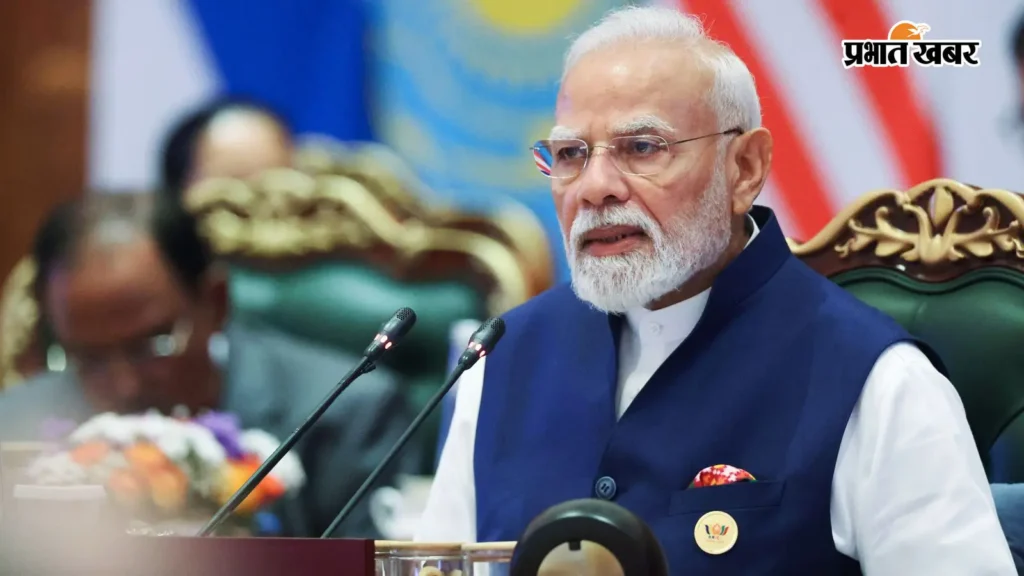
Modi’s Hosting in Delhi, China-Russia Strategies and the Real Game with the United States
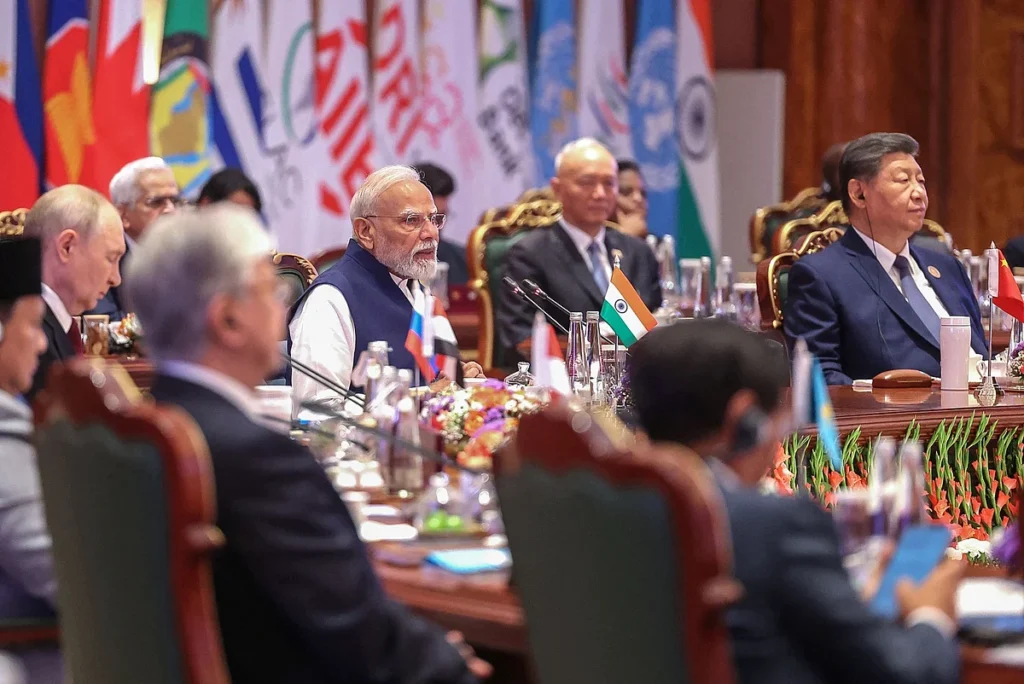
The 18th BRICS Summit in New Delhi concluded, but the story goes beyond the joint photograph and the long declaration.
The 18th BRICS Summit in New Delhi concluded, but the story goes beyond the joint photograph and the long declaration.
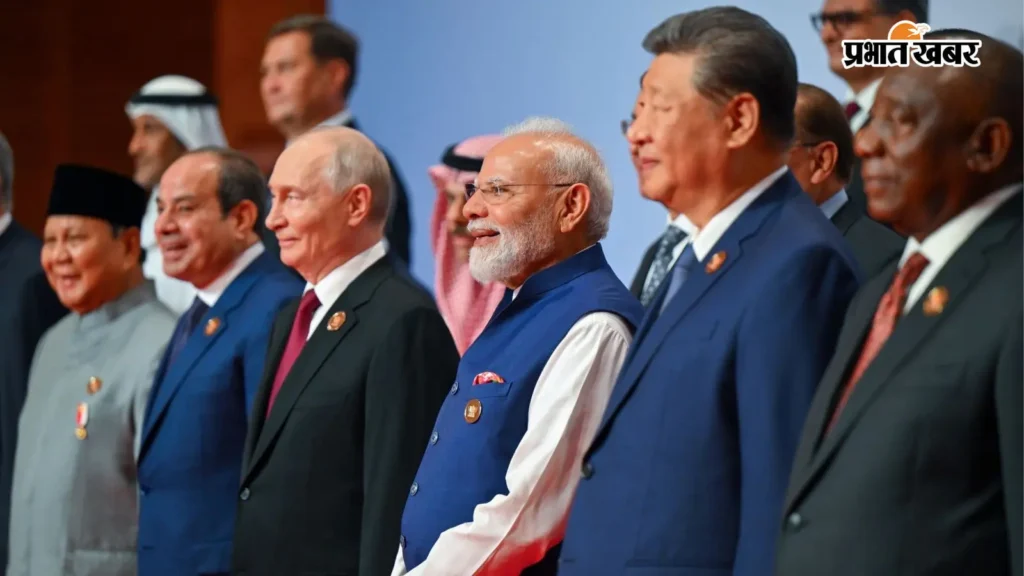
The BRICS summit in New Delhi on 12-13 September was not only a platform for Global South unity; it also reflected the contradictions among member states as the grouping seeks to shape a new global order.
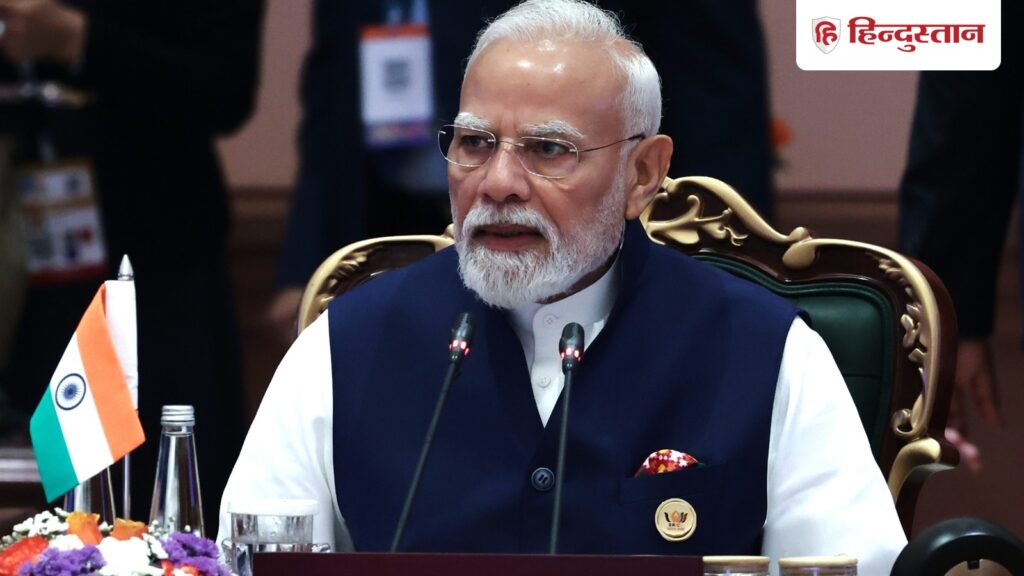
Indian Prime Minister Narendra Modi expressed concern over the weaponization of minerals and geopolitical tensions at the final session of the BRICS summit, noting that such tensions affect ordinary people.
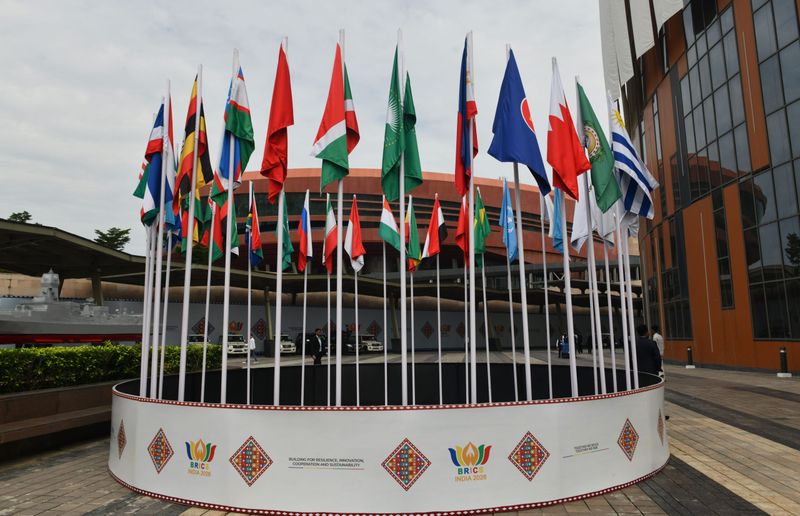
BRICS is focusing on practical cross-border payment links and local-currency settlement rather than pursuing a common currency, according to an analysis of the New Delhi summit agenda.
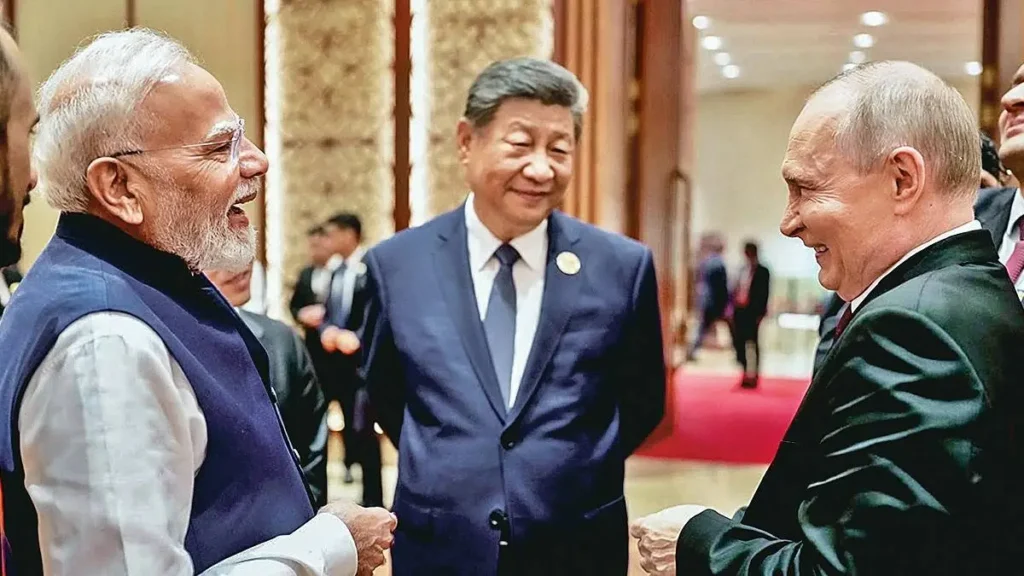
At the BRICS Summit, PM Modi called for resilient and equitable critical minerals supply chains, stronger Global South representation, and BRICS cooperation that reaches ordinary citizens.
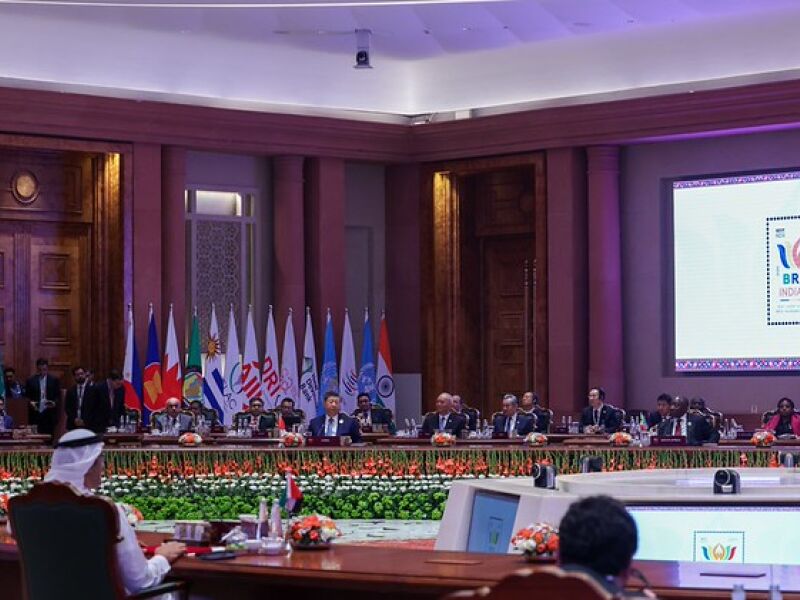
At the 18th BRICS Summit in New Delhi, India announced new BRICS mechanisms for early warning of infectious diseases, disaster management, and more resilient supply chains.
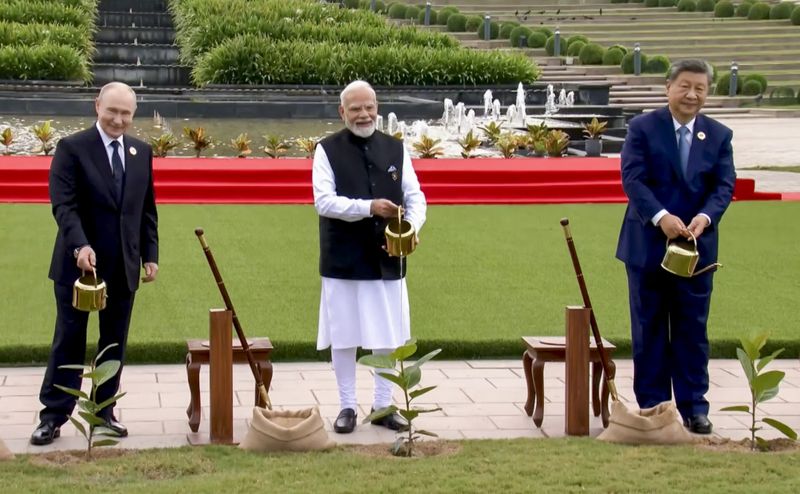
The BRICS 2026 summit produced a comprehensive New Delhi Declaration, reflecting consensus on terrorism, UN reform, trade and energy issues, while India-China relations remained central to the grouping’s dynamics.
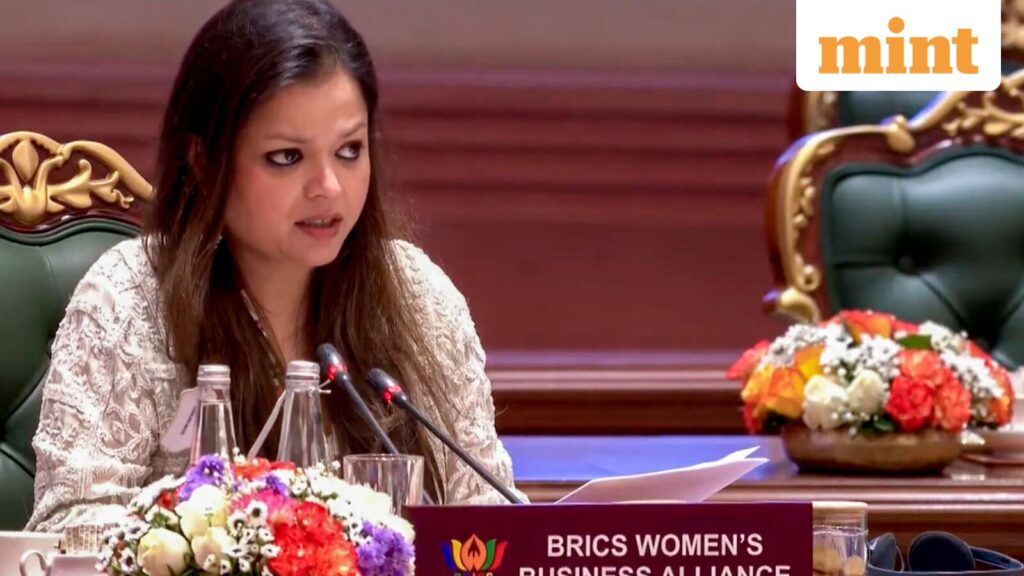
A BRICS women’s business alliance has called on member states to widen supply-chain participation, financing, digital tools, and investor networks for women-led enterprises.
India’s BRICS presidency secured consensus in the New Delhi Declaration, but the grouping’s credibility now depends on delivering practical outcomes at speed and scale.