
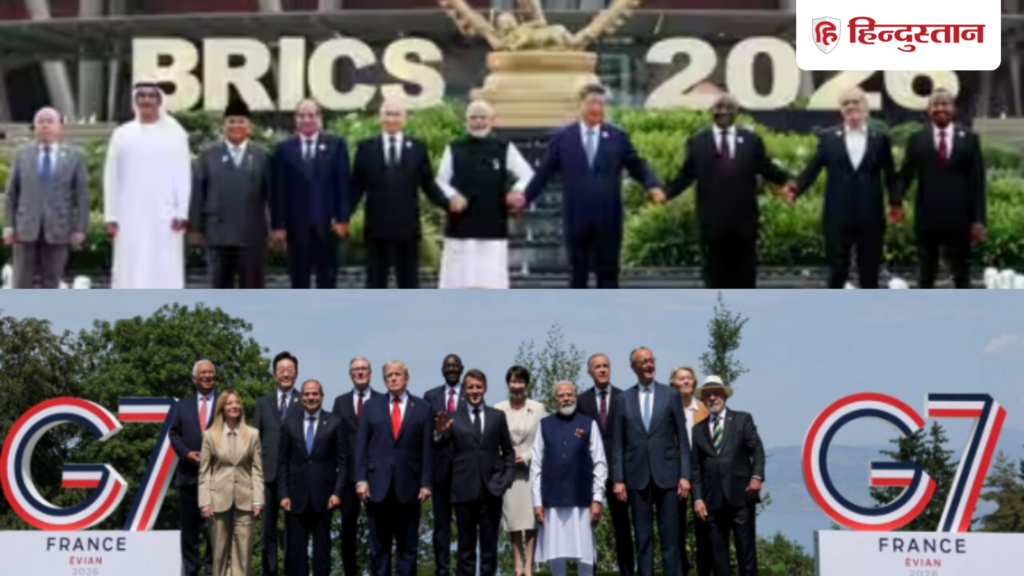
BRICS vs G7: Which Is Stronger From Finances to Power?
As the BRICS summit in New Delhi continues, the article compares BRICS and G7 in terms of membership, population, economic size, trade, and geopolitical orientation.
As the BRICS summit in New Delhi continues, the article compares BRICS and G7 in terms of membership, population, economic size, trade, and geopolitical orientation.
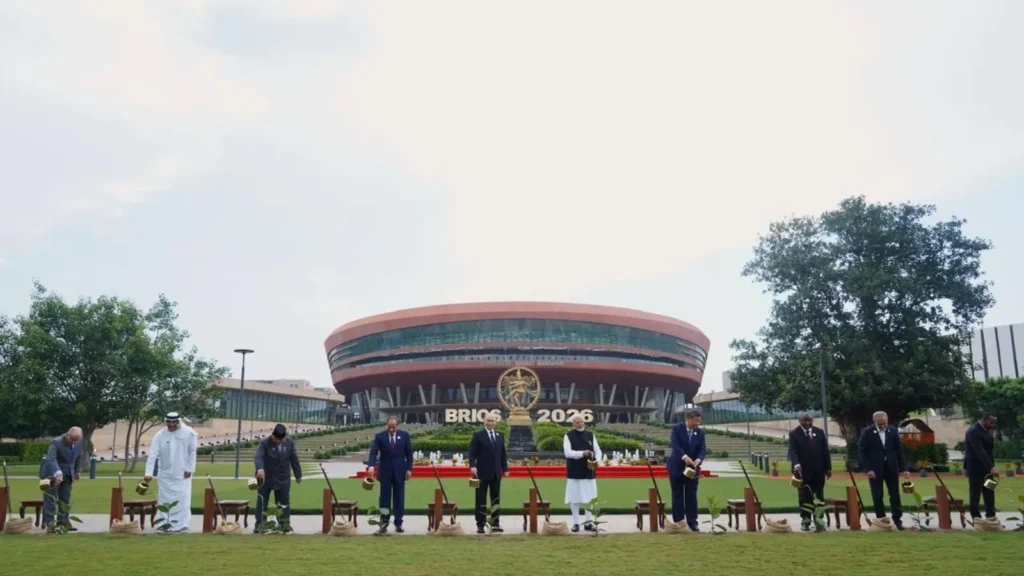
BRICS countries agreed in a joint declaration to deepen cooperation on sustainable transport, digital connectivity, public-private partnerships and the New Development Bank’s role, while opposing unilateral protectionist measures.
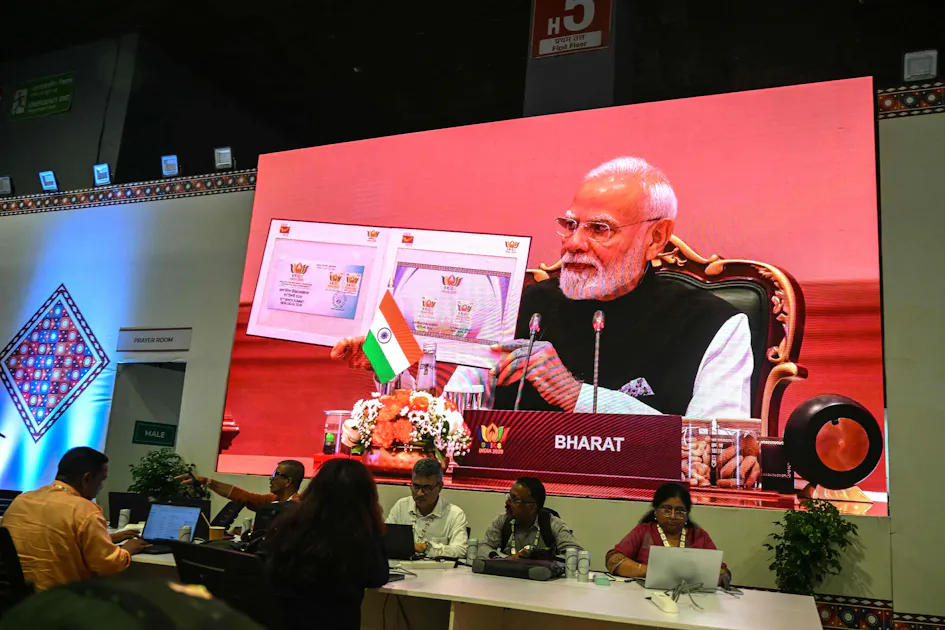
BRICS states agreed on a joint final declaration after negotiations lasting into the early morning hours; Berliner Zeitung presents the full text in German.
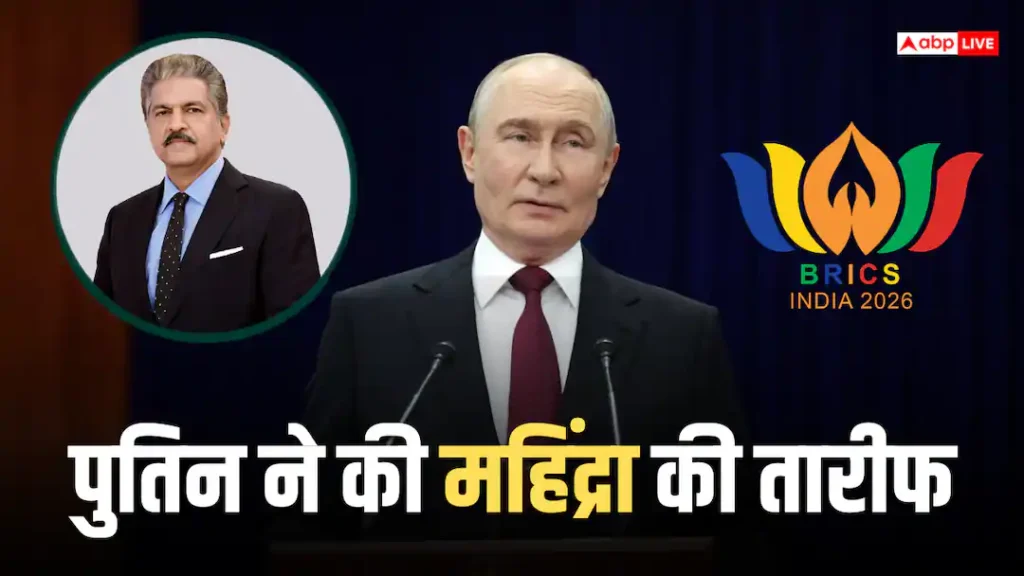
At the BRICS summit in New Delhi, Russian President Vladimir Putin cited Mahindra as an example of BRICS corporate strength and proposed a new platform to channel private investment into infrastructure, logistics and technology.
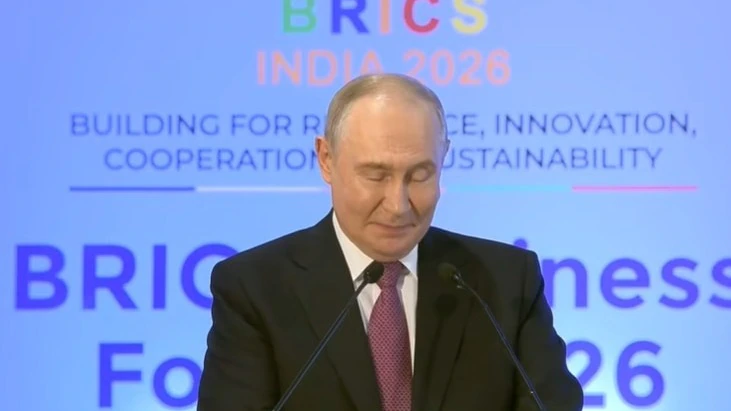
Russian President Vladimir Putin used the BRICS Summit in New Delhi to warn Europe against sending troops to Ukraine and to promote deeper BRICS cooperation and a proposed NDB-based investment platform.
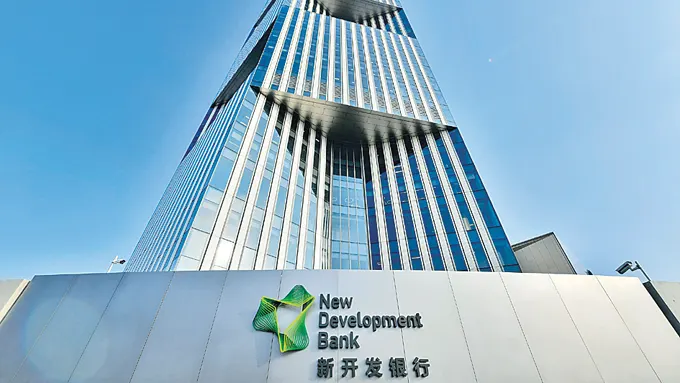
As BRICS pursues financial self-reliance, the Delhi summit must clarify who bears the cost of guarantees, private capital mobilization, and development lending through the New Development Bank.
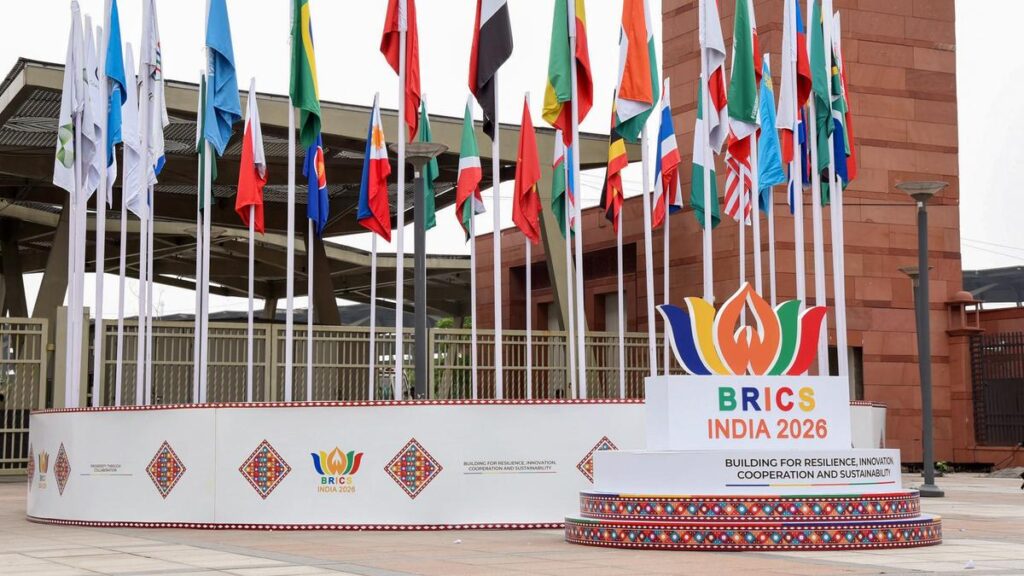
India’s BRICS presidency centres the Delhi Summit on resilience, innovation, cooperation and sustainability across an expanded grouping.
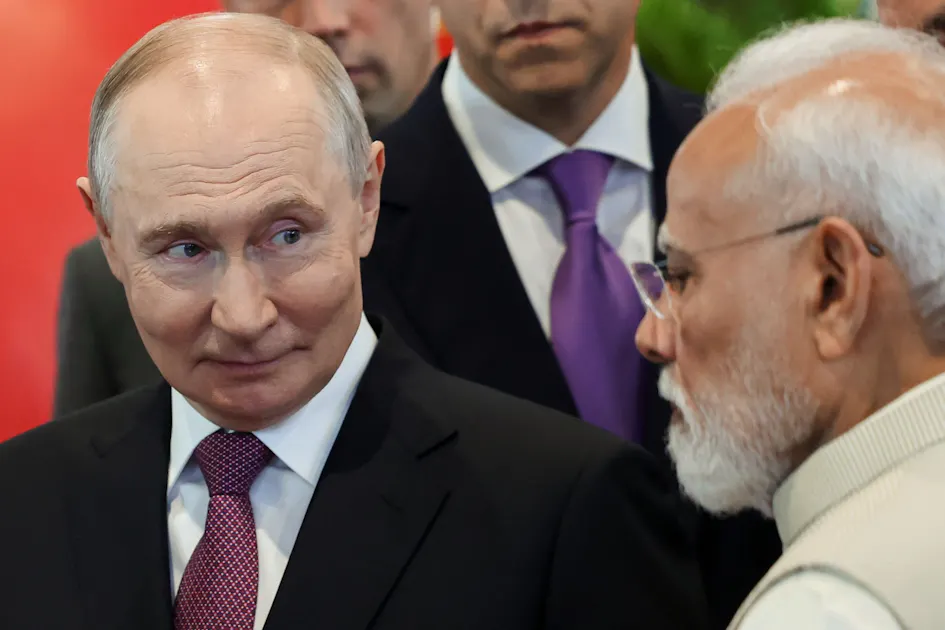
An analysis of the BRICS summit in New Delhi examines the group’s economic size, internal trade limits, monetary cooperation, institutional weaknesses, and political rivalries.
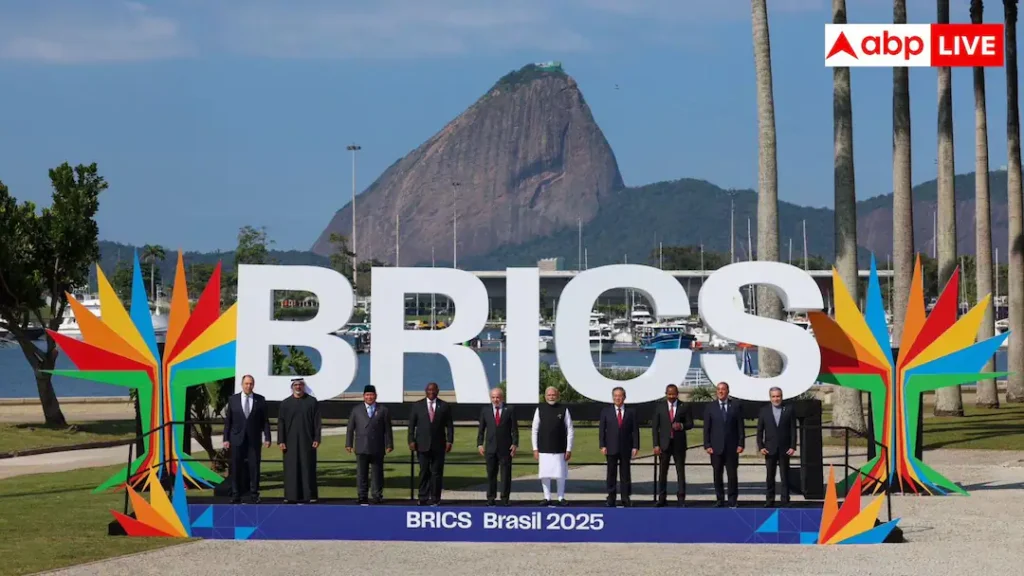
The expanded BRICS group covers about 30% of global land area, nearly half the world’s population, and a large share of global GDP, according to the article.