

BRICS New Delhi Declaration Omits Mention of Russia-Ukraine War
The 2026 BRICS declaration in New Delhi emphasizes dialogue and diplomacy but does not specifically reference the Russia-Ukraine conflict, unlike earlier BRICS joint statements.
The 2026 BRICS declaration in New Delhi emphasizes dialogue and diplomacy but does not specifically reference the Russia-Ukraine conflict, unlike earlier BRICS joint statements.

The BRICS summit in New Delhi highlights the bloc’s growing scale but also its internal tensions over de-dollarization, leadership, and the practical limits of reducing dependence on the U.S. dollar.
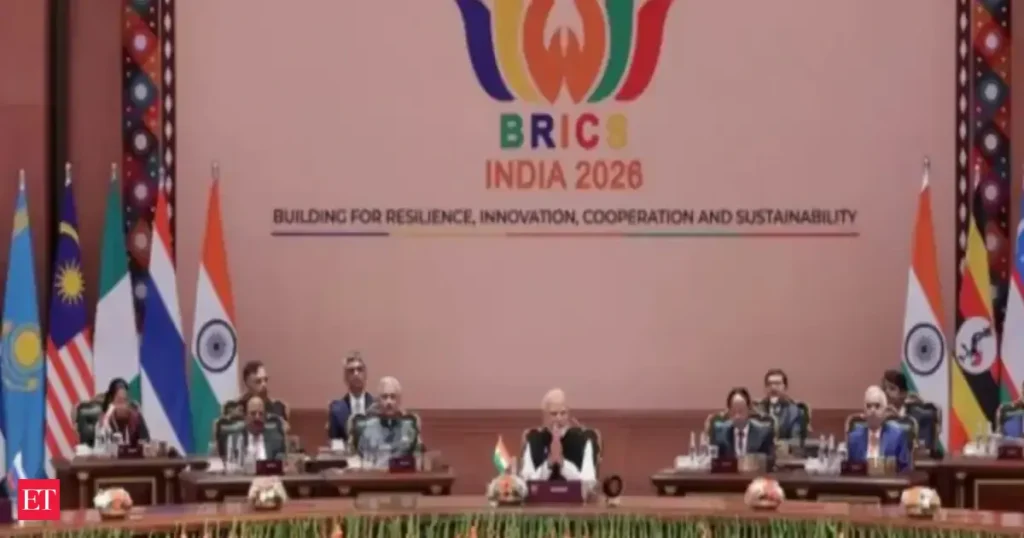
BRICS leaders called for financial and technological support from developed countries for biodiversity conservation and sustainable use, in the New Delhi Declaration 2026.
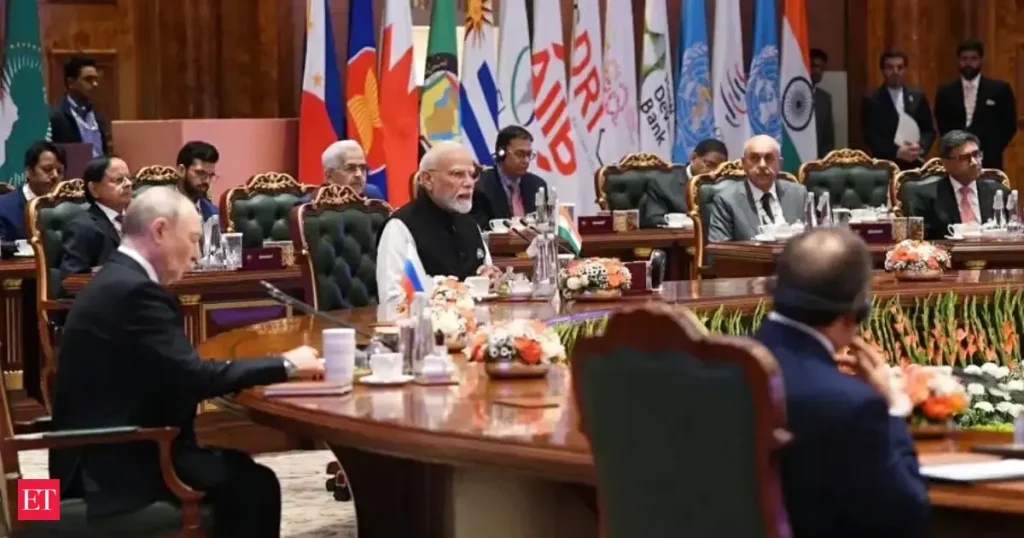
BRICS countries reaffirmed plans to deepen cooperation on sustainable transport infrastructure through policy, investment, technology and capacity building, while promoting sustainable aviation fuels and new BRICS transport initiatives.
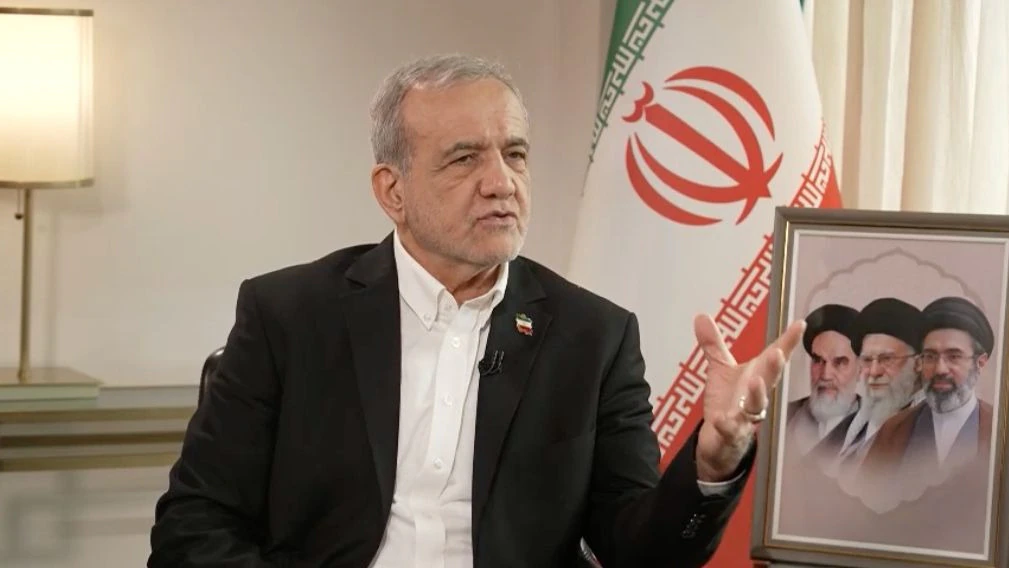
In an exclusive interview during the BRICS summit in India, Iranian President Masoud Pezeshkian discussed BRICS cooperation, reducing dependence on the U.S. dollar, and countering unilateral sanctions.
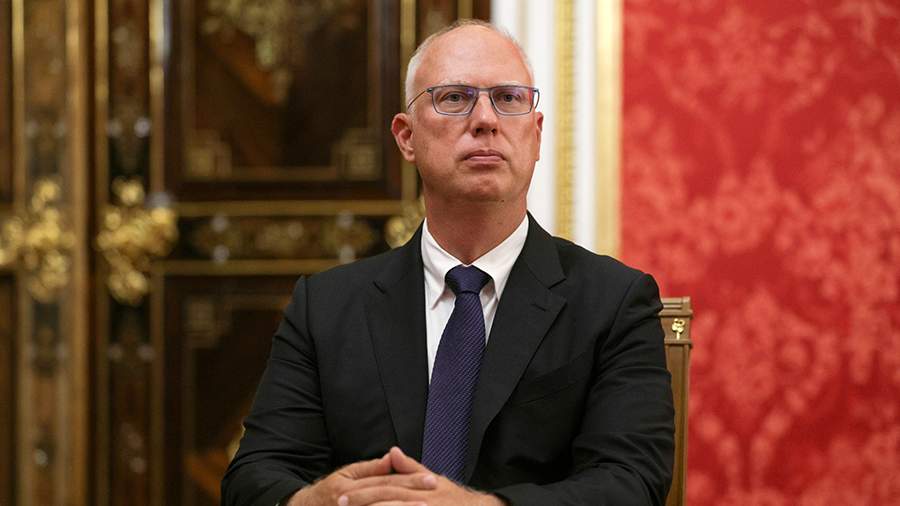
Head of Russia’s Direct Investment Fund Kirill Dmitriev said BRICS leaders lacked only US President Donald Trump for a full lineup at the New Delhi summit.
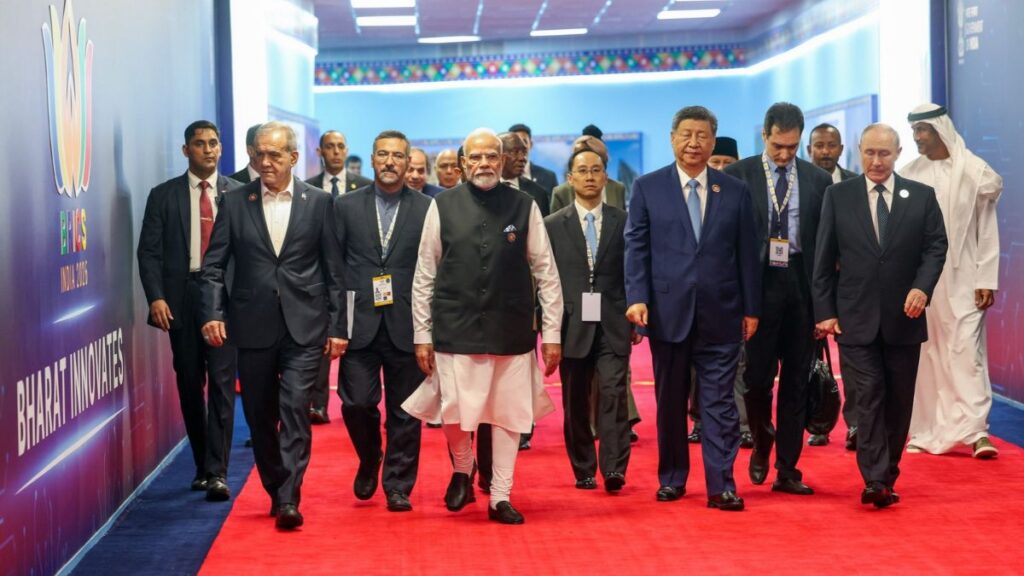
India’s digital public infrastructure, affordable medicines and health capabilities are presented as key contributions to BRICS cooperation and engagement with the Global South.
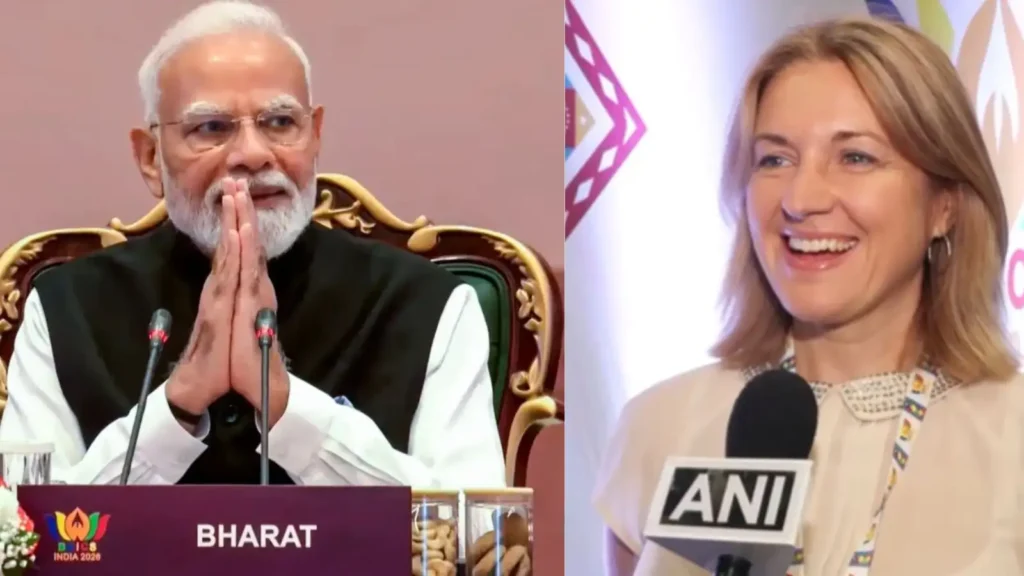
A Russian blogger covering the BRICS summit in New Delhi praised India’s hospitality and called for the meeting to focus on peace, trade cooperation, local currencies and digital payments.
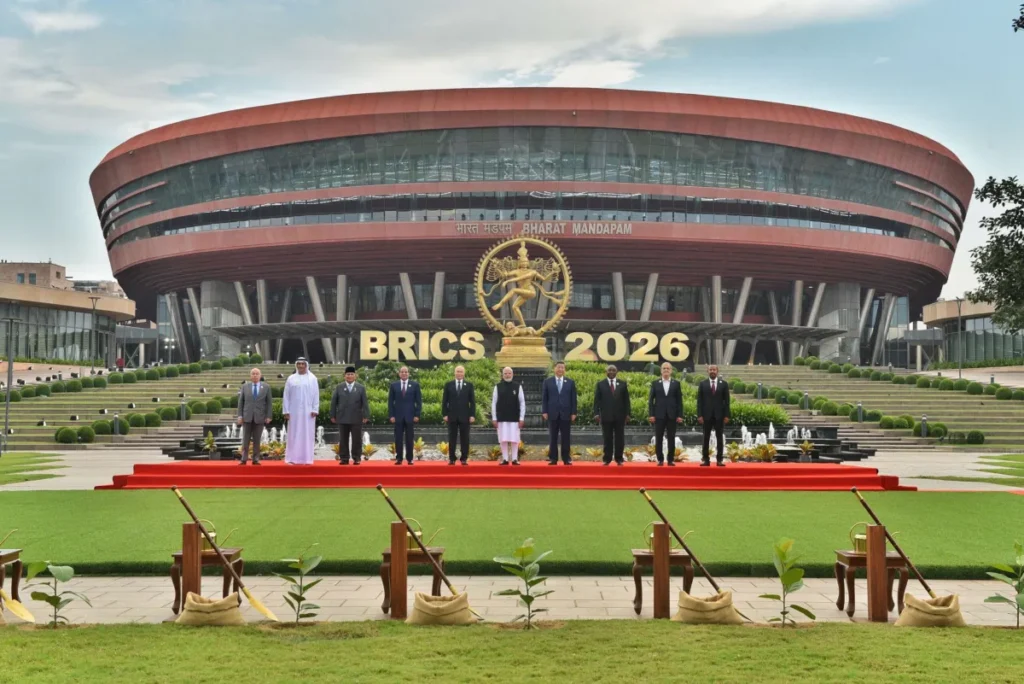
BRICS leaders posed for the official family photo at the 18th BRICS Summit in New Delhi, surrounded by young banyan trees symbolizing growth.