
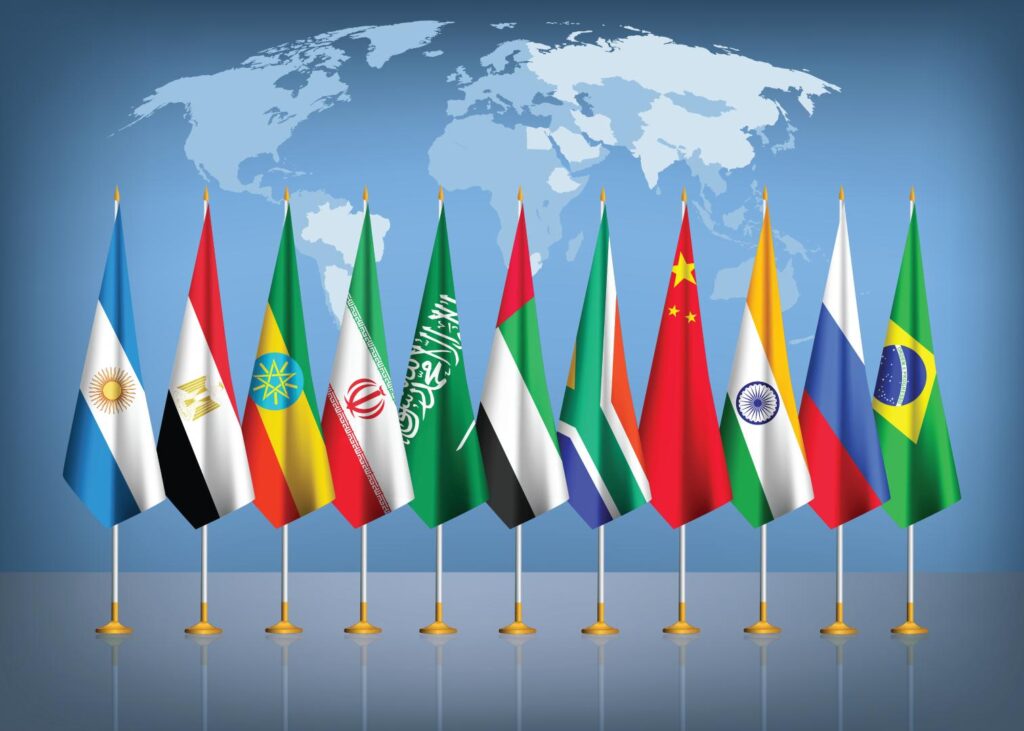
BRICS: Ghana’s parliament gives green light to formal application
Ghana’s cabinet has approved a formal application to join BRICS, with India’s backing sought and membership subject to broader BRICS consideration.
Ghana’s cabinet has approved a formal application to join BRICS, with India’s backing sought and membership subject to broader BRICS consideration.
Russian Council on International Affairs expert Alexey Naumov said BRICS members handle societal crises more effectively than Western countries.
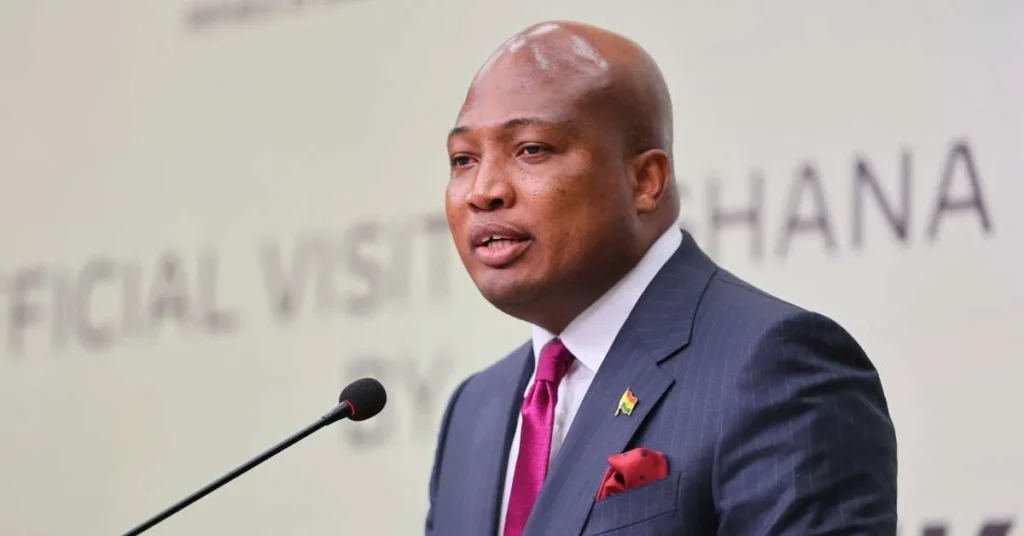
Ghanaian Foreign Minister Samuel Ablakwa said joining the group would expand the African country’s economic and diplomatic partnerships.
BRICS Pay plans to pilot corporate cross-border settlements in national currencies using a decentralized financial messaging network and a closed blockchain platform.
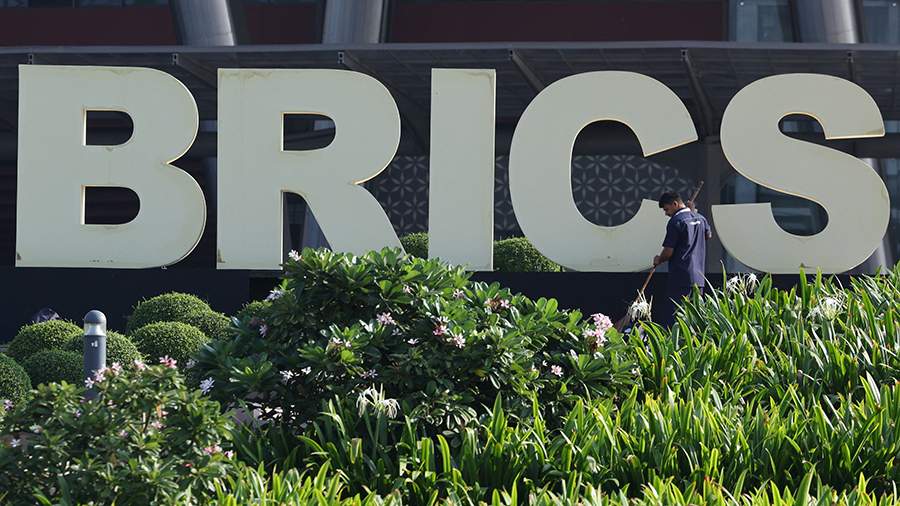
Russian Senate Speaker Valentina Matvienko said Brazil’s membership in BRICS should not be negatively affected by the outcome of its presidential election and urged waiting for the runoff results.
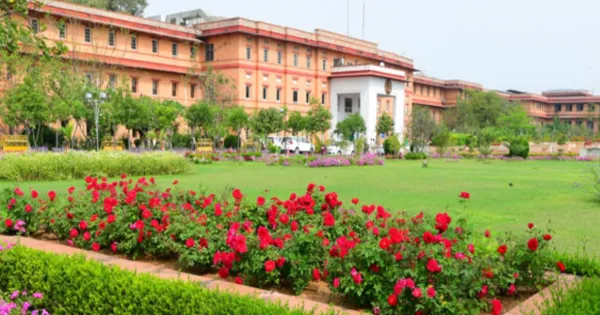
Delegations from BRICS countries are expected to visit Jaipur and Udaipur on 28-29 October 2026 after the 12th BRICS Parliamentary Forum in New Delhi.
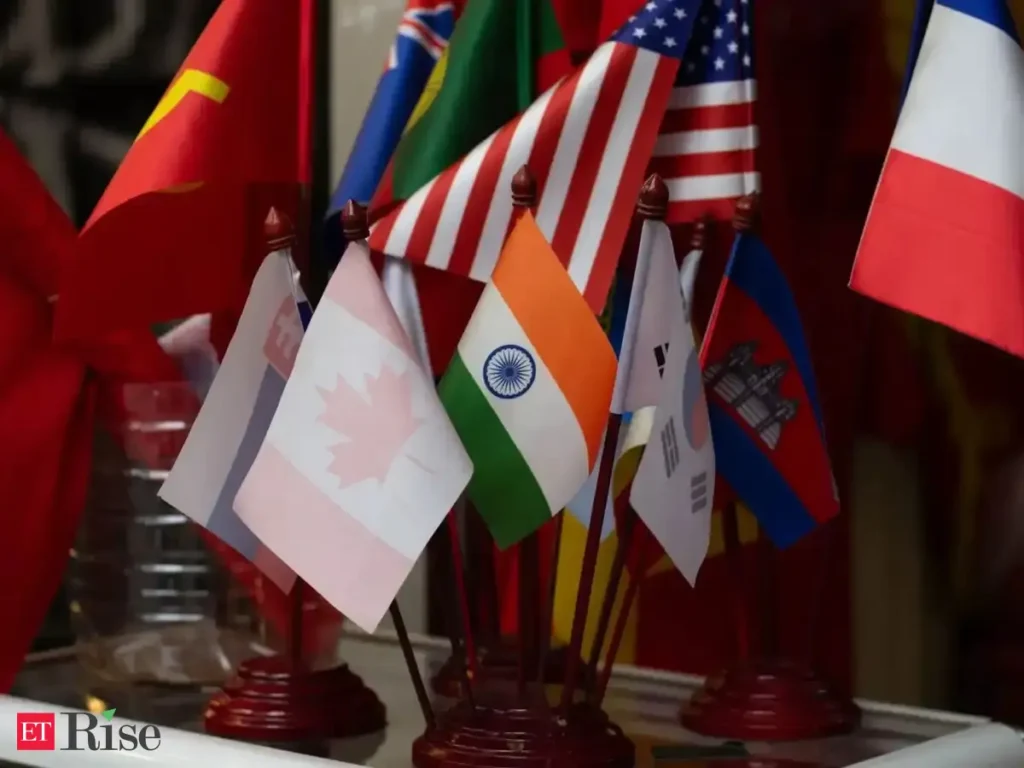
BRICS 2026 momentum will depend on converting trade agreements into reliable logistics corridors, digital customs systems, infrastructure and public-private investment.
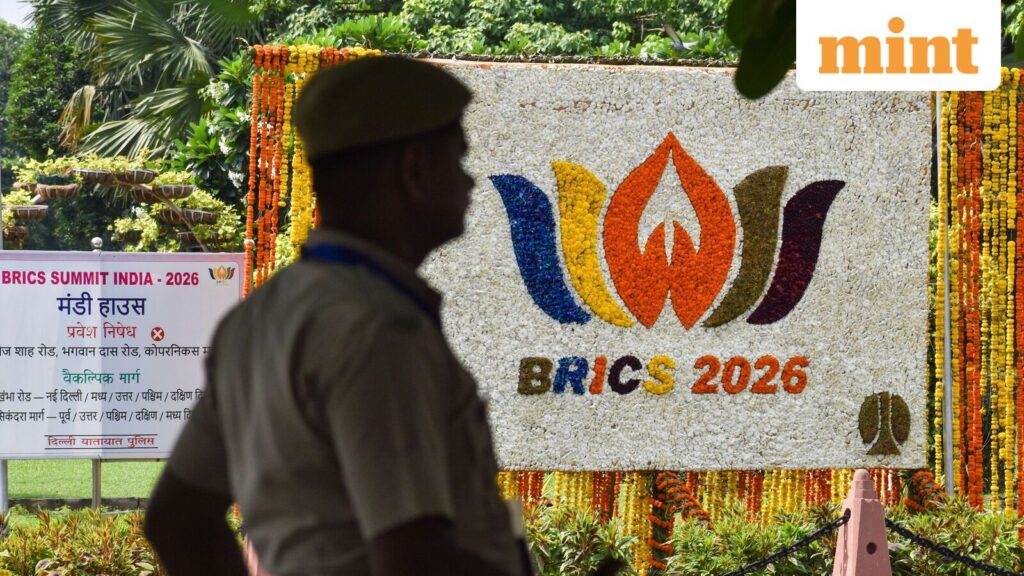
BRICS is creating working groups on international taxation, transfer pricing, and revenue statistics, potentially giving emerging economies a stronger voice in global tax rule-setting.
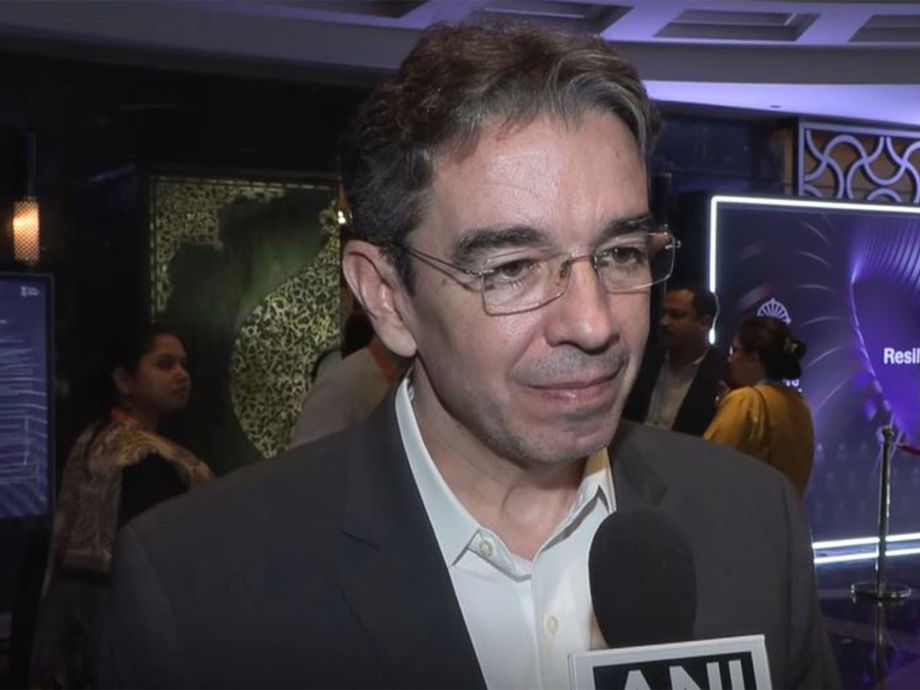
A Brazilian economist said BRICS can help countries deepen economic cooperation and address shared risks amid global fragmentation, while highlighting India’s growth and Brazil’s biofuel experience.