
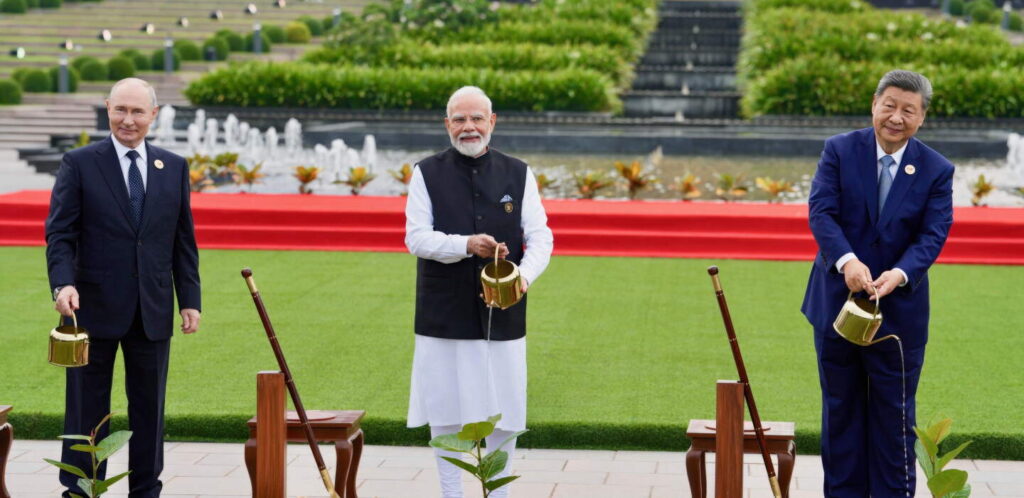
At the BRICS Summit in New Delhi, Member Countries Defend Their Vision of Today’s and Tomorrow’s World
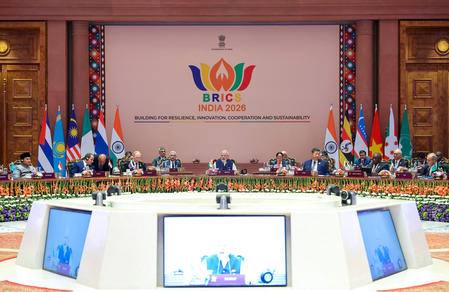
The 18th BRICS summit in New Delhi showcased cohesion among the 11 member states and their stated ambition to reshape the global order.
The 18th BRICS summit in New Delhi showcased cohesion among the 11 member states and their stated ambition to reshape the global order.
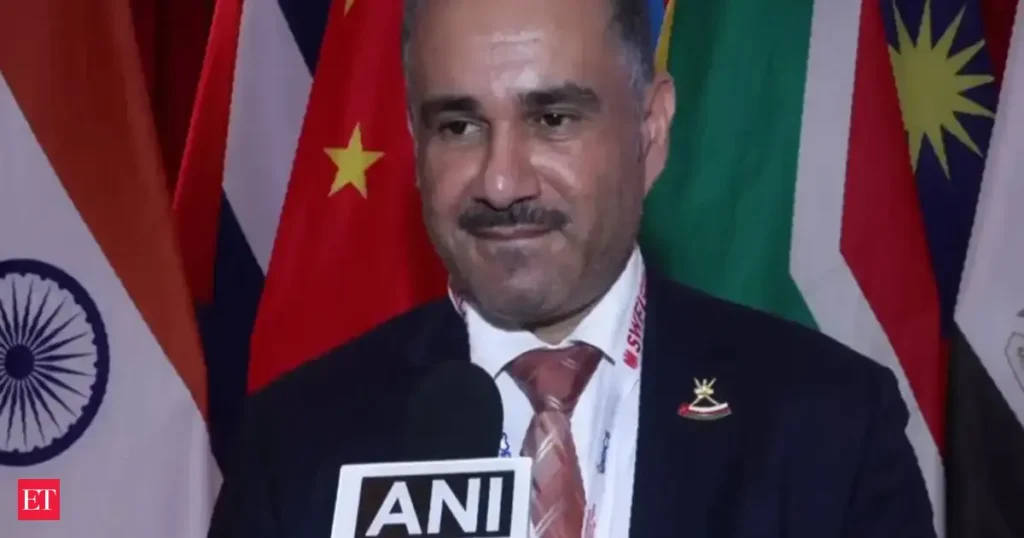
Oman praised India for steering the expanded BRICS grouping toward a joint declaration, saying the consensus-building reflected New Delhi’s experience in multinational diplomacy.
The India Electronics and Semiconductor Association said the BRICS Summit agenda and SEMICON India 2026 can help advance cooperation in semiconductors, electronics, and resilient supply chains.
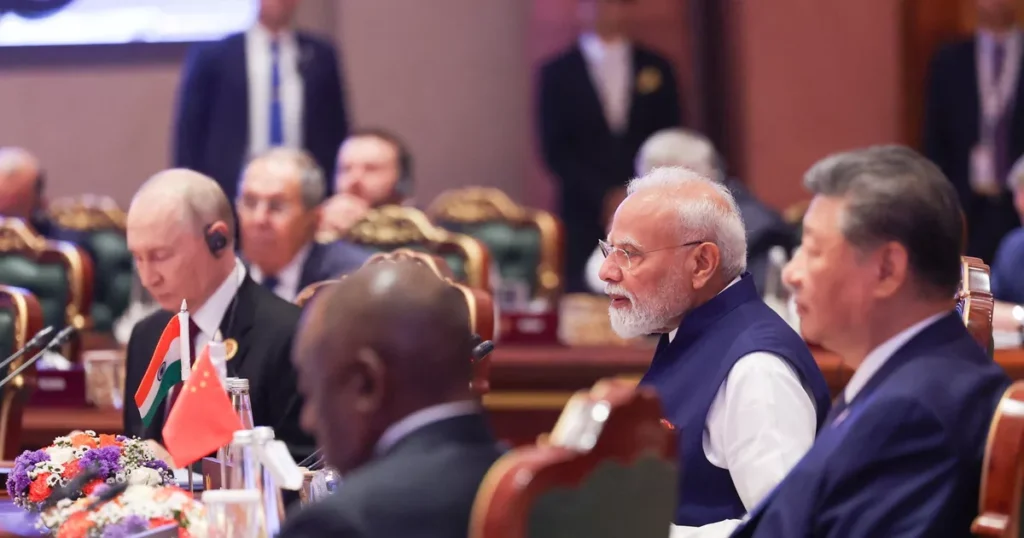
Chinese President Xi Jinping said China would pilot an open-source artificial intelligence zone for the BRICS bloc and called for a broader global AI governance framework based on consensus.

BRICS leaders concluded a two-day summit with calls for cooperation, inclusive global economic growth, and support for a rules-based multilateral trading system.
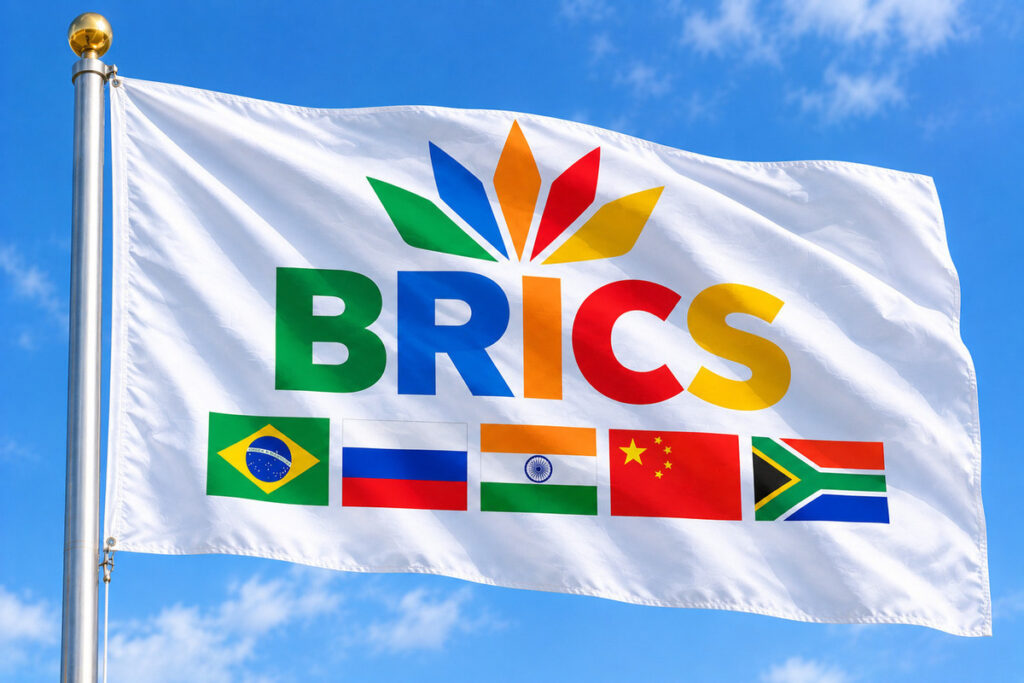
Indian Prime Minister Narendra Modi said the BRICS summit held in New Delhi was successful and demonstrated the group’s role as an ecosystem creating solutions to existing problems.
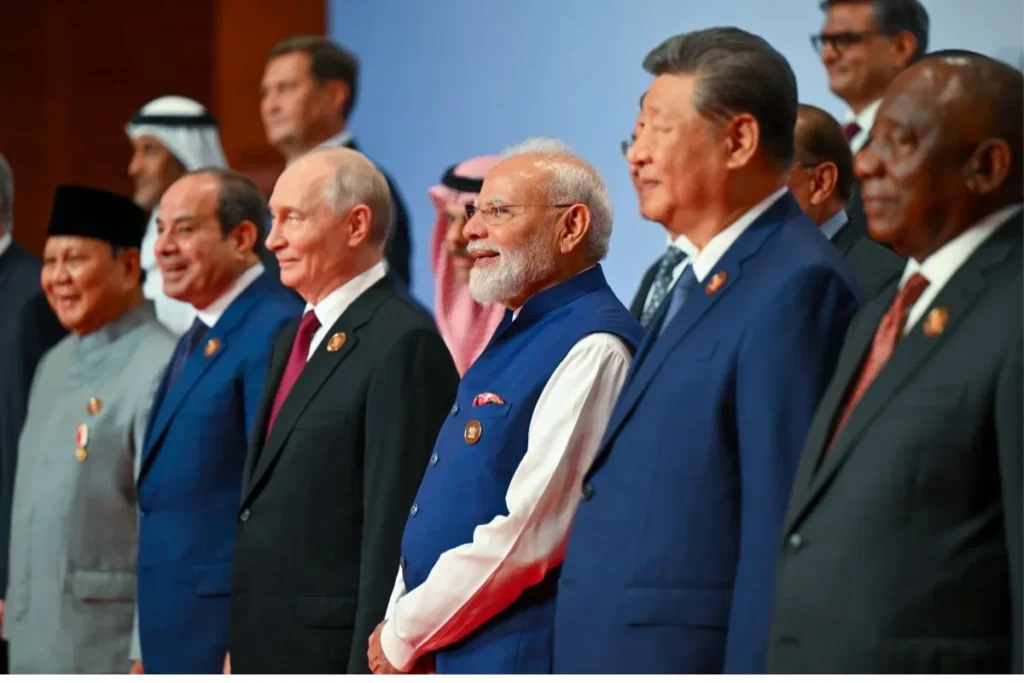
EEPC India said addressing non-tariff barriers and improving local-currency payment systems among BRICS countries could resolve nearly 75% of Indian exporters’ challenges.
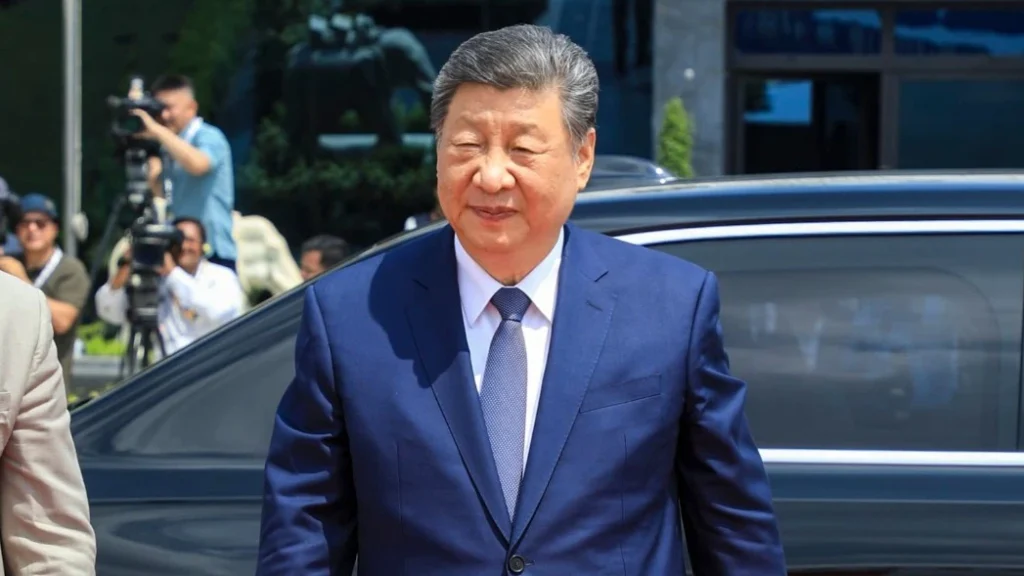
Chinese President Xi Jinping addressed the BRICS summit held in India, urging rule-based international cooperation, UN reform, AI collaboration, and five BRICS initiatives to support the Global South.
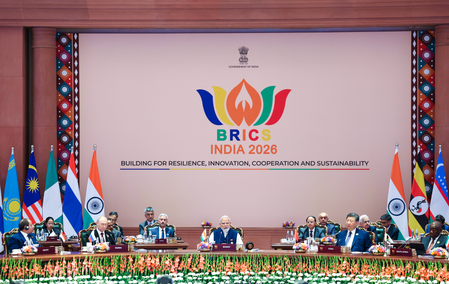
The New Delhi Declaration adopted at the 18th BRICS Summit supports international cooperation in Traditional, Complementary and Integrative Medicine and welcomes a proposed BRICS Expert Working Group.