

BRICS Leaders Vow Crackdown on Scam Compounds and Digital Fraud
The New Delhi Declaration adopted by BRICS leaders addresses organised digital fraud, scam compounds, cybersecurity cooperation, and global governance of artificial intelligence.
The New Delhi Declaration adopted by BRICS leaders addresses organised digital fraud, scam compounds, cybersecurity cooperation, and global governance of artificial intelligence.
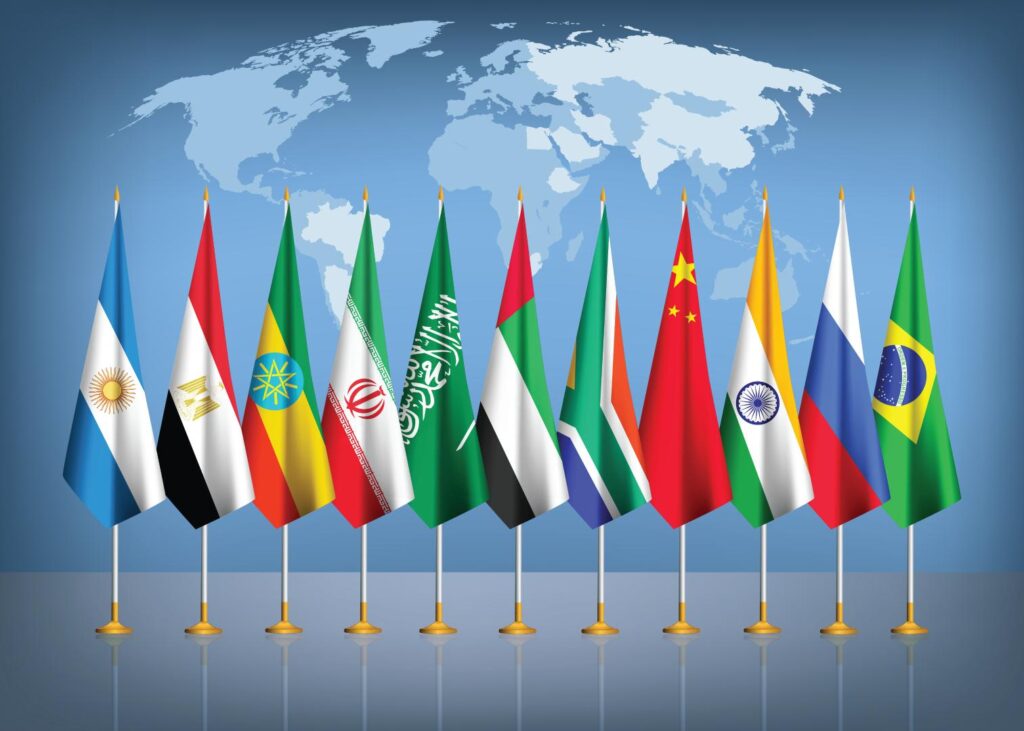
BRICS leaders welcomed a new cooperation network focused on skills, employability, social security and technology, while also endorsing capacity-building centres for member states.
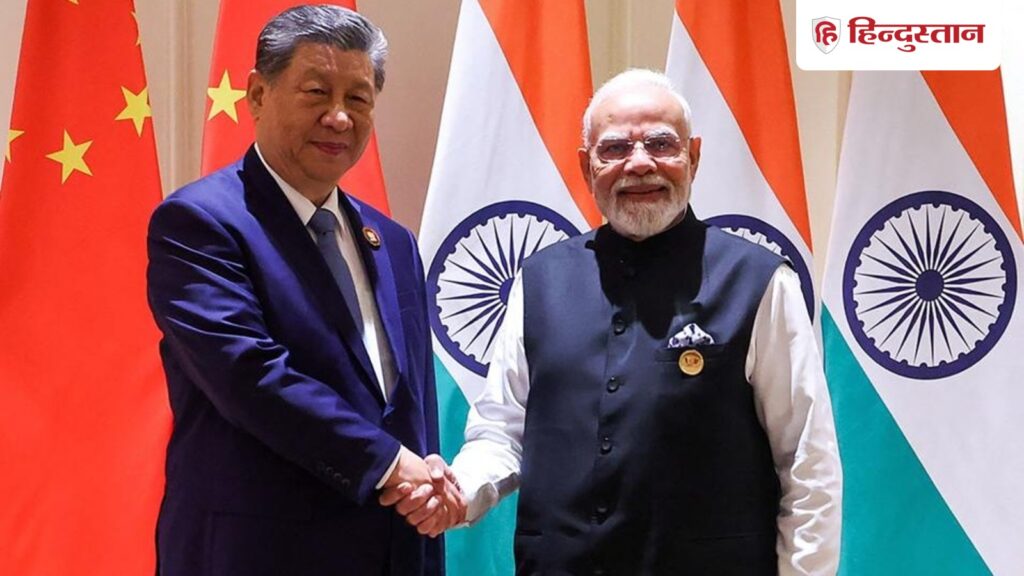
China reportedly shared a five-point plan for BRICS emphasizing trade and technology.
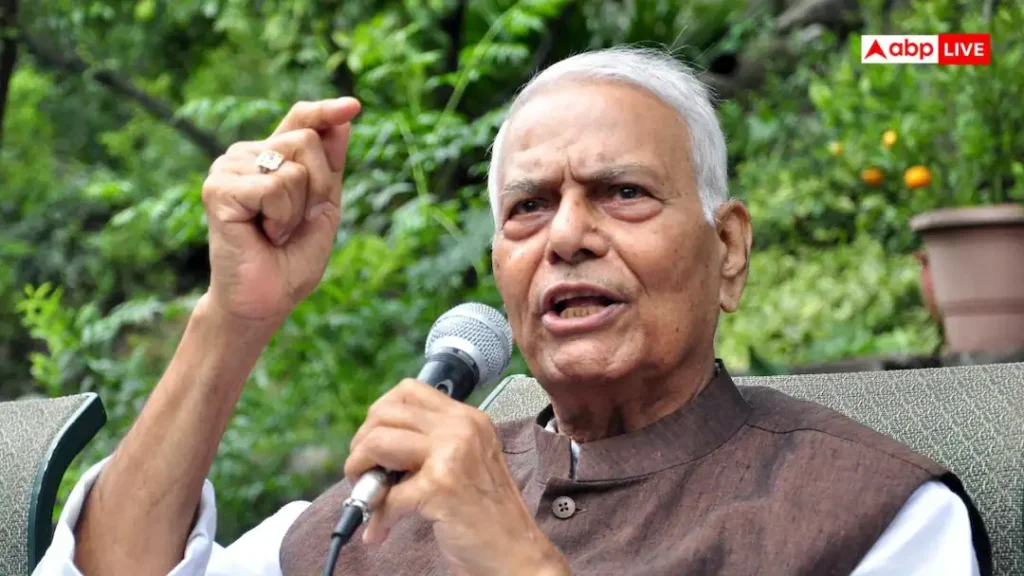
Former Indian foreign minister Yashwant Sinha assessed the New Delhi BRICS summit as a diplomatic success while expressing distrust toward China.
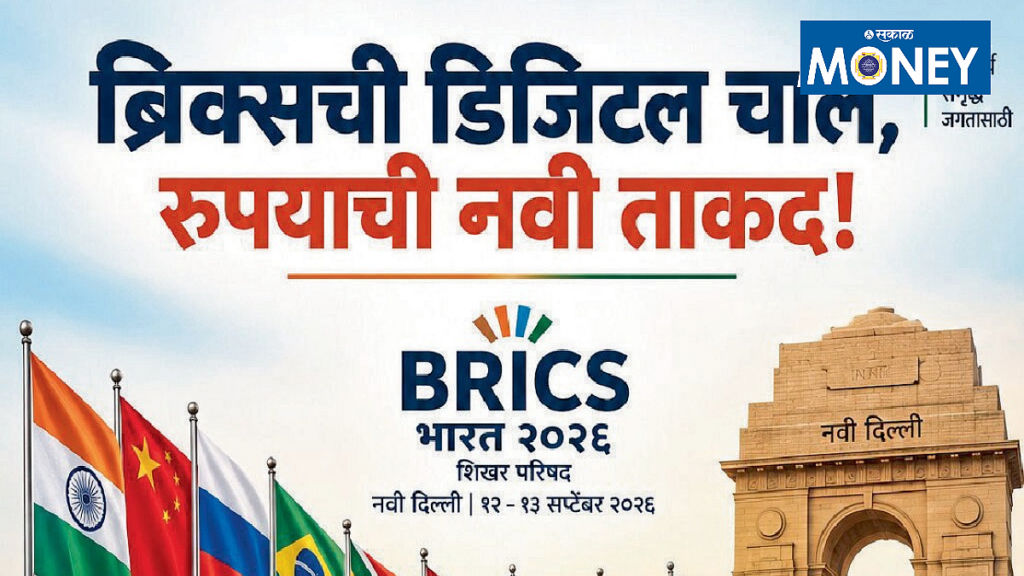
India’s 2026 BRICS presidency and the 18th BRICS Summit in New Delhi are framed as an opportunity to advance local-currency trade, digital payments, UPI connectivity and rupee internationalisation.
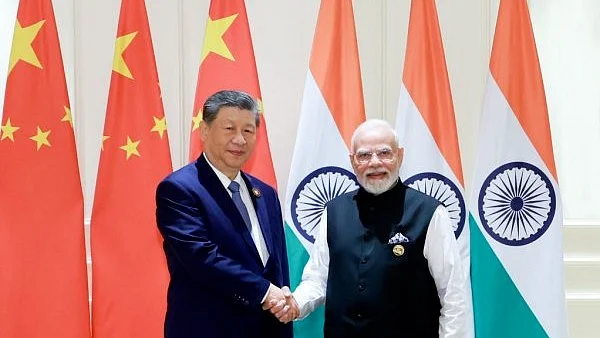
India hosted the 18th BRICS Summit in New Delhi, with China set to assume the rotating presidency and host the 19th summit in 2027.
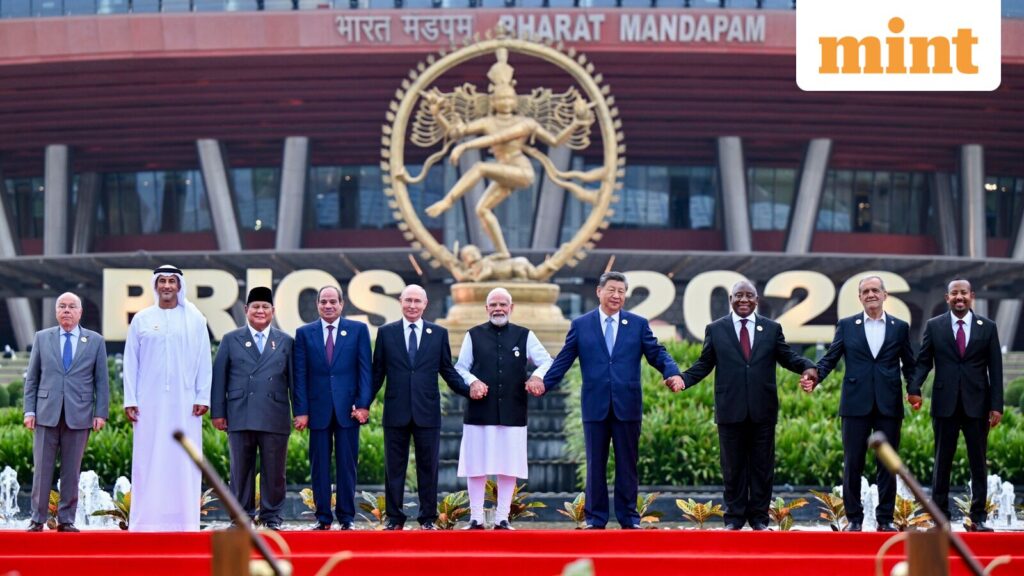
An editorial argues that BRICS should move from accepting existing global rules to shaping them, while maintaining a non-confrontational stance toward the West.
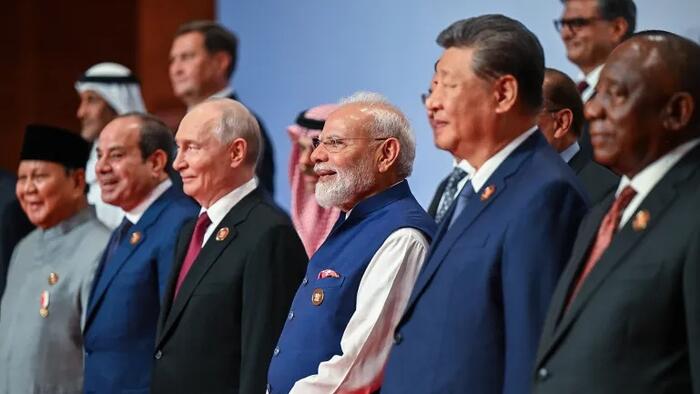
The 18th BRICS summit endorsed local-currency settlement, payment interoperability and BRICS Pay, while stopping short of a common currency and navigating Iran-UAE tensions.
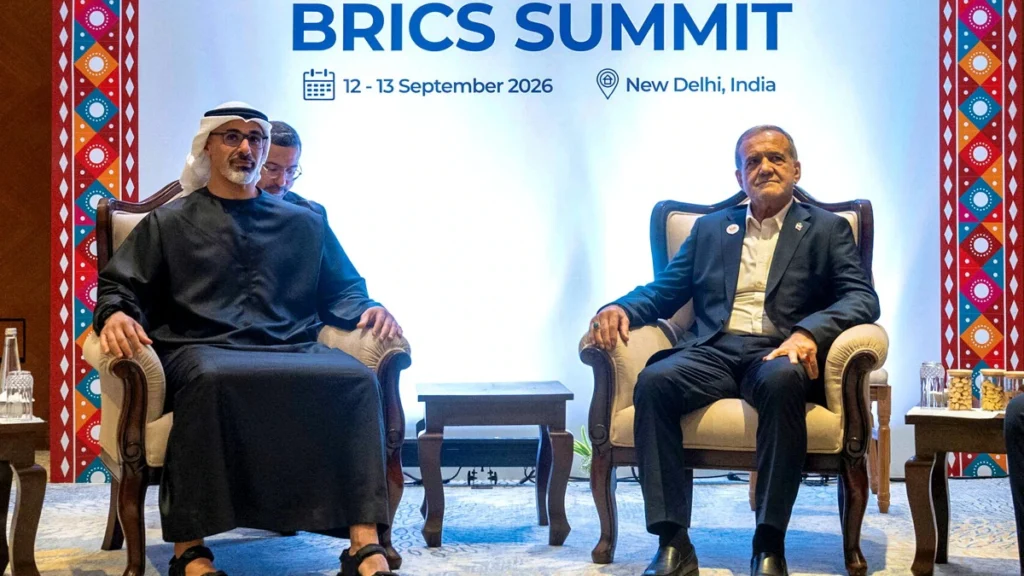
India steered the expanded BRICS grouping to adopt the New Delhi Declaration by consensus, secured collective condemnation of the Pahalgam attack, and positioned the summit around Global South priorities rather than an anti-Western agenda.