
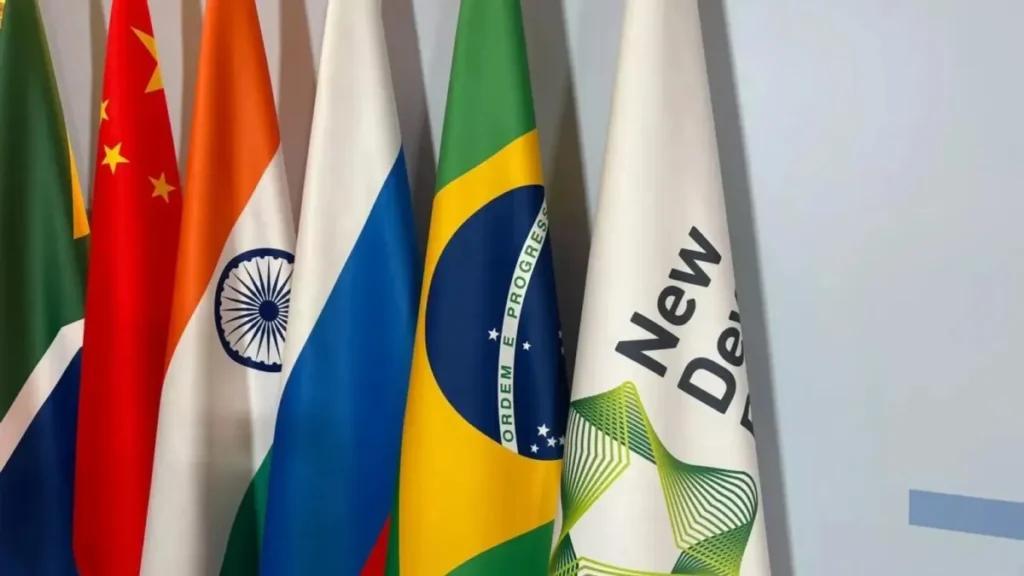
BRICS: A Window to the Future
The long-term success of BRICS will be measured not by what it opposes, but by what it builds.
The long-term success of BRICS will be measured not by what it opposes, but by what it builds.
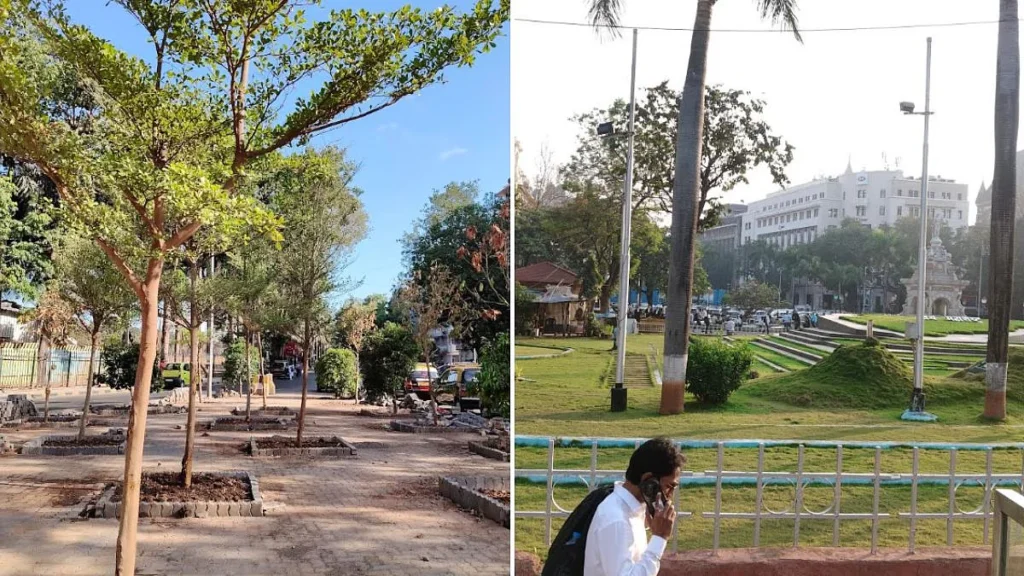
A BRICS city-cooperation report presented in Mumbai urges prioritising urban cooling, expanding green infrastructure and strengthening heat-resilient planning through joint BRICS initiatives.
Rousseff said approximately 23.95 billion Brazilian reais in financing operations for Brazil had been approved since March 2023, when she assumed leadership of the Shanghai-based institution.

The New Development Bank president explains BRICS-led financial architecture, local-currency lending, institutional expansion, and the 2027-2031 strategy for technology, infrastructure, and sovereignty.
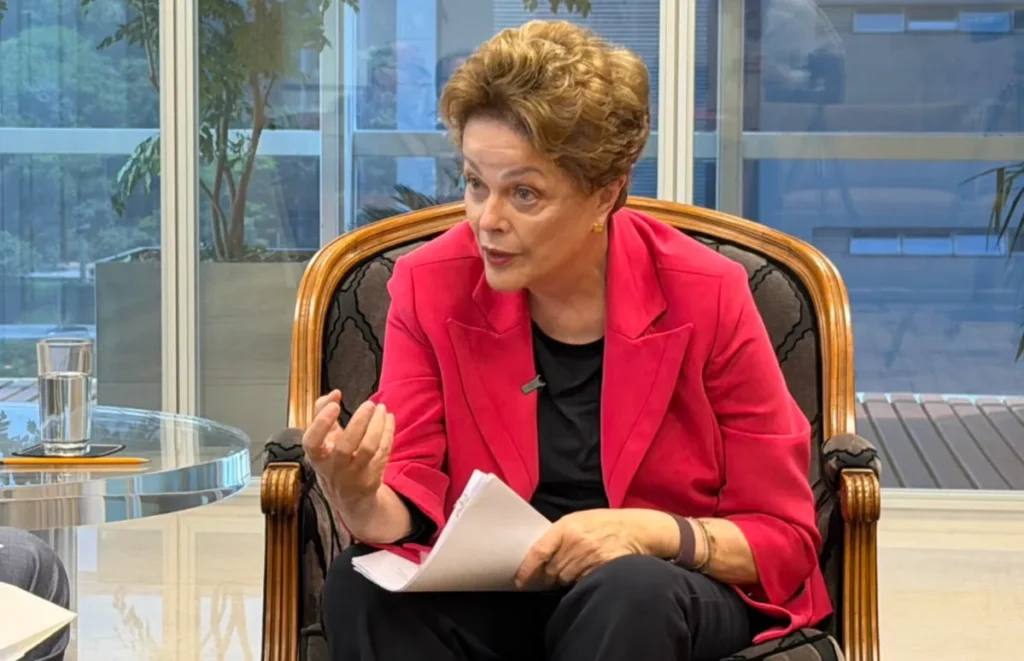
The NDB president says Lula’s leadership helps position the Global South, while detailing the bank’s investments, local-currency strategy and expansion plans.
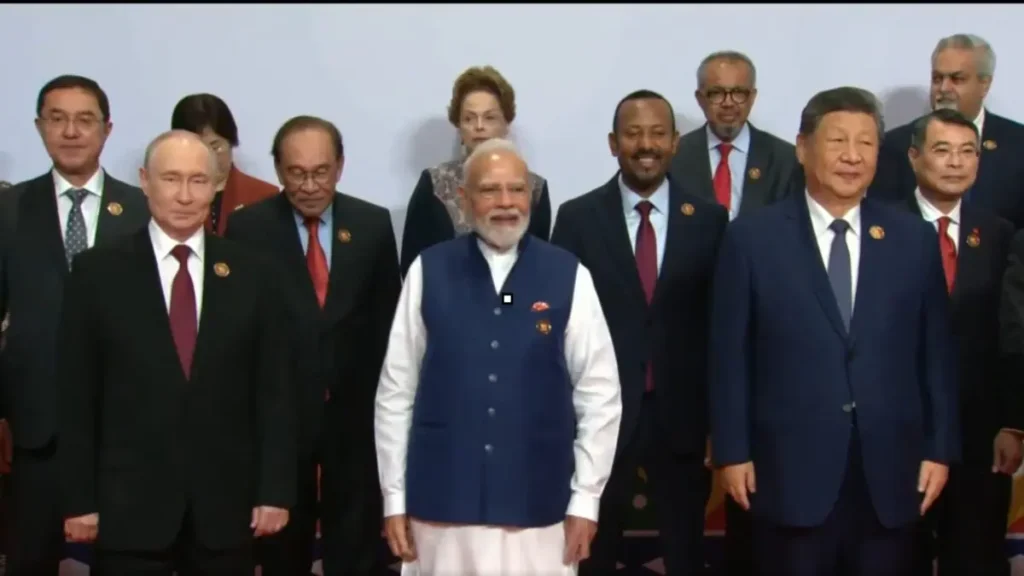
The article outlines India’s strategy to combine BRICS+ cooperation mechanisms with Western deep-tech partnerships to support a $10 trillion net-zero transition.
Ghana has approved a formal bid to join BRICS during Indian External Affairs Minister S. Jaishankar’s visit to Accra, with India expressing support for the country’s aspirations.
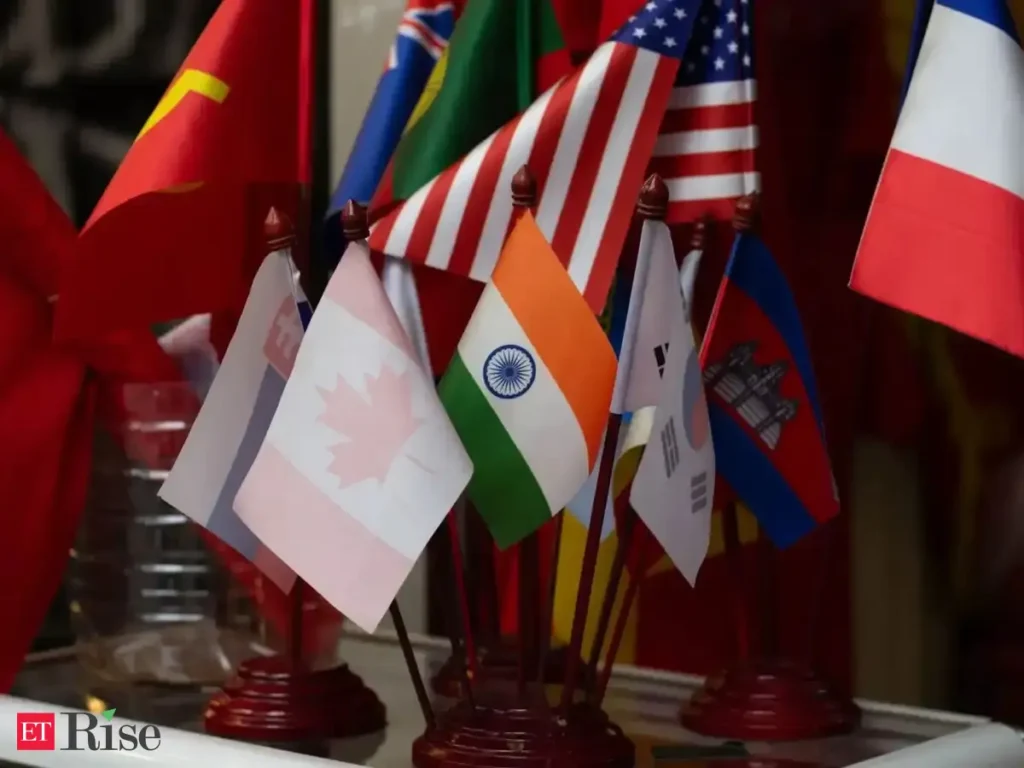
BRICS 2026 momentum will depend on converting trade agreements into reliable logistics corridors, digital customs systems, infrastructure and public-private investment.

Experts say China’s Greater BRICS initiatives could help Pakistan expand technology cooperation, industrial development, skills exchange and exports if linked with CPEC 2.0.