
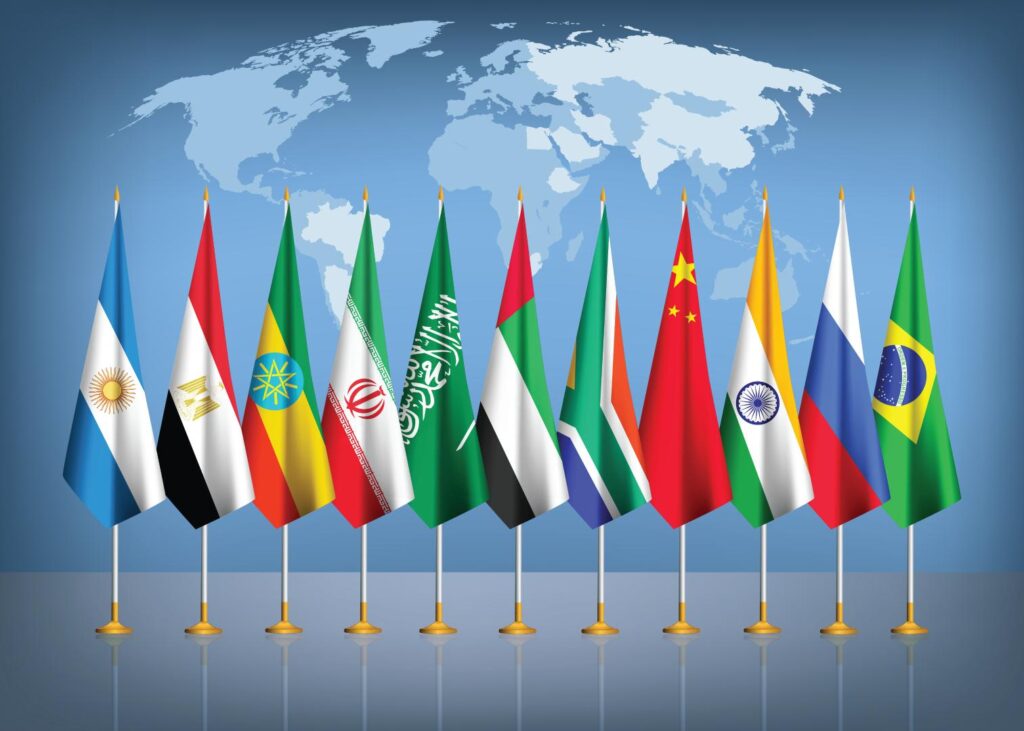
BRICS: Why India’s Bet on Practical Ties Matters
India’s BRICS presidency emphasized practical, sector-specific cooperation to keep the expanded and diverse grouping functional.
India’s BRICS presidency emphasized practical, sector-specific cooperation to keep the expanded and diverse grouping functional.
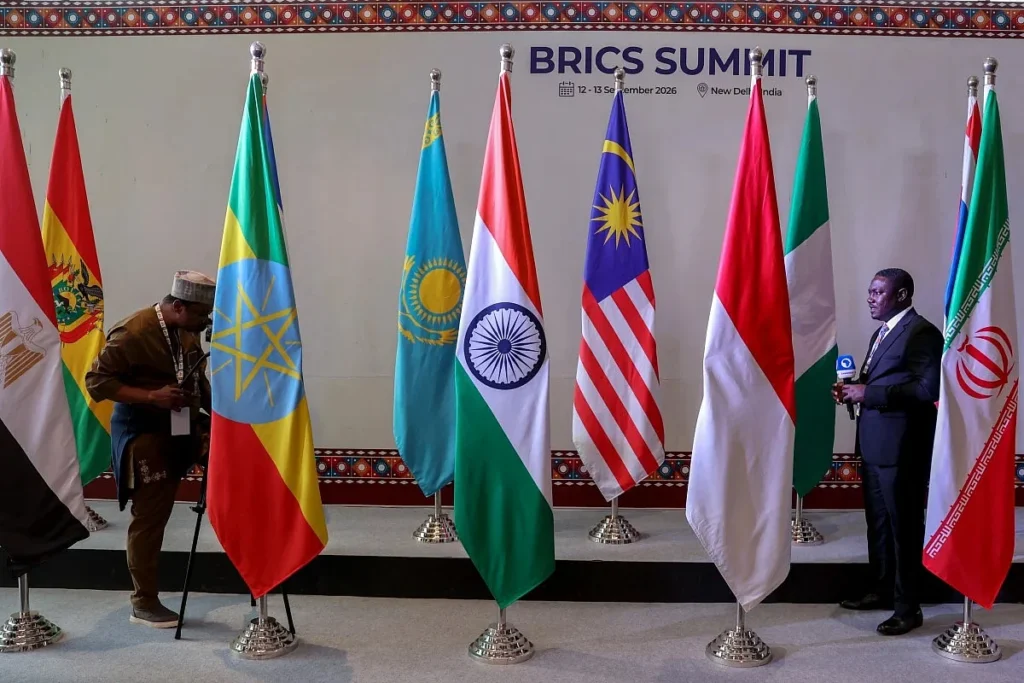
An opinion piece argues that BRICS should focus on lowering cross-border business costs and delivering tangible outcomes in trade, investment, technology, finance, and sustainability.
An opinion piece proposes a federated BRICS health information exchange framework based on India’s digital public infrastructure experience.
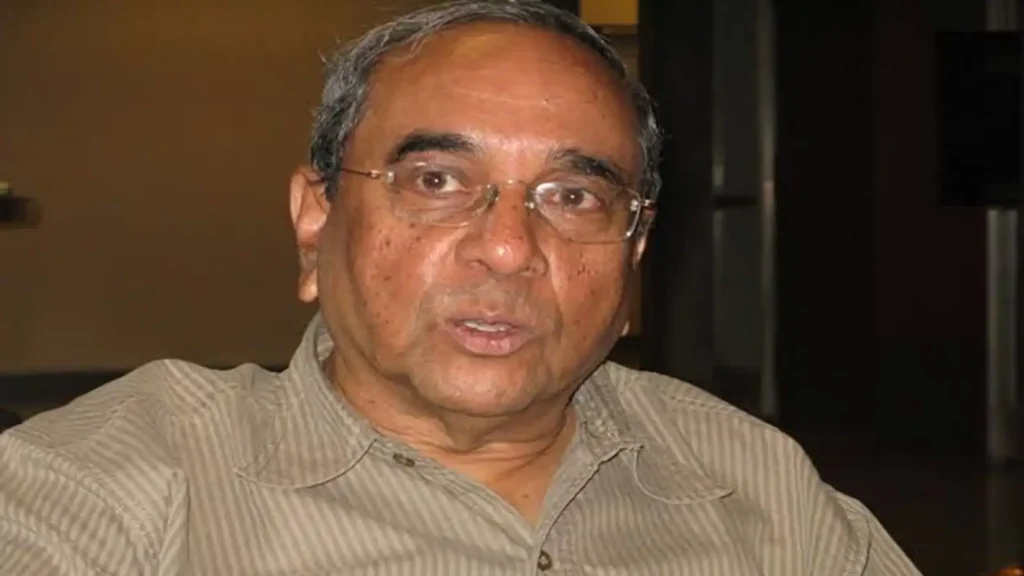
Former Foreign Secretary Shashank says BRICS has expanded beyond economic cooperation to strategic issues, and that India’s role is significant while balanced India-China ties, energy security and UN reform support remain important.
A commentary argues that BRICS has evolved from a geoeconomic grouping into a broader platform for Global South strategic autonomy, while expansion and divergent interests make internal coherence more difficult.

BRICS Pay is being developed to connect national payment systems, reduce reliance on SWIFT, and facilitate cross-border transactions in local currencies among BRICS members.
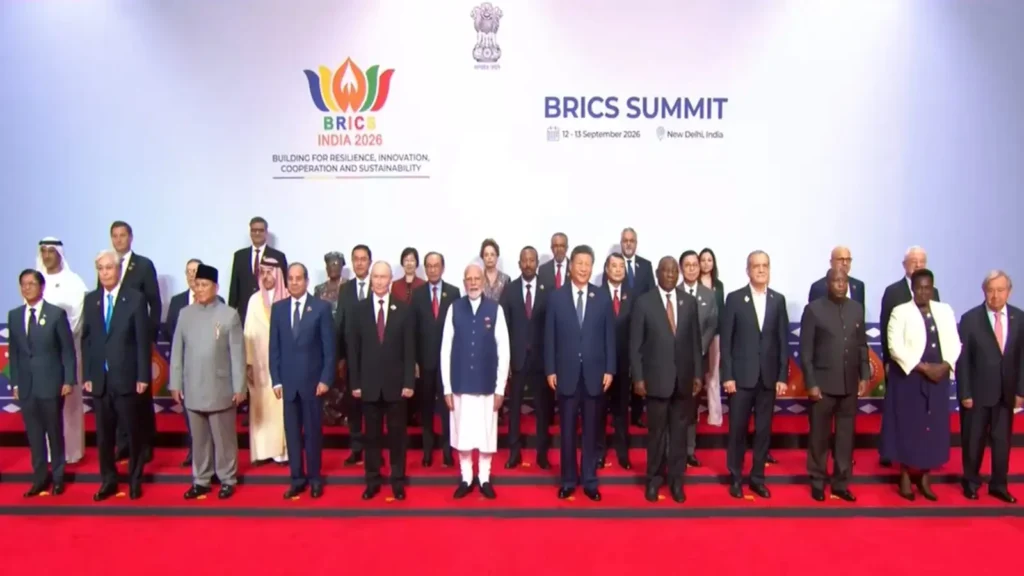
The 2026 BRICS Summit in New Delhi adopted the New Delhi Declaration on the first day, underscoring India’s chairmanship and BRICS cooperation on financial reform, local currencies, and digital public infrastructure.
An analysis of India’s BRICS chair argues that its value lies in shaping BRICS agendas, strengthening development institutions, advancing counter-terrorism consensus, and promoting cooperation on finance, infrastructure, and artificial intelligence.
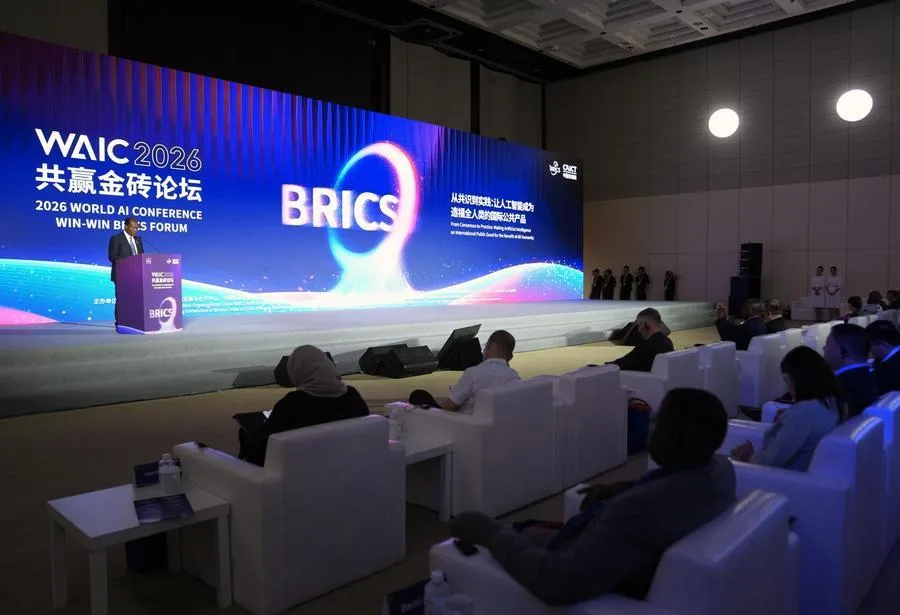
A South African specialist says China’s upcoming rotating BRICS leadership may deepen cooperation in local-currency payments, artificial intelligence, clean energy, development finance and reforms to strengthen the Global South’s influence.