
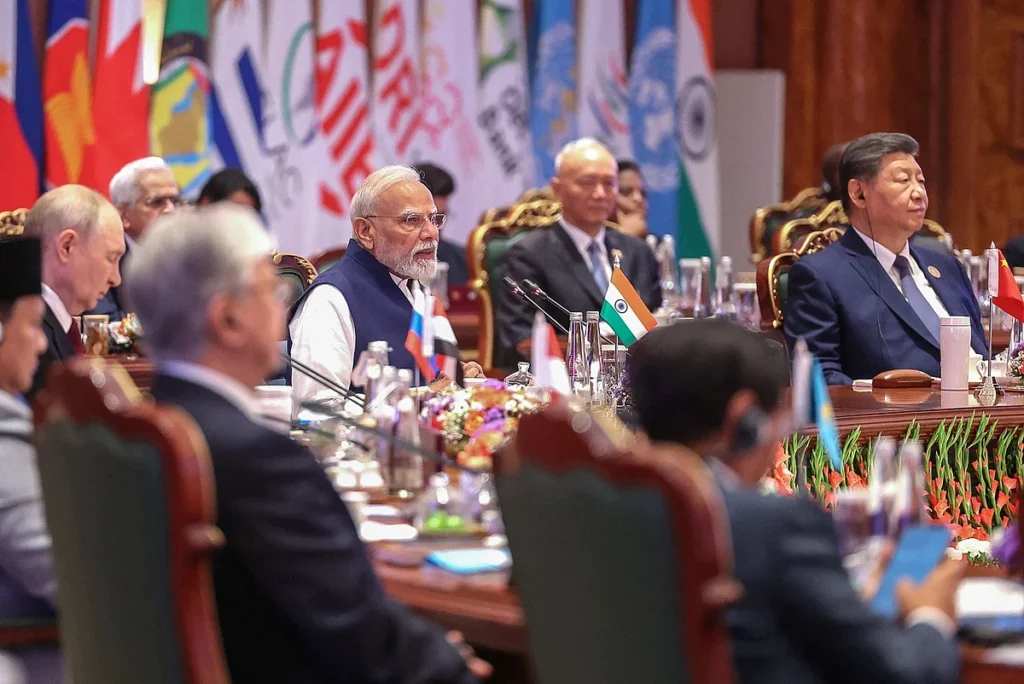
Bigger BRICS Test Now: Turning Global South Weight into Influence
India’s BRICS presidency secured consensus in the New Delhi Declaration, but the grouping’s credibility now depends on delivering practical outcomes at speed and scale.
India’s BRICS presidency secured consensus in the New Delhi Declaration, but the grouping’s credibility now depends on delivering practical outcomes at speed and scale.

The Communist Party of India welcomed the BRICS declaration and said the grouping should lead the push for a more representative, democratic and equitable international order.
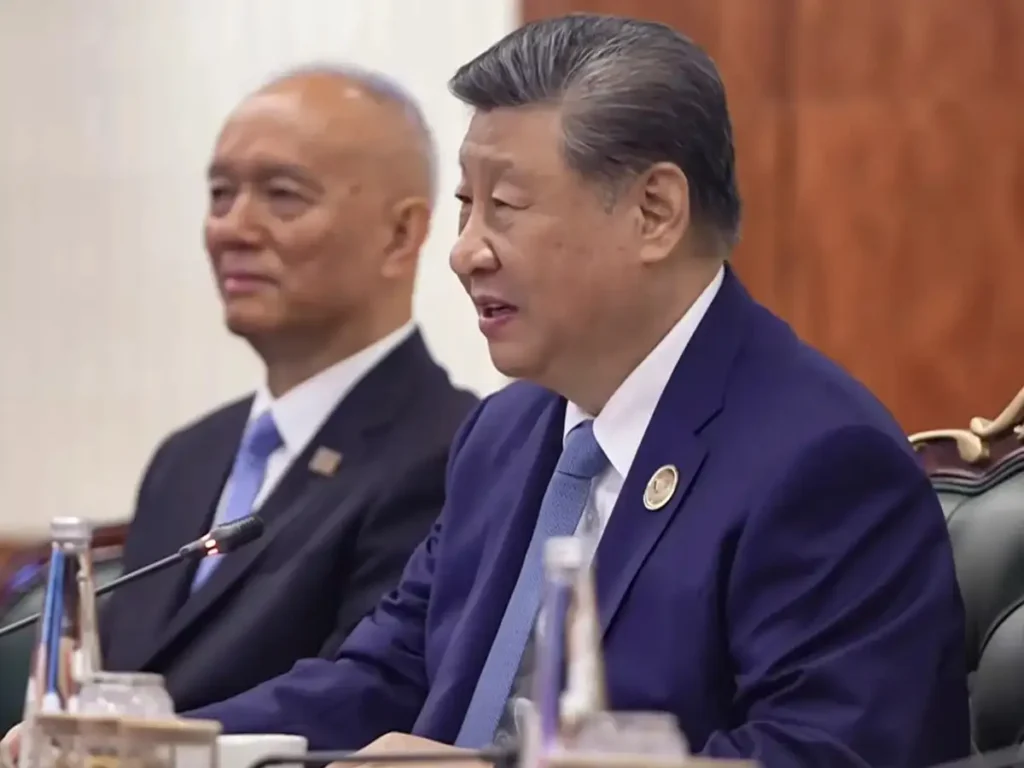
Xi unveiled a five-point BRICS cooperation initiative at the summit’s concluding session, centered on AI, digital economy, manufacturing, trade and science-technology collaboration.
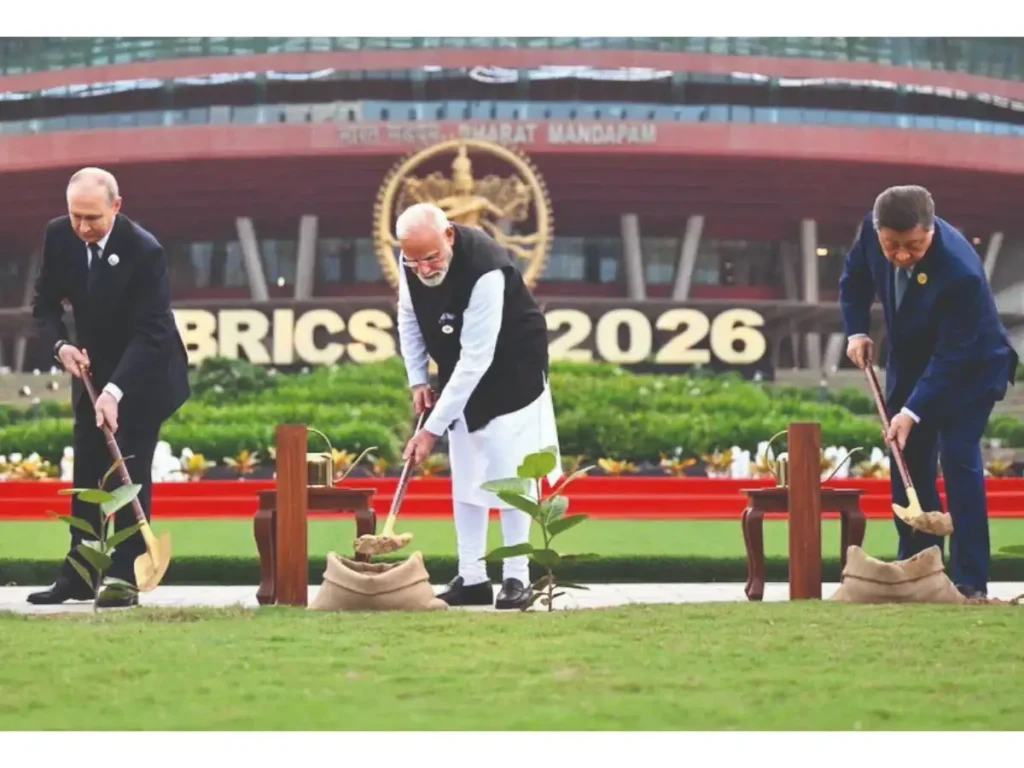
India hosted a BRICS summit bringing together members and partners, producing a joint statement focused on economic instability, sanctions, energy and food risks, and the need for continued multilateral engagement.
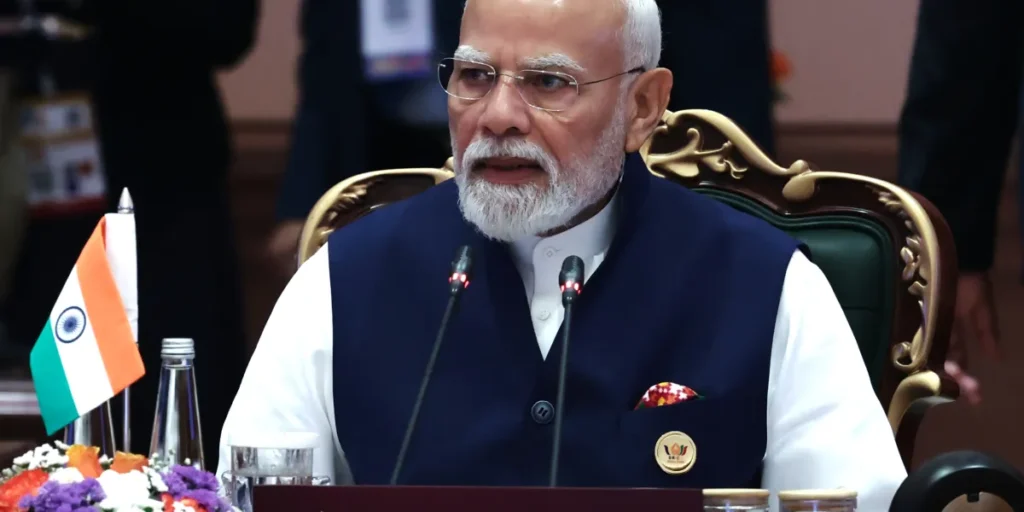
At the BRICS summit in New Delhi, Prime Minister Narendra Modi called for tangible, time-bound implementation of summit outcomes, while the bloc agreed on an infectious disease early warning system and reaffirmed support for multipolarity and institutional reform.
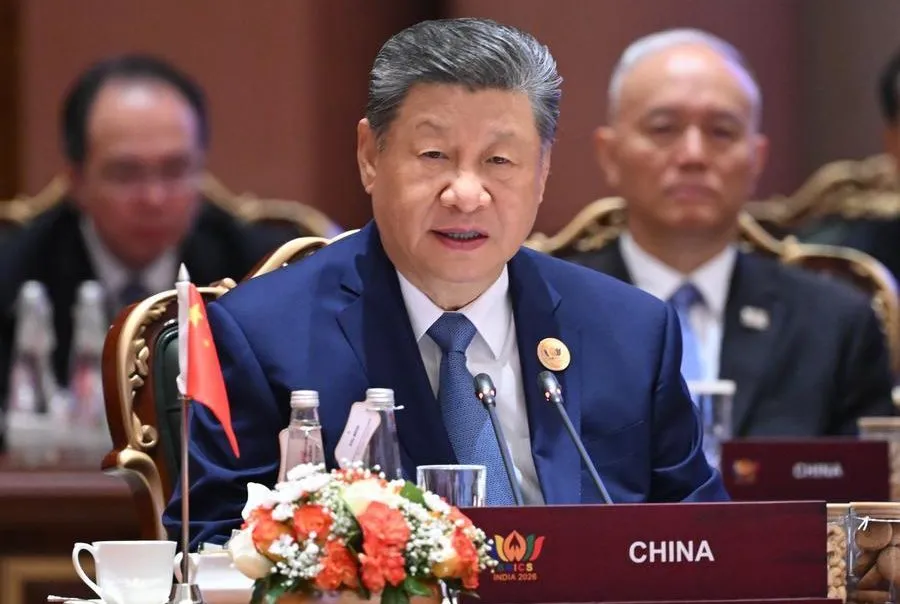
Chinese President Xi Jinping presented five cooperation initiatives at the BRICS+ session in New Delhi and called for reform of the international financial architecture.
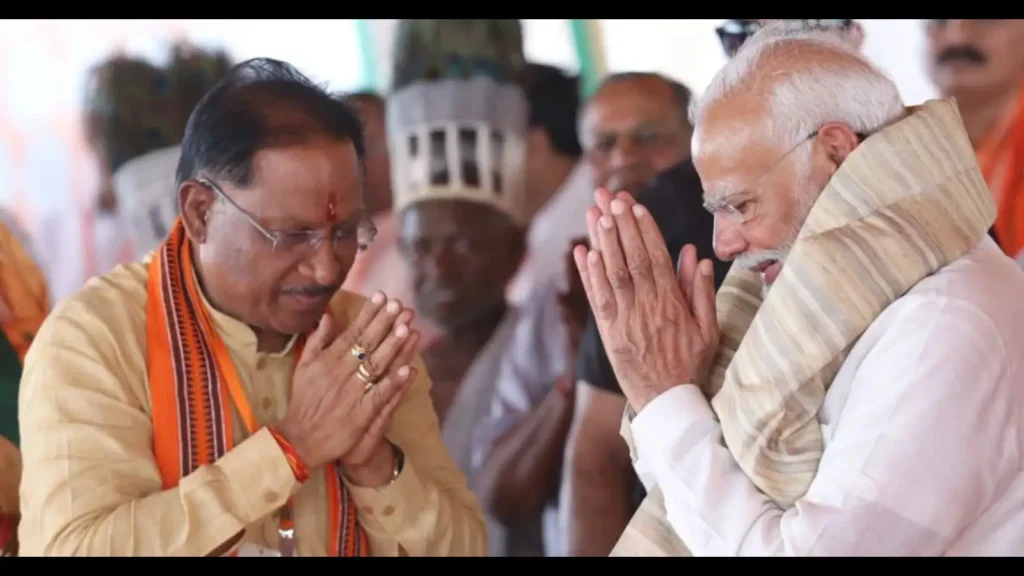
Chhattisgarh Chief Minister Vishnudev Sai said India’s 2026 BRICS presidency and hosting of the 18th BRICS Summit reflect the country’s growing global prestige and leadership capacity.
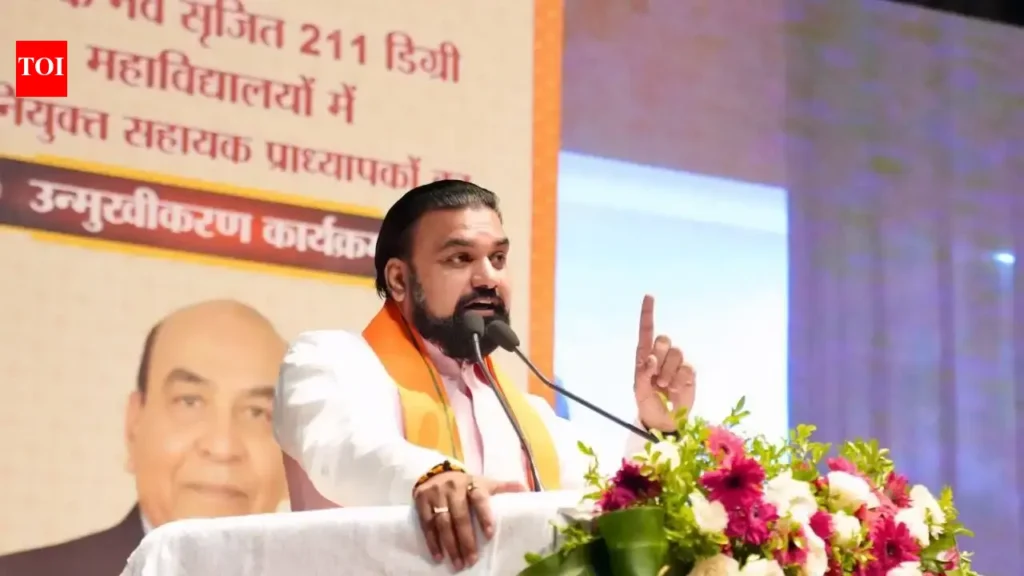
Bihar Chief Minister Samrat Choudhary praised the 18th BRICS Summit in New Delhi and the New Delhi Declaration, highlighting outcomes on multilateralism, counter-terrorism, UNSC reform, trade, technology, and sustainable development.
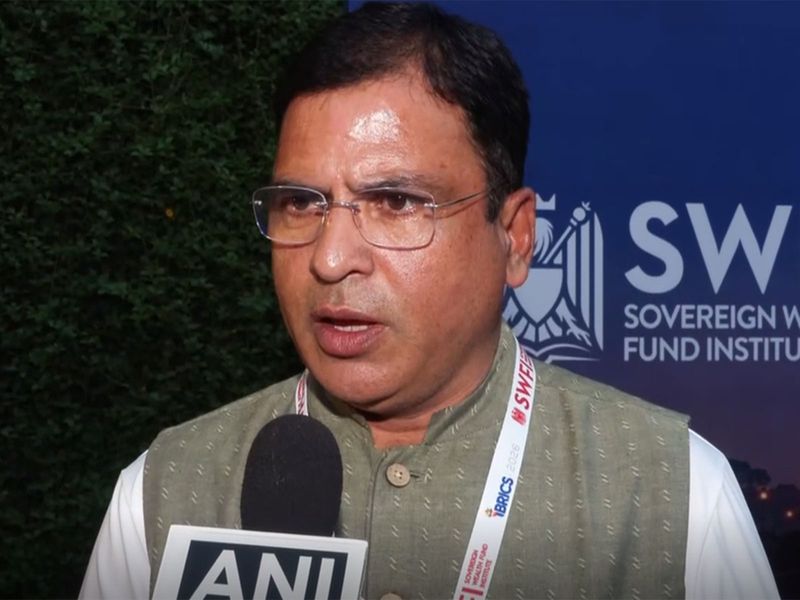
A Maharashtra minister said the state wants to host the next BRICS Summit in Mumbai and attract BRICS-linked investment in data centres and digital infrastructure.