
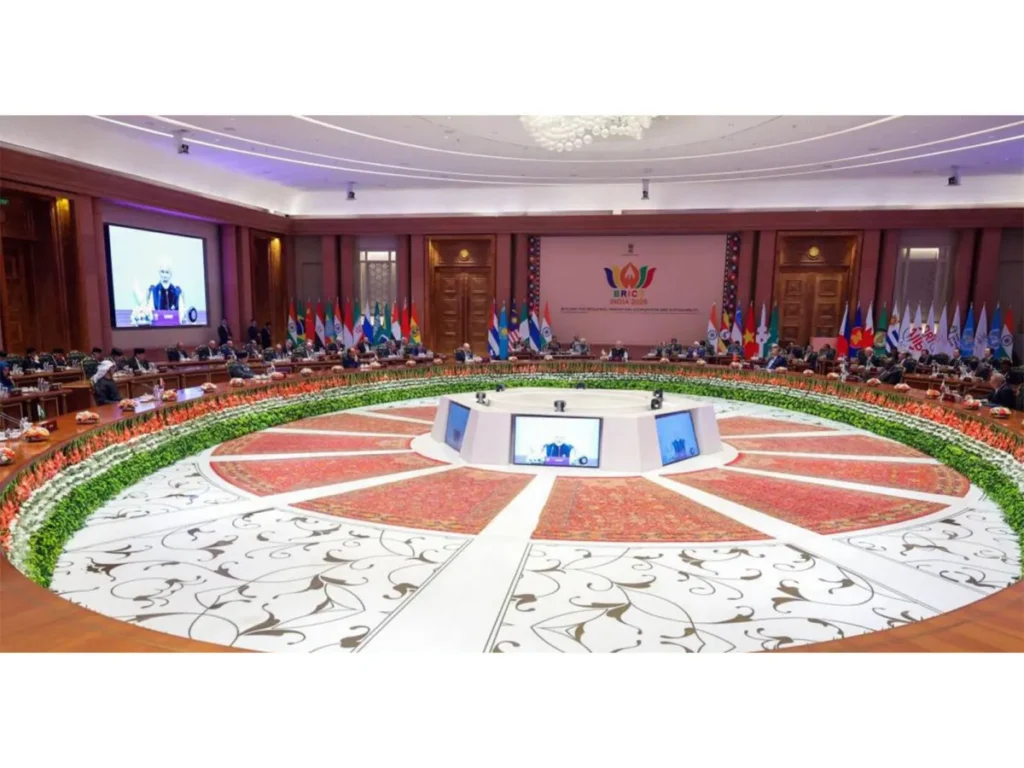
At 20 Years, BRICS Advances as Pillar of Multipolar World
The article argues that BRICS has strengthened the Global South’s influence against unilateralism, protectionism and Western dominance over global governance.
The article argues that BRICS has strengthened the Global South’s influence against unilateralism, protectionism and Western dominance over global governance.
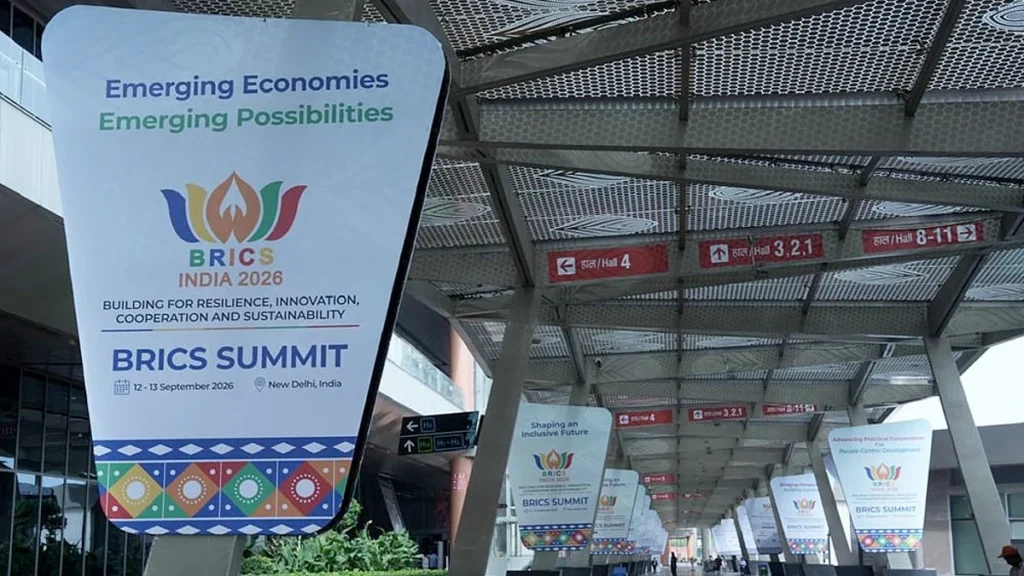
As global order faces turbulence, BRICS is emerging as a key platform for Global South countries seeking greater strategic and economic space.
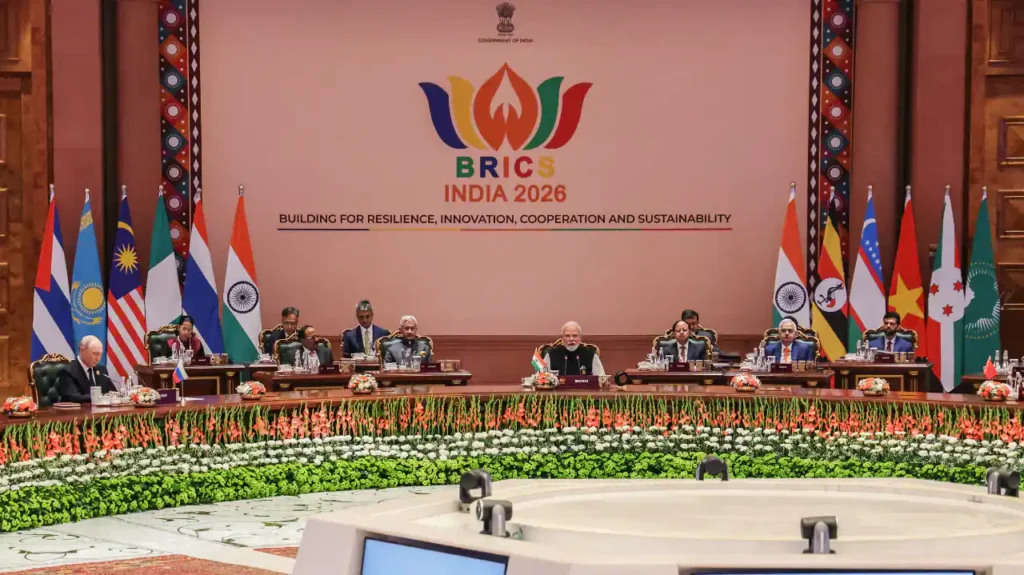
BRICS Summit 2026 outcomes under India’s chairship include plans to expand trade finance for MSMEs, strengthen global value chains, and support startups through proposed funds and networks.
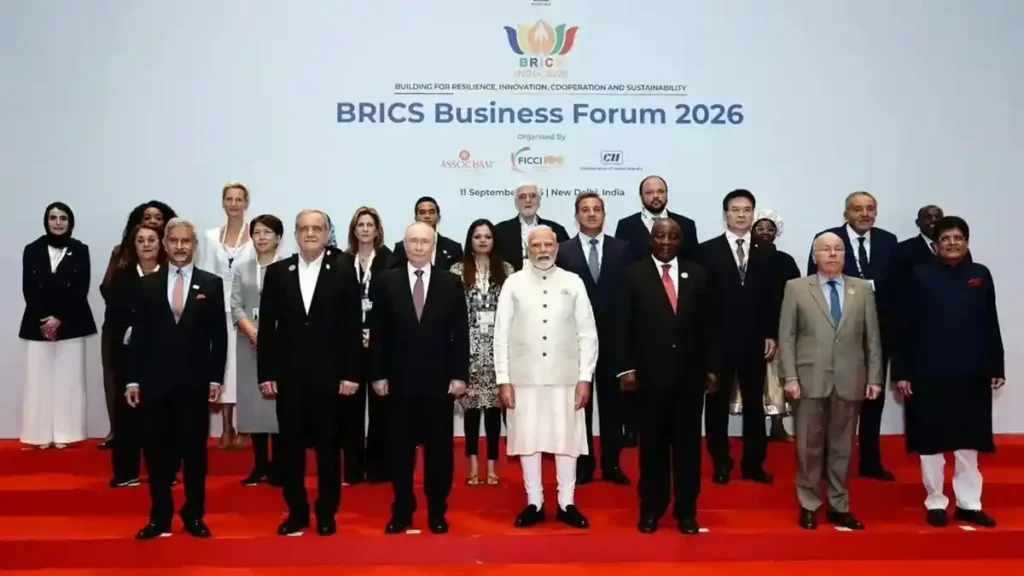
The Indonesian government says BRICS membership does not automatically create NDB financing obligations, while internal procedures to join the bank are underway.

BRICS leaders issued a declaration recognising women as leaders, decision-makers and drivers of economic growth and social transformation, while highlighting women’s role in peacebuilding and sustainable development.
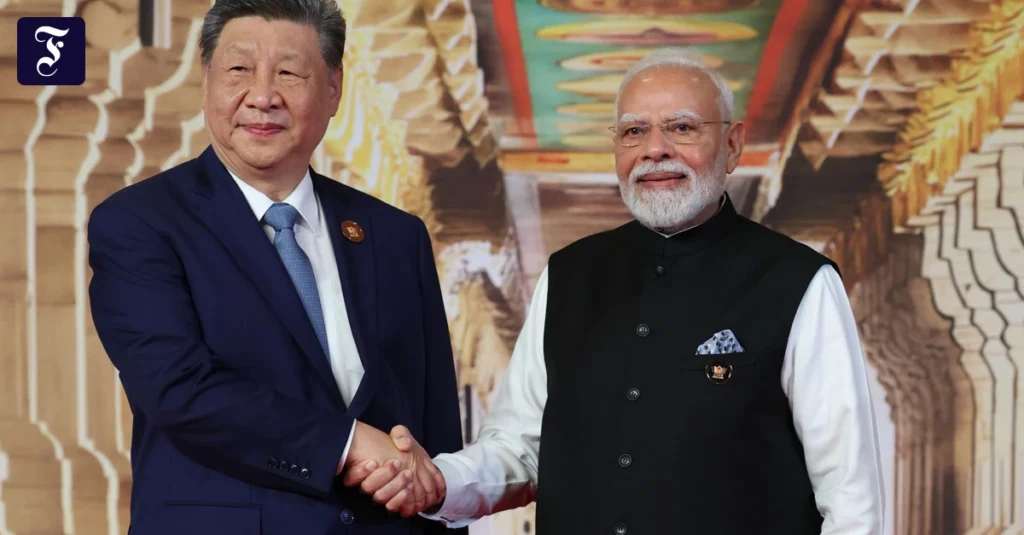
Xi Jinping’s short visit to New Delhi dominates the BRICS summit as India pursues a softer, non-Western orientation while Russia pushes anti-Western rhetoric.
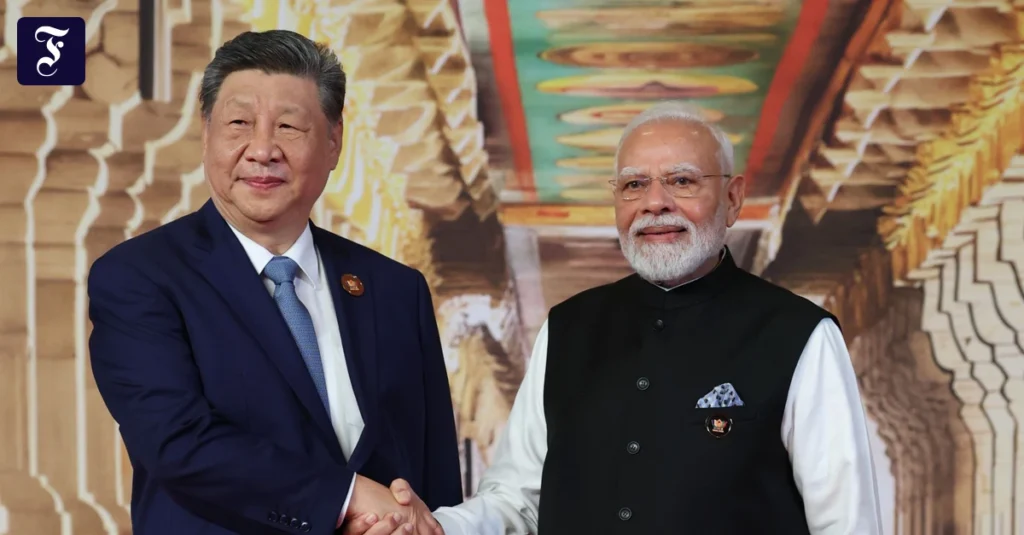
BRICS states expressed deep concern over Middle East tensions, while the summit was dominated by Chinese President Xi Jinping’s meeting with Indian Prime Minister Narendra Modi in New Delhi.
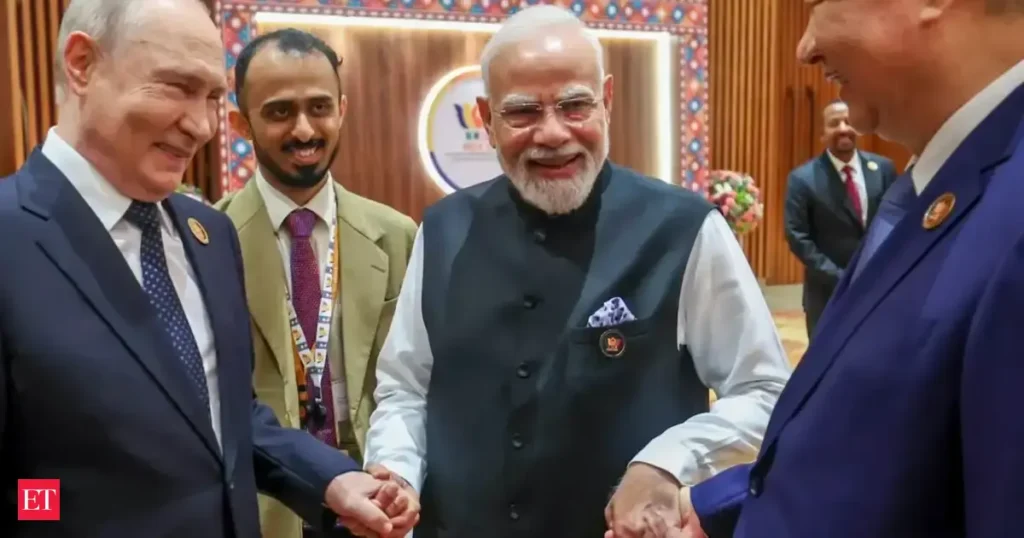
The expanded BRICS grouping adopted the New Delhi Declaration and continued building practical mechanisms for trade, finance, and cross-border payments, reflecting a broader shift toward multipolarity.
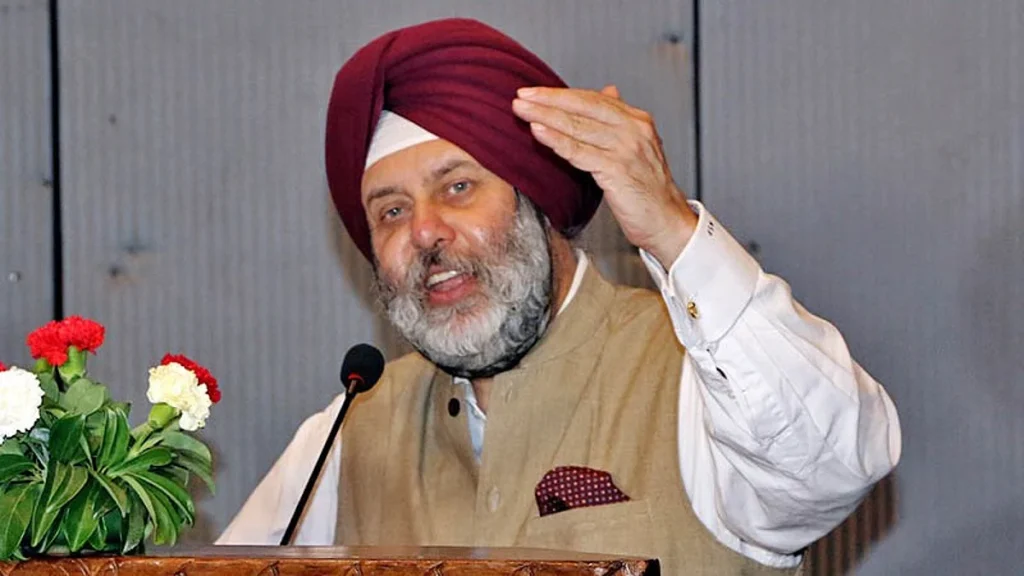
Former Indian diplomat Manjeev Singh Puri said BRICS should prioritize areas of convergence and practical cooperation while managing the divergences created by enlargement.