
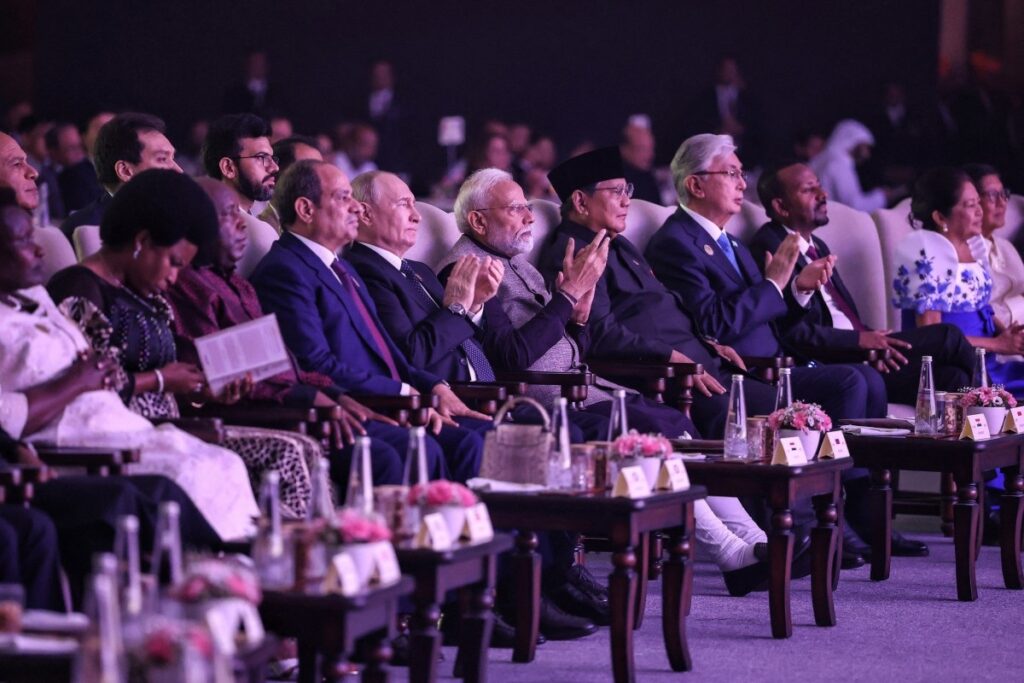
BRICS Leaders Condemn Tariffs and Strengthen Use of Local Currencies
The BRICS New Delhi Declaration criticizes unilateral trade barriers, promotes local currency use, and reinforces financial cooperation without deciding on a common currency.
The BRICS New Delhi Declaration criticizes unilateral trade barriers, promotes local currency use, and reinforces financial cooperation without deciding on a common currency.
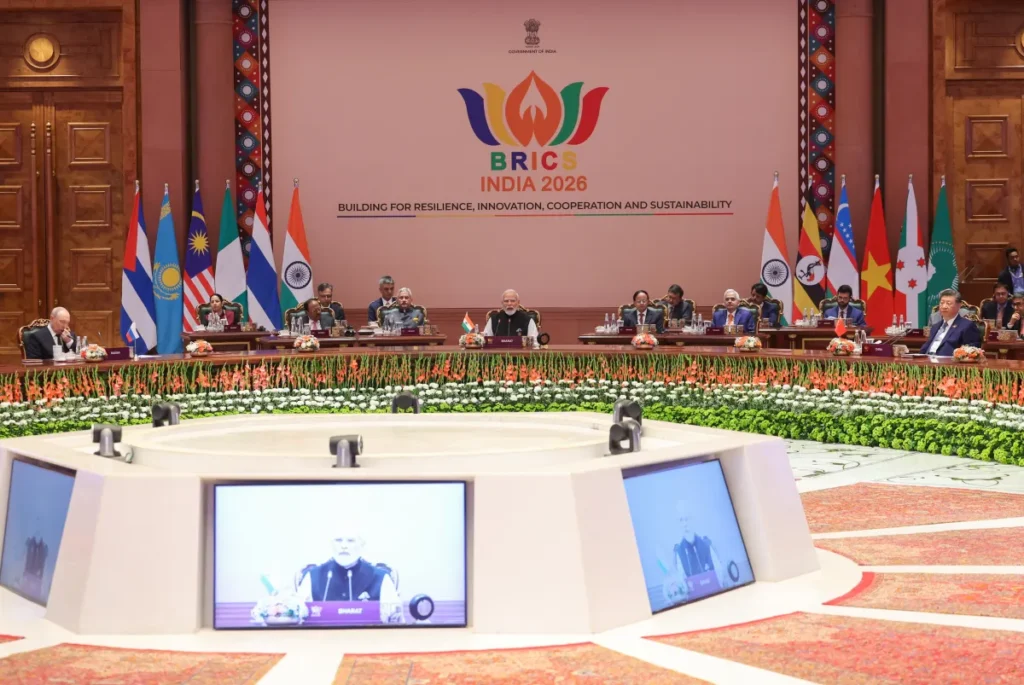
The 18th BRICS summit adopted a declaration calling for restraint in the Middle East, rejecting unilateral economic measures, and expanding cooperation in energy, health, finance, and global governance.
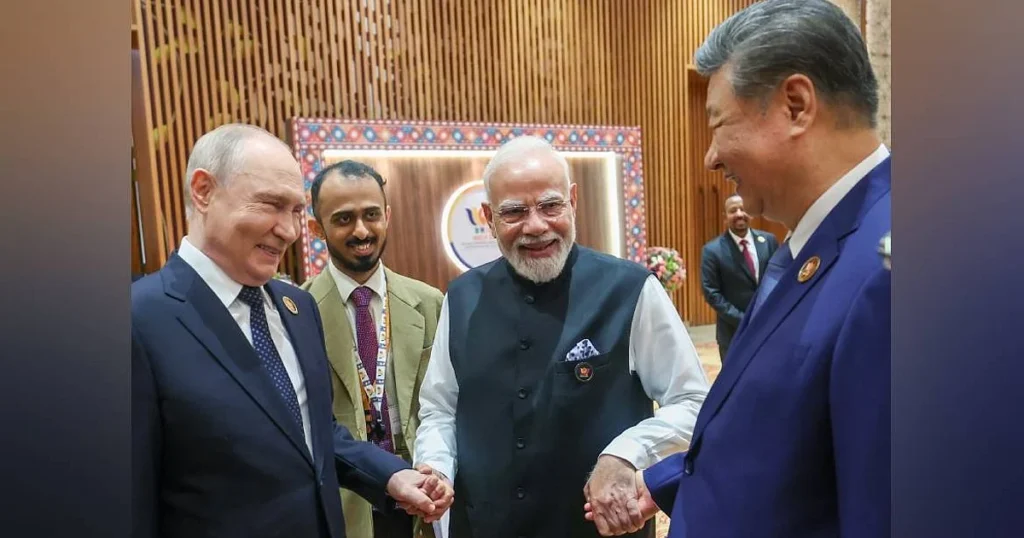
An opinion piece examines the BRICS summit in New Delhi as a space for trade dialogue, diplomatic engagement among member states, and the promotion of a more multipolar global order.
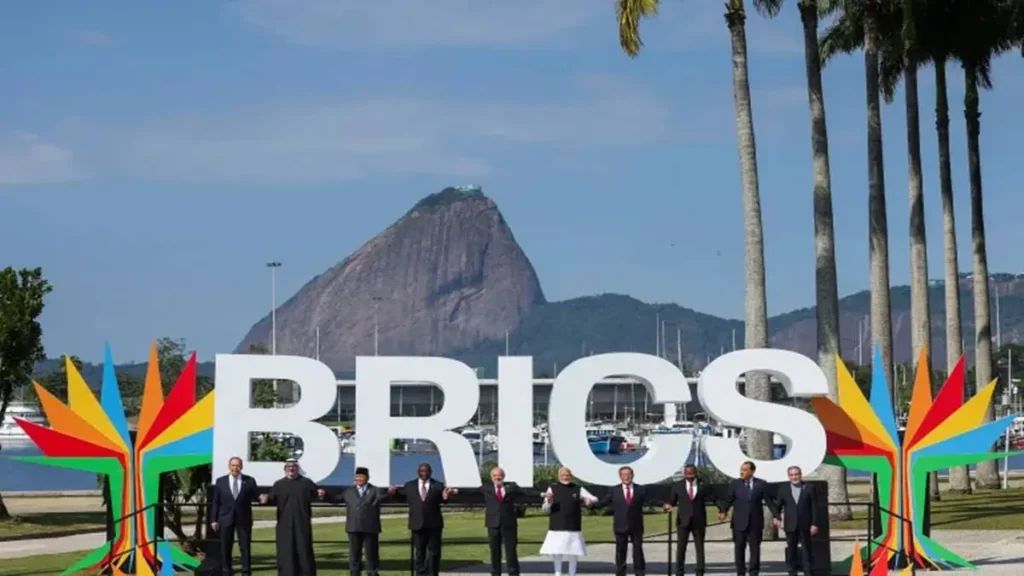
BRICS leaders adopted the New Delhi Declaration, resolving to expand New Development Bank membership, scale up local currency financing, and push for urgent quota and governance reforms in the IMF and World Bank.
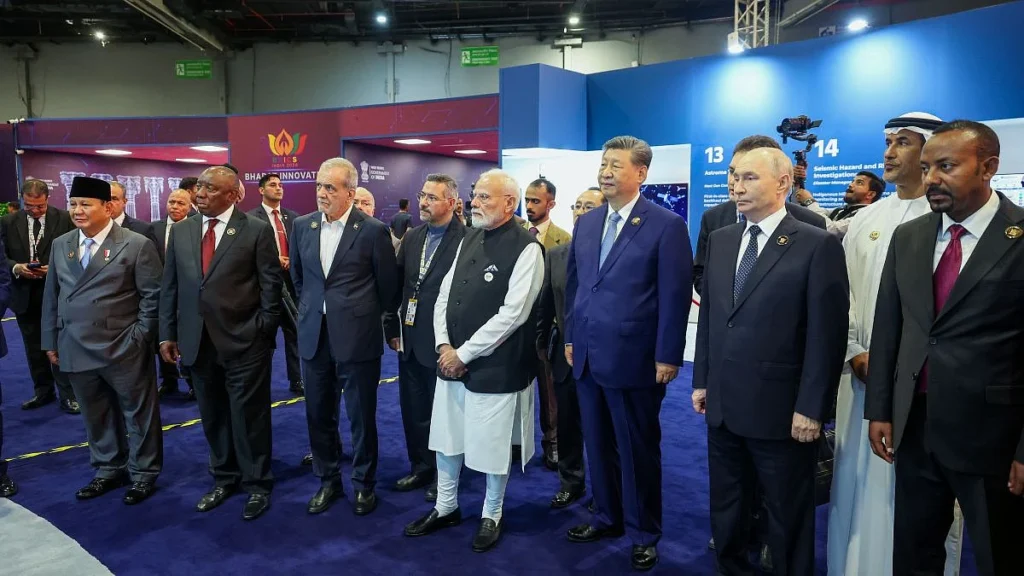
SJM co-convener Ashwani Mahajan said the BRICS consensus on a joint statement was a win-win for India, highlighting strategic autonomy, domestic-currency trade, and payment-system interoperability.

BRICS representatives in New Delhi adopted a final declaration with mainly symbolic value amid internal rivalries and regional conflict.
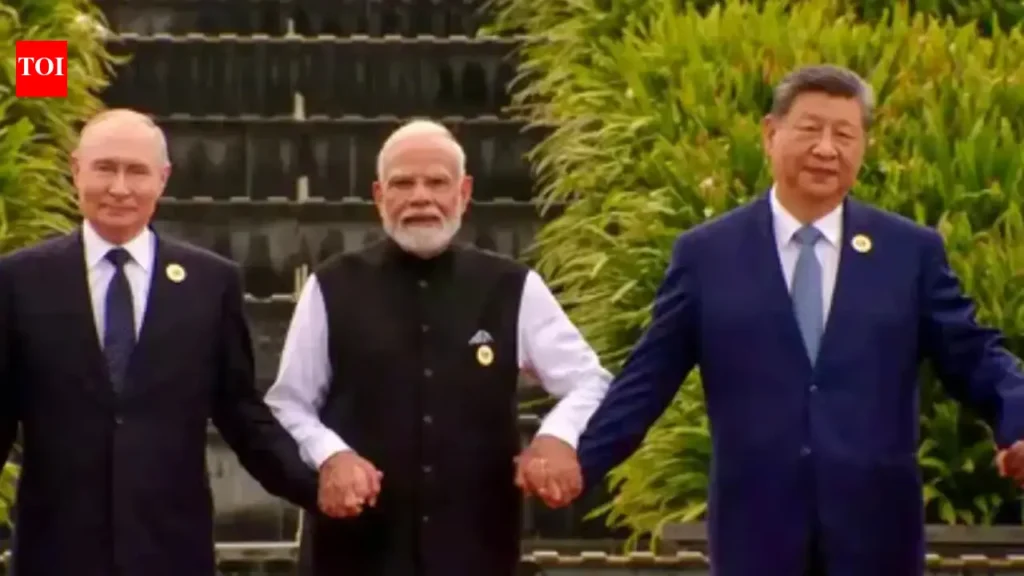
BRICS member nations reaffirmed cooperation against money laundering, corruption, illicit financial flows and agreed to develop mechanisms for extradition and asset recovery.
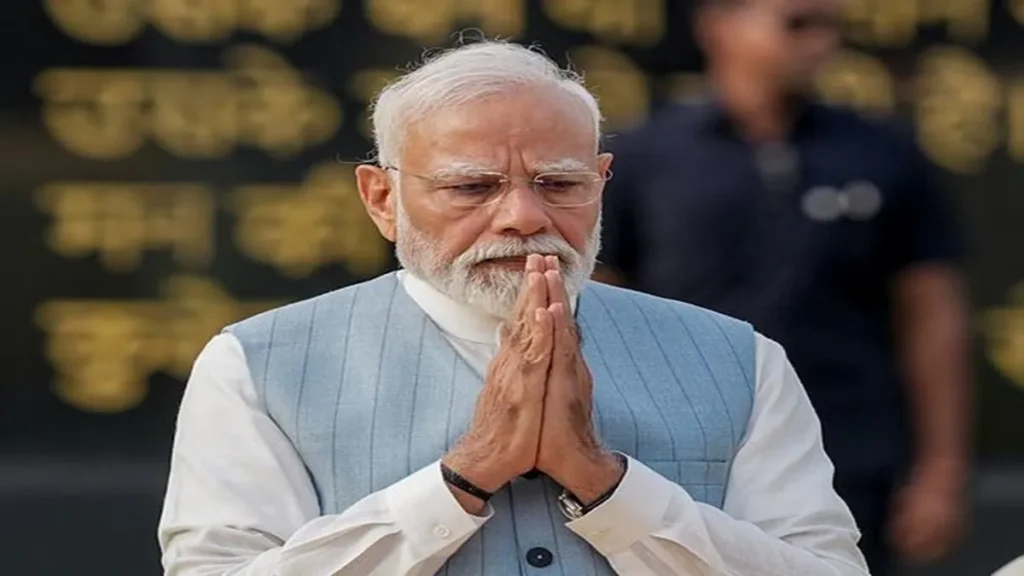
At the 18th BRICS Summit, India’s prime minister proposed reforms to global governance institutions and a 10-point action plan to strengthen the Global South’s voice.

Under India’s BRICS chairmanship, the article argues for practical, people-centric cooperation focused on development, technology, health, startups, MSMEs, climate finance, and infrastructure.