
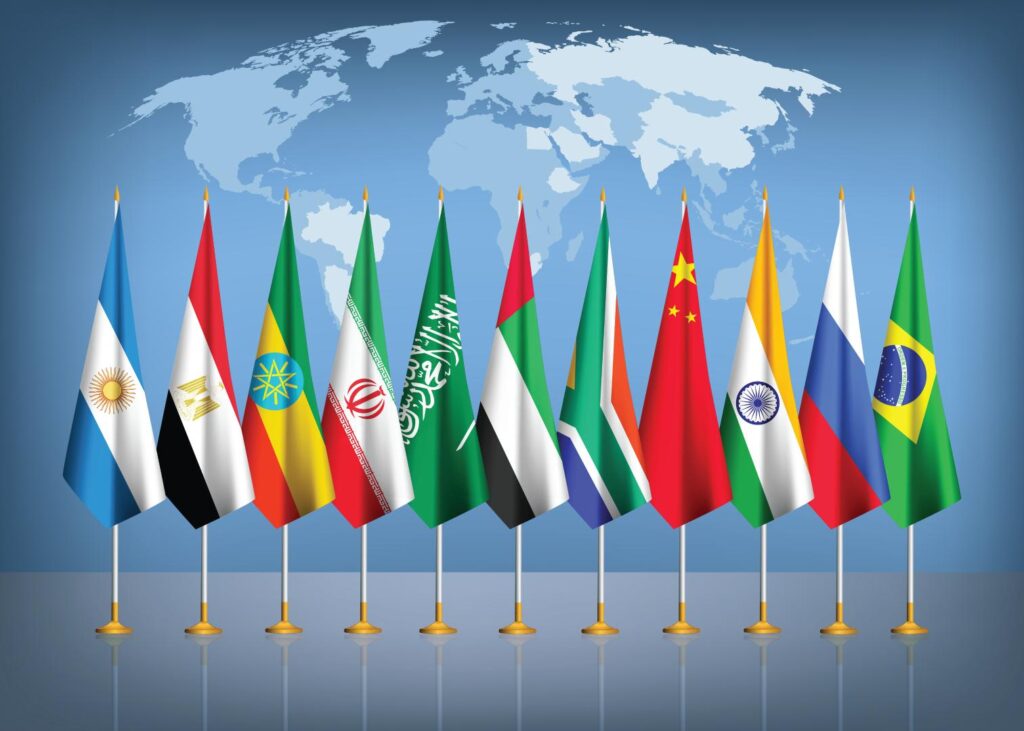
BRICS at a Turning Point: India’s Leadership and the Road Ahead
An analytical article examines India’s BRICS presidency and argues for pragmatic economic cooperation in trade, finance, supply chains, critical minerals and maritime logistics.
An analytical article examines India’s BRICS presidency and argues for pragmatic economic cooperation in trade, finance, supply chains, critical minerals and maritime logistics.
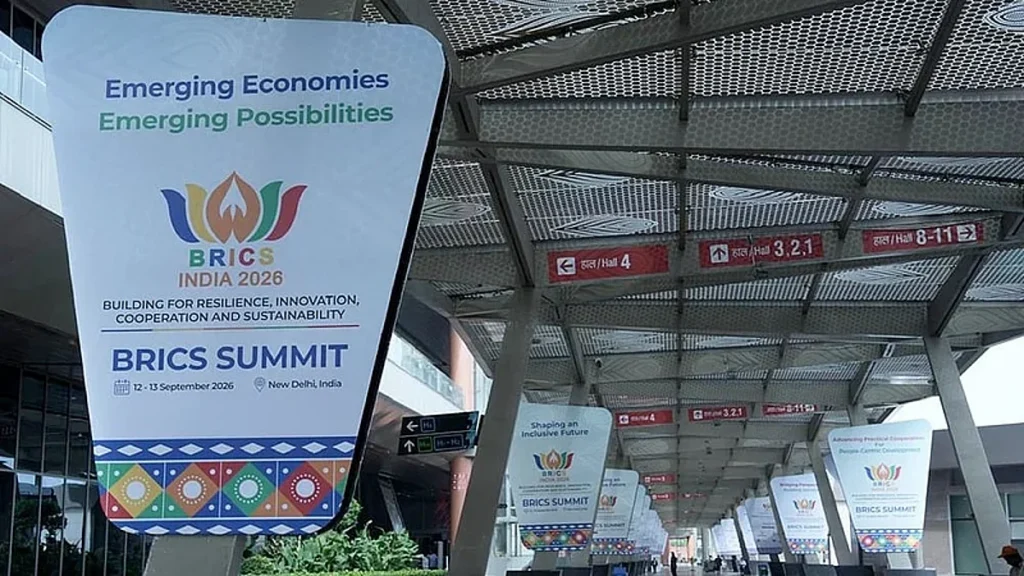
The Delhi Declaration tests whether BRICS can convert consensus among diverse emerging powers into practical cooperation.
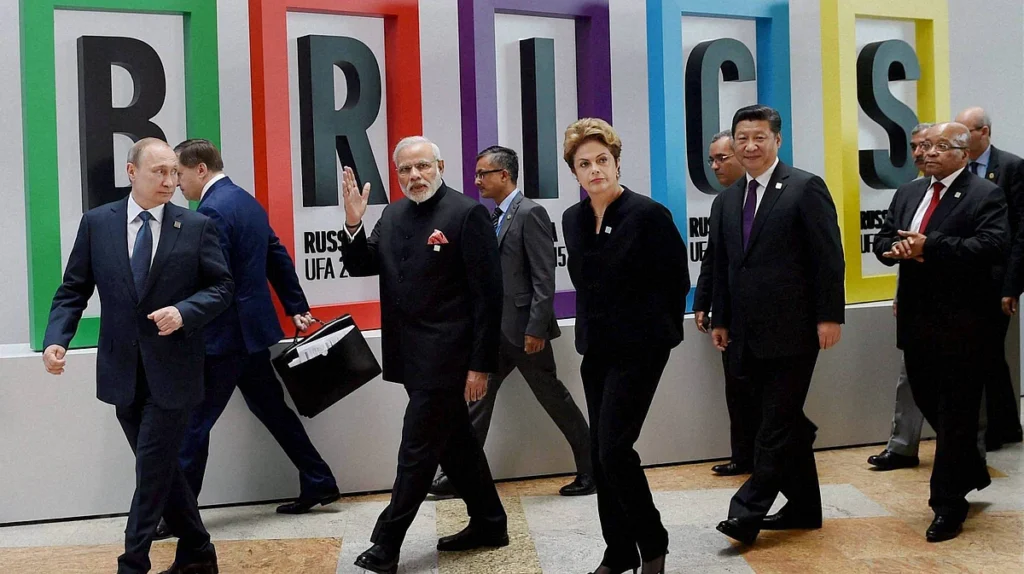
The article analyzes India’s BRICS chairship and the New Delhi Declaration, arguing that New Delhi favors a flexible, issue-based BRICS that supports development finance, global governance reforms, and Global South representation.
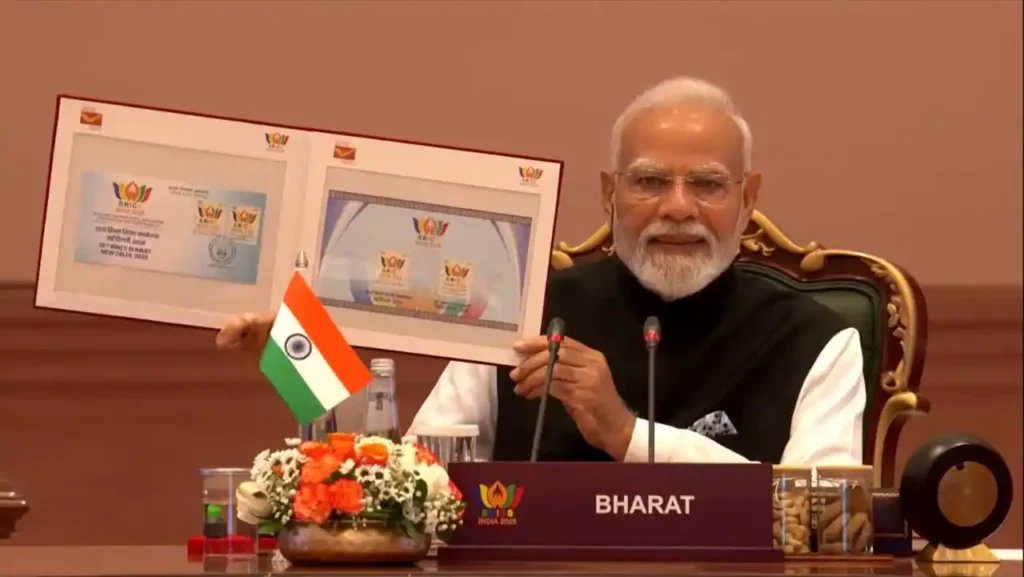
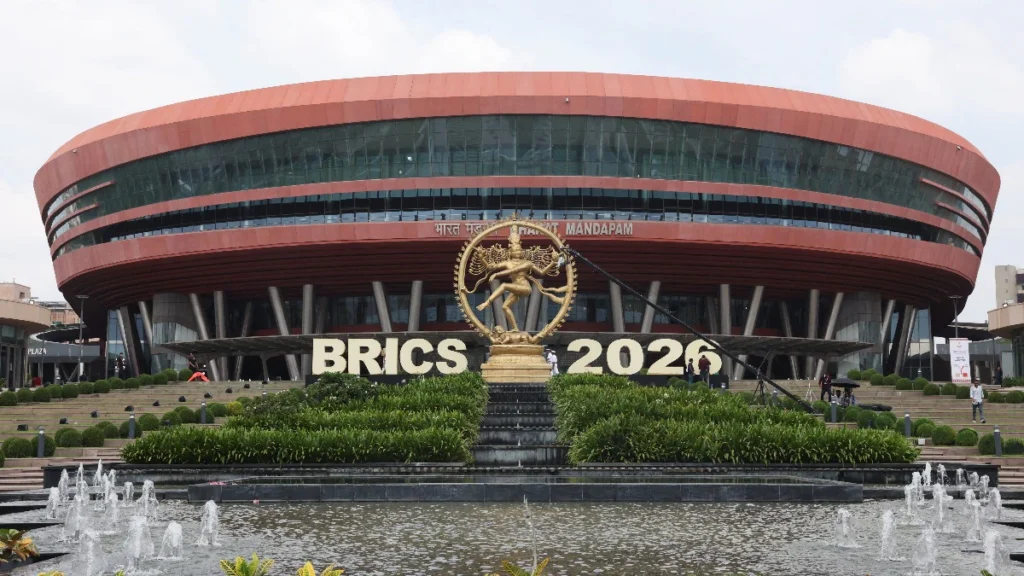
India’s 2026 BRICS chairship moved the grouping from a May foreign ministers’ deadlock to a unanimous September New Delhi Declaration through multi-level consultations and consensus language.
India’s government said no BRICS common currency proposal is under consideration, while local-currency settlement remains a practical focus for reducing trade transaction costs.
BRICS also expressed serious concern over deliberate attacks on civilian infrastructure and peaceful nuclear facilities under IAEA safeguards.
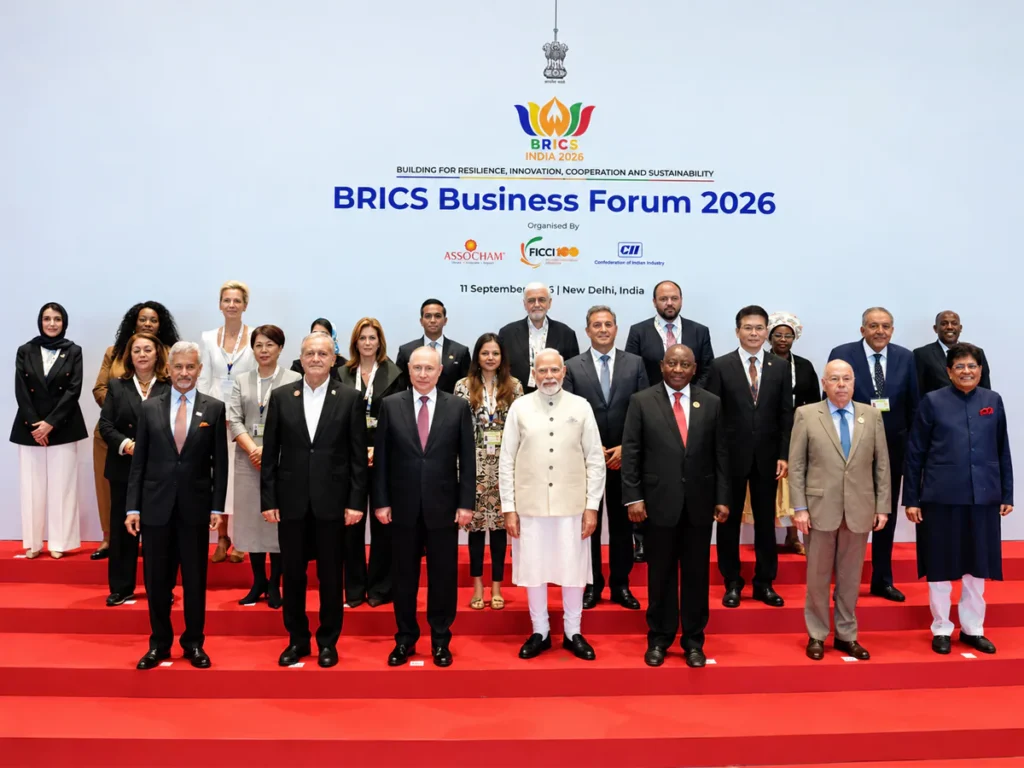
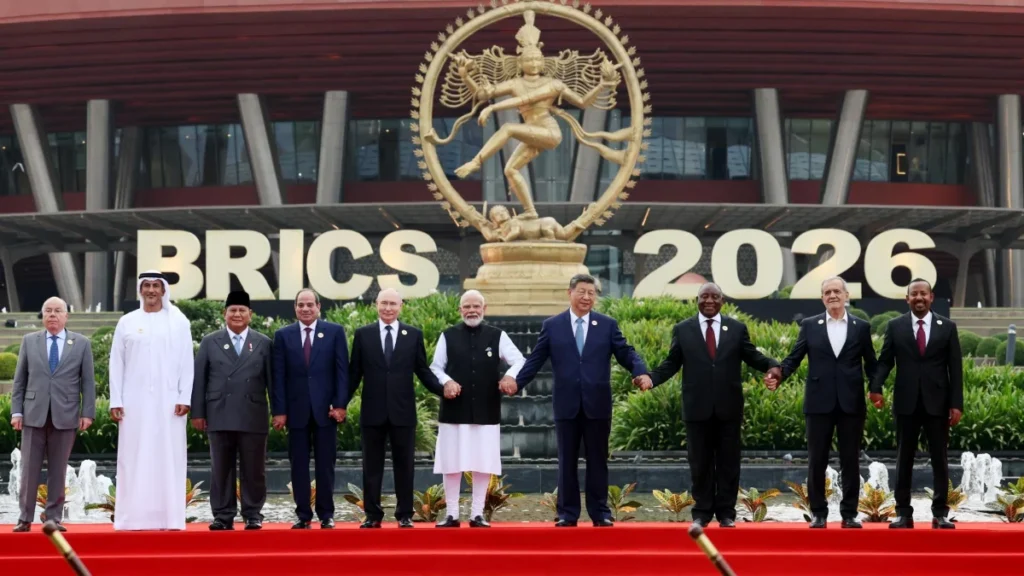
BRICS leaders adopted the New Delhi Declaration at the 18th BRICS Summit, covering West Asia tensions, UN reform, de-dollarisation and AI governance.
BRICS reaffirmed support for MSME financing, credit assessment frameworks, digital trade finance and a proposed invoice discounting mechanism at the New Delhi Summit.
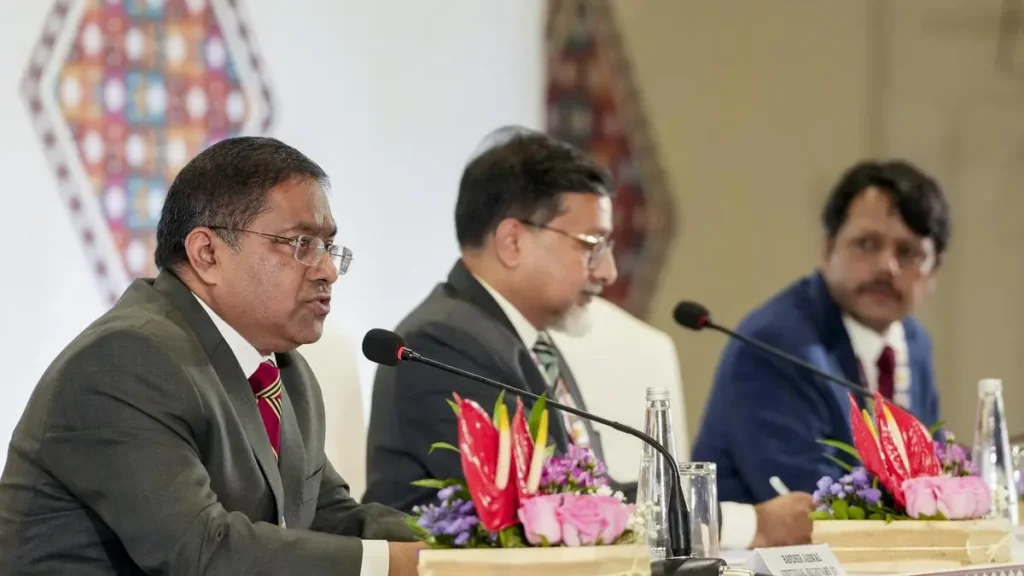
India’s External Affairs Ministry said there is no current proposal for a common BRICS currency, while the BRICS Payment Task Force continues exploring local-currency settlement and cross-border payment mechanisms.