
BRICS explained: The bloc’s origins, members and its challenge to the global order
An overview of BRICS, its membership, and the key outcomes of the 18th BRICS Summit in New Delhi, including the 140-paragraph New Delhi Declaration.
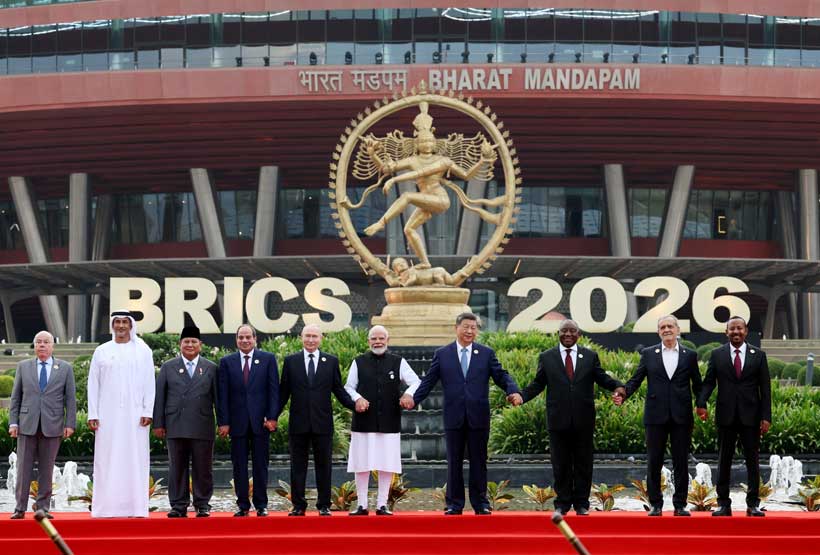
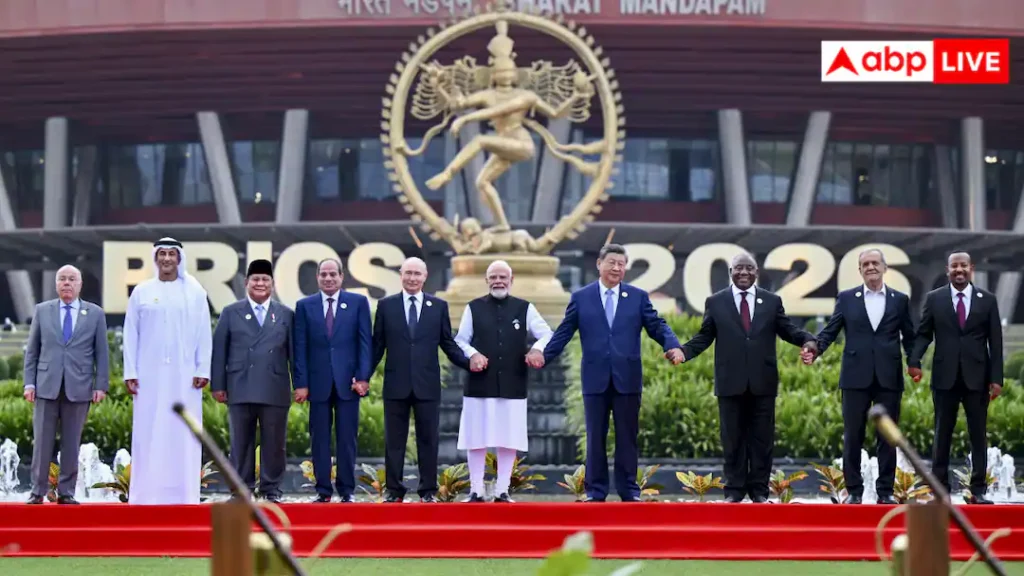
At the BRICS summit in India, leaders of China, Russia and India displayed visible unity, while a geopolitical expert said BRICS is deepening cooperation and building alternatives to Western-dominated institutions.
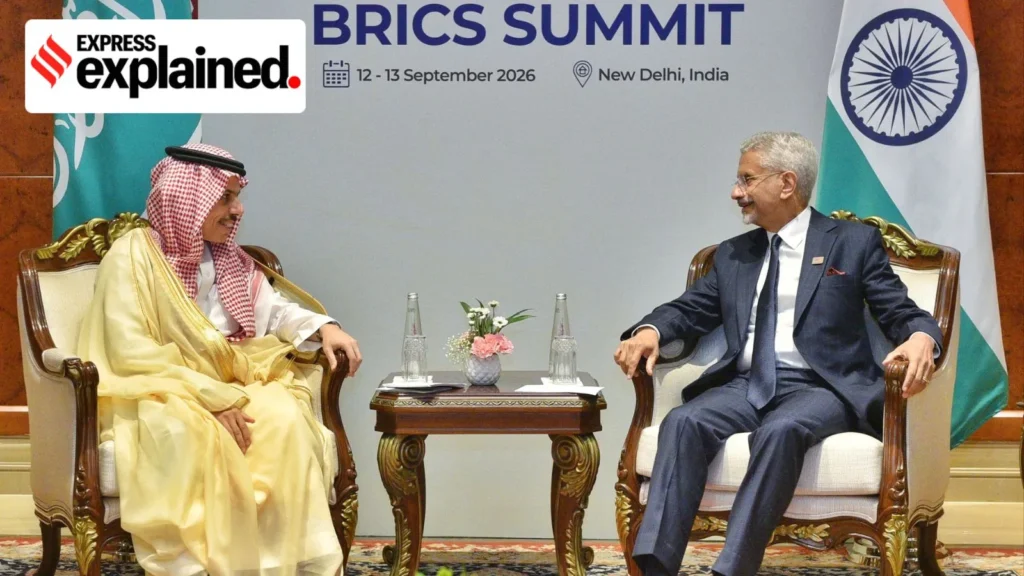
The New Delhi BRICS Summit declaration opposed unilateral tariffs and economic coercion while framing the grouping as reform-oriented and non-Western rather than anti-US.
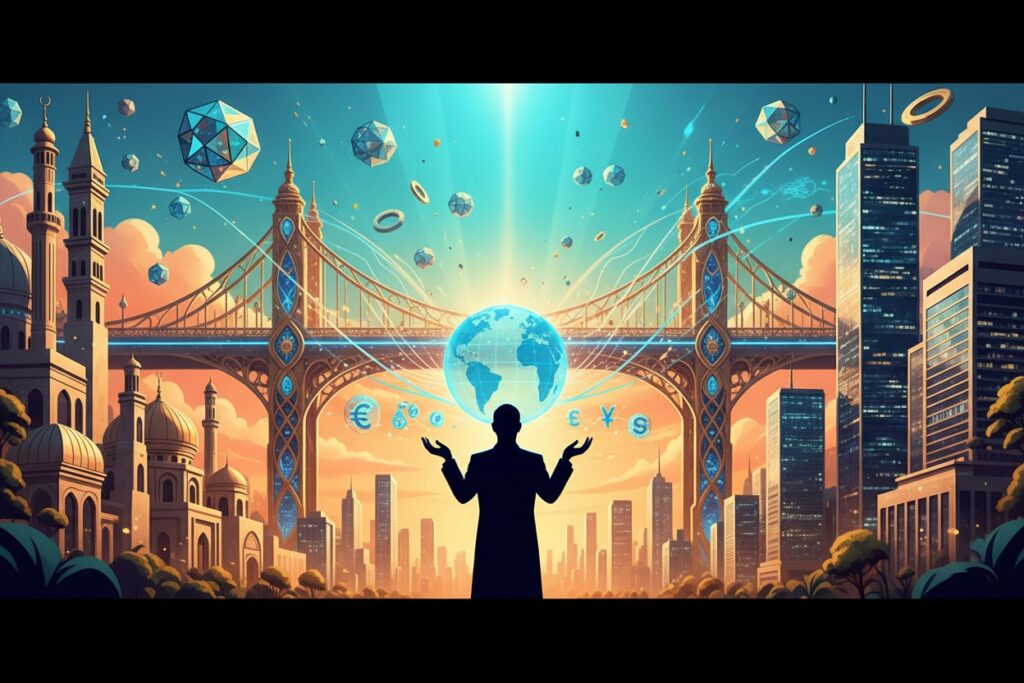
The inaugural iBRICS Summit 2026 in New Delhi concluded with the signing of the DART Charter, a framework for CBDC interoperability, multi-currency clearing, and cross-border payments across BRICS nations.
Atlantic Council analyst Michael Kugelman said India’s successful hosting of the BRICS Summit and the adoption of the New Delhi Declaration demonstrated its ability to build consensus among countries with divergent views.
An analysis argues that BRICS has taken up practical global governance files on climate adaptation, early warning systems, and asset recovery as the G20 agenda narrows.
A trade exposure analysis suggests that a wider BRICS+ network could allow India to settle about 40 percent of its trade with member and partner economies in local currencies.
The 18th BRICS Summit in New Delhi adopted a declaration addressing cross-border digital fraud, AI governance, local currency settlement, and financial sector resilience among BRICS member states.
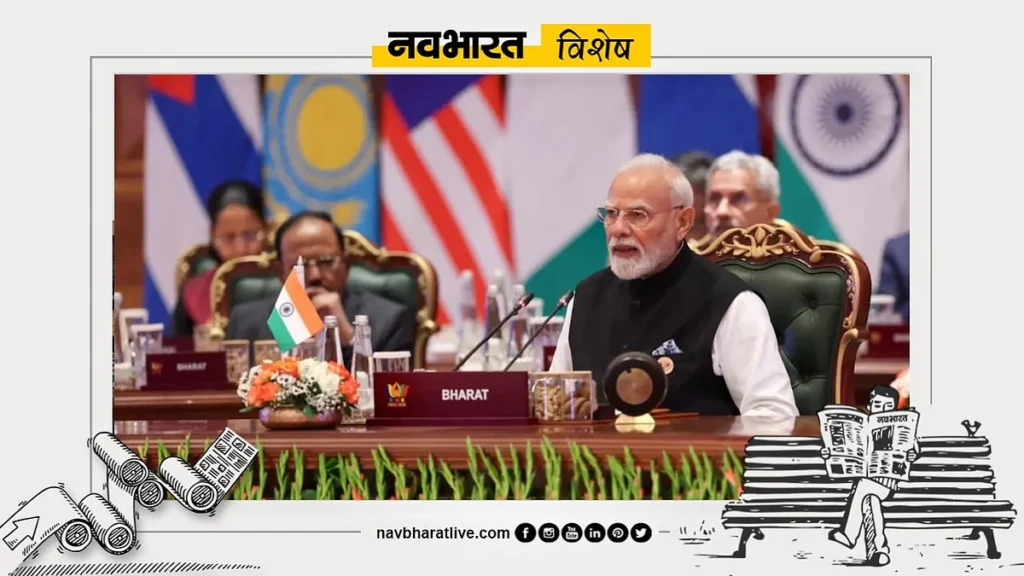
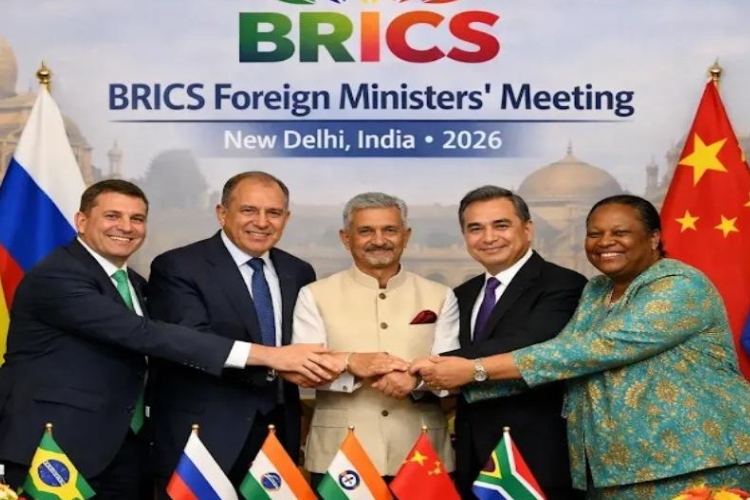
The 18th BRICS Summit in New Delhi brought together leaders from China, Russia, South Africa and other member states, strengthening India’s role in coordinating dialogue among emerging economies.