

From oil shocks to resilience: What BRICS’s new agenda needs to address
India hosted the 18th BRICS Summit in New Delhi, where the New Delhi Declaration addressed energy security, clean technology cooperation, and global governance reform.
India hosted the 18th BRICS Summit in New Delhi, where the New Delhi Declaration addressed energy security, clean technology cooperation, and global governance reform.
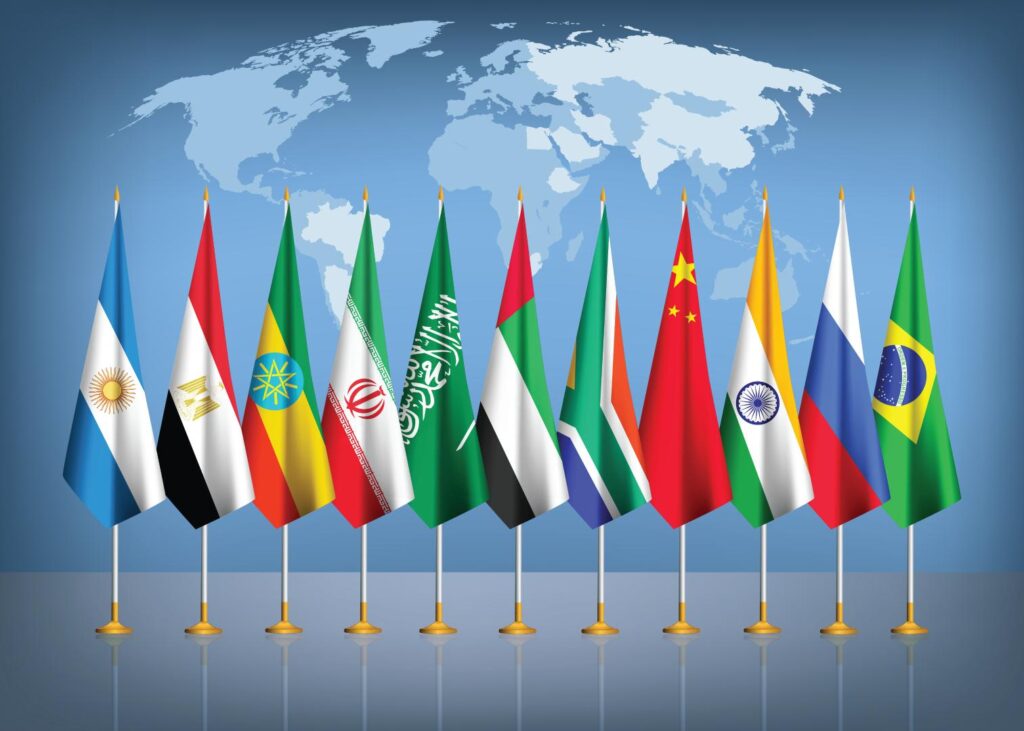
An analysis of how BRICS, through the New Delhi Declaration and the Carbon Markets Partnership, is responding to the EU’s Carbon Border Adjustment Mechanism and seeking to shape a more equitable global carbon trade order.
An analysis links BRICS biodiversity cooperation, climate resilience, and economic risk by using big cats and connected landscapes as indicators of sustainable development.
India’s BRICS presidency emphasized practical, sector-specific cooperation to keep the expanded and diverse grouping functional.
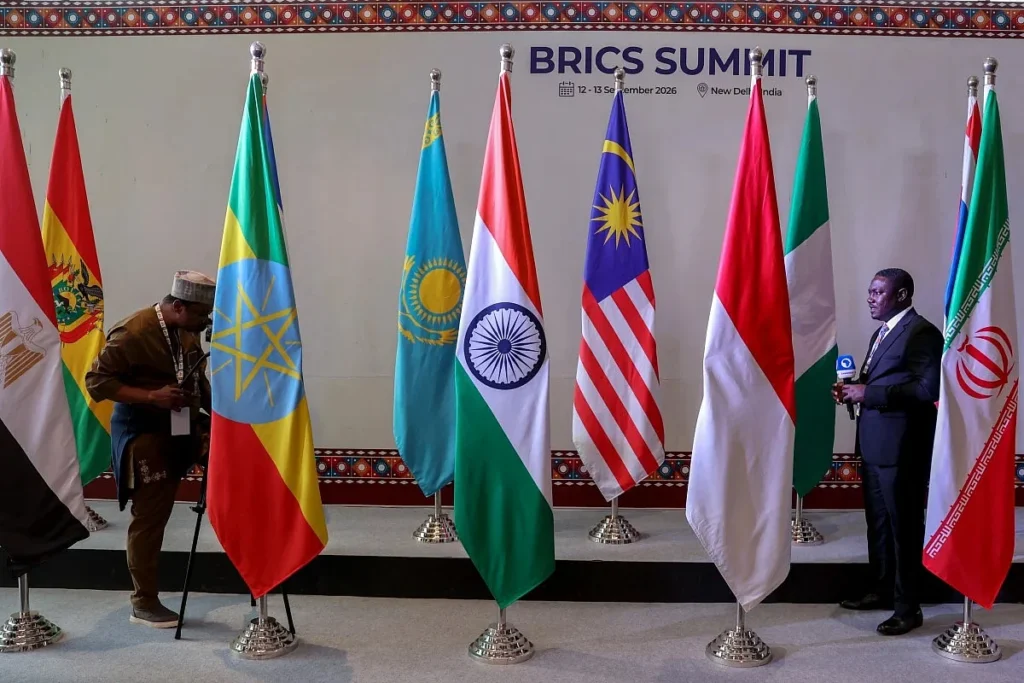
An opinion piece argues that BRICS should focus on lowering cross-border business costs and delivering tangible outcomes in trade, investment, technology, finance, and sustainability.
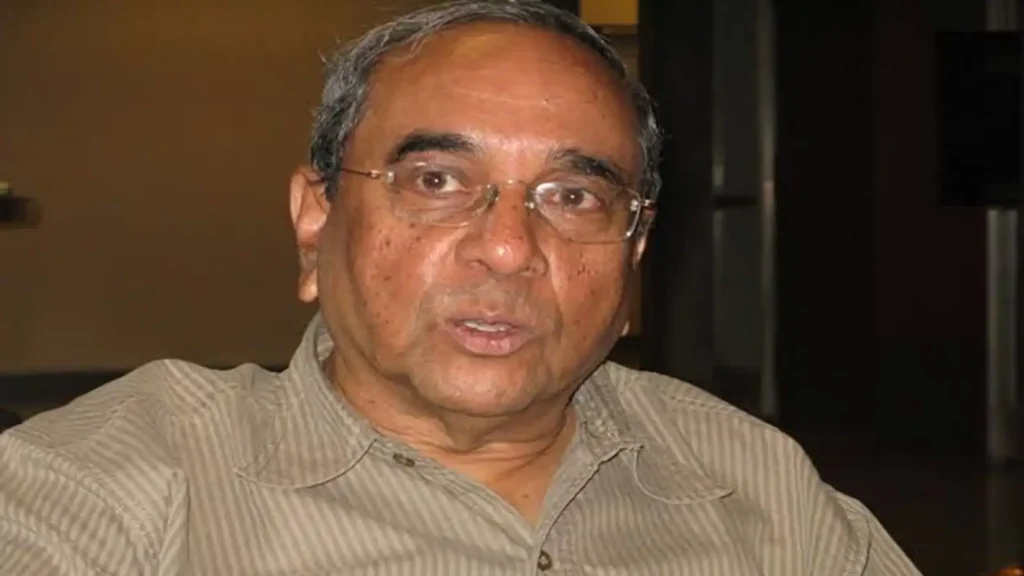
Former Foreign Secretary Shashank says BRICS has expanded beyond economic cooperation to strategic issues, and that India’s role is significant while balanced India-China ties, energy security and UN reform support remain important.
A commentary argues that BRICS has evolved from a geoeconomic grouping into a broader platform for Global South strategic autonomy, while expansion and divergent interests make internal coherence more difficult.

The African Union chairperson closed the BRICS Summit in New Delhi and urged deeper cooperation on infrastructure, energy, and water.
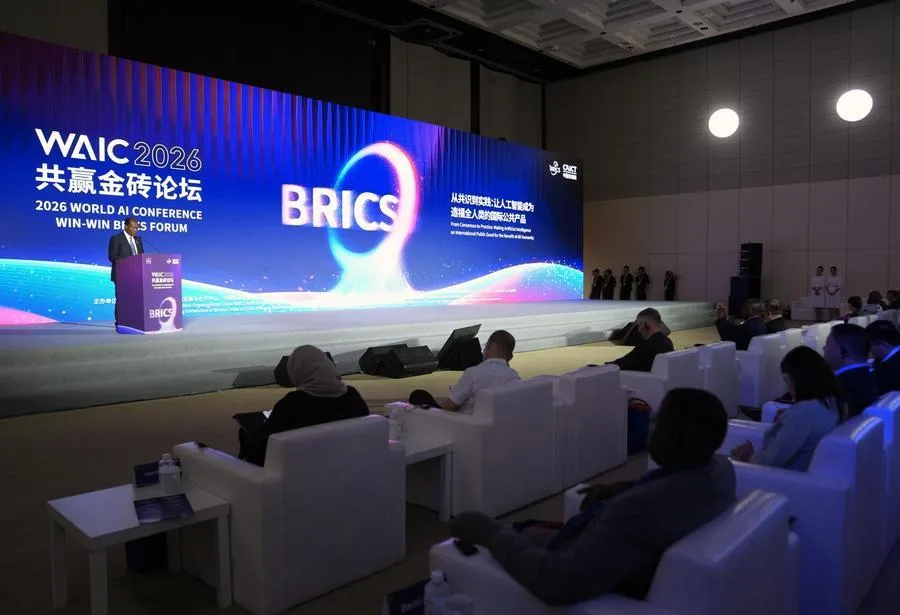
A South African specialist says China’s upcoming rotating BRICS leadership may deepen cooperation in local-currency payments, artificial intelligence, clean energy, development finance and reforms to strengthen the Global South’s influence.