
Beyond bloc politics: India’s BRICS bet on multipolarity
Under India’s BRICS chairmanship, the article argues for practical, people-centric cooperation focused on development, technology, health, startups, MSMEs, climate finance, and infrastructure.
Under India’s BRICS chairmanship, the article argues for practical, people-centric cooperation focused on development, technology, health, startups, MSMEs, climate finance, and infrastructure.
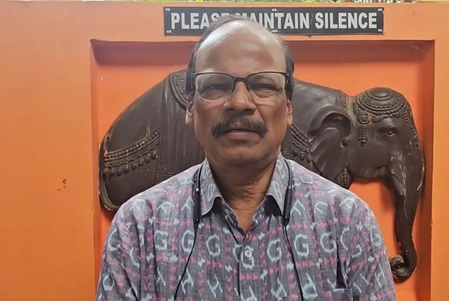
Foreign affairs expert Manas Behera said the 18th BRICS Summit under India’s presidency highlights BRICS as a platform for a multipolar world order, with agenda items including expansion, de-dollarization, climate, AI, peace and security.
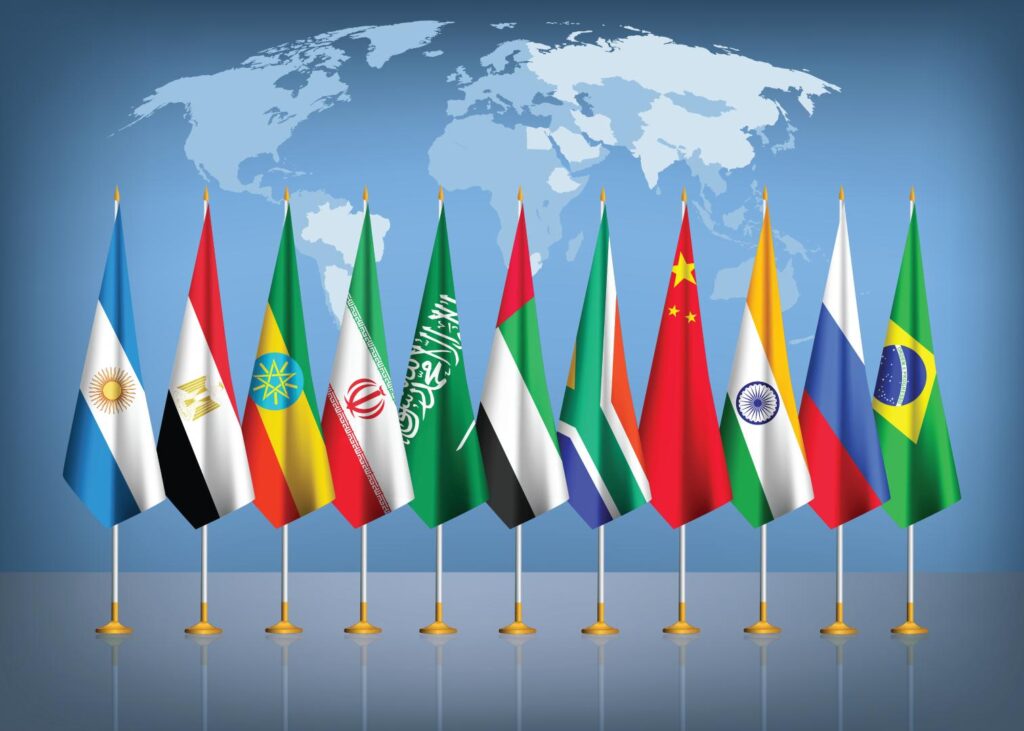
BRICS leaders adopted the New Delhi Declaration, agreeing to create a farmer-centric agro-inputs and information network and to continue developing a BRICS grain trading platform.
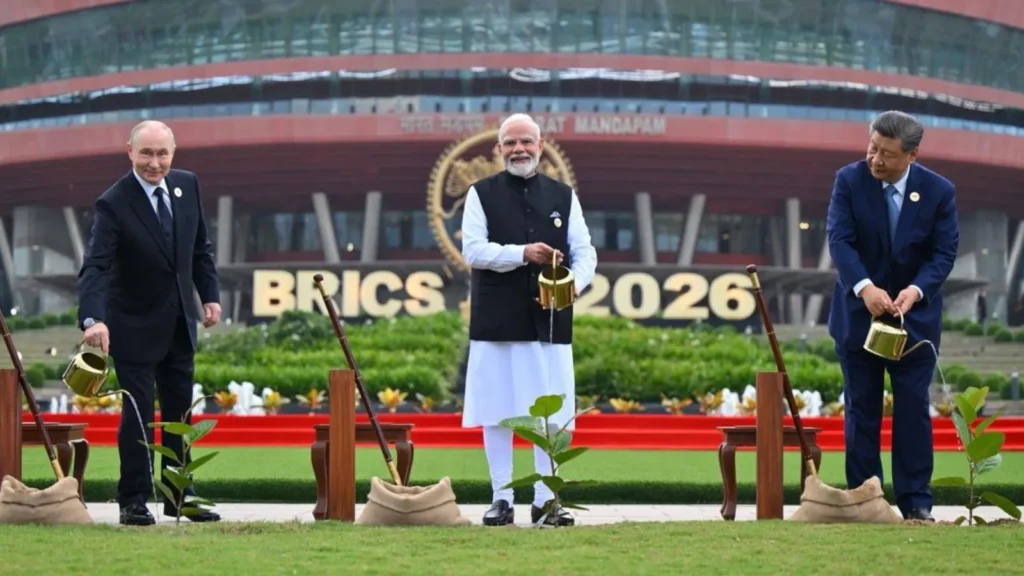
BRICS nations adopted the New Delhi joint declaration by consensus and announced new agriculture cooperation initiatives, including BRICS AGRIN and a network of centres of excellence on agroecology and regenerative agriculture.
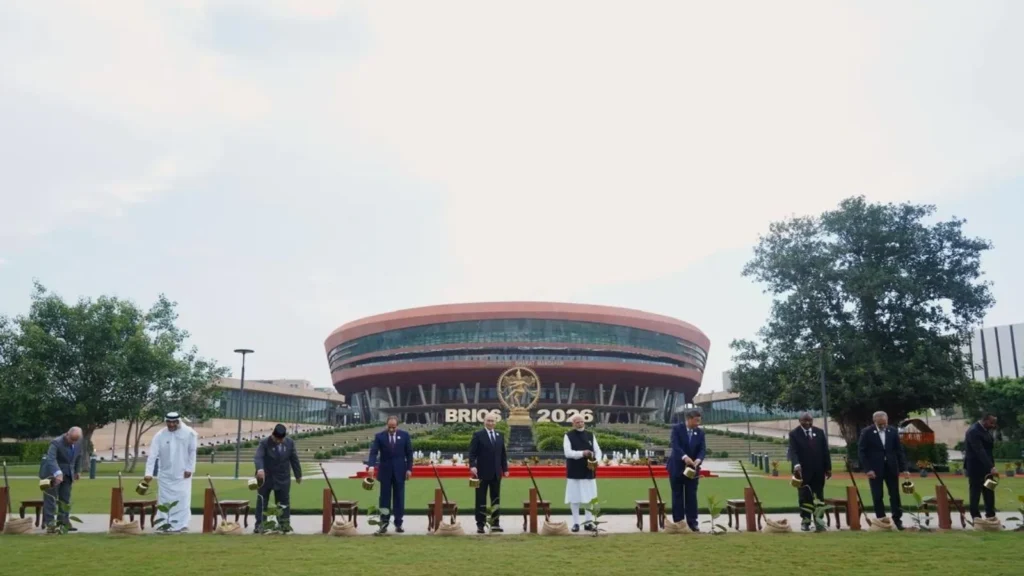
The article says the Delhi BRICS declaration emphasizes practical cooperation and political diversity rather than forming an anti-Western bloc or pursuing de-dollarisation.
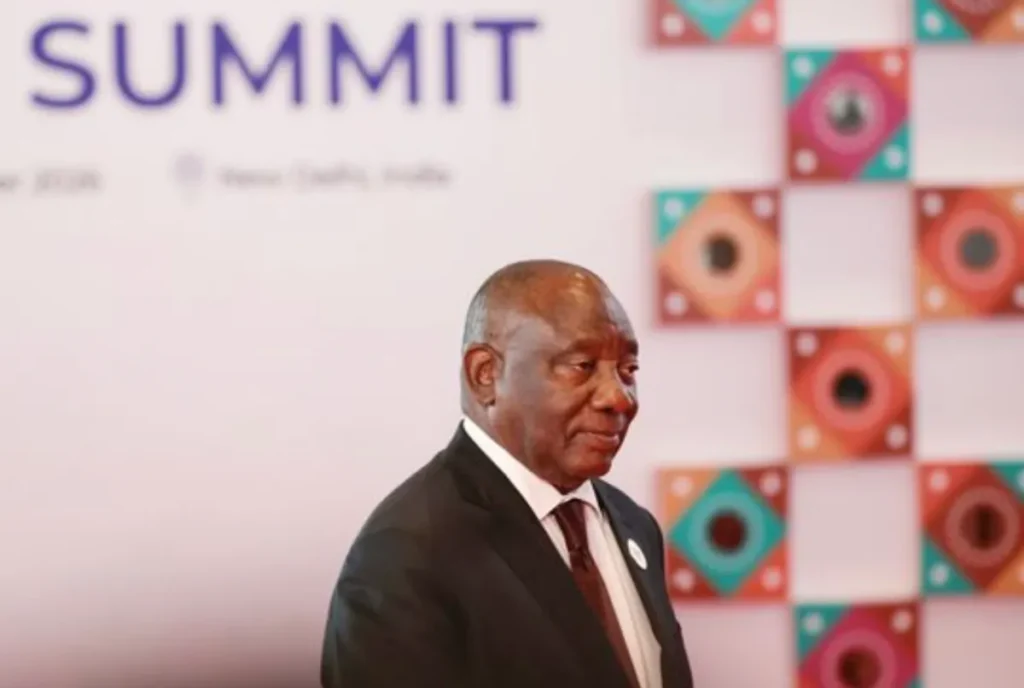
At the BRICS summit in New Delhi, South African President Cyril Ramaphosa said BRICS should defend UN-centered multilateralism, promote reform, and demonstrate that cooperation delivers practical development results.
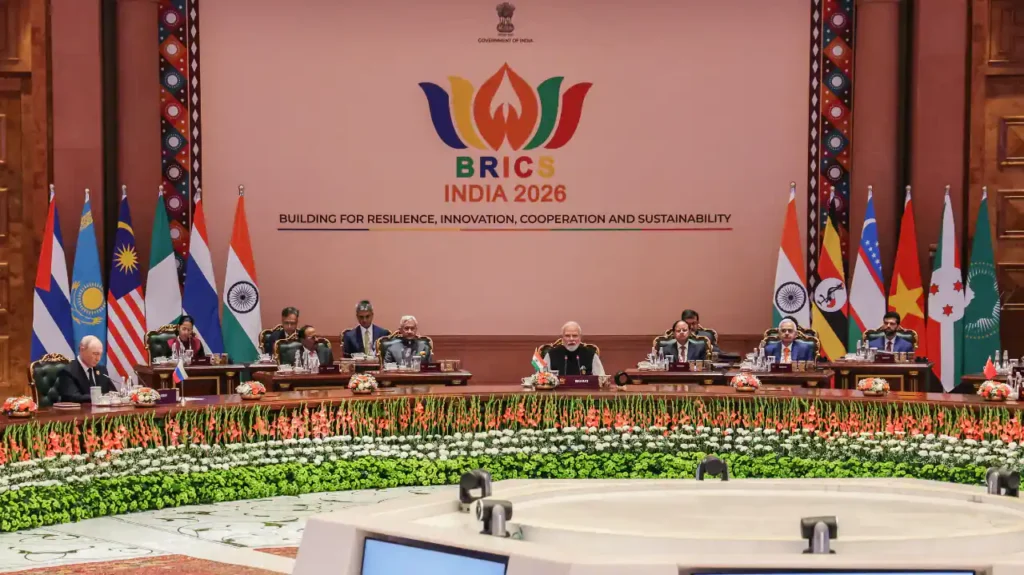
The New Delhi Declaration highlights BRICS cooperation on food security, agricultural productivity, and plans for a BRICS Grain Exchange.
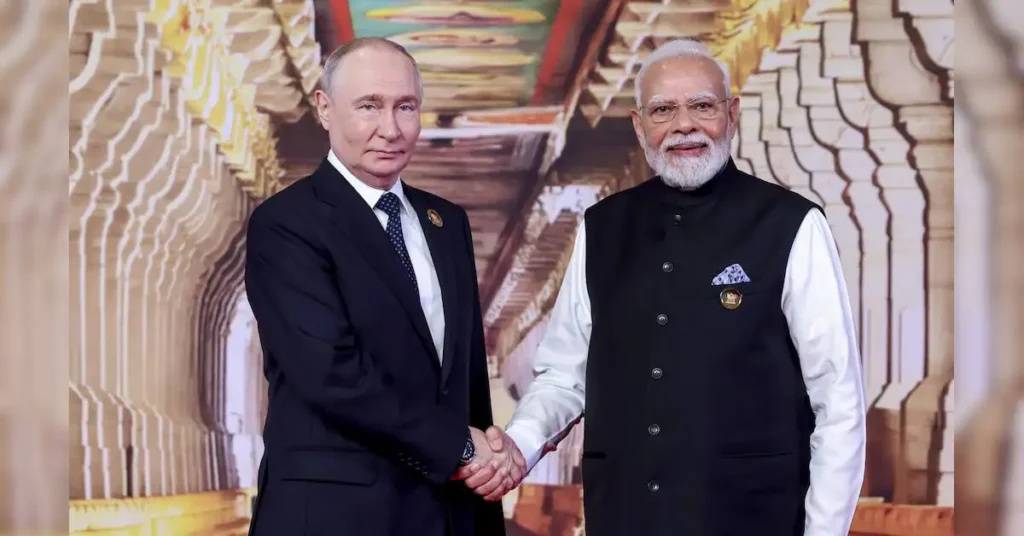
BRICS members endorsed a grain trading platform and several agricultural cooperation mechanisms, including BRICS AGRIN, a farmers’ rights forum, regenerative agriculture centres, and digital agriculture cooperation.
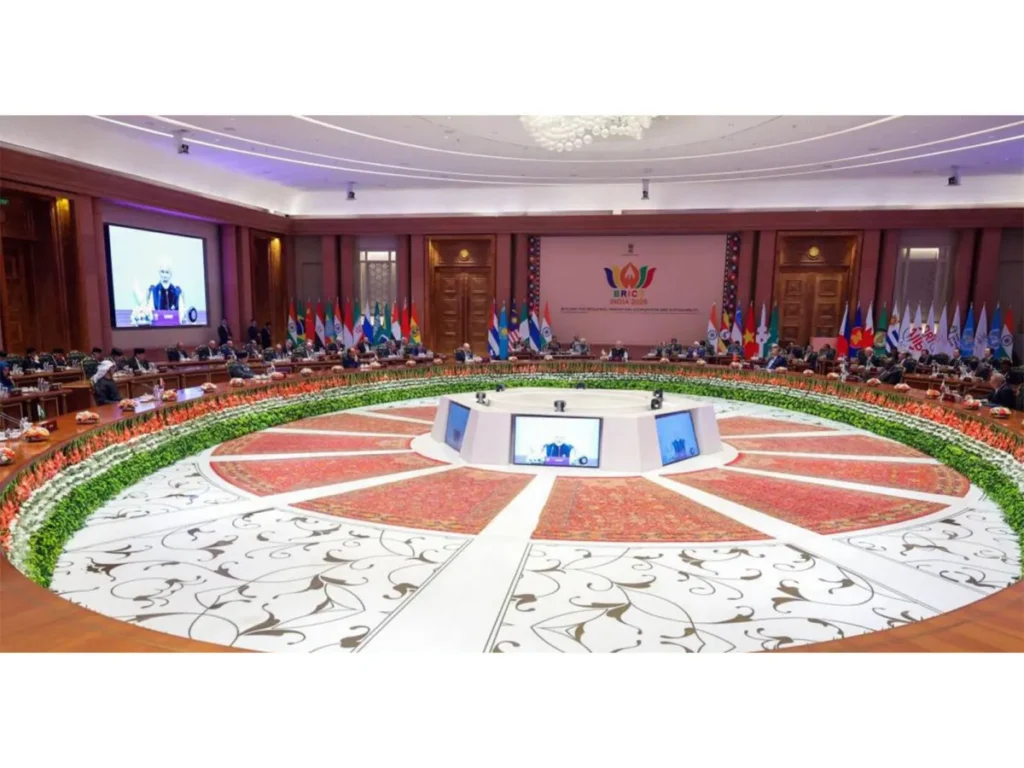
The article argues that BRICS has strengthened the Global South’s influence against unilateralism, protectionism and Western dominance over global governance.