
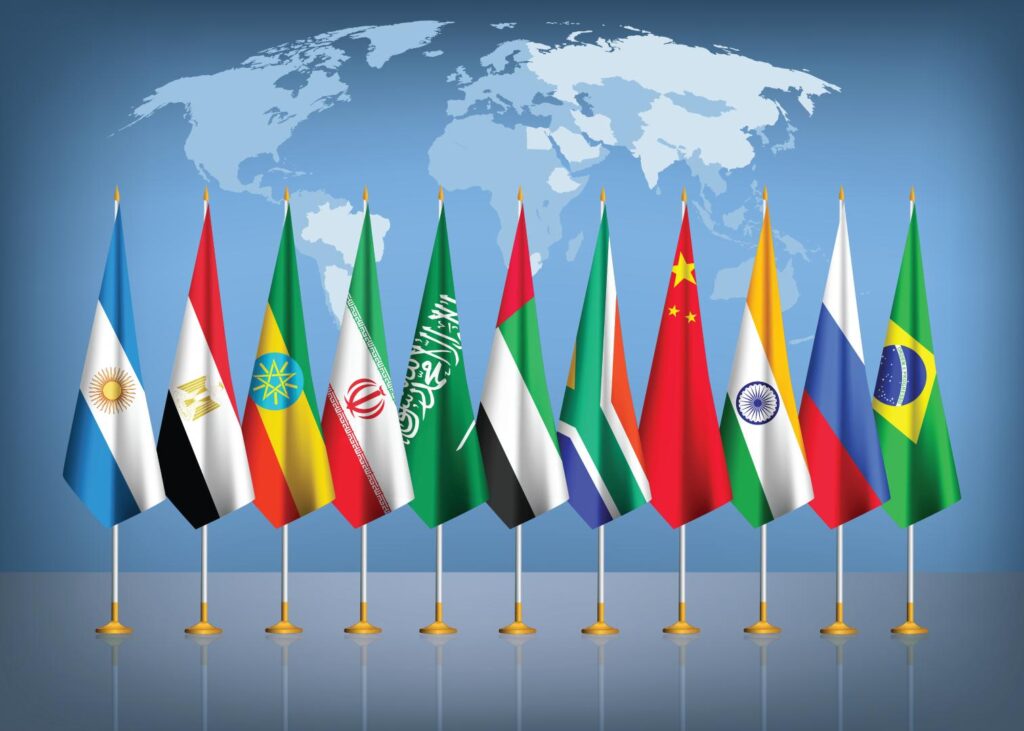
BRICS@20: Roadmap from New Delhi
An analysis of the New Delhi BRICS Summit highlights India’s push for consensus, institutional continuity, and practical cooperation for the Global South.
An analysis of the New Delhi BRICS Summit highlights India’s push for consensus, institutional continuity, and practical cooperation for the Global South.
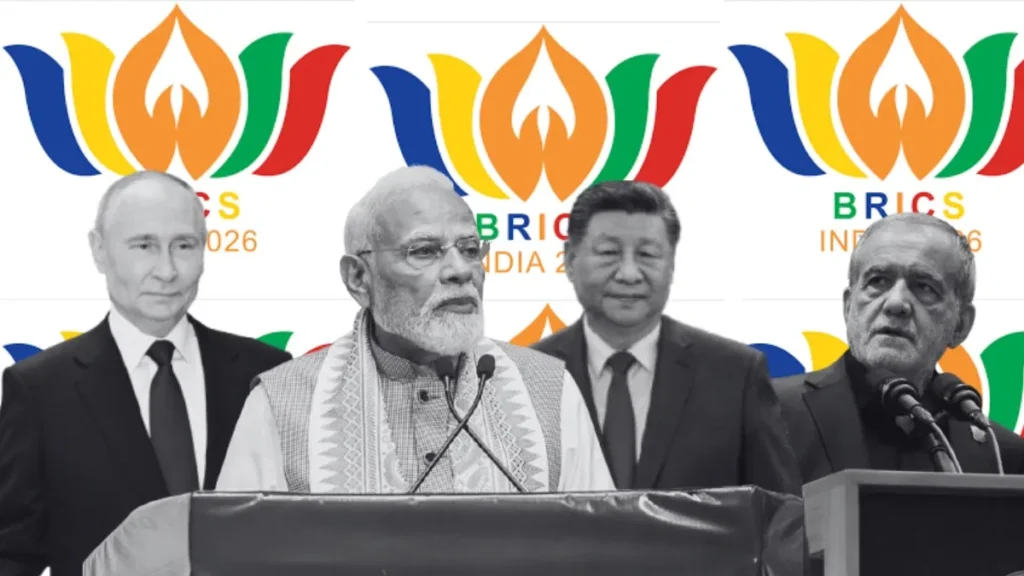
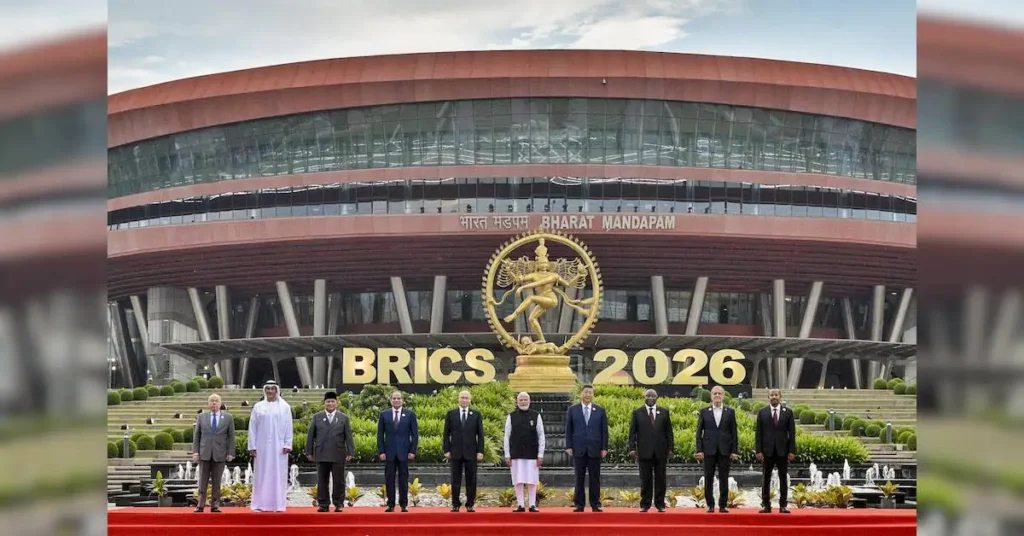
The 18th BRICS Summit in New Delhi brought together leaders from China, Russia, South Africa and other member states, strengthening India’s role in coordinating dialogue among emerging economies.
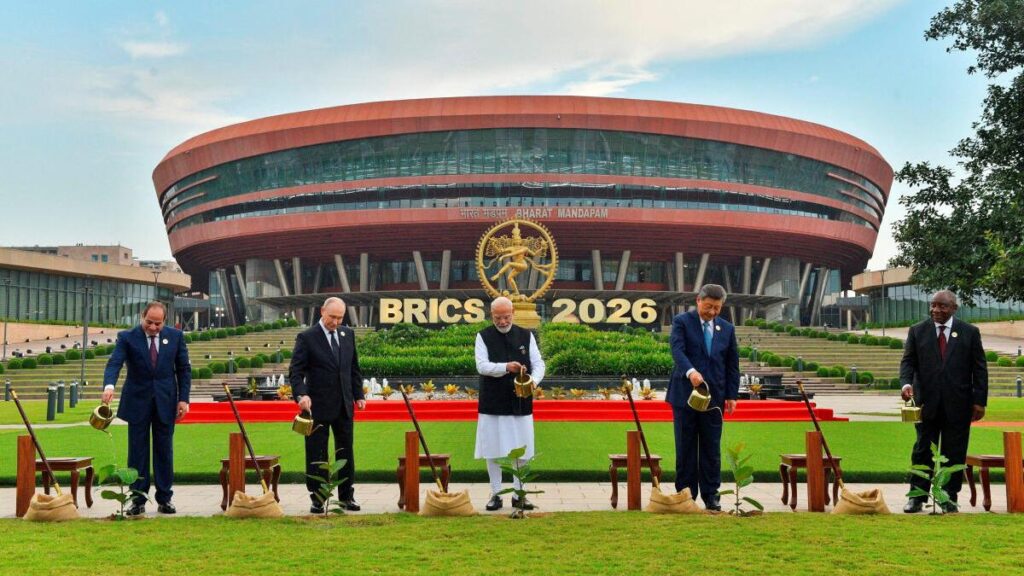
India hosted the 18th BRICS summit in Delhi amid West Asia conflict, using the grouping to balance ties with the U.S., Israel, Russia, China, and Iran.
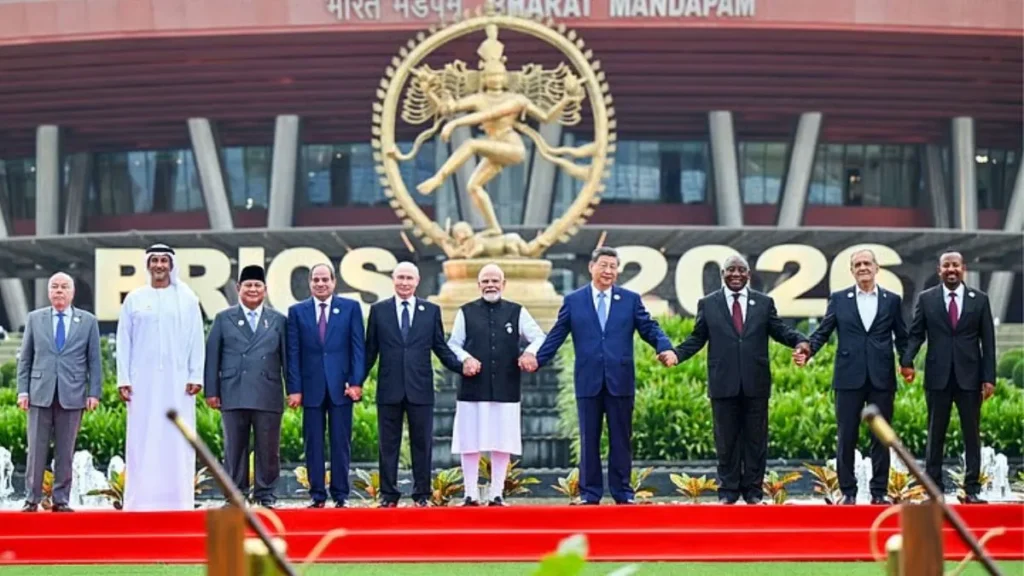
The 18th BRICS Summit adopted a New Delhi Declaration emphasizing local currencies, WTO reform, opposition to protectionism, and gradual financial cooperation, but implementation will determine its economic impact.
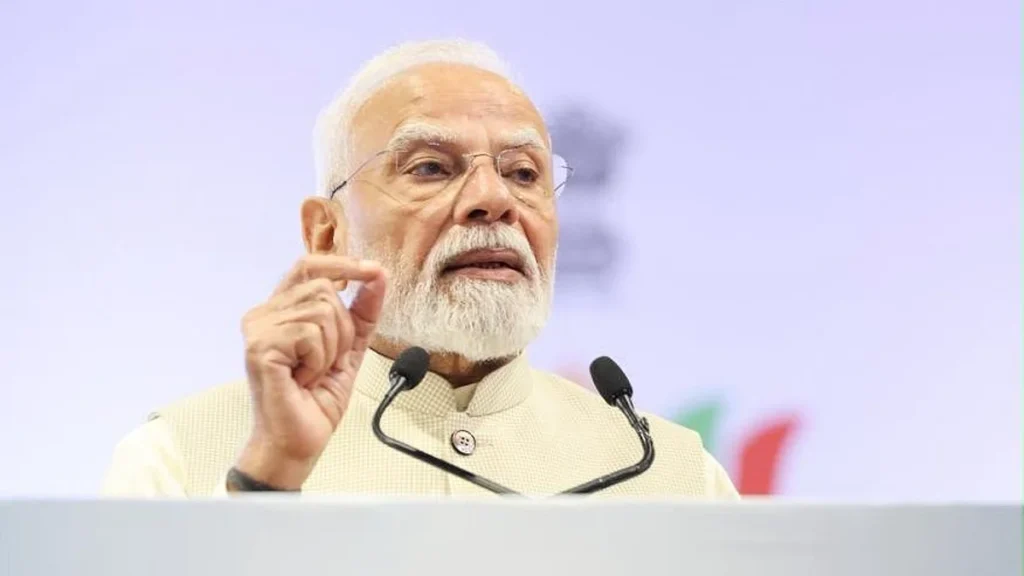
Indian Prime Minister Narendra Modi outlined India’s BRICS Presidency priorities and called for concrete business cooperation benchmarks across BRICS.
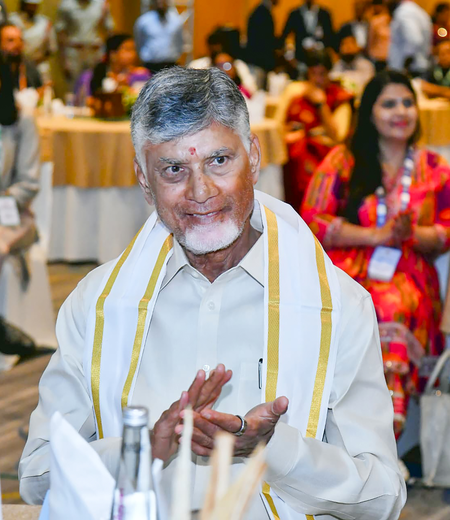
Andhra Pradesh Chief Minister N. Chandrababu Naidu and Deputy Chief Minister Pawan Kalyan praised India’s successful hosting of the 18th BRICS Summit and the adoption of the New Delhi Declaration.
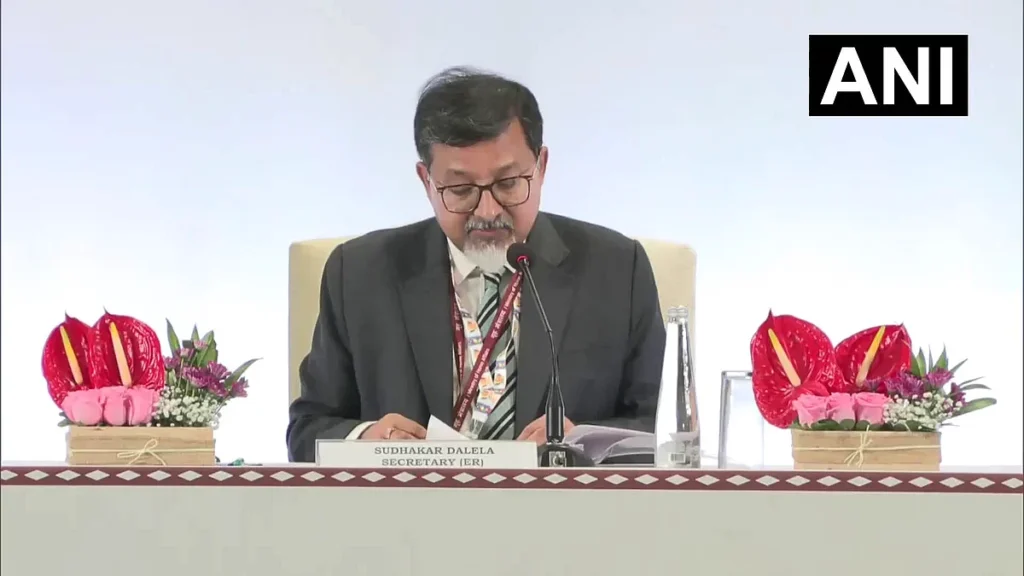
India’s BRICS chairmanship emphasized inclusivity, Global South priorities, and concrete outcomes, including outreach to non-member countries and cooperation on critical minerals.
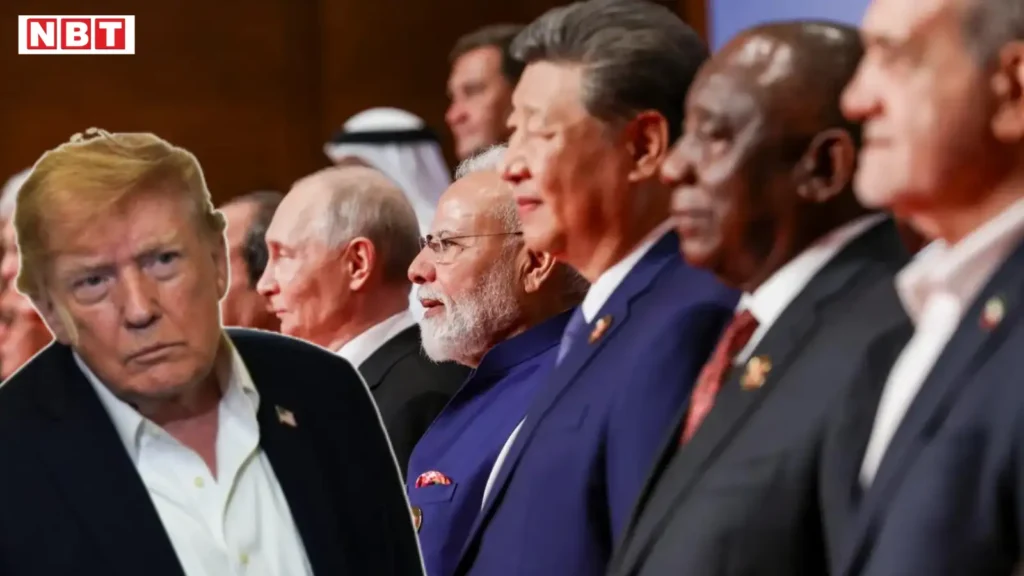
At a BRICS summit in New Delhi, Russian President Vladimir Putin urged member states to support a joint insurance system for grain markets and pursue independent pathways for trade, capital, labor, and technology amid Western sanctions.
A GTRI founder says the 18th BRICS Summit’s New Delhi Declaration criticises Western-linked tariffs, sanctions and carbon-border measures while avoiding direct naming of countries.