
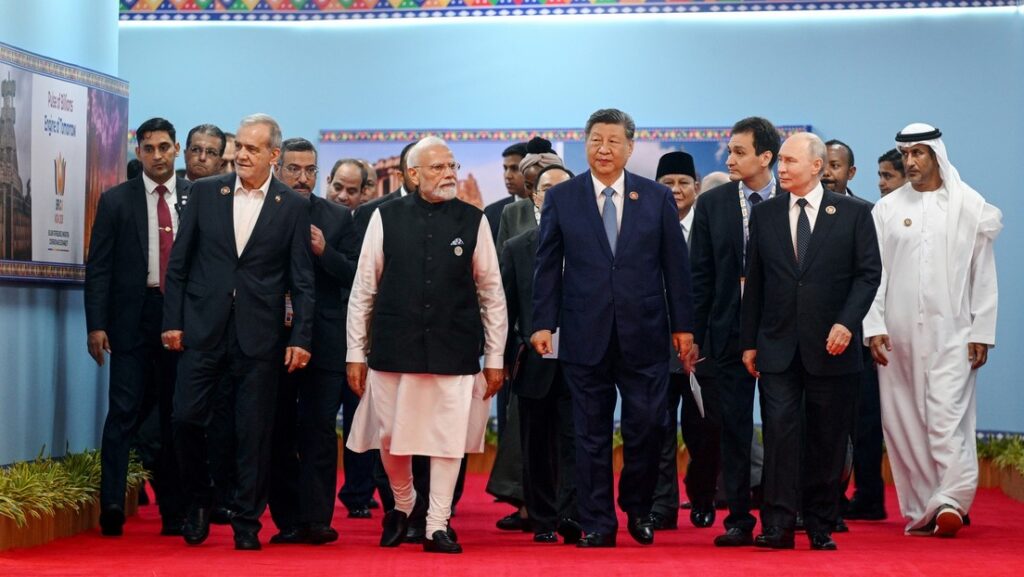
“Engine of Change”: Key Points of the BRICS Final Declaration
The New Delhi 2026 declaration, adopted unanimously at the 18th BRICS summit, outlines priorities on multilateralism, peace, trade, UN reform, and national-currency settlements.
The New Delhi 2026 declaration, adopted unanimously at the 18th BRICS summit, outlines priorities on multilateralism, peace, trade, UN reform, and national-currency settlements.

The New Delhi Declaration from the 18th BRICS Summit emphasized energy security, stable markets, and protection of critical infrastructure, while highlighting the challenge of divergent member-state interests during the West Asia crisis.
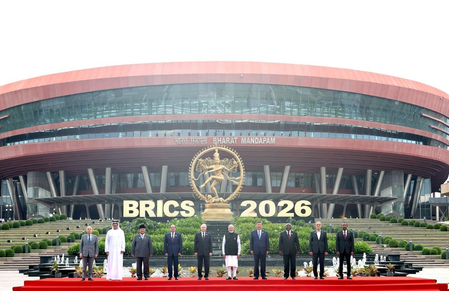
Prime Minister Narendra Modi said BRICS is driven by cooperation and committed to shaping a more inclusive and prosperous world, as the 18th BRICS Summit was held in New Delhi.
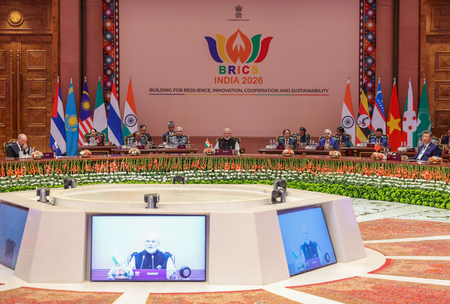
Experts attending the BRICS summit highlighted opportunities for artificial intelligence cooperation, diversified global trade, and cross-border financial integration through mechanisms such as BRICS Pay.
BRICS countries adopted the New Delhi Declaration expressing serious concern over organised scam networks and calling for coordinated international action to dismantle them and trace illicit funds.

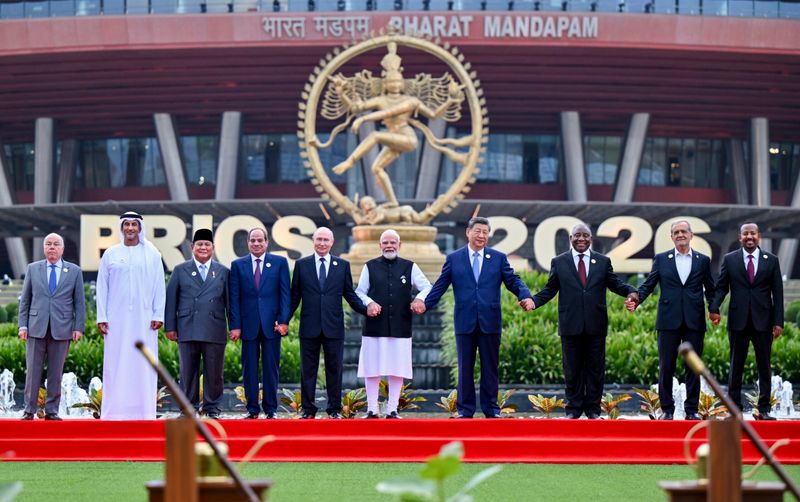
A public handshake among the leaders of Russia, China and India at the BRICS summit in New Delhi was interpreted by media as a symbol of unity amid a complex global political moment.
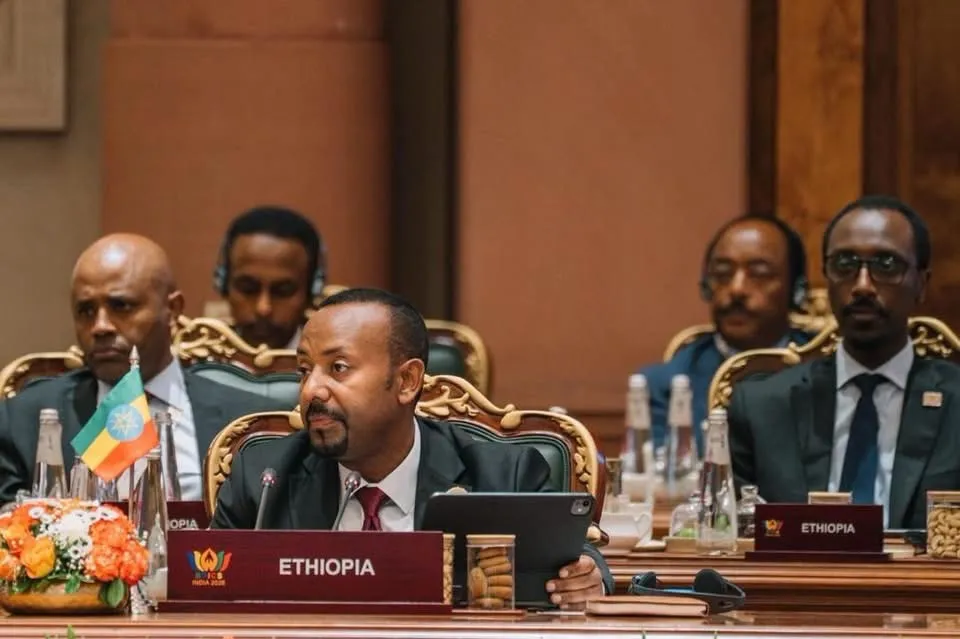
Ethiopian Prime Minister Abiy Ahmed spoke at the 18th BRICS Summit in India, emphasizing stronger partnerships, mineral and renewable-energy cooperation, and sustainable development.

At the 18th BRICS Summit in New Delhi, leaders adopted a technology-focused declaration on AI governance, digital infrastructure, cybersecurity and innovation-led growth.

At the 18th BRICS Summit in New Delhi, member states unanimously adopted the Delhi Declaration 2026, condemning US attacks on Iranian nuclear facilities and civilian infrastructure and calling for restraint and diplomacy.