On scientific collaborations in BRICS
An analysis of the BRICS grouping’s evolution in science, technology, and innovation cooperation, highlighting institutional frameworks, expansion, and future challenges.
Columbia University economist Jeffrey Sachs suggests BRICS nations could mediate between the US, Israel, and Iran to prevent escalation in the Middle East.
India engages with BRICS member states through the Sherpa channel to formulate a consensus position on the West Asia conflict involving Iran, Saudi Arabia, and the UAE.
Parties from four BRICS member countries are prepared to monitor the Russian State Duma elections in autumn 2026, according to United Russia.
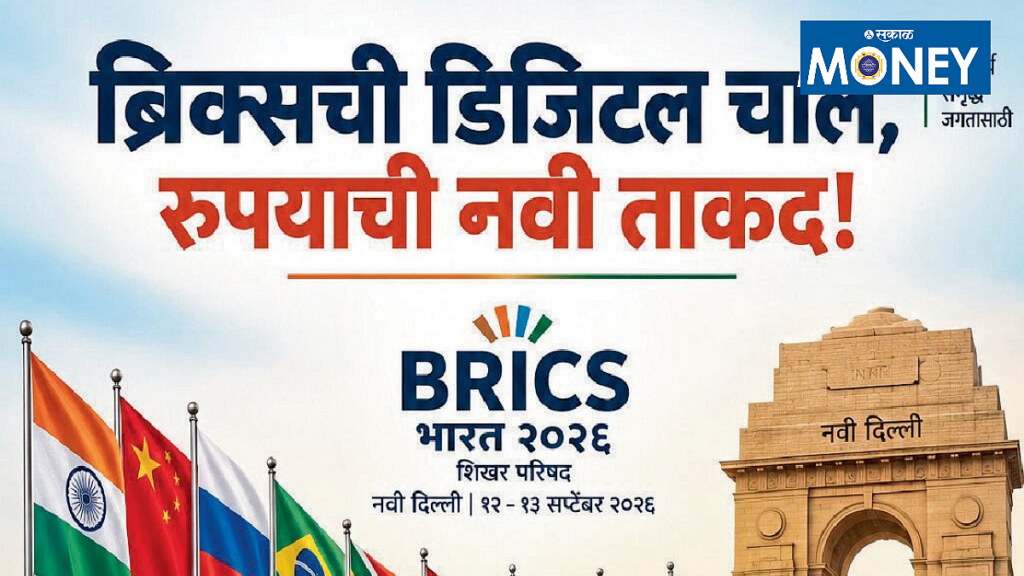
Congress party alleges PM Modi is diluting BRICS+ chairmanship prestige to maintain ties with US and Israel, citing failure to issue joint statements on West Asia.
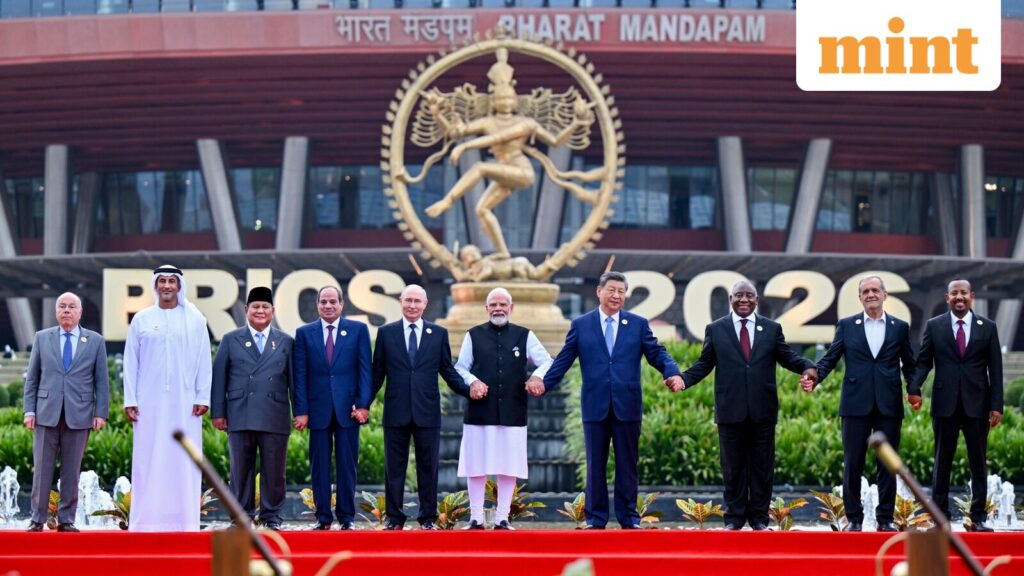
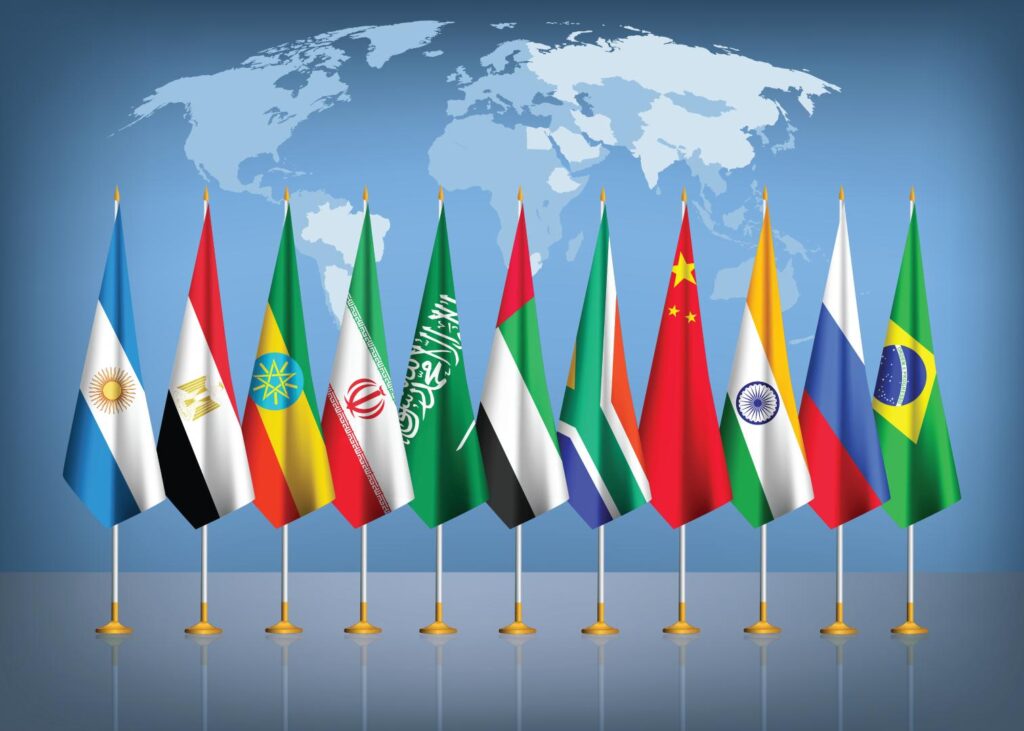
Western observers often highlight the divergences between Brazil, Russia, India, China and six other emerging countries within BRICS. The book ‘BRICS and the Reform of the World’ analyzes the strengths and weaknesses of this grouping.
New Delhi indicates discussions continue through Sherpa channel as Iran urges the bloc to condemn military strikes and support regional stability.
Iran agrees to allow Indian LPG tankers through the Strait of Hormuz but expects India to leverage its BRICS Chairmanship to condemn US and Israel attacks.
Countries cooperate on various fronts and preserve their own margins of decision. The order emerging from this process is not organized in rigid blocks