
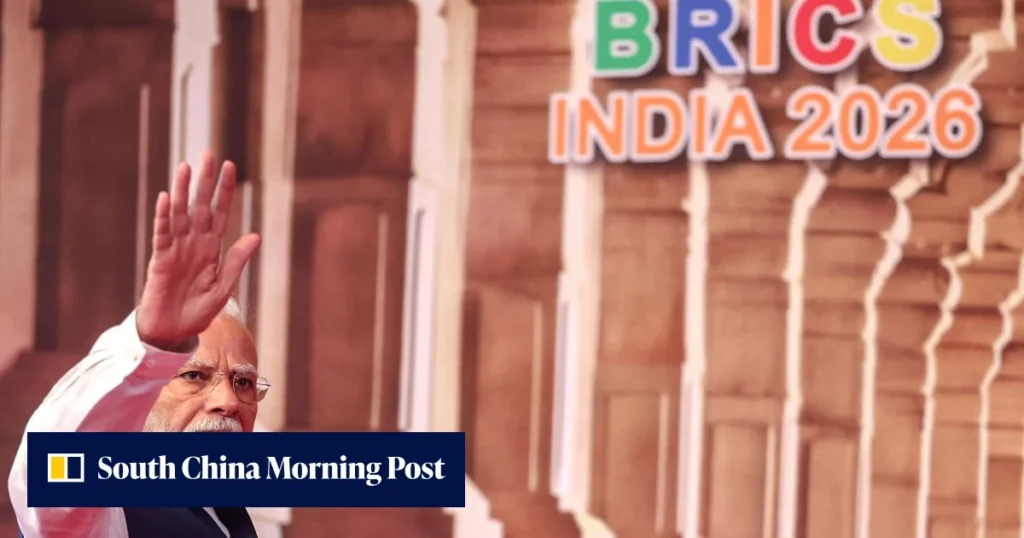
India scores BRICS win with joint declaration despite divides
New Delhi ‘papered over’ differences to keep the bloc focused on trade and tech priorities, analysts say.
New Delhi ‘papered over’ differences to keep the bloc focused on trade and tech priorities, analysts say.

Without President Lula and amid elections, Brazil is seen as losing its leading role at the 2026 summit in India.
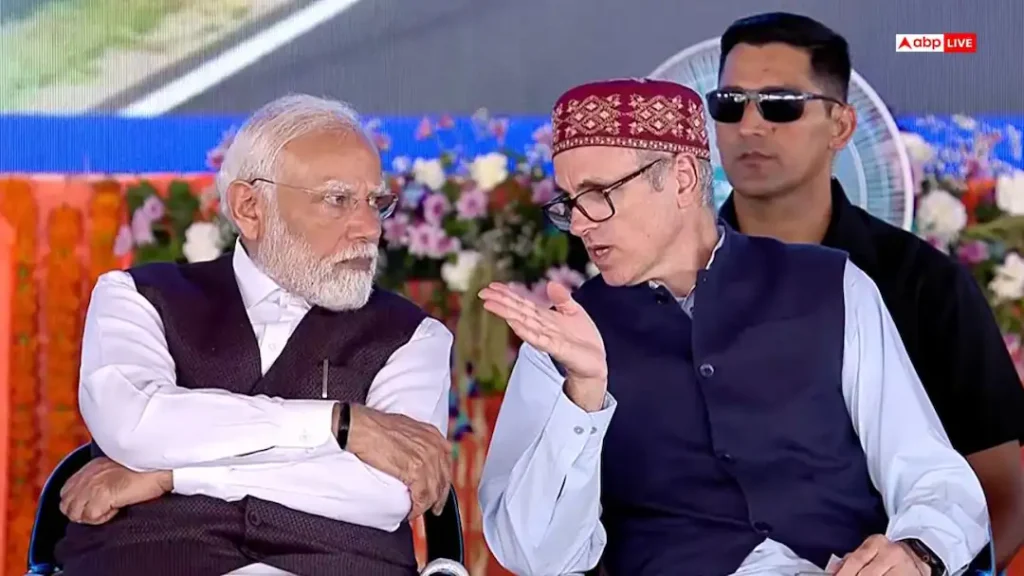
Jammu and Kashmir Chief Minister Omar Abdullah praised the Indian government after a BRICS summit proposal condemning the Pahalgam attack was adopted without objections from member countries.
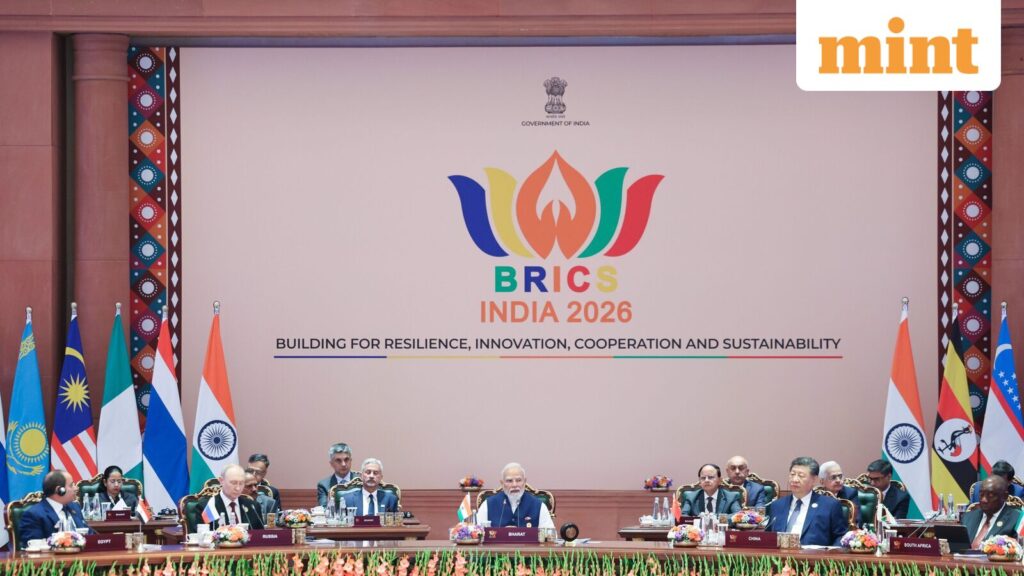
An analysis of BRICS’ post-2023 expansion, internal coherence challenges, and India’s 2026 chairship, arguing that development and economic cooperation will determine whether the grouping can deliver tangible outcomes.

American economist Jeffrey Sachs said BRICS supports a multipolar and genuinely multilateral global order, not an alliance against the United States, and backed alternatives to the US dollar because of its weaponisation.
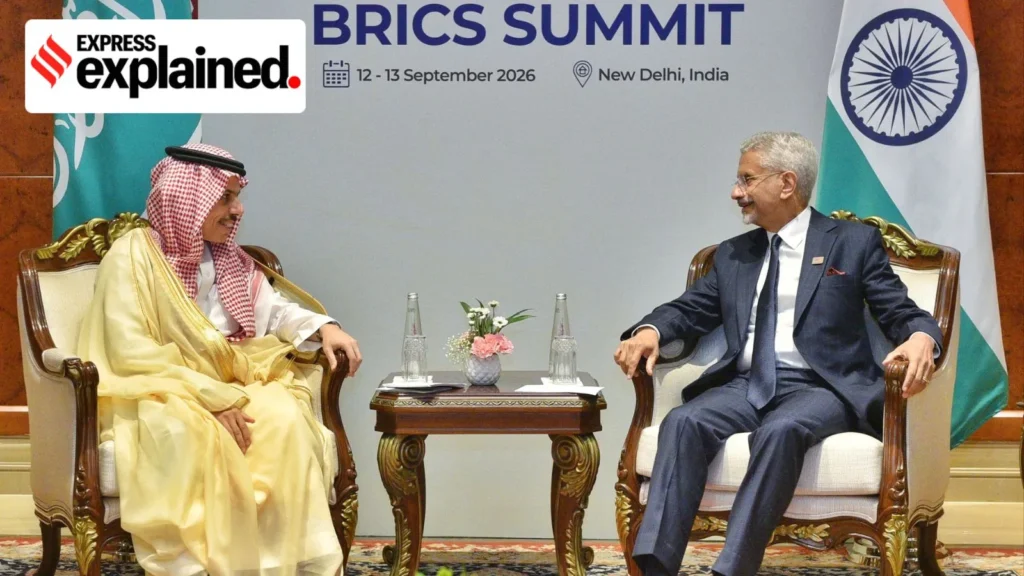
Saudi Arabia is deepening economic and diplomatic ties with BRICS and India while keeping formal membership unresolved as it balances its strategic relationship with the United States.
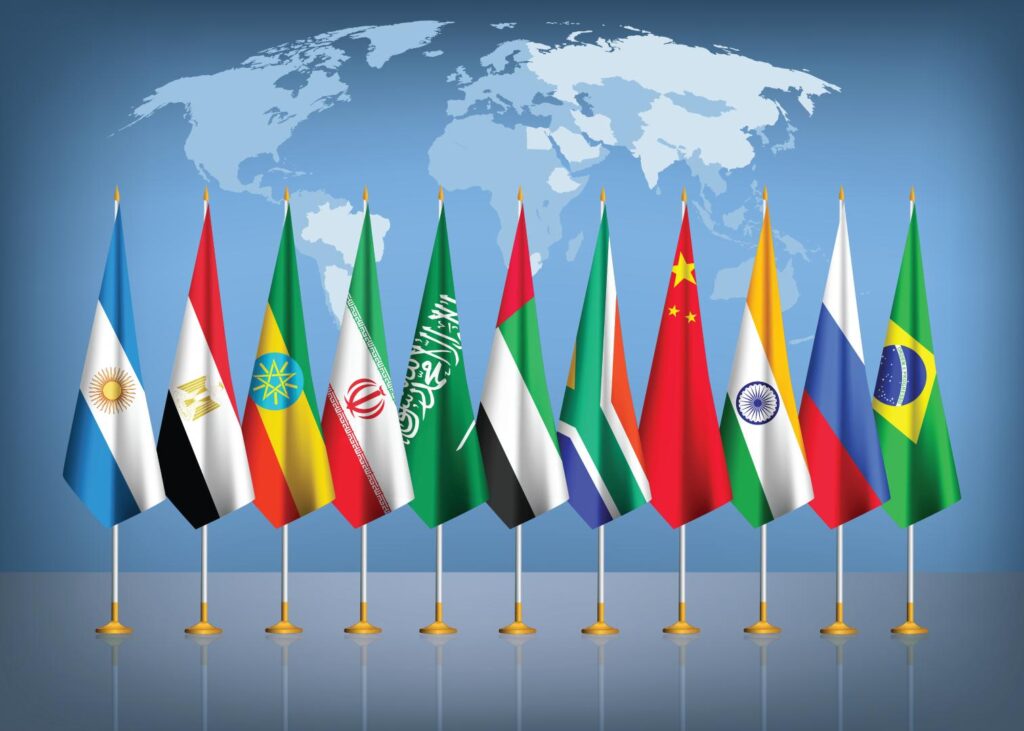
An opinion piece argues that Western anxiety about BRICS+ reflects the decline of the trans-Atlantic order more than the weakness of the grouping.
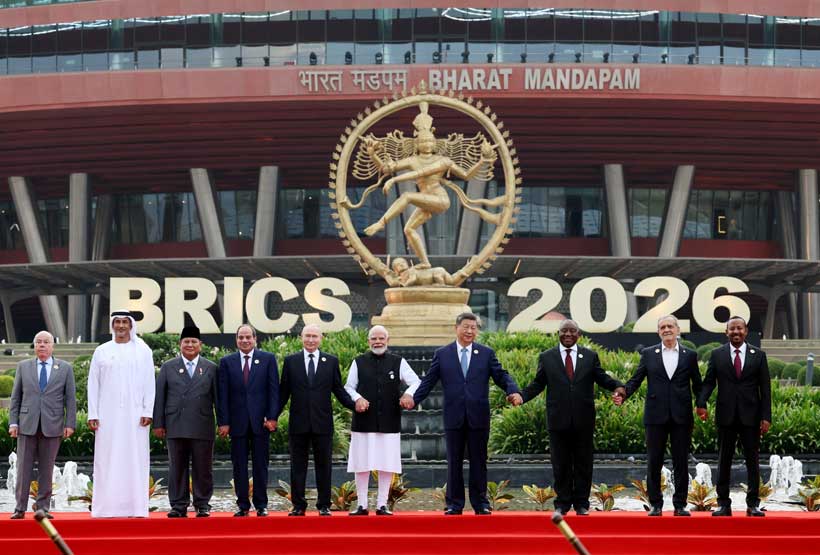
India’s BRICS presidency shaped a consensus-based New Delhi Declaration, emphasizing an inclusive, non-confrontational orientation and practical cooperation across multiple sectors.

Iranian Foreign Minister Abbas Araghchi said Iran is working on joining the New Development Bank established by BRICS, while no timeline or formal application details were provided.