

Middle East, BRICS and the limits of the Global South
Countries cooperate on various fronts and preserve their own margins of decision. The order emerging from this process is not organized in rigid blocks
Countries cooperate on various fronts and preserve their own margins of decision. The order emerging from this process is not organized in rigid blocks

An interview with a BRICS Policy Center director argues that the Middle East conflict may weaken BRICS coordination in the short term while pushing Global South countries toward collective action later.
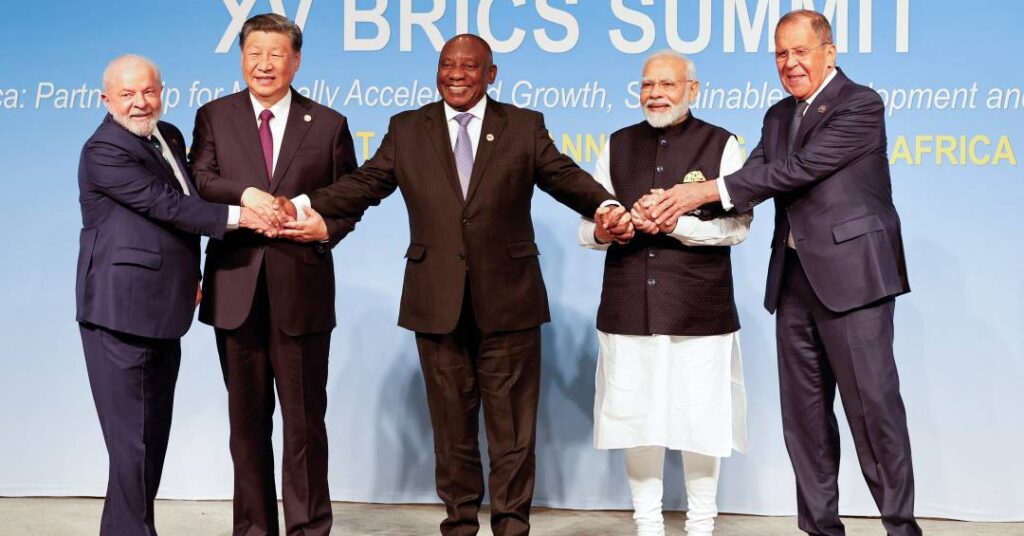
While Russia and China maintain close ties with Iran, India and Arab members align more closely with US and Israel
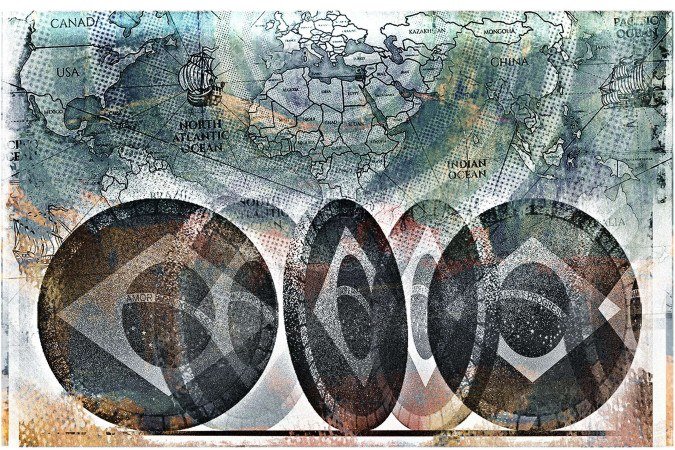
Countries cooperating in multilateral agendas may hold divergent views on regional conflicts, requiring careful balancing of commercial ties, political partnerships, and security concerns
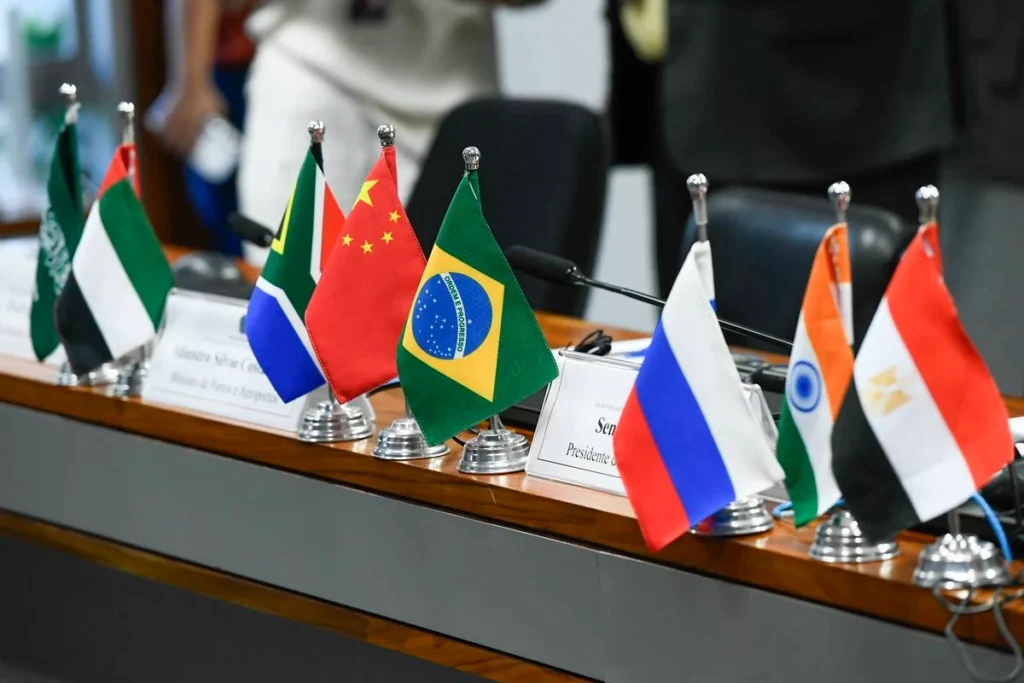
Escalating Middle East tensions expose divisions among BRICS members, challenging the bloc’s political unity and expansion strategy.
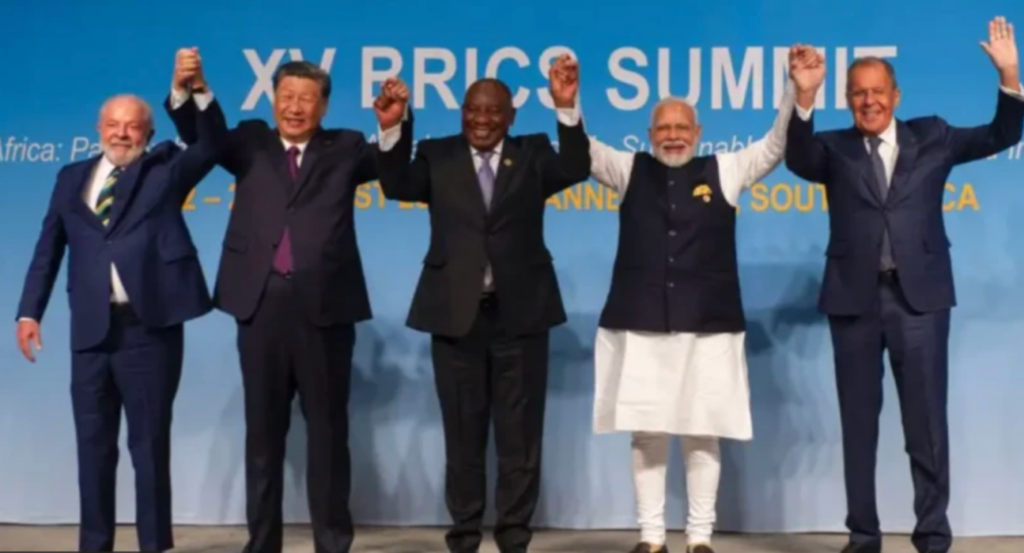
Diplomats indicate BRICS is unlikely to issue a joint statement following Middle East escalations, highlighting challenges in maintaining consensus among expanded membership.

The suspension occurs amid military escalation involving the US, Israel, and Iran
New cross-border payment platform enables instant transactions using national currencies and QR codes among BRICS countries
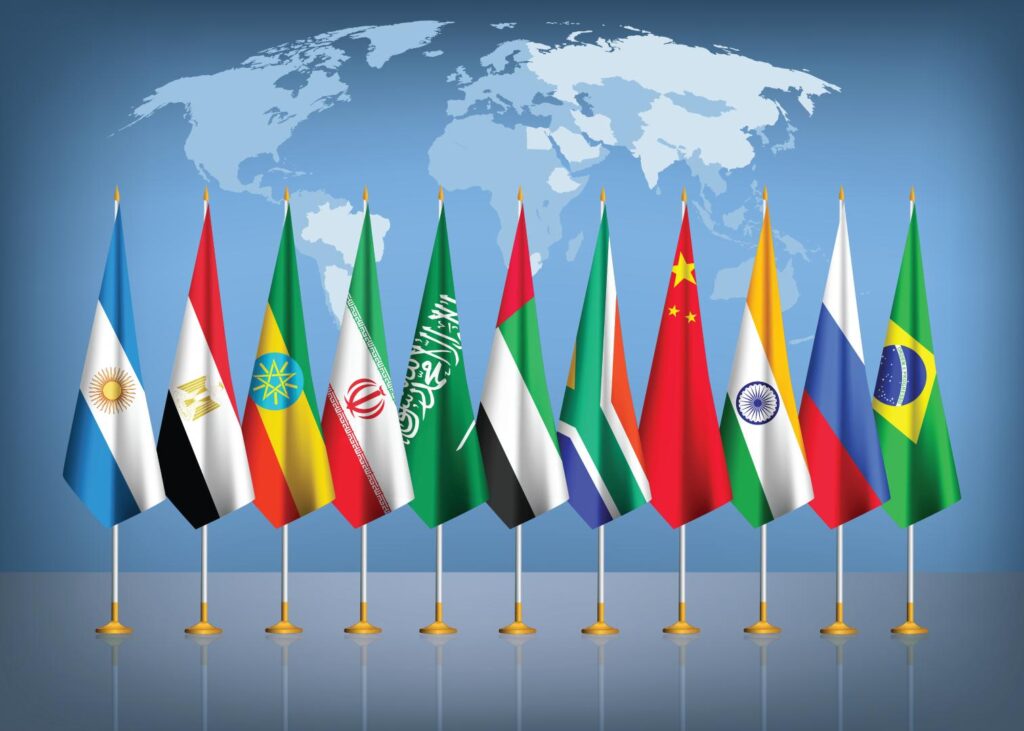
BRICS advances de-dollarization through local currency use and BRICS Pay system, aiming to enhance financial independence while facing geopolitical challenges.