

BRICS New Delhi Declaration Omits Mention of Russia-Ukraine War
The 2026 BRICS declaration in New Delhi emphasizes dialogue and diplomacy but does not specifically reference the Russia-Ukraine conflict, unlike earlier BRICS joint statements.
The 2026 BRICS declaration in New Delhi emphasizes dialogue and diplomacy but does not specifically reference the Russia-Ukraine conflict, unlike earlier BRICS joint statements.
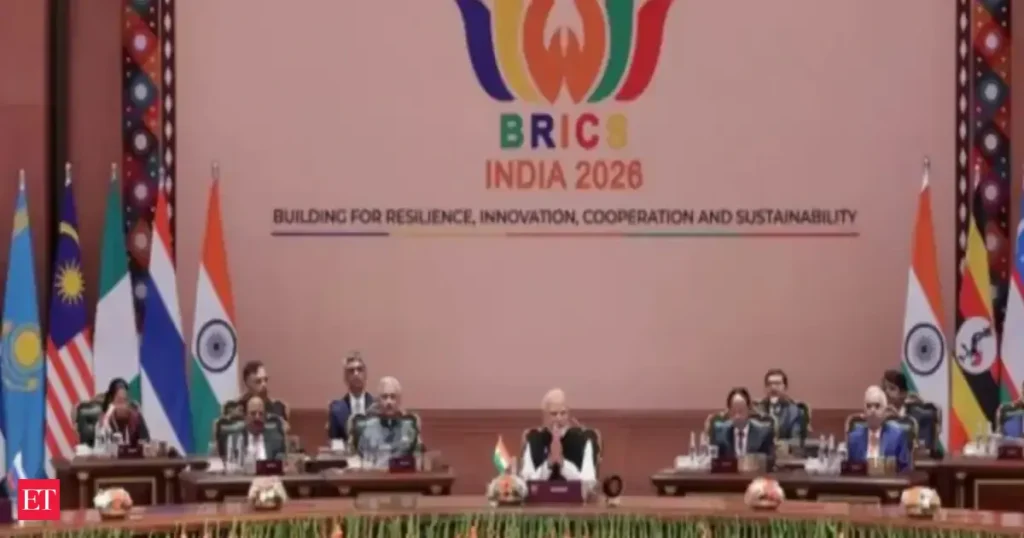
BRICS leaders called for financial and technological support from developed countries for biodiversity conservation and sustainable use, in the New Delhi Declaration 2026.
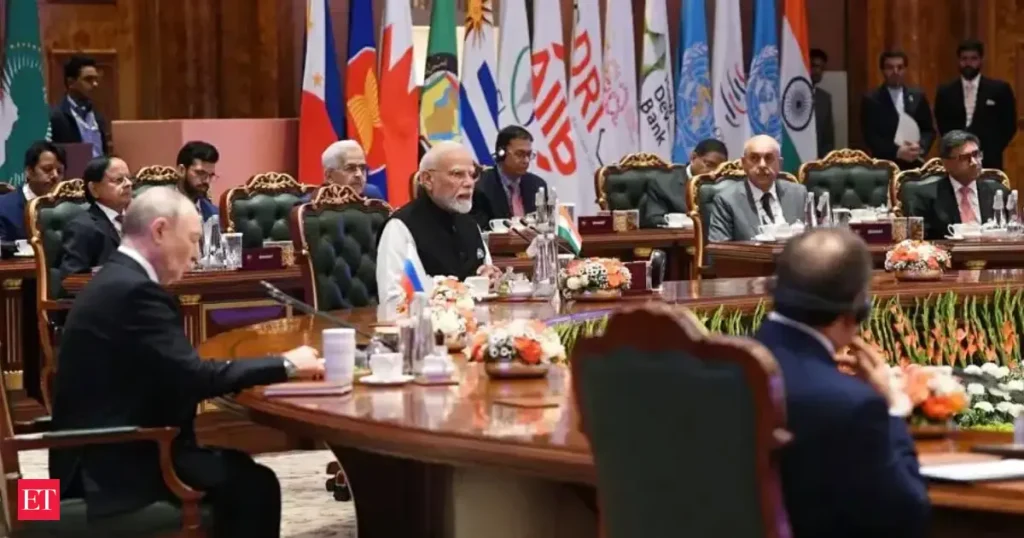
BRICS countries reaffirmed plans to deepen cooperation on sustainable transport infrastructure through policy, investment, technology and capacity building, while promoting sustainable aviation fuels and new BRICS transport initiatives.
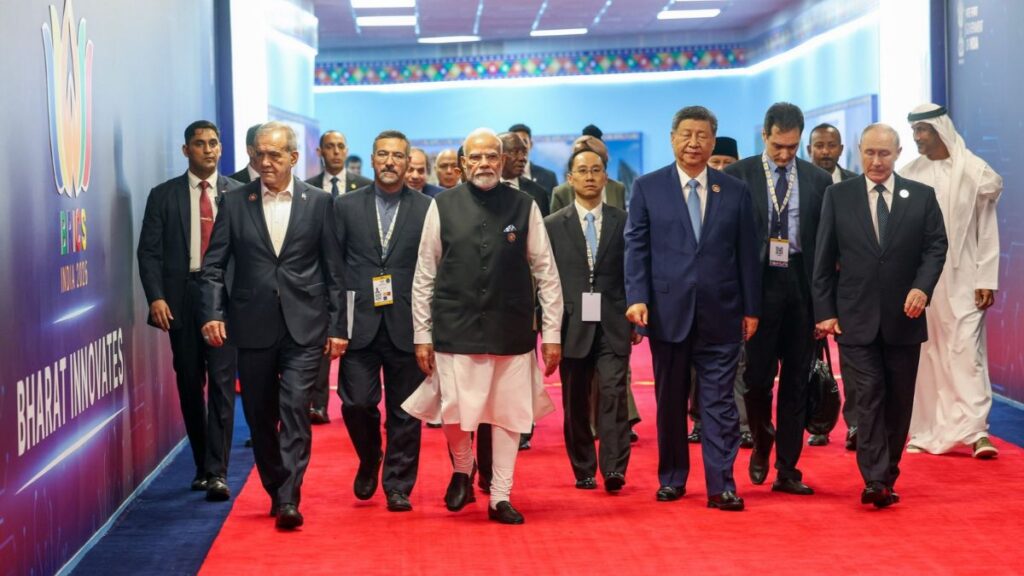
India’s digital public infrastructure, affordable medicines and health capabilities are presented as key contributions to BRICS cooperation and engagement with the Global South.
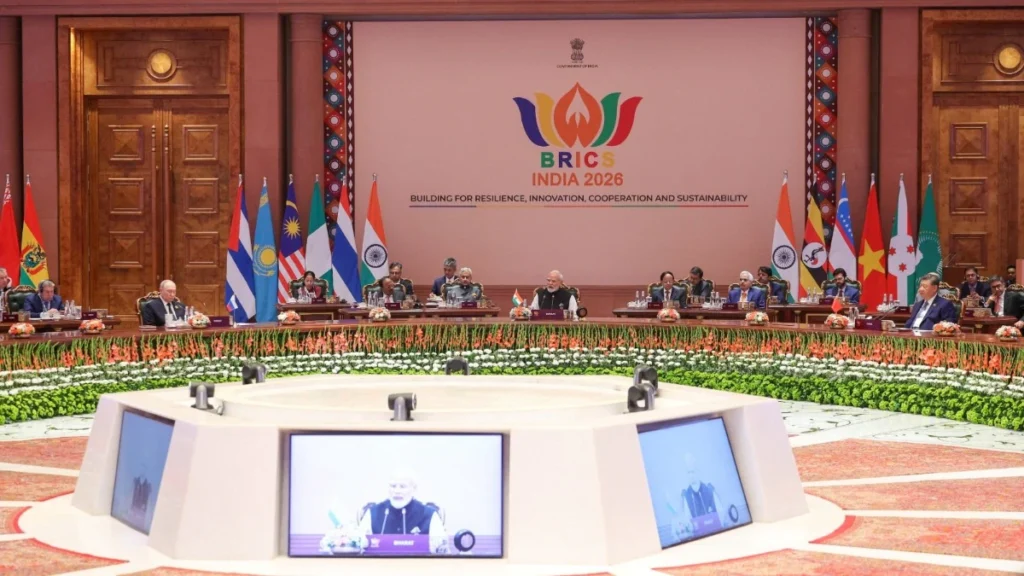
The BRICS New Delhi Declaration frames climate action through sustainable development, equity, energy security and economic resilience rather than a standalone Net Zero commitment.
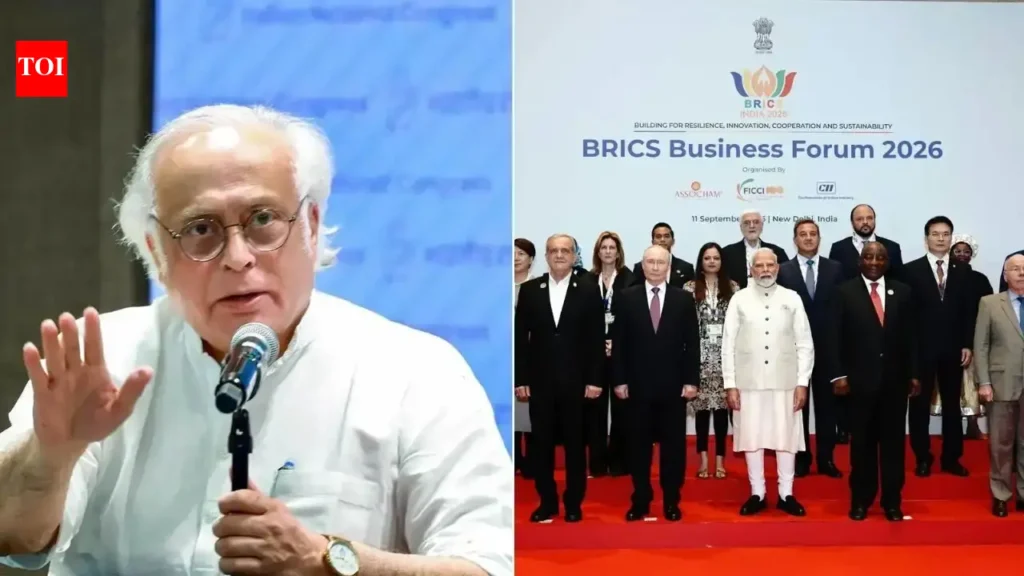
Congress leader Jairam Ramesh highlighted the declaration’s reference to the Bandung Spirit while BRICS leaders outlined positions on global governance, terrorism, trade, and WTO reform.
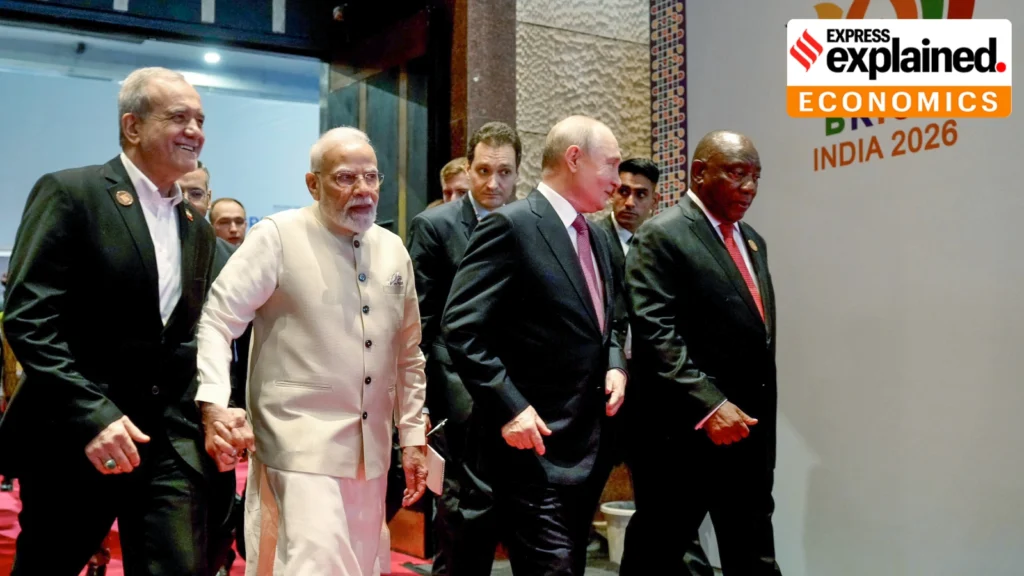
The New Delhi Declaration from the 18th BRICS Summit emphasized energy security, stable markets, and protection of critical infrastructure, while highlighting the challenge of divergent member-state interests during the West Asia crisis.
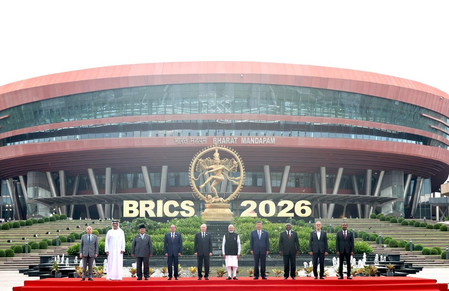
Prime Minister Narendra Modi said BRICS is driven by cooperation and committed to shaping a more inclusive and prosperous world, as the 18th BRICS Summit was held in New Delhi.
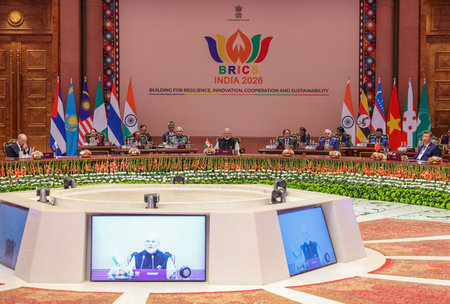
Experts attending the BRICS summit highlighted opportunities for artificial intelligence cooperation, diversified global trade, and cross-border financial integration through mechanisms such as BRICS Pay.