
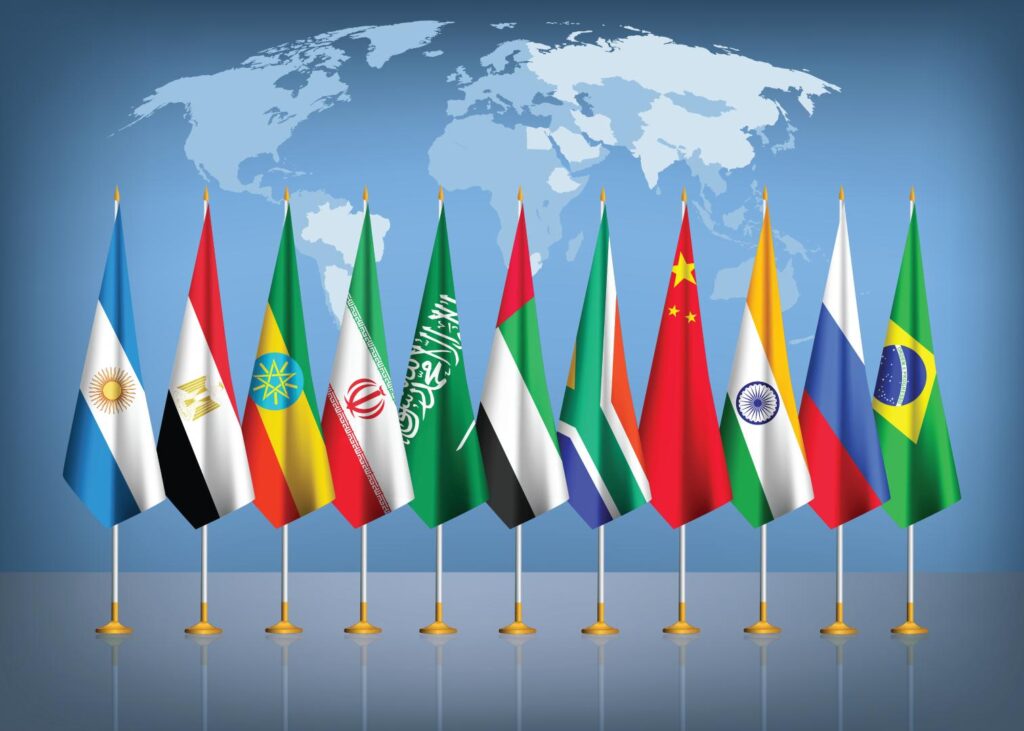
Cementing BRICS: The Global South Opportunity After New Delhi
The article assesses whether BRICS’ institutional architecture built in New Delhi can translate into trade, investment, and technology flows before China assumes the chair in 2027.
The article assesses whether BRICS’ institutional architecture built in New Delhi can translate into trade, investment, and technology flows before China assumes the chair in 2027.
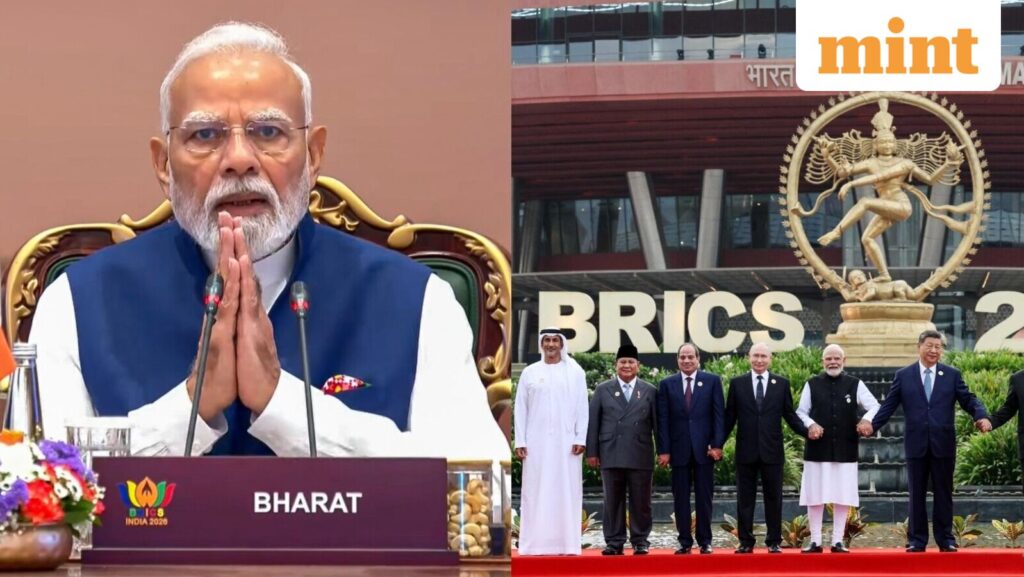
India hosted the second day of the 18th BRICS Summit, with Prime Minister Narendra Modi welcoming world leaders and addressing an open session focused on resilience, innovation, cooperation, and sustainability.
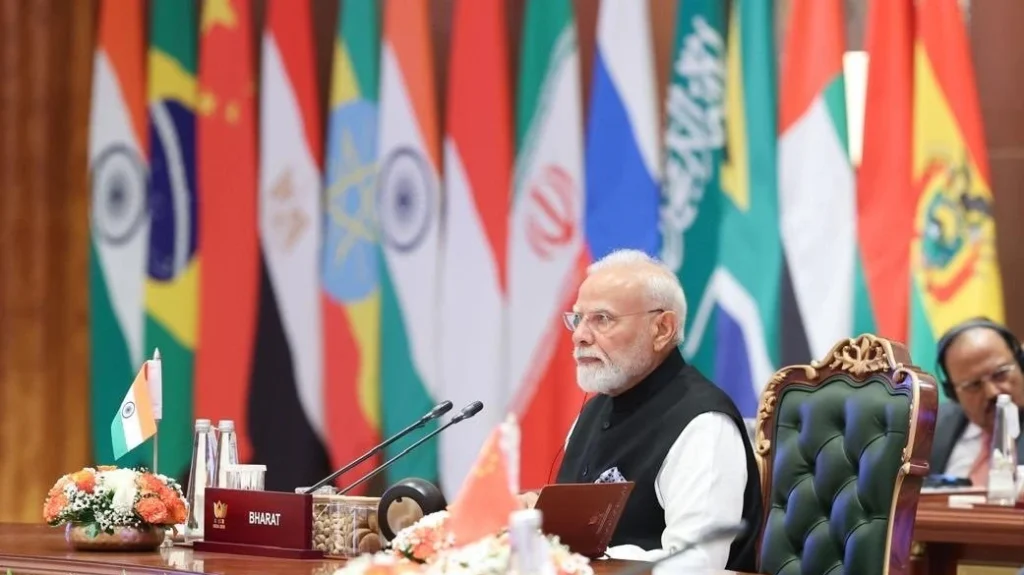
At the BRICS 2026 Summit in New Delhi, the United Nations supported India’s call for comprehensive reform of the Security Council and other global governance institutions.
An analytical article examines India’s BRICS presidency and argues for pragmatic economic cooperation in trade, finance, supply chains, critical minerals and maritime logistics.
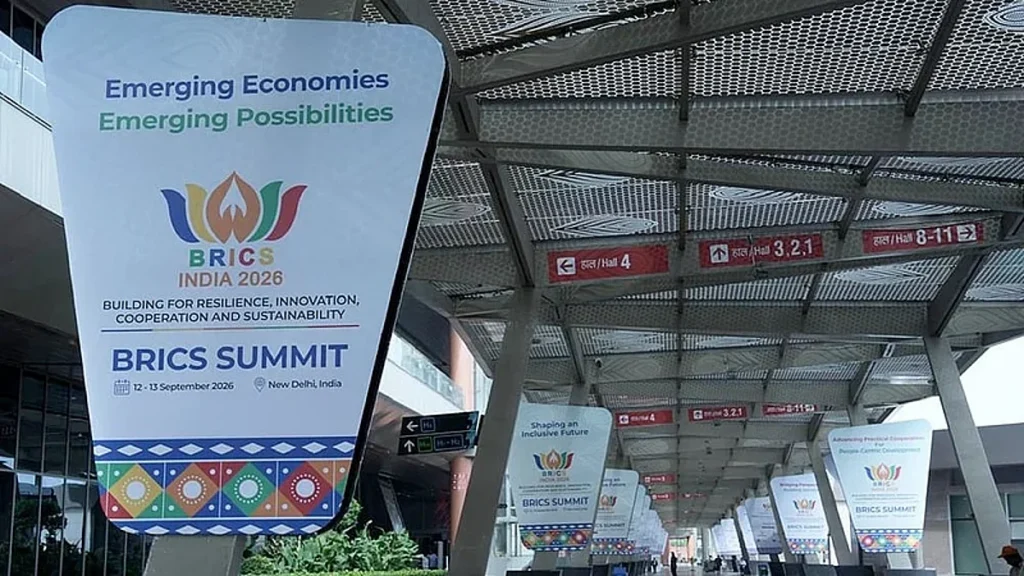
The Delhi Declaration tests whether BRICS can convert consensus among diverse emerging powers into practical cooperation.
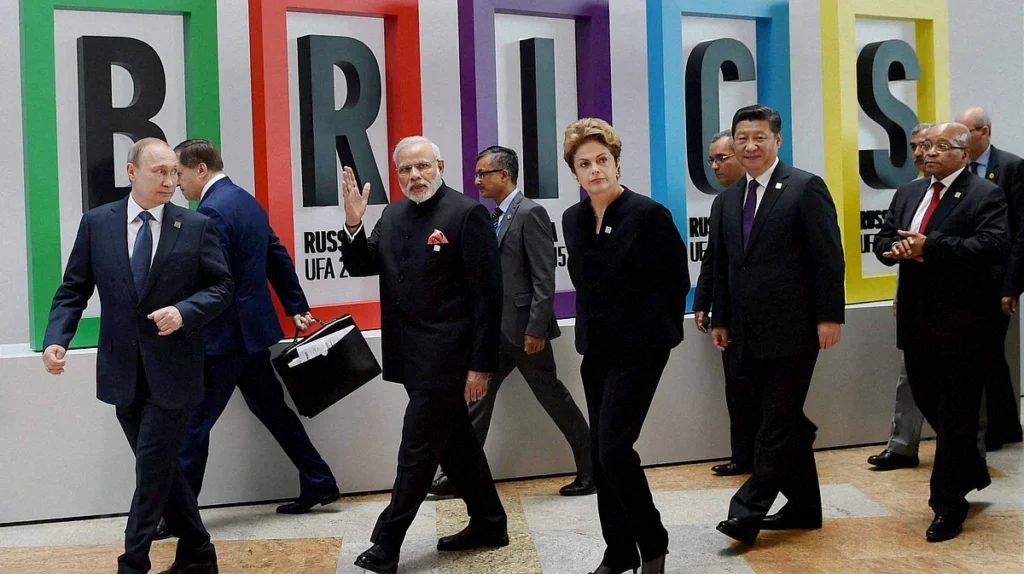
The article analyzes India’s BRICS chairship and the New Delhi Declaration, arguing that New Delhi favors a flexible, issue-based BRICS that supports development finance, global governance reforms, and Global South representation.
PM Modi said India is advancing friendship, participation and cooperation through the BRICS platform and urged broader people-centered engagement.
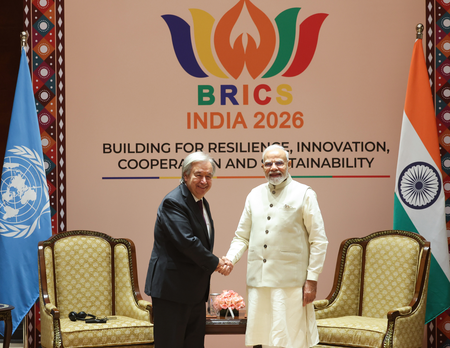
UN Secretary-General Antonio Guterres called for peace at the BRICS Summit in New Delhi, while the summit’s joint declaration addressed tensions in the Middle East, Gaza and Sudan.
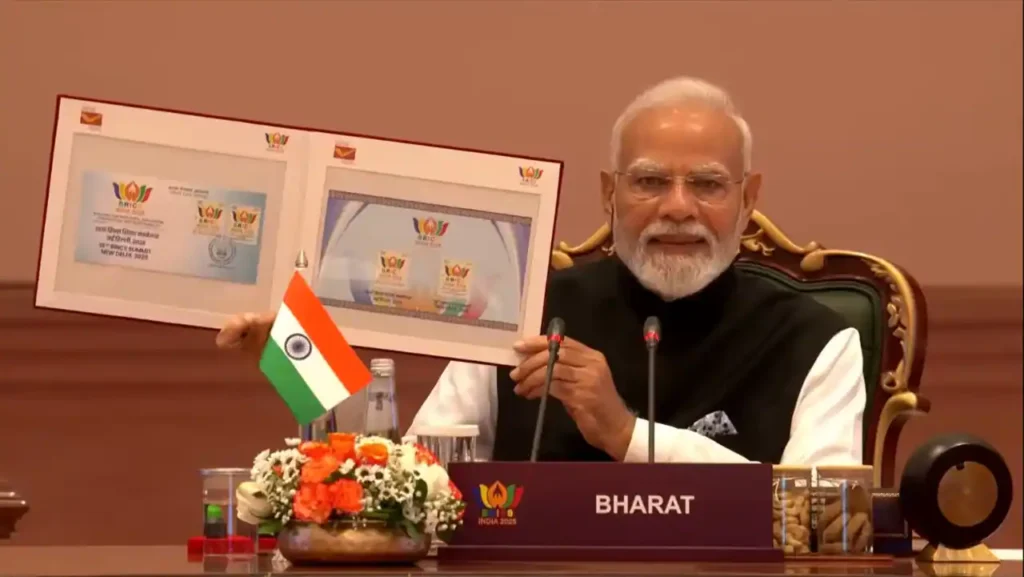
India’s 2026 BRICS chairship moved the grouping from a May foreign ministers’ deadlock to a unanimous September New Delhi Declaration through multi-level consultations and consensus language.