
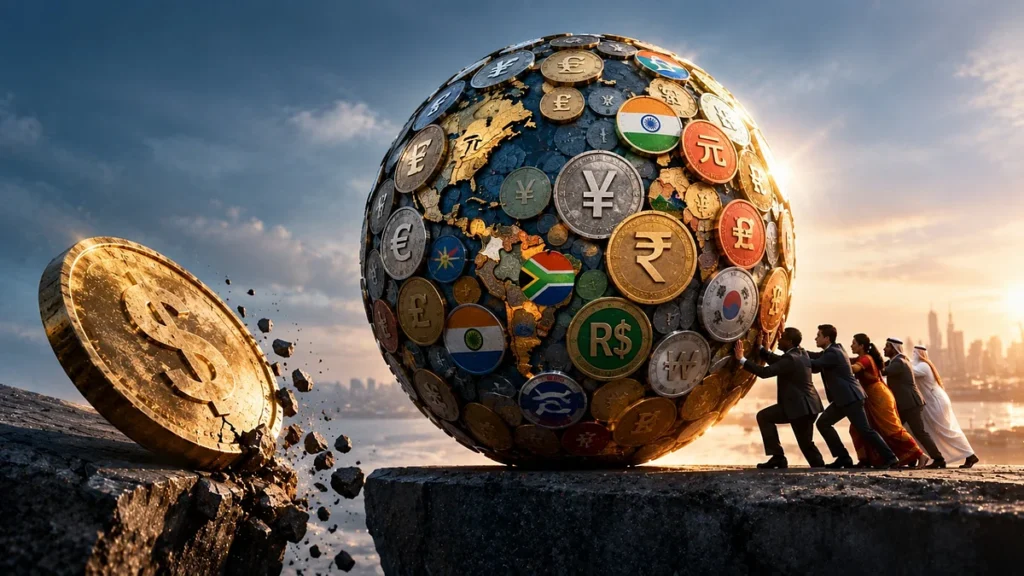
BRICS Could Move Beyond Dollar, But Not Towards A Single Currency
BRICS has shifted focus from a common currency to local-currency settlements, cross-border payment links and financing alternatives to reduce reliance on the US dollar.
BRICS has shifted focus from a common currency to local-currency settlements, cross-border payment links and financing alternatives to reduce reliance on the US dollar.
An analysis of India’s BRICS presidency argues that the New Delhi Declaration could matter if it helps make climate and emerging-market finance more bankable, de-risked and attractive to capital.
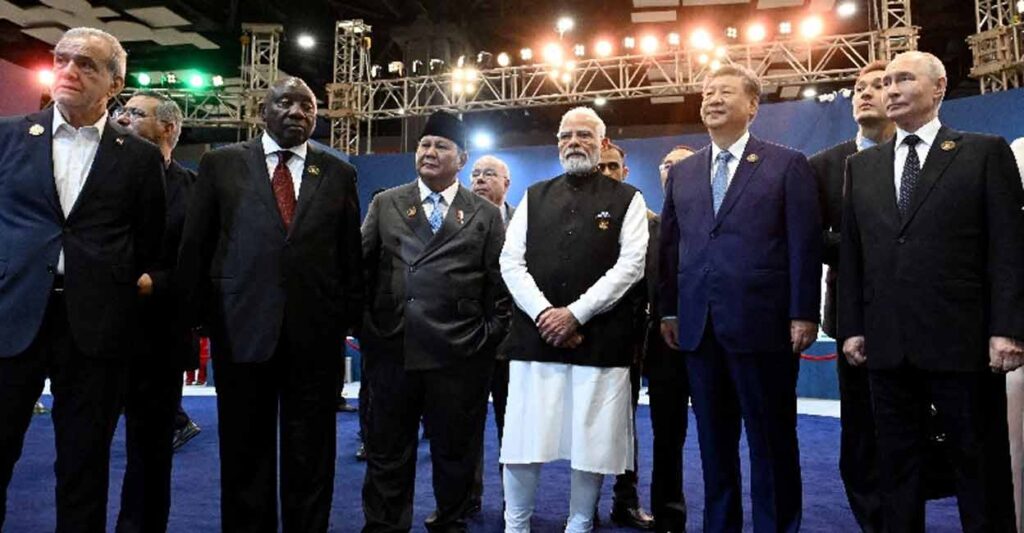
The 2026 BRICS Summit concluded with agreements to deepen cooperation in technology, health, supply chains, trade and sports development, emphasizing sport as a driver of social growth and people-to-people exchange.
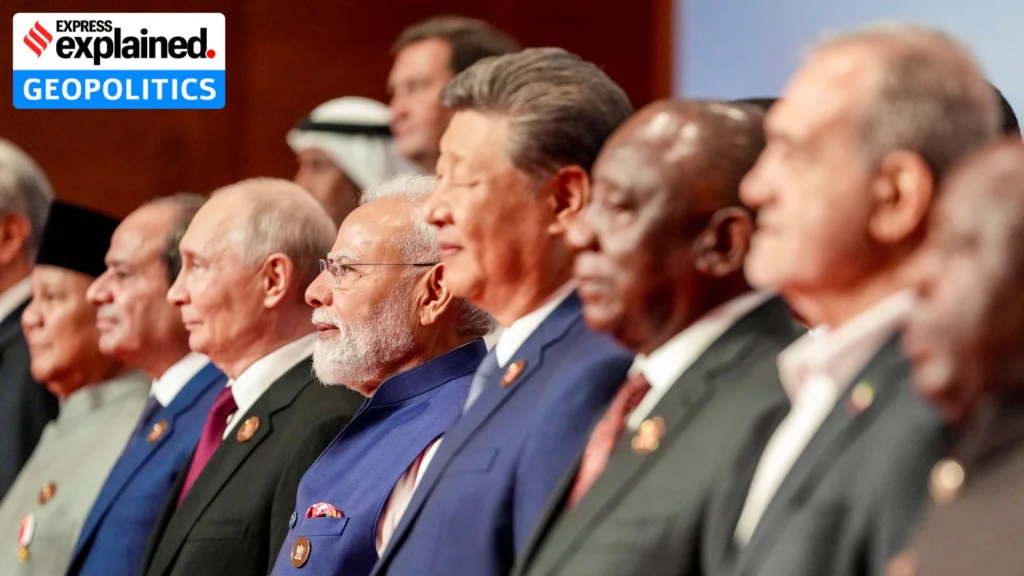
India’s 2026 BRICS presidency centered on the New Delhi Declaration, continuity mechanisms, and practical economic cooperation, while cross-border payments and implementation challenges remain.

The BRICS Chamber of Commerce & Industry hosted BRICS+ Dialogue 2026 in New Delhi, focusing on inclusive innovation, women’s leadership, and practical cross-border cooperation under India’s BRICS Presidency.
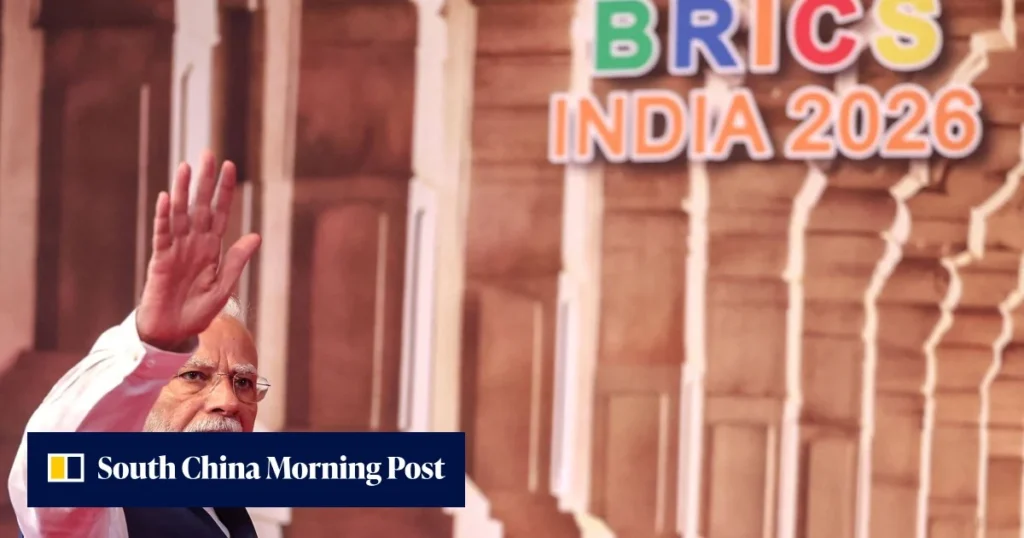
New Delhi ‘papered over’ differences to keep the bloc focused on trade and tech priorities, analysts say.
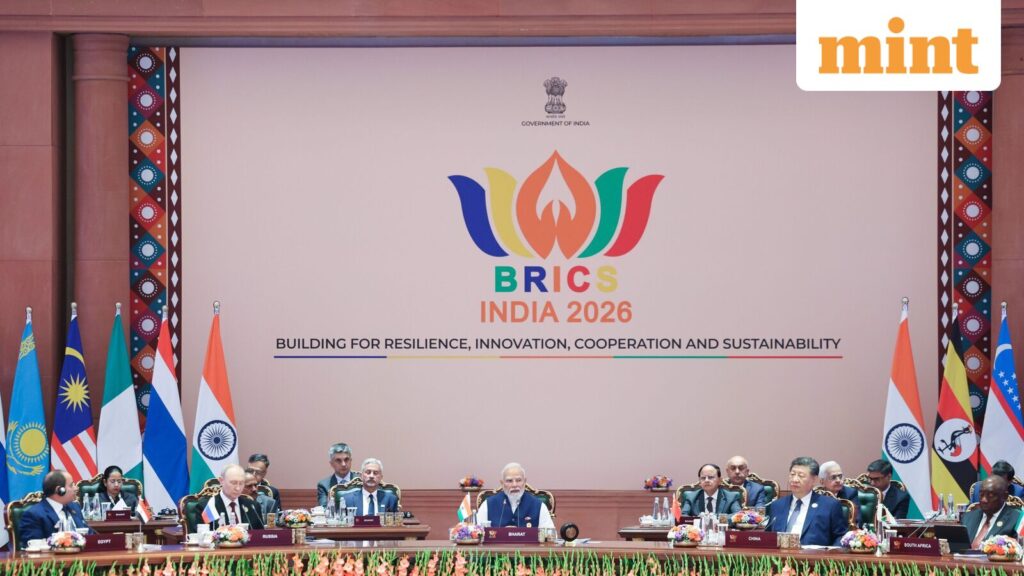
An analysis of BRICS’ post-2023 expansion, internal coherence challenges, and India’s 2026 chairship, arguing that development and economic cooperation will determine whether the grouping can deliver tangible outcomes.

American economist Jeffrey Sachs said BRICS supports a multipolar and genuinely multilateral global order, not an alliance against the United States, and backed alternatives to the US dollar because of its weaponisation.
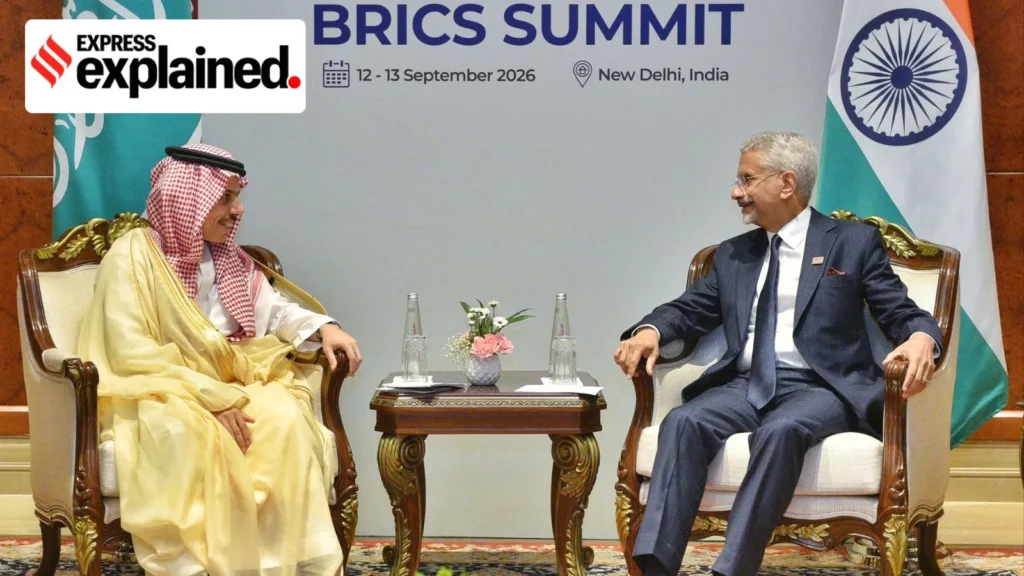
Saudi Arabia is deepening economic and diplomatic ties with BRICS and India while keeping formal membership unresolved as it balances its strategic relationship with the United States.