BRICS@20: Roadmap from New Delhi
An analysis of the New Delhi BRICS Summit highlights India’s push for consensus, institutional continuity, and practical cooperation for the Global South.
Atlantic Council analyst Michael Kugelman said India’s successful hosting of the BRICS Summit and the adoption of the New Delhi Declaration demonstrated its ability to build consensus among countries with divergent views.
An analysis argues that BRICS has taken up practical global governance files on climate adaptation, early warning systems, and asset recovery as the G20 agenda narrows.
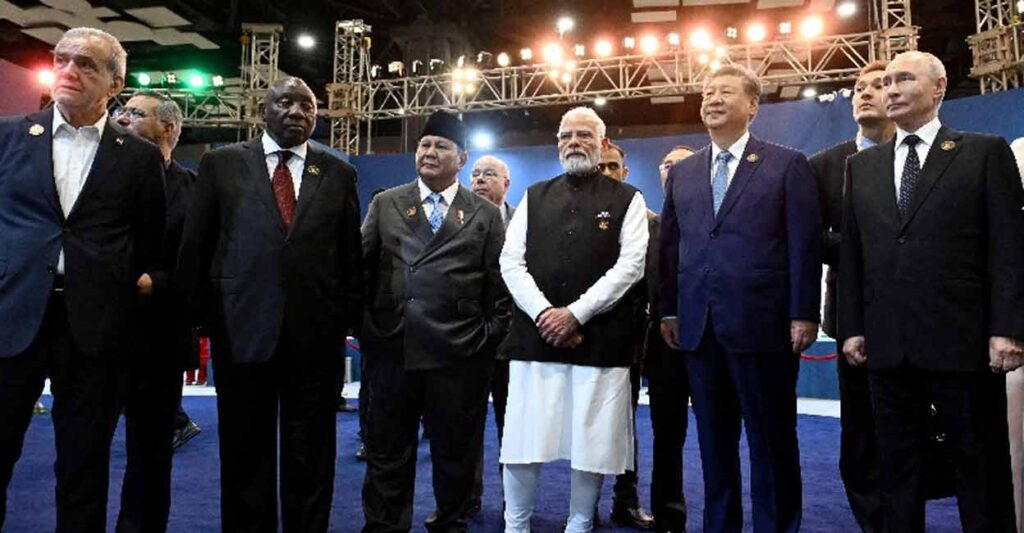
A video feature highlights rare, candid, and unseen moments from the 18th BRICS Summit hosted in India.
A trade exposure analysis suggests that a wider BRICS+ network could allow India to settle about 40 percent of its trade with member and partner economies in local currencies.
Chinese media coverage of Xi Jinping’s New Delhi visit highlighted BRICS cooperation and India-China ties while noting trade and strategic differences.
Uruguayan Foreign Minister Mario Lubetkin said India’s BRICS presidency and the 18th BRICS Summit in New Delhi achieved meaningful consensus and produced a substantive declaration.
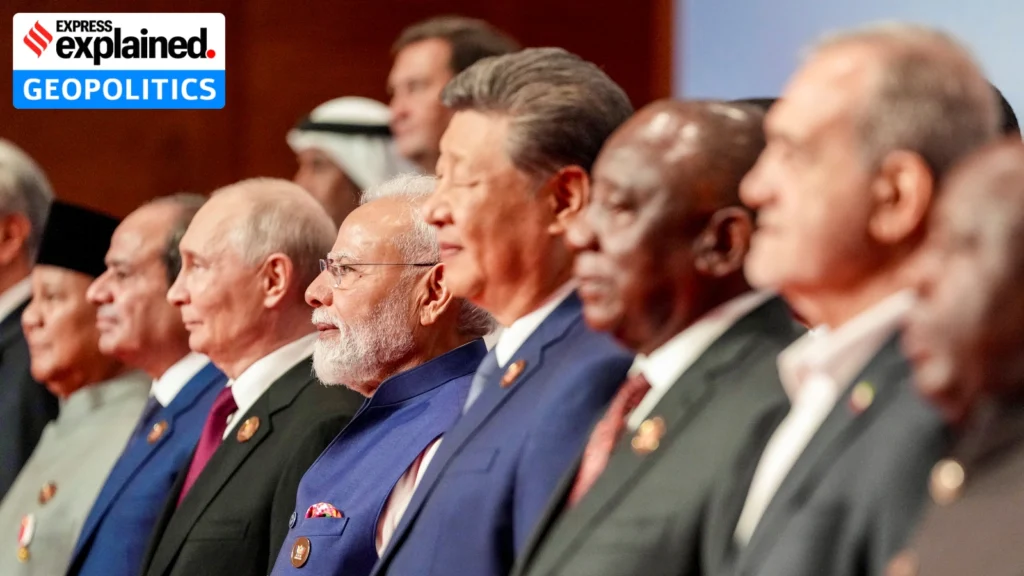
India chaired the 18th BRICS Summit in New Delhi, adopting a consensus declaration that addressed Middle East tensions, unilateral tariffs and sanctions, and counter-terrorism while balancing relations with China, Russia, the Gulf, and the United States.
The 18th BRICS Summit in New Delhi adopted a declaration addressing cross-border digital fraud, AI governance, local currency settlement, and financial sector resilience among BRICS member states.