
U.S. to boycott G20 meeting because of South Africa’s diversity push
Source: The Globe and Mail | Original Published At: 2025-02-06 14:48:10 UTC
Key Points
- U.S. boycotts G20 meetings hosted by South Africa over diversity agenda
- South Africa emphasizes 'solidarity, equality, sustainability' as G20 theme
- China positioned to gain influence amid U.S. withdrawal
- Boycott impacts Canada's efforts to link G7 and G20 platforms
- BRICS expansion mentioned as alternative multilateral framework
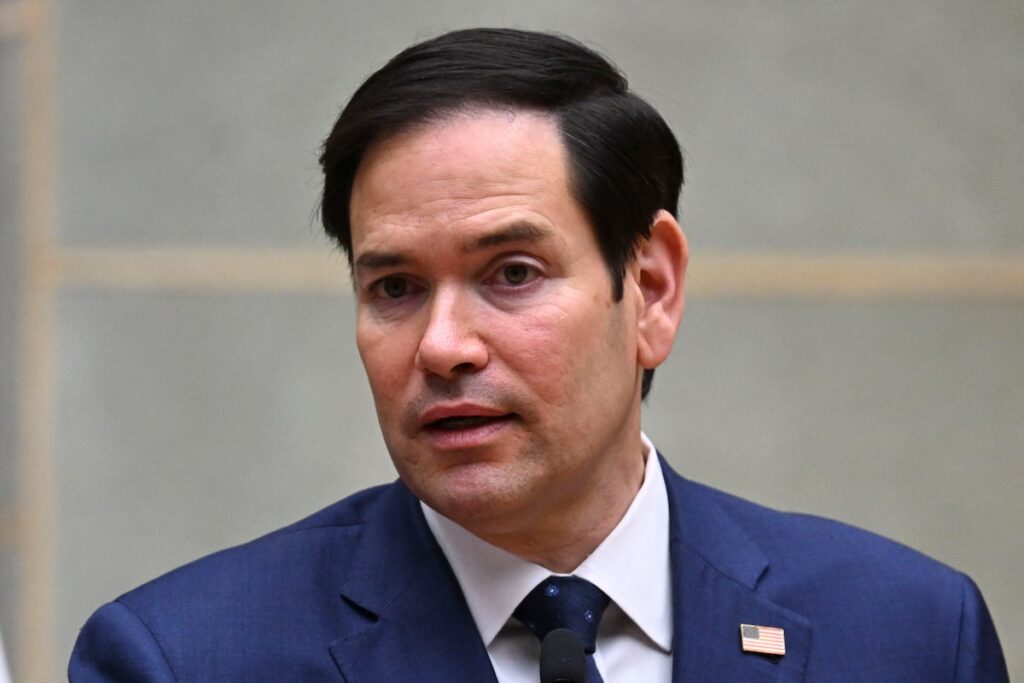
Open this photo in gallery: U.S. Secretary of State Marco Rubio speaks to the media in Guatemala City, on Feb. 5.JOHAN ORDONEZ/AFP/Getty Images
U.S. Secretary of State Marco Rubio has announced he will not attend G20 meetings this month, complaining that host country South Africa is promoting diversity, equity and other “very bad things” in the G20 agenda.
The South African government insisted that it will go ahead with the ministerial meetings despite the U.S. decision, and analysts said the snub would strengthen China’s hand as an emerging leader of the G20 group of countries.
The boycott is a blow to Canada’s hopes of bolstering links between the G20 and G7 groups during Canada’s presidency of the G7 this year. Foreign Minister Mélanie Joly was in South Africa last August to discuss how to expand those connections.
The first G20 ministerial meeting, a gathering of foreign ministers, is due to begin Feb. 20 in Johannesburg. On Wednesday night, Mr. Rubio said on social media that he will not be there. He also criticized the official theme of South Africa’s G20 leadership this year: “solidarity, equality, sustainability.” This effectively means an emphasis on climate change and DEI (diversity, equity and inclusion), he said.
“South Africa is doing very bad things,” Mr. Rubio said. “My job is to advance America’s national interests, not waste taxpayer money or coddle anti-Americanism.”
He also complained that South Africa is “expropriating private property” – a false allegation about the country’s newly approved expropriation law, which has not yet taken effect and contains a series of legal protections similar to the laws of many other countries.
Commentators said the wording of Mr. Rubio’s statement – especially the “very bad things” phrase – seemed borrowed from U.S. President Donald Trump, who on Monday accused South Africa of “terrible things, horrible things” and threatened to halt all U.S. funding to the country because of the expropriation law.
Mr. Rubio’s statement was applauded by South African-born billionaire – and close ally of Mr. Trump – Elon Musk, who posted an image of two U.S. flags in response. Peter Pham, a former Trump envoy who is widely reported to be the administration’s likely appointee for the top Africa post in the State Department, said South Africa was using the G20 meetings to “promote a woke agenda.”
South African Foreign Minister Ronald Lamola said his government will keep trying to engage the United States. “Our G20 presidency is not confined to just climate change but also equitable treatment for nations of the Global South, ensuring an equal global system for all,” he said in a statement on Thursday.
“We are a sovereign and democratic country committed to human dignity, equality and rights, championing non-racialism and non-sexism while placing our constitution and the rule of law at the forefront.”
South Africa is the first African country to play host to the G20 summit, which is scheduled to be held in November. It had hoped to persuade Mr. Trump to attend, especially since the United States is scheduled to be the host country next year. Throughout 2025, South Africa expects to hold 130 meetings with officials from G20 countries.
In the aftermath of Mr. Rubio’s announcement, China seemed poised to expand its role in the intergovernmental organization. The Chinese ambassador to South Africa, Wu Peng, posted a photo showing him meeting Mr. Lamola on Thursday. He said he “expressed China’s readiness to support South Africa’s G20 Presidency.”
Ryan Cummings, a South African security analyst, said the U.S. boycott will bolster the influence of the BRICS group of countries, where China and Russia are the dominant powers. BRICS was originally formed by Brazil, Russia, India, China and South Africa, but it has recently expanded to include Indonesia, Iran and several other countries in the Global South.
Mr. Rubio’s decision appears to be part of a larger campaign against South Africa by right-wing U.S. politicians. Earlier this week, Senator Ted Cruz accused South Africa of unfairly expelling Taiwan from its offices in Pretoria. He warned that the move would “deepen tensions” between Washington and South Africa.
“The South African government seems to be going out of their way to alienate the United States and our allies,” Mr. Cruz said in a social media post. “I intend to use my position as the chairman of the Africa subcommittee on the Senate Foreign Relations Committee to investigate these and other concerning decisions by South Africa.”
The Trump administration is also reportedly concerned about South Africa’s decision to launch a case against Israel at the International Court of Justice alleging genocide against Palestinians in Gaza.
But a U.S. Democratic Party senator, Chris Murphy, said the campaign against South Africa is driven by Mr. Musk’s personal business interests.
“This isn’t complicated to understand,” Mr. Murphy said on social media. “Elon Musk’s Starlink was denied a license in South Africa and so he’s been on a revenge campaign to get them to reverse their decision. Our foreign policy is now just billionaire business tactics. What a heartbreaking corruption.”