
BRICS At A Crossroads As Global Order Faces Turbulence, Global South Seeks Greater Space
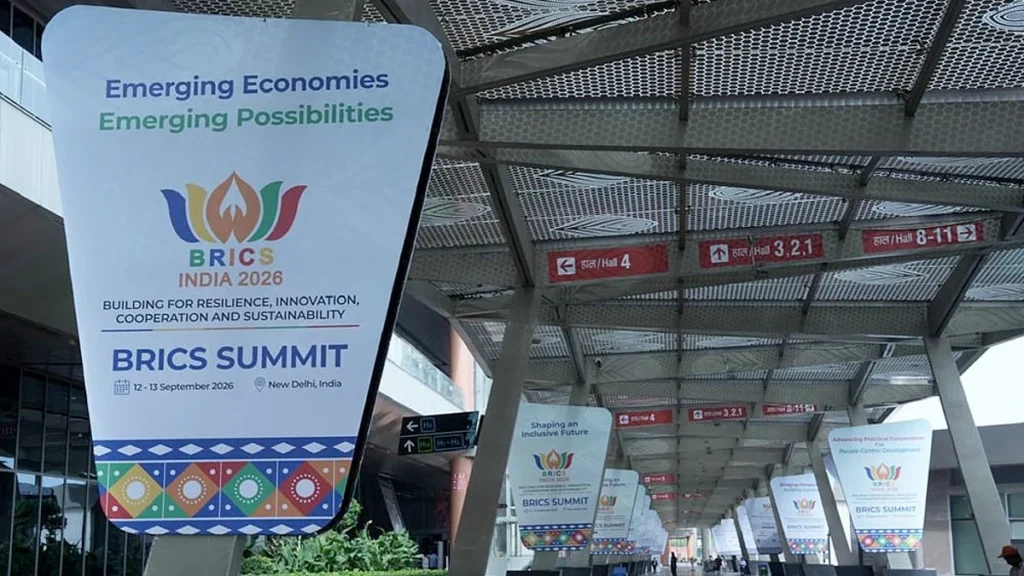
Cooperation areas
Source: Outlook India | Original Published At: 2026-09-12 12:35:55 UTC
Key Points
- BRICS is increasingly viewed as a platform for Global South countries seeking greater strategic and economic space amid wars, trade tensions, and geopolitical rivalries.
- The Russia-Ukraine war, tensions in West Asia, growing US-China confrontation, and US tariff policies have added uncertainty to the international system.
- Academic Rajan Kumar said BRICS' future depends on evolving geopolitics, declining G7 influence, the rise of the Global South, and dissatisfaction with the existing international system.
- The expanded BRICS grouping represents about 49.5% of the world's population, about 40% of global GDP, and nearly 26% of global trade.
- BRICS has expanded intra-member trade, reaching $1.17 trillion in 2024, and created institutions such as the New Development Bank.
- BRICS has not adopted a common currency but is increasing trade in national currencies and developing alternative payment mechanisms, including rupee-ruble and yuan-ruble arrangements.
- Despite internal differences and rivalries, notably between India and China, BRICS members continue to cooperate on issues of common interest and seek greater strategic autonomy.