
Brics steers clear of a position on Ukraine crisis, seeks peaceful resolution
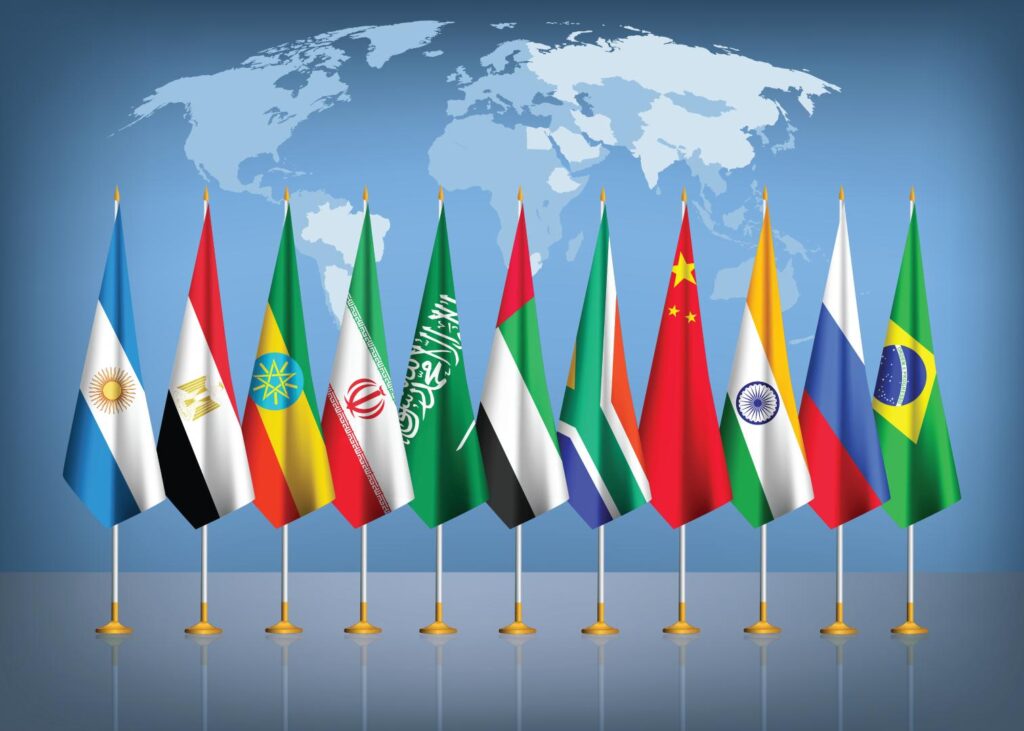
Source: Hindustan Times | Original Published At: 2023-08-24 15:38:53 UTC
Key Points
- Brics avoids taking a direct stance on the Ukraine crisis, emphasizing mediation and dialogue
- Johannesburg II Declaration supports India's proposal to include African Union in G20
- Brics prioritizes trade in national currencies and correspondent banking networks
- Urges developed nations to meet $100bn/year climate finance commitment for developing countries
- Commits to agricultural cooperation for global food security and sustainable development
- Calls for UN reform to increase representation of emerging economies
NEW DELHI: The Brics grouping on Thursday steered clear of taking a position on the Ukraine crisis, with member states only saying that they welcome mediation aimed at resolving the conflict through dialogue and diplomacy. PM Narendra Modi with Brazilian President Luiz Inacio Lula da Silva, Chinese President Xi Jinping, South African President Cyril Ramaphosa, Russia’s Foreign Minister Sergei Lavrov and other leaders poses for a photo during the 15th BRICS Summit, in Johannesburg (PTIVIA @MEAIndia)
The Johannesburg II Declaration issued at the conclusion of the Brics (Brazil-Russia-India-China-South Africa) Summit expressed concern at “ongoing conflicts in many parts of the world” and sought peaceful resolution of disputes through dialogue and consultations.
The declaration referred to the national positions of Brics states “concerning the conflict in and around Ukraine as expressed at the appropriate fora, including the UNSC and UNGA”. It also noted “with appreciation relevant proposals of mediation and good offices aimed at peaceful resolution of the conflict through dialogue and diplomacy, including the African Leaders Peace Mission and the proposed path for peace”.
China and Russia have opposed all references to the Ukraine conflict in outcome documents of G20 meetings while India has refrained from publicly censuring the Russian invasion. Russian President Vladimir Putin didn’t attend the Brics summit in Johannesburg in person after the International Criminal Court issued an arrest warrant for him in connection with the Ukraine conflict.
The declaration outlined the approach of Brics towards several foreign policy and sustainable development issues and supported India’s proposal for including the African Union as a member of G20 at the upcoming summit of the 20 largest economies in New Delhi.
As part of an ongoing drive by Brics to increase trade in national currencies, the member states tasked finance ministers and central bank governors to “consider the issue of local currencies, payment instruments and platforms and report back to us by the next Summit”.
They stressed the importance of using national currencies in international trade and transactions between Brics states and their trading partners. “We also encourage strengthening of correspondent banking networks between the Brics countries and enabling settlements in the local currencies,” the declaration said.
The Brics Payment Task Force is currently mapping various elements of the G20 Roadmap on Cross-border Payments in member states, and the sharing of experiences on payment infrastructures, including interlinking of cross-border payment systems, will facilitate trade and investment flows between Brics members and other developing countries.
The Brics states further urged developed countries to honour commitments to support climate action in developing nations, including mobilising $100 billion a year by 2020 and through 2025. Doubling of adaptation finance by 2025 from the base of 2019 is also key to implementing adaptation actions, the declaration said.
“Moreover, we look forward to setting up an ambitious New Collective Quantified goal, prior to 2025, as per the needs and priorities of developing countries. This will require enhanced financial support from developed countries that is additional, grant-based and/or concessional, timely delivered, and adequate to take forward adaptation and mitigation action in a balanced manner. This extends to support for the implementation of the Nationally Determined Contributions (NDCs),” it added.
With Brics states producing a third of the world’s food, the member states agreed to strengthen agricultural cooperation and promote sustainable agriculture to enhance food security within the bloc and worldwide.
The declaration called for resolving the Iranian nuclear issue through peaceful and diplomatic means and hoped relevant parties will restore the full and effective implementation of the Joint Comprehensive Plan of Action (JCPOA) at an early date.
The Brics states welcomed the resumption of diplomatic ties between Saudi Arabia and Iran and said deescalating tensions and managing differences through dialogue is key to “peaceful coexistence in this strategically important region of the world”.
The declaration sought comprehensive reform of the United Nations to make it “more democratic, representative, effective and efficient”, and supported the aspirations of emerging countries from Africa, Asia and Latin America, including Brazil, India and South Africa, to play a greater role in the world body.
Meanwhile, in his address at the Brics-Africa Outreach and Brics-Plus Dialogue, Prime Minister Narendra Modi said the bloc should give importance to the priorities and concerns of the Global South.
India also accords high priority to ties with Africa, where the country has opened 16 new embassies, he said. India is Africa’s fourth-largest trade partner and fifth-largest investor, and it has taken up numerous development projects in the region, ranging from power projects to campuses set up by Indian universities in Tanzania and Uganda.
About 4,400 Indian peacekeepers are helping restore peace and stability in Africa, and India is working closely with African countries to fight terrorism and piracy, Modi said.
“I believe Brics and all the friendly countries present today together can cooperate in strengthening the multipolar world…We have common interests in counter-terrorism, environmental protection, climate action, cyber security, food and health security, energy security, building resilient supply chains,” he said, speaking in Hindi.