
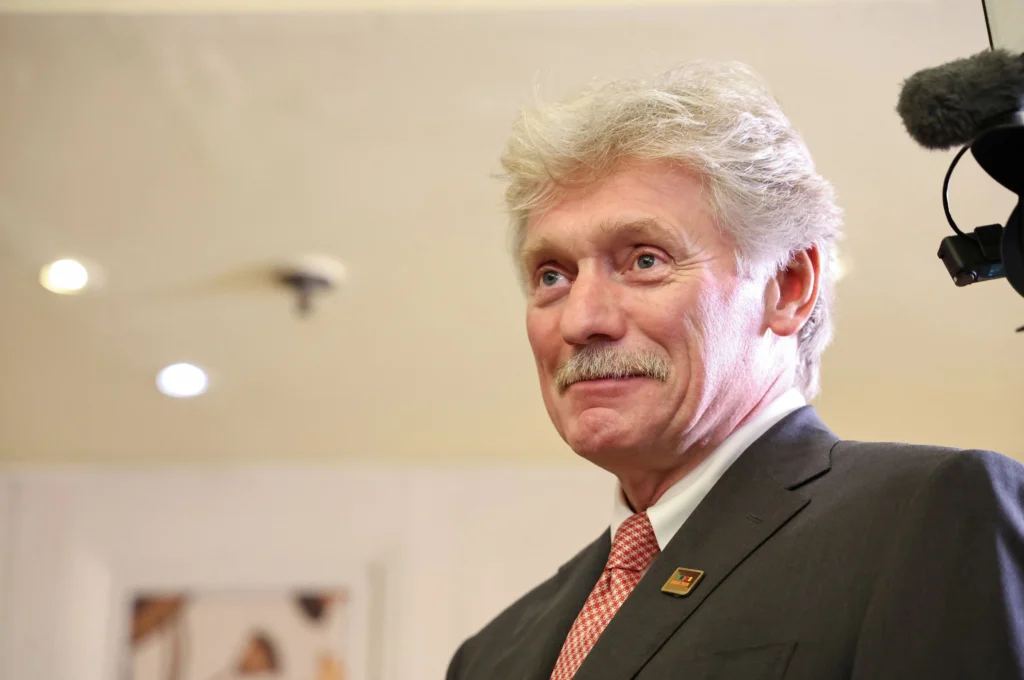
Peskov: Why Russia and BRICS Turned Away from the Dollar
Kremlin spokesperson said dollar restrictions pushed BRICS toward national-currency settlements, as the New Delhi summit promoted local-currency payments and global governance reform.
Kremlin spokesperson said dollar restrictions pushed BRICS toward national-currency settlements, as the New Delhi summit promoted local-currency payments and global governance reform.
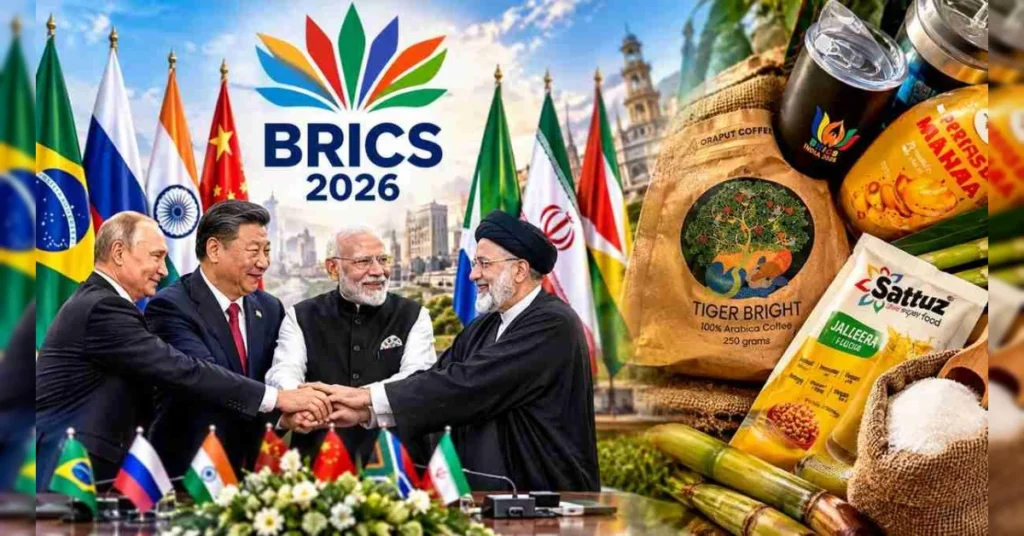
At the 18th BRICS Summit in New Delhi, delegates and journalists are receiving gift hampers designed to showcase Indian cultural diversity and local products under the Vocal for Local theme.
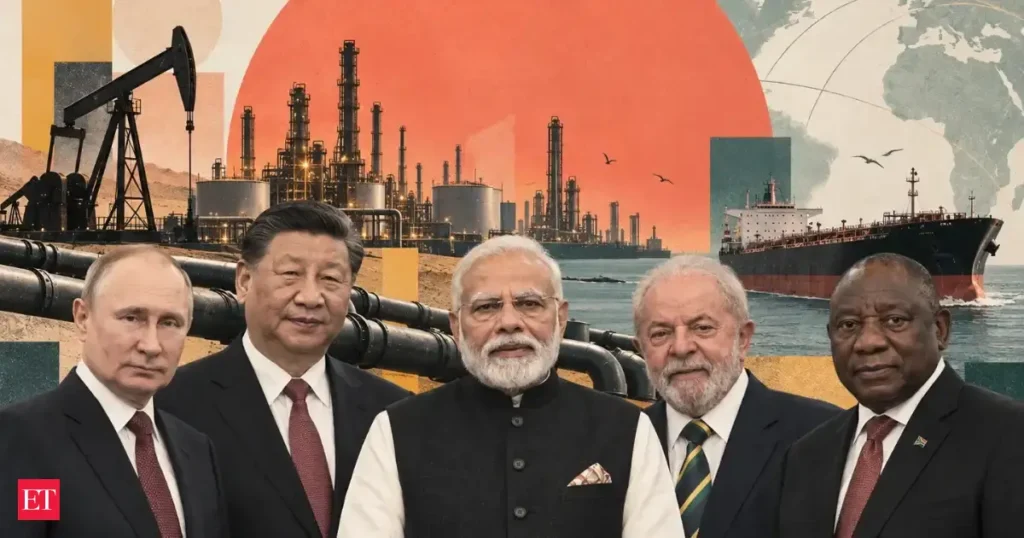
BRICS is gaining weight in global energy markets as its 11 members include major oil producers such as Russia, Saudi Arabia, Iran and the UAE, along with major consumers India and China. The grouping accounts for roughly 41-47% of global crude oil production, but differences among members make a common energy policy difficult.
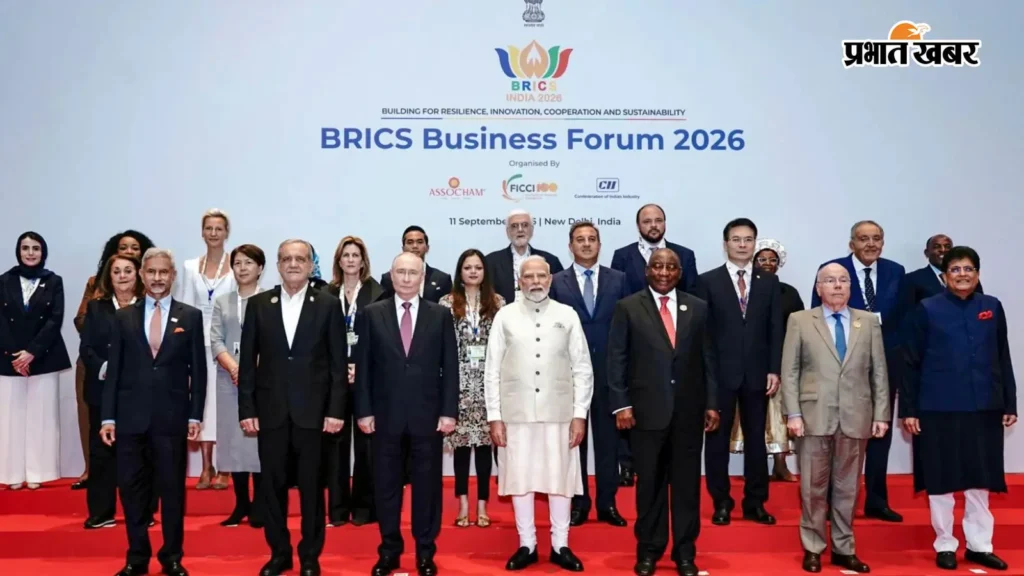
Photographs and briefings show PM Modi meeting Russian President Vladimir Putin and Iranian President Masoud Pezeshkian ahead of the 18th BRICS Summit hosted by India in New Delhi.
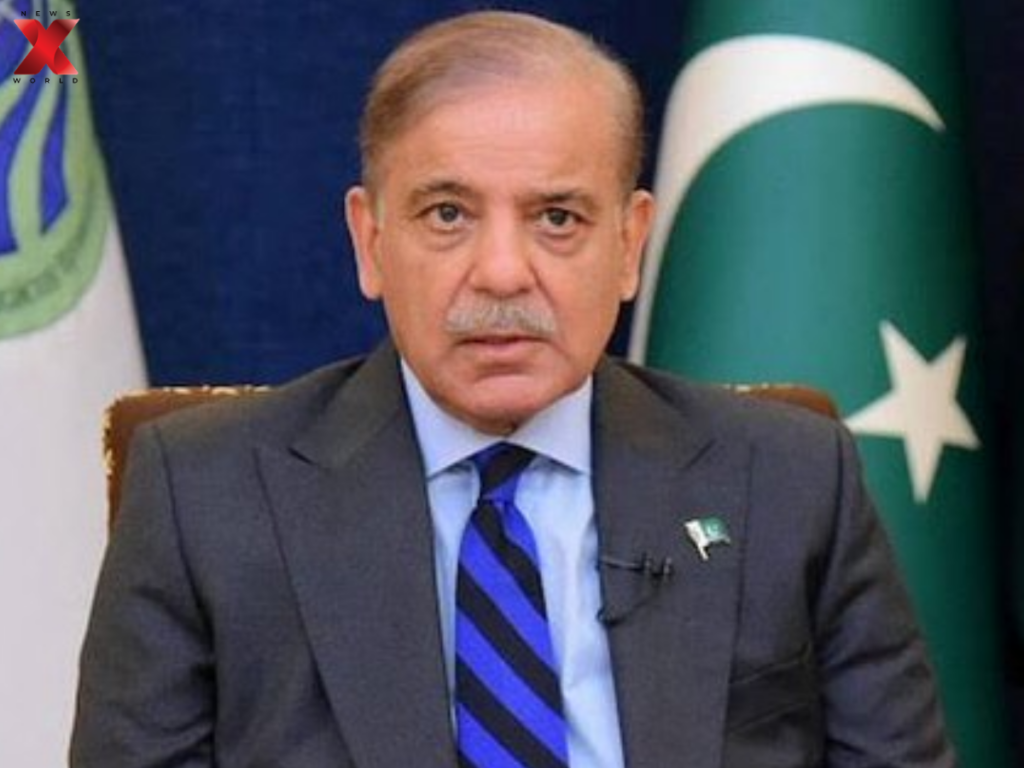
Pakistan’s long-standing BRICS membership bid remains blocked by India’s opposition under the bloc’s consensus-based admission system, despite Pakistan’s efforts to align with BRICS financial institutions and reported support from other members.
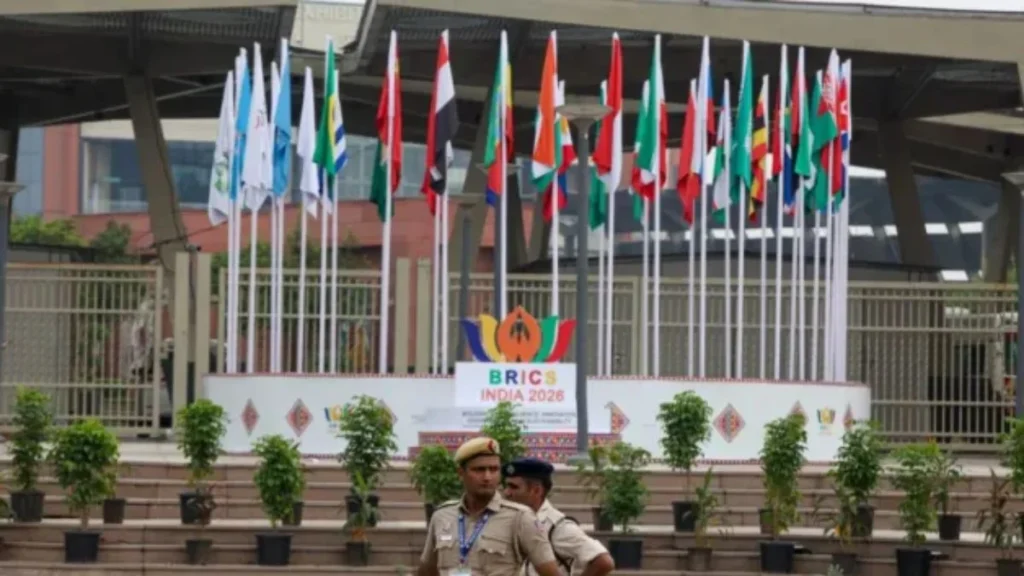
The article says India will use the BRICS Summit 2026 to push economic cooperation, strengthen the voice of the Global South, promote peace, and seek more balanced representation for developing countries in the global financial system.
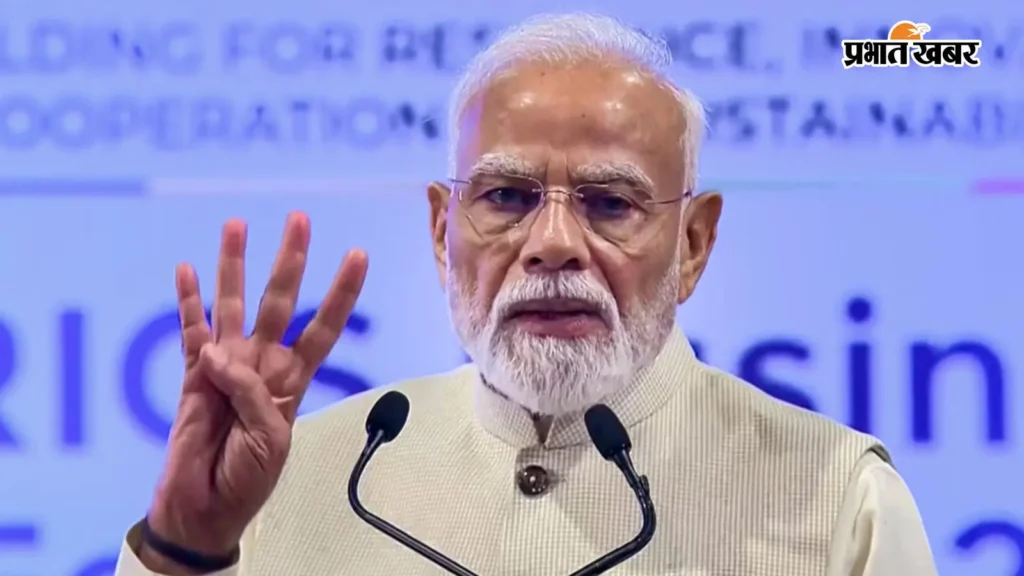
Xi Jinping and Vladimir Putin will share the same platform, but the central question is India’s diplomacy rather than BRICS itself.
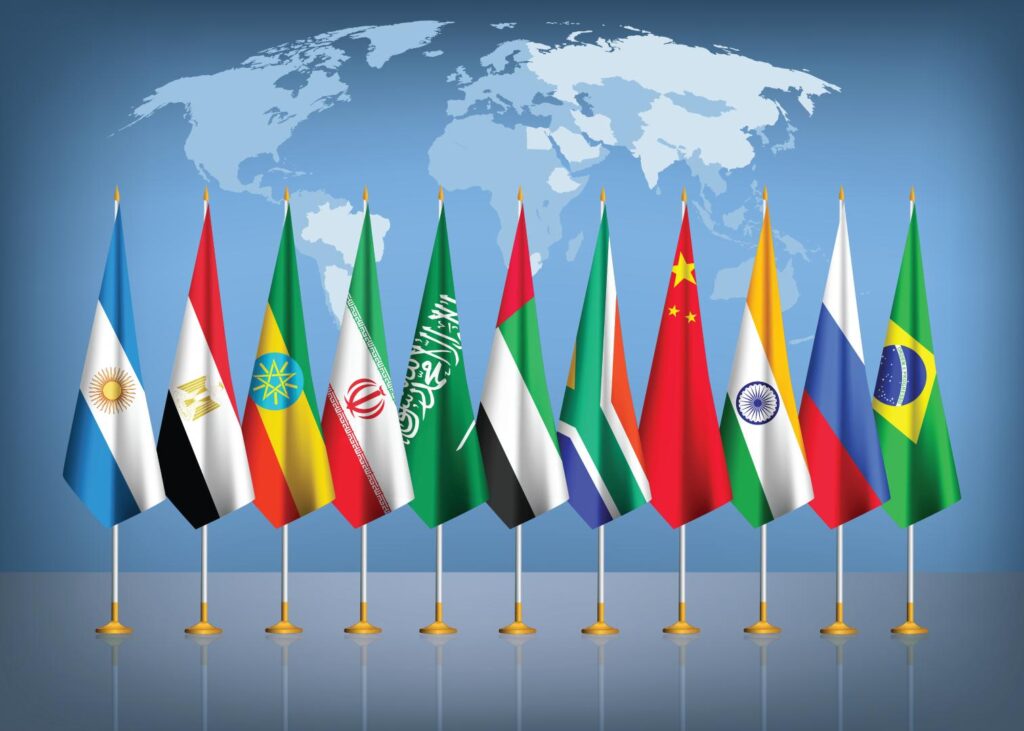
The article highlights BRICS’ growing economic scale and India’s 2026 chairmanship, emphasizing digital public infrastructure, trade growth, tourism, mobility, and people-to-people cooperation.
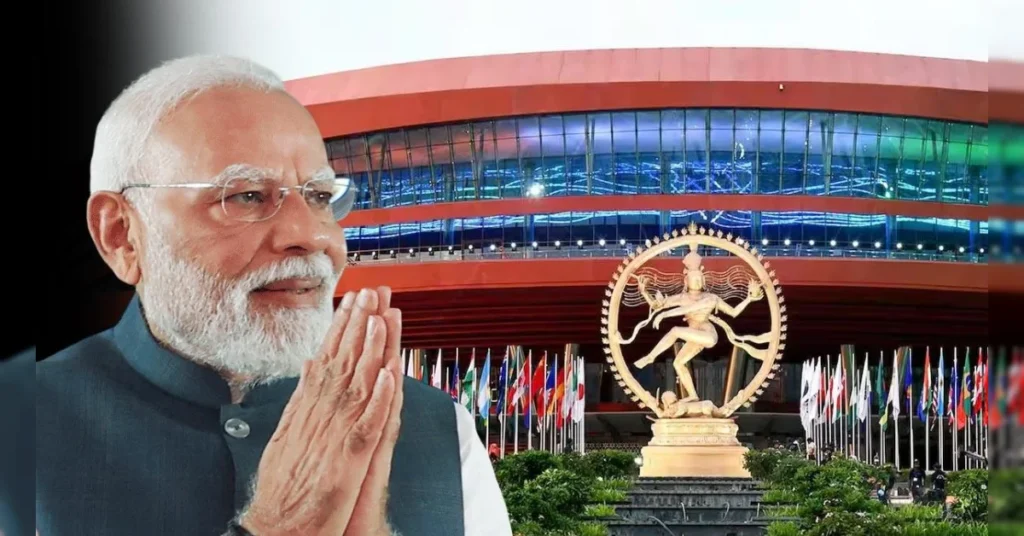
The 18th BRICS Summit, under India’s chairmanship, begins at Bharat Mandapam in New Delhi, bringing together BRICS members, more than 20 invited countries and global organizations to discuss inclusive global governance, multilateralism, trade and technology cooperation.