
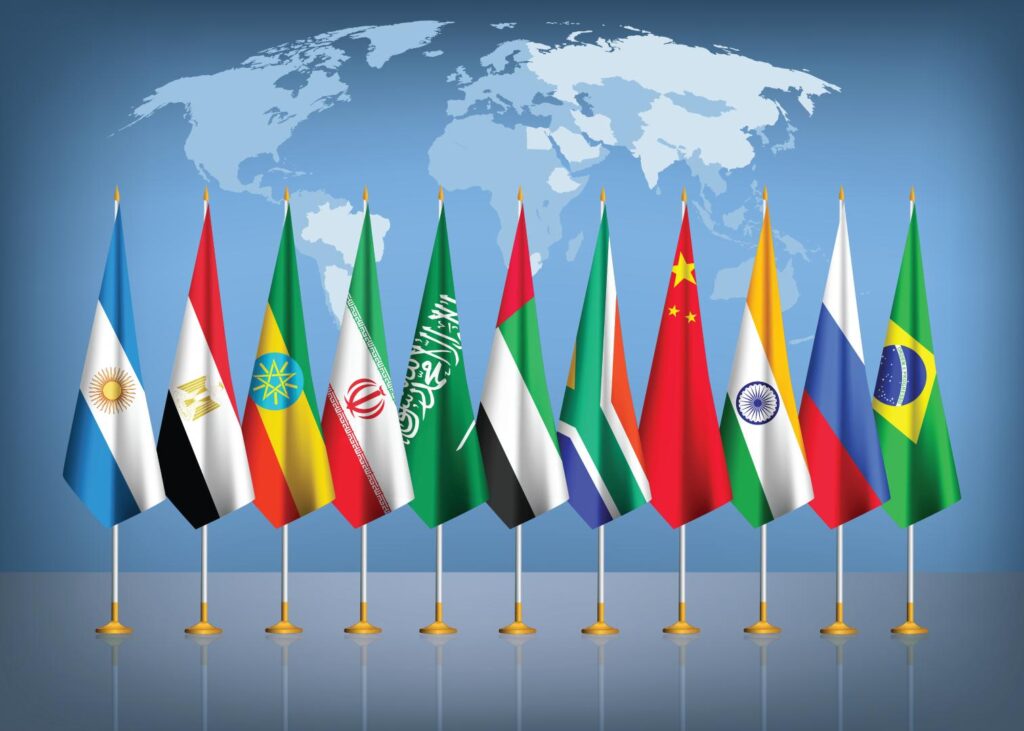
BRICS: The future of work must work for women
The 2026 BRICS New Delhi Declaration links women’s labour-force participation to skills forecasting, care work, green-transition jobs and protection for gig and platform workers.
The 2026 BRICS New Delhi Declaration links women’s labour-force participation to skills forecasting, care work, green-transition jobs and protection for gig and platform workers.
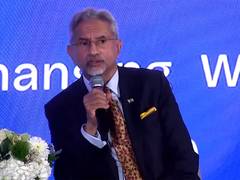
Indian External Affairs Minister S. Jaishankar said BRICS supports the United Nations and its reform, rather than replacing it, and highlighted the grouping’s role in amplifying non-Western viewpoints.
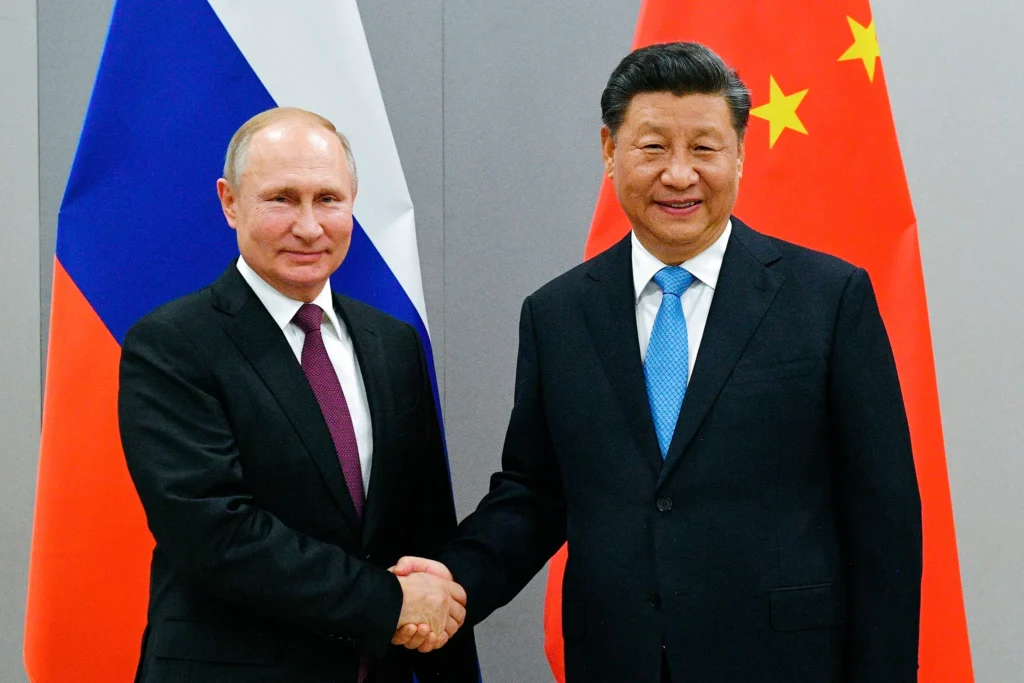
An opinion piece discusses the BRICS summit in Delhi, its multilateral agenda, internal tensions, and efforts to reduce dependence on Western-dominated financial systems.
A BRICS mental health network led by India aims to share strategies and expand accessible care across member countries.

India’s Ministry of Culture will host the BRICS Theatre Festival 2026 in New Delhi from 12 to 14 October under India’s BRICS Presidency, promoting cultural cooperation and people-to-people ties.
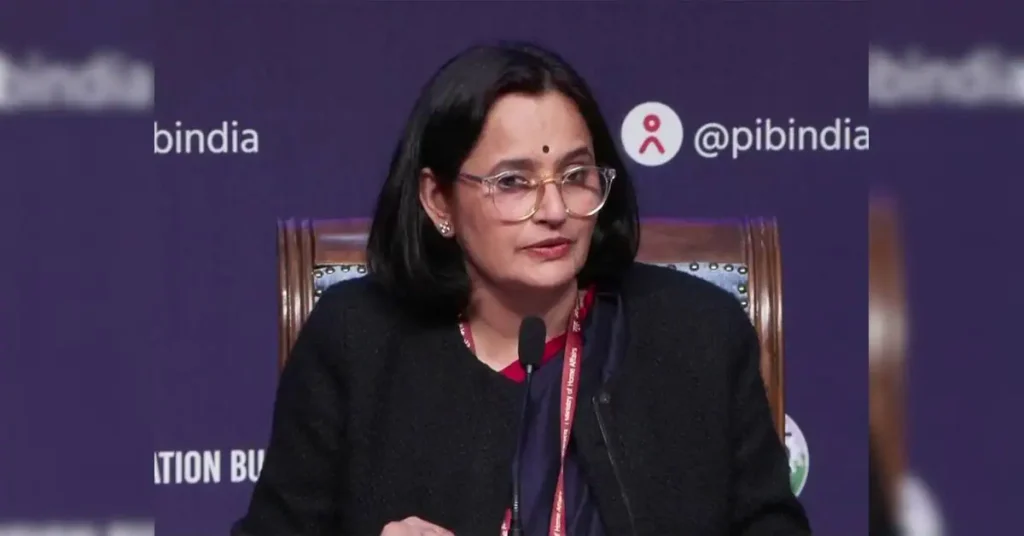
India has advanced BRICS discussions on cross-border payment interoperability and local-currency trade settlements, according to Department of Economic Affairs Secretary Anuradha Thakur.
An analysis links BRICS biodiversity cooperation, climate resilience, and economic risk by using big cats and connected landscapes as indicators of sustainable development.
Finance Minister Nirmala Sitharaman said BRICS efforts to build common positions on international taxation are significant as global tax rules are being renegotiated.
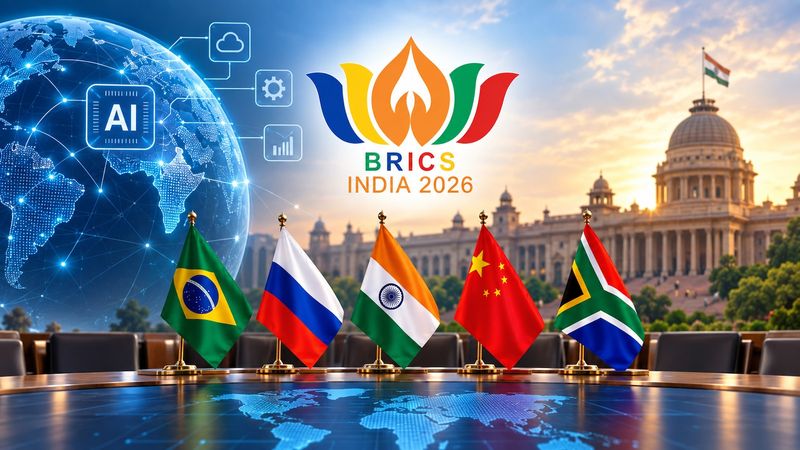
An analysis of India’s BRICS presidency highlights institutional initiatives, economic diplomacy, people-to-people engagement, and the emerging contest over technology cooperation within BRICS.