
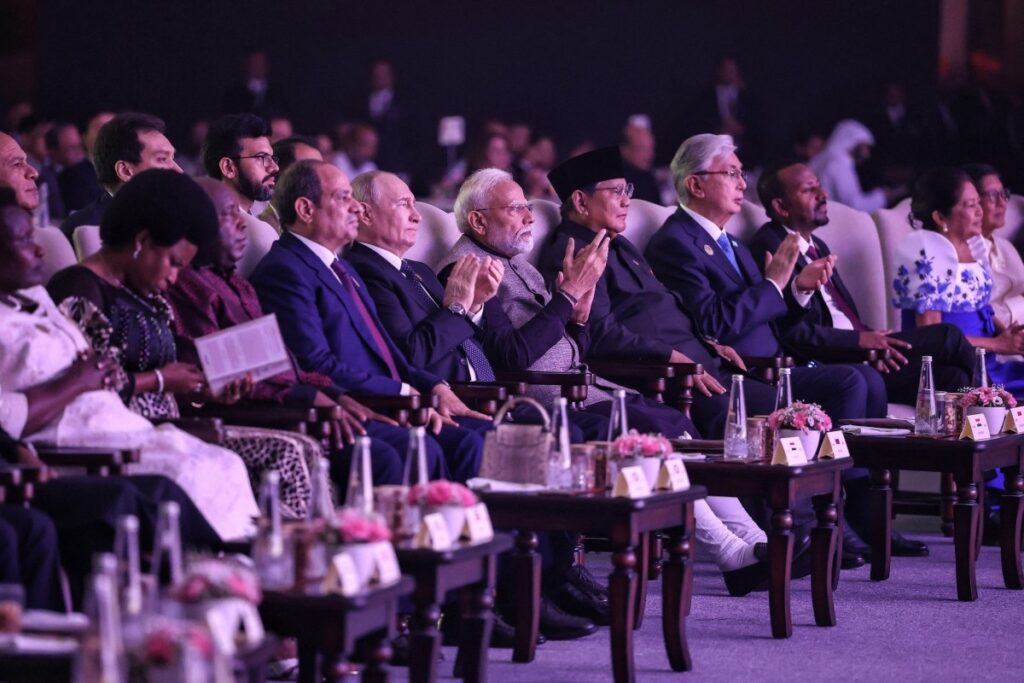
BRICS Leaders Condemn Tariffs and Strengthen Use of Local Currencies
The BRICS New Delhi Declaration criticizes unilateral trade barriers, promotes local currency use, and reinforces financial cooperation without deciding on a common currency.
The BRICS New Delhi Declaration criticizes unilateral trade barriers, promotes local currency use, and reinforces financial cooperation without deciding on a common currency.
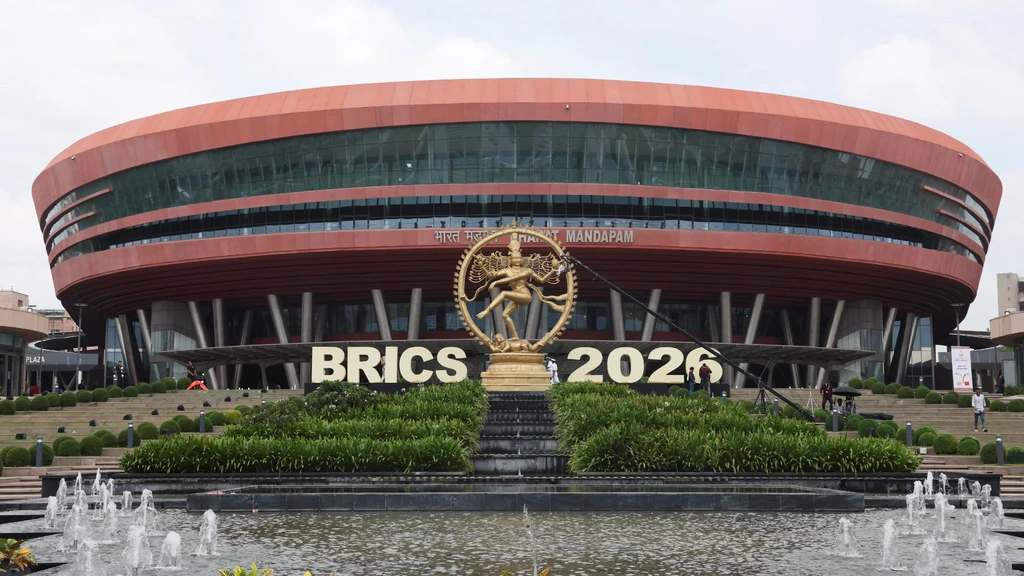
At the summit, eleven attending countries issued a joint statement calling for restraint in the Middle East conflict.
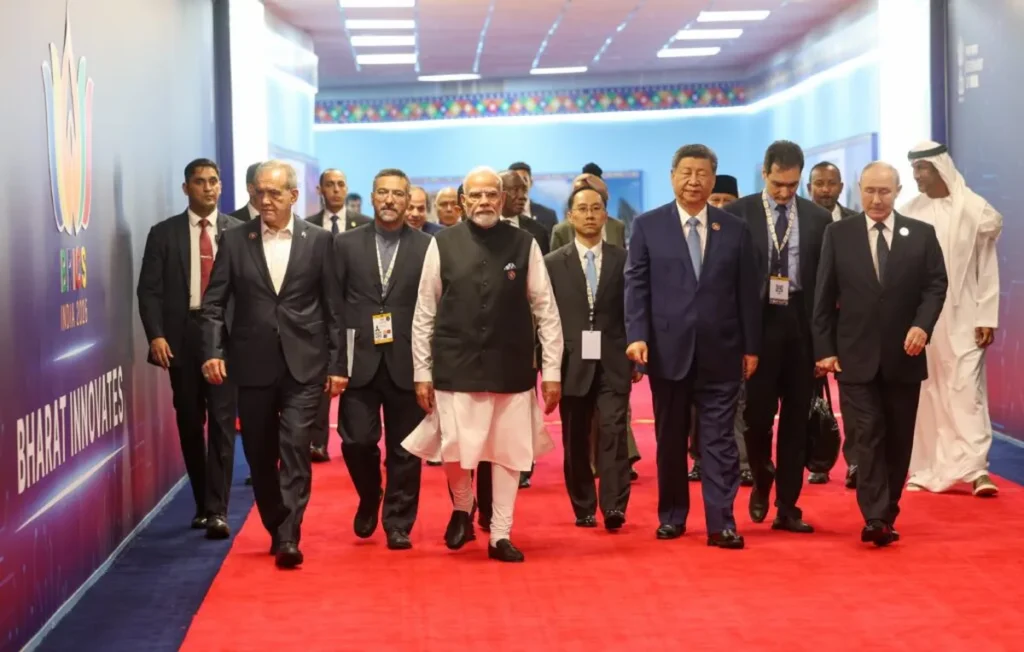
Brazil’s President Lula, absent from the BRICS leaders’ summit in New Delhi, was widely mentioned by other leaders, with some highlighting the strategic importance of the Brazilian election.
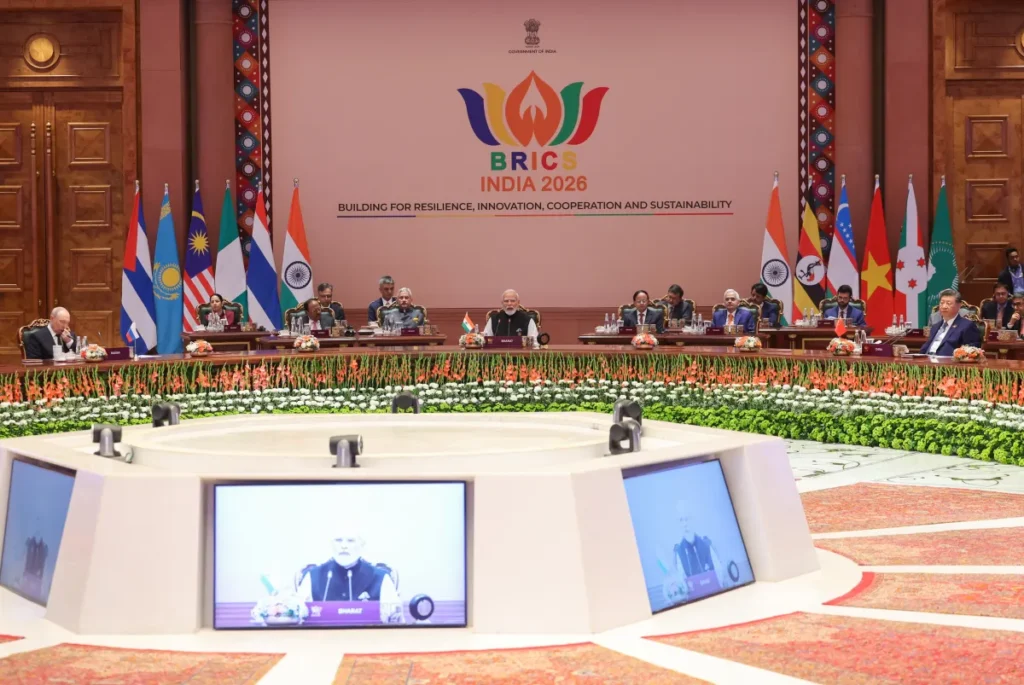
The 18th BRICS summit adopted a declaration calling for restraint in the Middle East, rejecting unilateral economic measures, and expanding cooperation in energy, health, finance, and global governance.
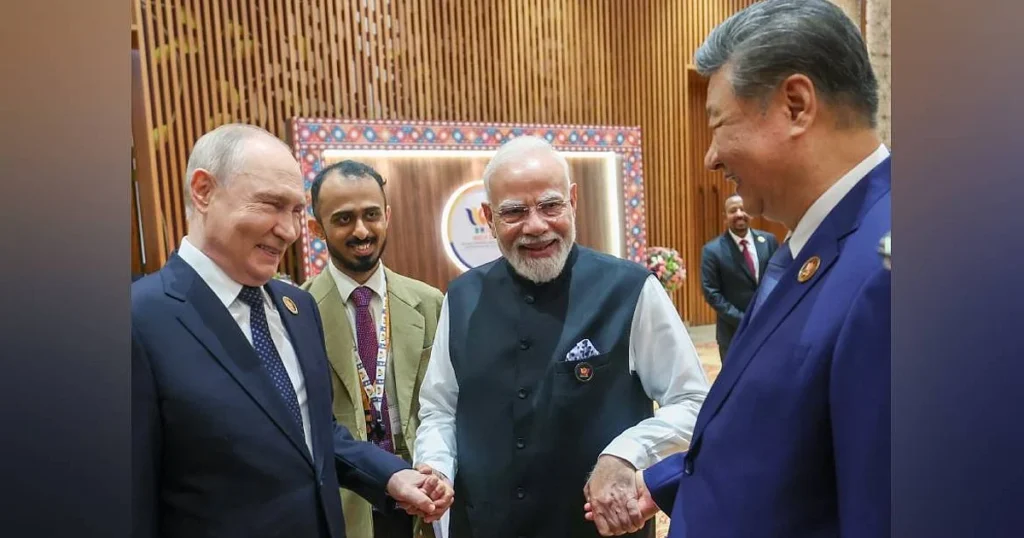
An opinion piece examines the BRICS summit in New Delhi as a space for trade dialogue, diplomatic engagement among member states, and the promotion of a more multipolar global order.
Union Home Minister Amit Shah said the New Delhi Declaration adopted at the 18th BRICS Summit reflects India’s expanding global role and a vision for a more inclusive world order.
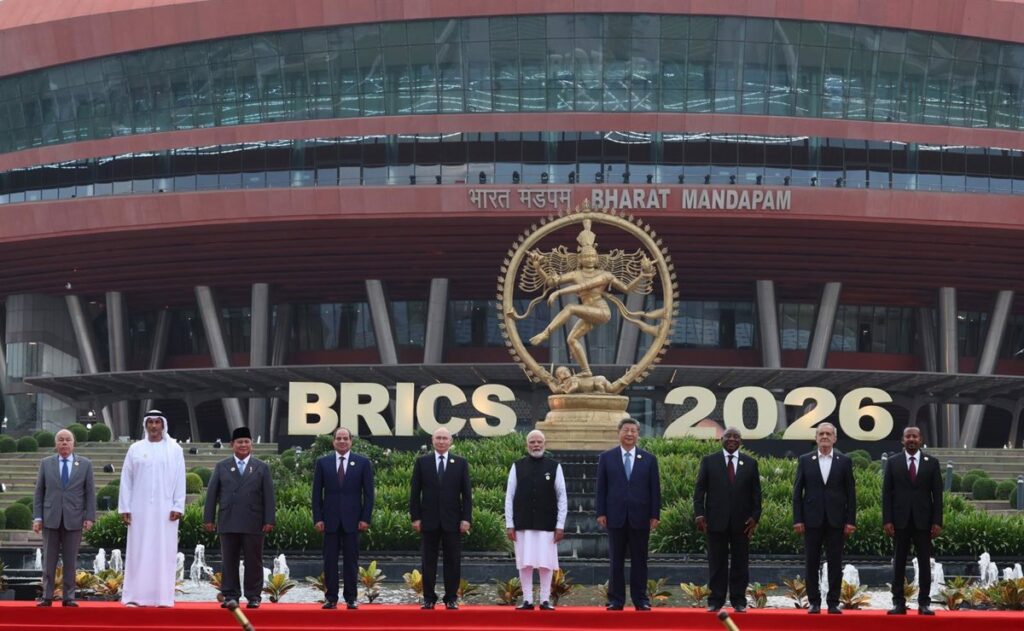
BRICS leaders meeting in New Delhi issued a joint statement advocating dialogue, diplomacy and multilateral cooperation to address international disputes.
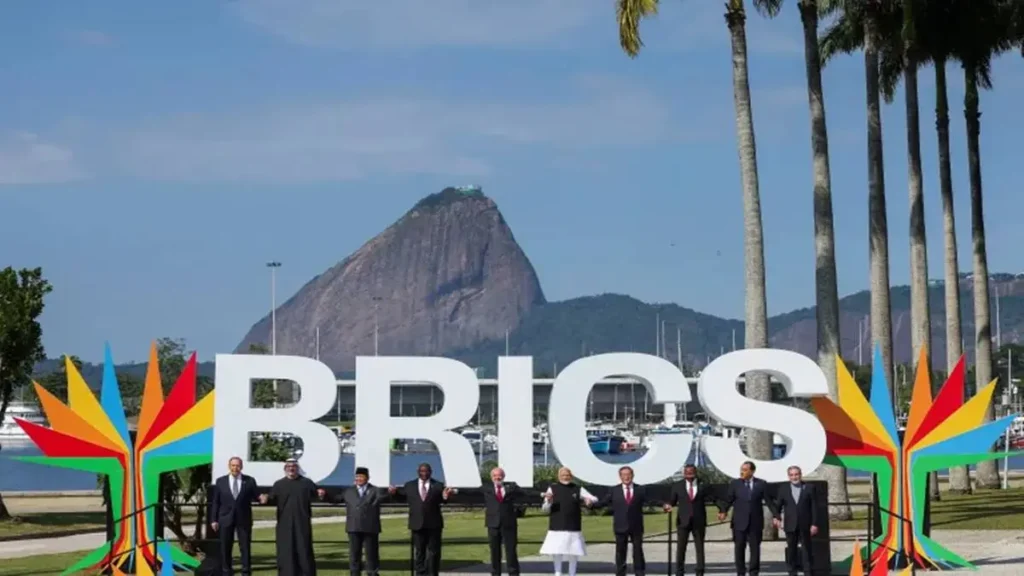
BRICS leaders adopted the New Delhi Declaration, resolving to expand New Development Bank membership, scale up local currency financing, and push for urgent quota and governance reforms in the IMF and World Bank.
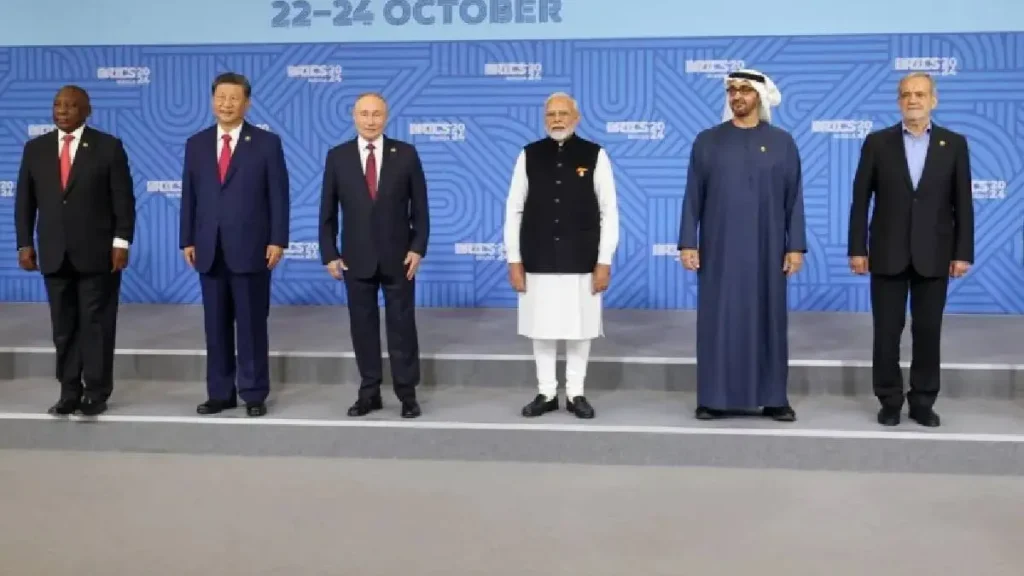
BRICS members agreed on a declaration despite differences over wording on West Asian conflicts, with India chairing negotiations until early morning.