
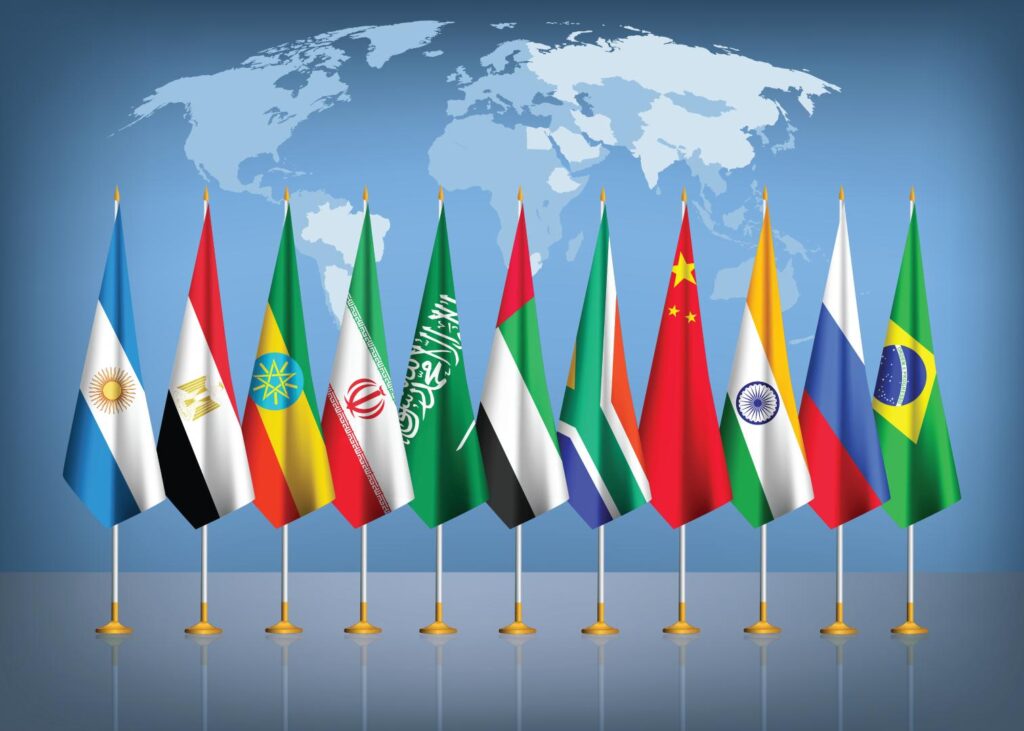
The West cannot go on criticising BRICS
An opinion piece argues that BRICS remains meaningful for the Global South despite internal differences, and that Western criticism should not define how the grouping is judged.
An opinion piece argues that BRICS remains meaningful for the Global South despite internal differences, and that Western criticism should not define how the grouping is judged.
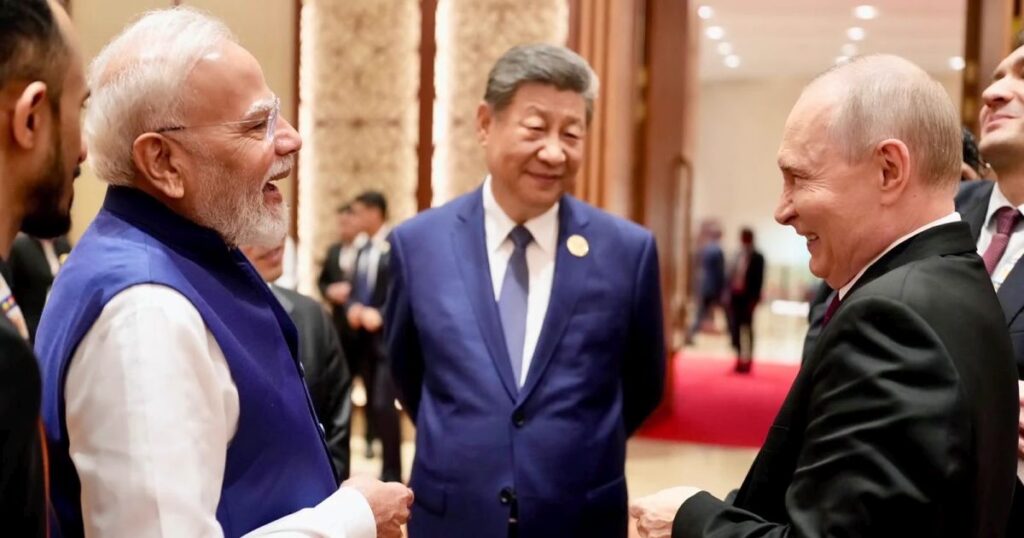
At the closing session of the BRICS summit under India’s presidency, leaders called for stronger cooperation on supply chains, early-warning systems, innovation, and economic resilience.
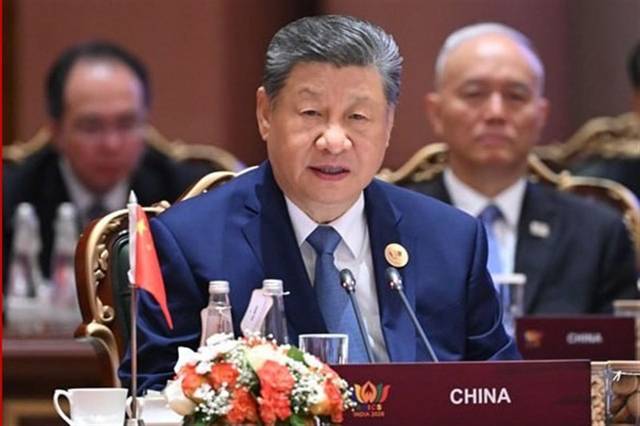
Chinese, Egyptian and Russian leaders addressed the 18th BRICS Leaders’ Summit in New Delhi, emphasizing supply-chain stability, multilateral cooperation, development finance, AI governance and intra-BRICS trade.

The New Delhi Declaration emphasises that a plurality of voices must be heard and heeded.
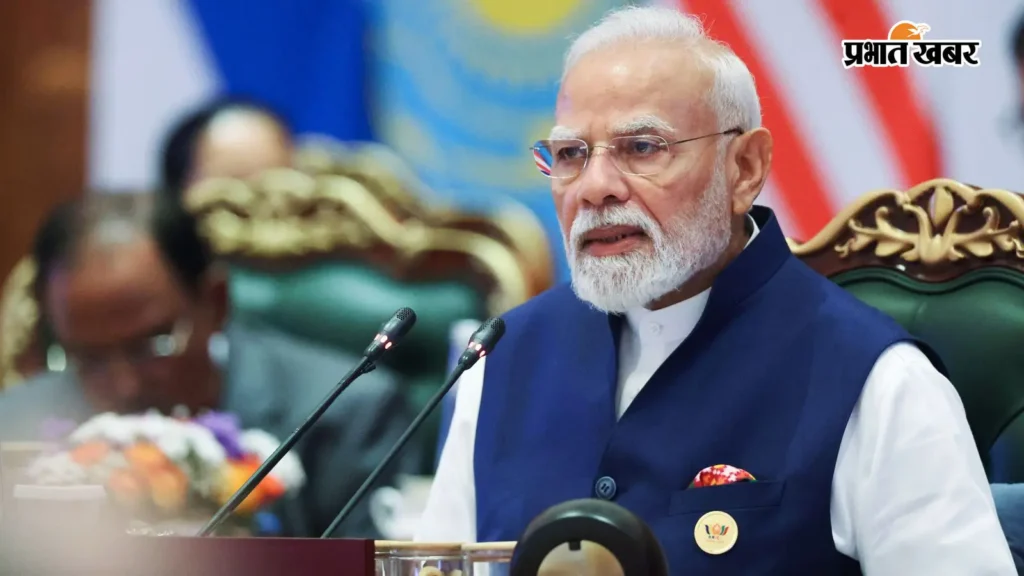
The 18th BRICS Summit in New Delhi concluded, but the story goes beyond the joint photograph and the long declaration.
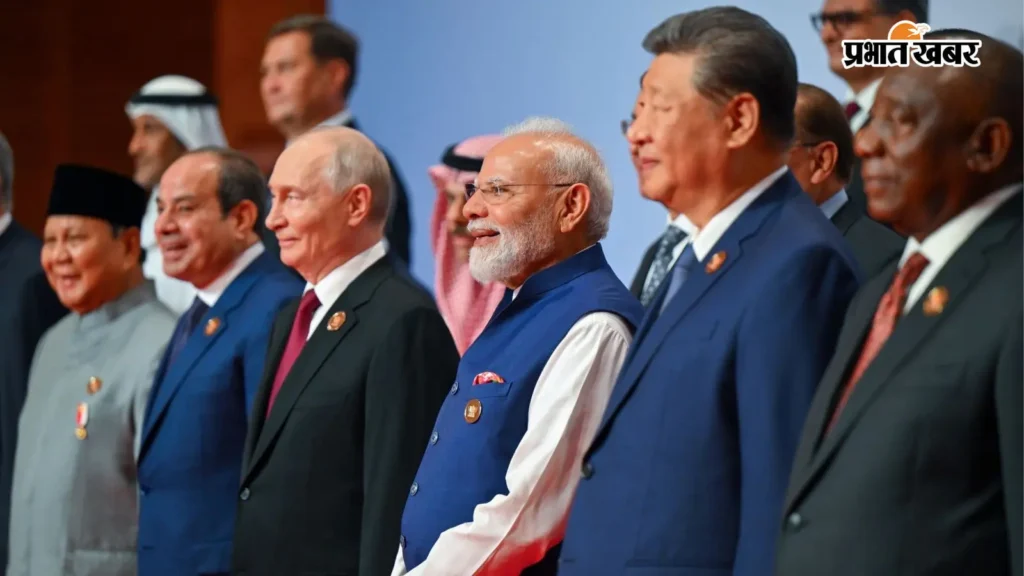
The BRICS summit in New Delhi on 12-13 September was not only a platform for Global South unity; it also reflected the contradictions among member states as the grouping seeks to shape a new global order.
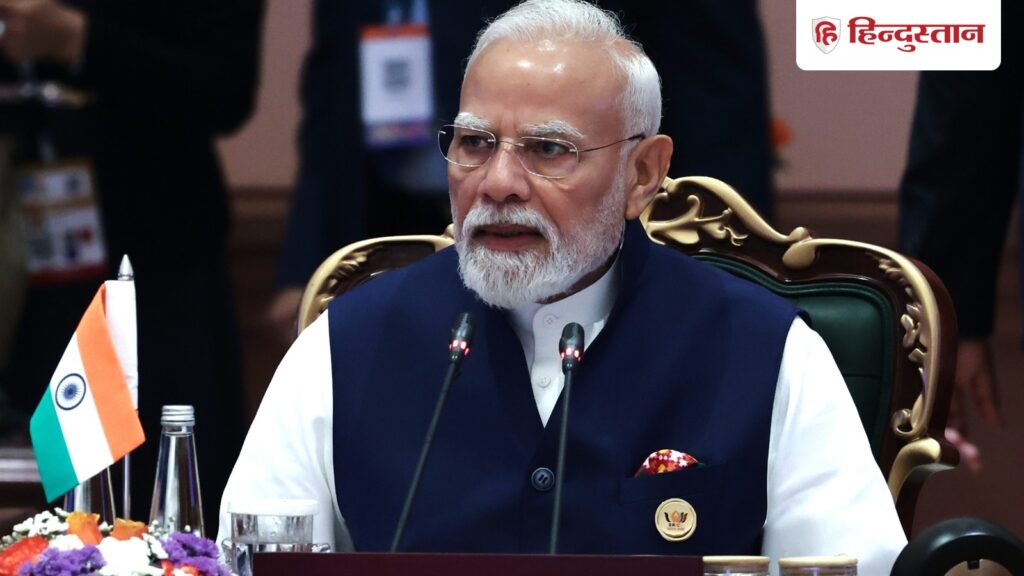
Indian Prime Minister Narendra Modi expressed concern over the weaponization of minerals and geopolitical tensions at the final session of the BRICS summit, noting that such tensions affect ordinary people.
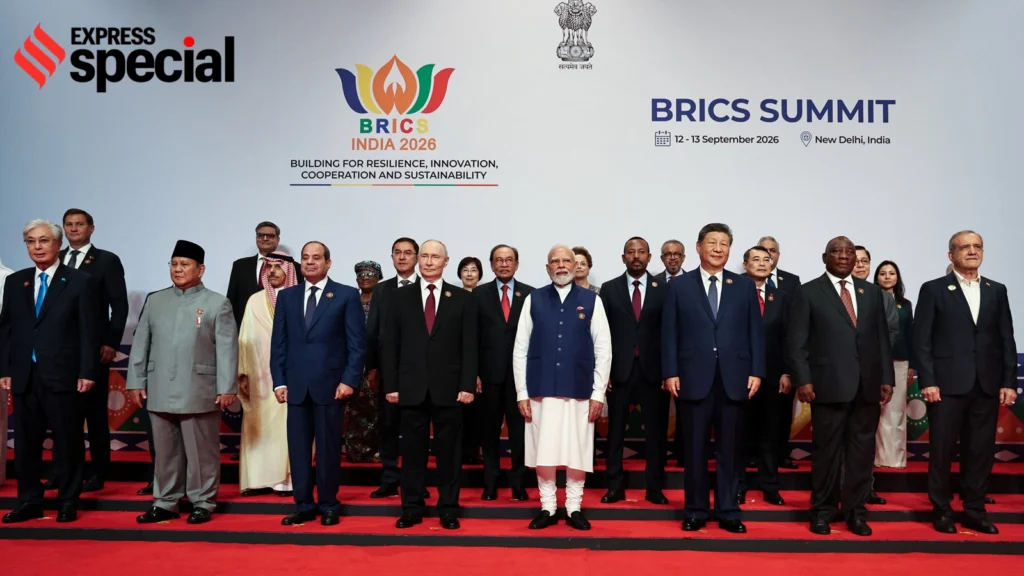
The Indian Express details the diplomatic efforts that led to a BRICS consensus on West Asia despite differing positions between Iran and the UAE.
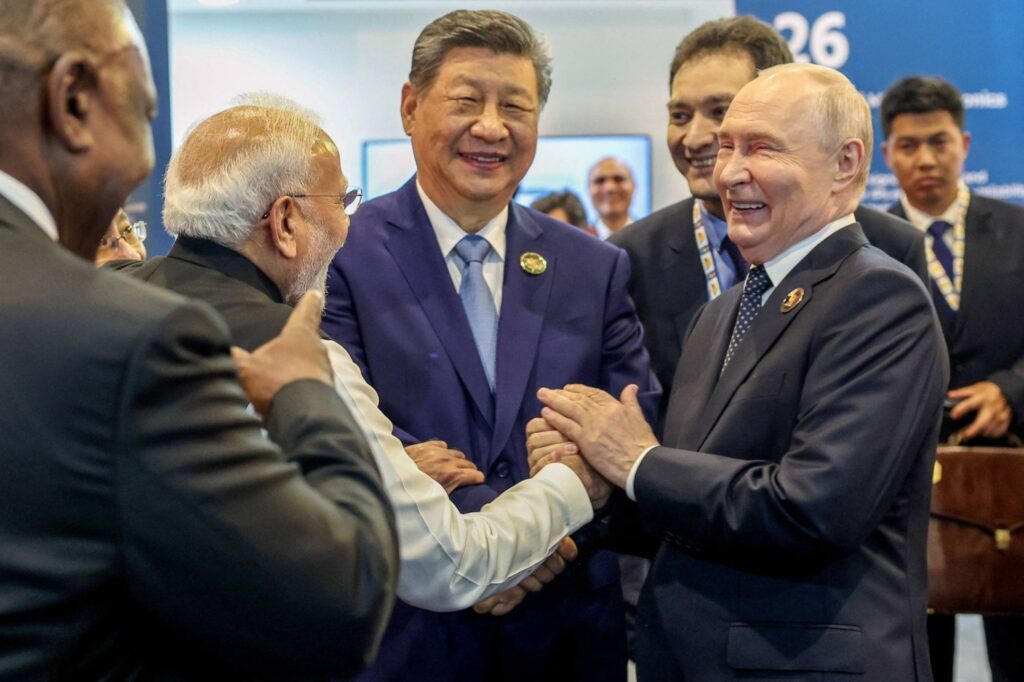
Chinese President Xi Jinping used the BRICS summit in New Delhi to promote a BRICS open-source AI community amid competition with the United States over AI governance.