
Trump Tariff LIVE: BRICS to get 10% tariff ‘pretty soon’; POTUS mulls 200% levy on foreign drugs
Source: financialexpress.com | Original Published At: 2025-07-08 17:47:25 UTC
Key Points
- Trump threatens 10% tariffs on BRICS nations including India
- India's trade proposal covers $150-200 billion in goods trade with US
- Tariff deadlines extended to August 1 for 14 countries including Japan and South Korea
- Potential 200% tariff on pharmaceutical imports mentioned
- US Treasury Secretary warns countries to finalize deals by August 1
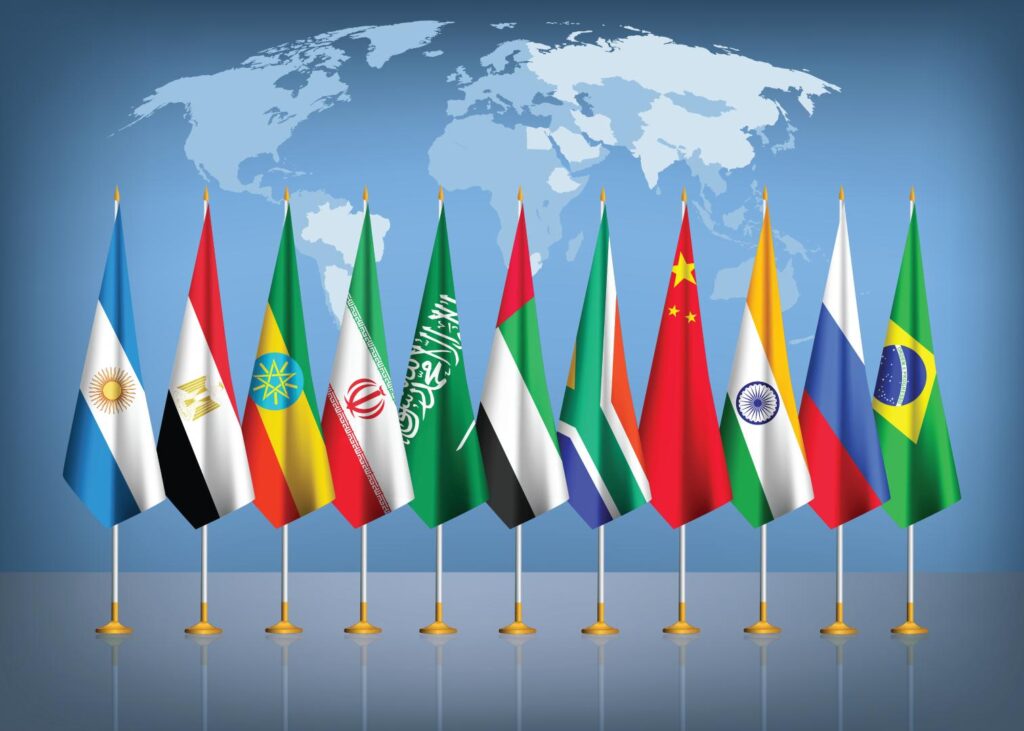
US President Donald Trump warned on Tuesday that the BRICS nations — including India — would face a 10% tariff “pretty soon”. He also announced a 50% tariff on copper and hinted “at a very, very high rate, like 200%” for pharmaceutical imports.
The POTUS is also set to take the final call on India-US trade deal in the coming days. According to CNBC, India has already presented a final ‘decent offer’ from its side, which will be reviewed by the US President now. According to the report, India’s proposal covers goods trade worth around $150 billion to $200 billion between the two countries. Now, it’s up to US officials to decide whether they want to continue negotiations or move forward with a deal as it stands. India is not expected to offer any more concessions at this point.
Trump had earlier said that the United States is close to finalising a trade deal with India. This move is part of a larger effort to change global trade ties and use tariffs as a tool to increase US influence. During a private dinner with Israeli President Benjamin Netanyahu on Monday, Trump told reporters that the US has already reached trade agreements with countries like the United Kingdom and China. He added that India could be next. “As far as I’m concerned, we’re done with sending out letters to various countries telling them how much tariffs they have to pay. Some will maybe adjust a little bit, depending if they have a you know, cause,” Trump said.
Trump delays tariffs on countries till August
Trump has delayed imposing higher tariffs on goods coming into the US from 14 countries, including Japan and South Korea. The development comes just as a 90-day pause on some of the toughest import taxes, put in place by the White House, was about to expire this week. Trump repeated his warning that a 25% tariff could still be placed on goods from Japan and South Korea. He also shared letters to leaders of several countries, saying new tariffs will take effect from August 1. The higher tariffs were supposed to start on July 9, but were earlier put on hold while US officials tried to make trade agreements.
Trump shared tariff letters via social media on Monday that were sent to leaders of the 14 countries. He explained his new tariff plans in them and said the rates could go up or down, depending on how each country’s relationship with the US develops. Most of the tariff amounts in the letters were similar to what Trump had mentioned in April, during what he called the “Liberation Day” announcement, when he threatened new taxes on goods from many countries. Although highest tariff rate of 40% has been imposed on Myanmar and the Lao People’s Democratic Republic.
Trump says the goal of these tariffs is to protect American companies from foreign competition and to support US factories and jobs. However, many economists believe these steps will make things more expensive for American buyers and reduce trade.
‘If you don’t move things along till Aug 1, you will boomerang back to April 2 tariff level’: Bessent
US Treasury Secretary Scott Bessent said on Sunday that the tariffs announced in April will be enforced starting August 1 for countries that haven’t finalized a deal with President Donald Trump’s administration. “President Trump’s going to be sending letters to some of our trading partners saying that if you don’t move things along, then on August 1, you will boomerang back to your April 2 tariff level,” Bessent said during an interview on CNN’s ‘State of the Union’. He explained that these countries will receive letters stating that if no agreement is reached by then, their tariff rates will return to what was set on April 2.
Bessent pushed back on claims that August 1 marks just another tariff deadline. However, he acknowledged that the new date could give countries extra time to work out better trade terms. “We are saying this is when it’s happening, if you want to speed things up, have at it, if you want to go back to the old rate that’s your choice,” Bessent added.
How did Wall Street react: Stock markets dropped from record highs and the US dollar rose after Trump started sharing his tariff letters. The US will begin charging tariffs on countries like Japan, South Korea, and South Africa from August, which led to a fall in their currencies. The S&P 500 index went down by around 1%, with big companies seeing the biggest losses. Tesla’s stock fell nearly 7% after Elon Musk said he had started a political party, causing investors to worry about the company’s future. US government bonds also dropped in value, especially the long-term ones. Emerging markets were affected too, after Trump said he might add more tariffs on countries that support the “Anti-American policies of BRICS.”