
BRICS, CBAM and the making of a new carbon trade order
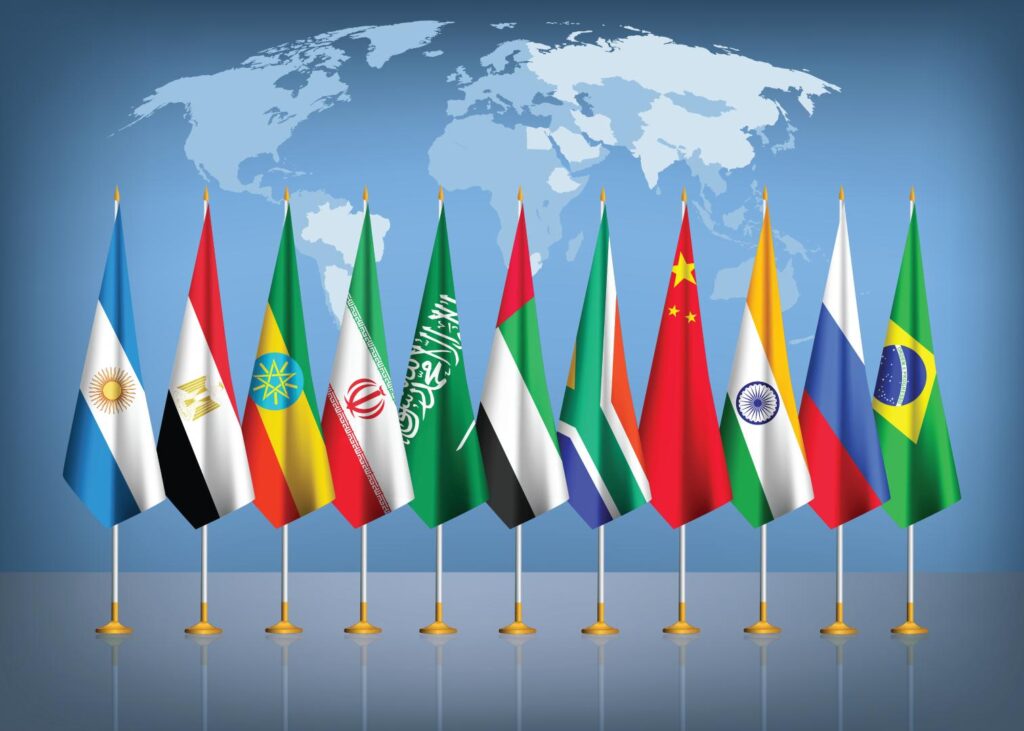
Countries
Cooperation areas
Source: Hindustan Times | Original Published At: 2026-09-28 09:06:29 UTC
Key Points
- The EU's Carbon Border Adjustment Mechanism imposes carbon costs on imports such as cement, iron and steel, aluminium, fertilisers, electricity and hydrogen, with potential effects on Indian exporters.
- The New Delhi Declaration welcomed a Memorandum of Understanding on the BRICS Carbon Markets Partnership aimed at capacity building, exchange of experiences and alignment of carbon markets with national climate strategies.
- BRICS members argue that unilateral border carbon measures can function as trade barriers imposing disproportionate costs on developing economies while seeking to preserve policy space for their own energy transitions.
- The UK included India's Carbon Credit Trading Scheme in its indicative list of qualifying overseas carbon pricing mechanisms under CBAM, allowing eligible importers to claim relief for carbon prices already paid, subject to verification.
- The practical benefits of that recognition may be limited by gaps in carbon price levels and the need for robust measurement, reporting and verification, especially for micro, small and medium enterprises.
- The article calls for broader sectoral coverage in India's carbon market, stronger industrial decarbonisation support, and common BRICS approaches to emissions tracking and certification to reduce transaction costs for exporters.