
BRICS, Big Cats, and the Business of Connected Landscapes
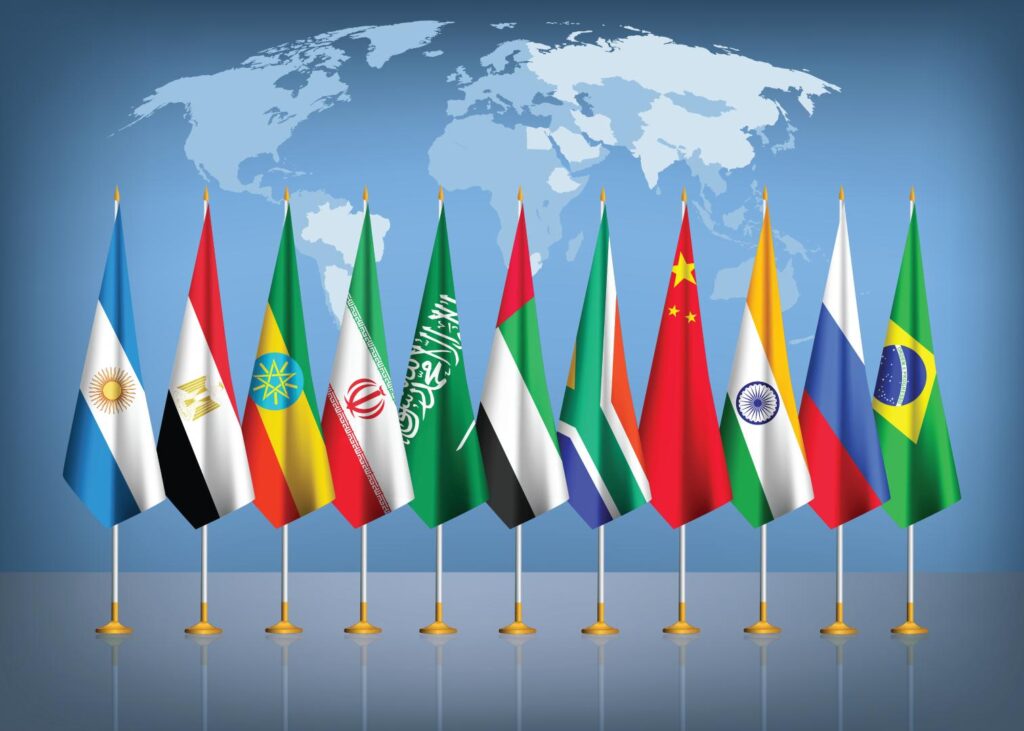
Cooperation areas
Source: Hindustan Times | Original Published At: 2026-09-24 07:41:13 UTC
Key Points
- The New Delhi Declaration notes BRICS countries’ vulnerability and encourages cooperation on big cat conservation, referencing India’s International Big Cat Alliance.
- Expanded BRICS accounts for nearly half the world’s population and more than a quarter of global economic output while managing growth, infrastructure, and climate risks.
- Ecosystem degradation can affect productivity, supply chains, and climate resilience, with the World Bank estimating that a partial collapse of three ecosystem services could lower global real GDP by $2.7 trillion by 2030.
- Big cats require large, connected landscapes, and a 2025 study found that suitable snow leopard habitat in China’s Xinjiang could decline by about 17% by the 2070s under the highest-emissions scenario.
- The India-Nepal Terai Arc shows how cross-border protected areas and corridors can support tiger movement and landscape connectivity.
- BRICS cooperation could share experience on corridors, habitat monitoring, human-wildlife conflict, and infrastructure planning, especially where big-cat landscapes cross borders.